

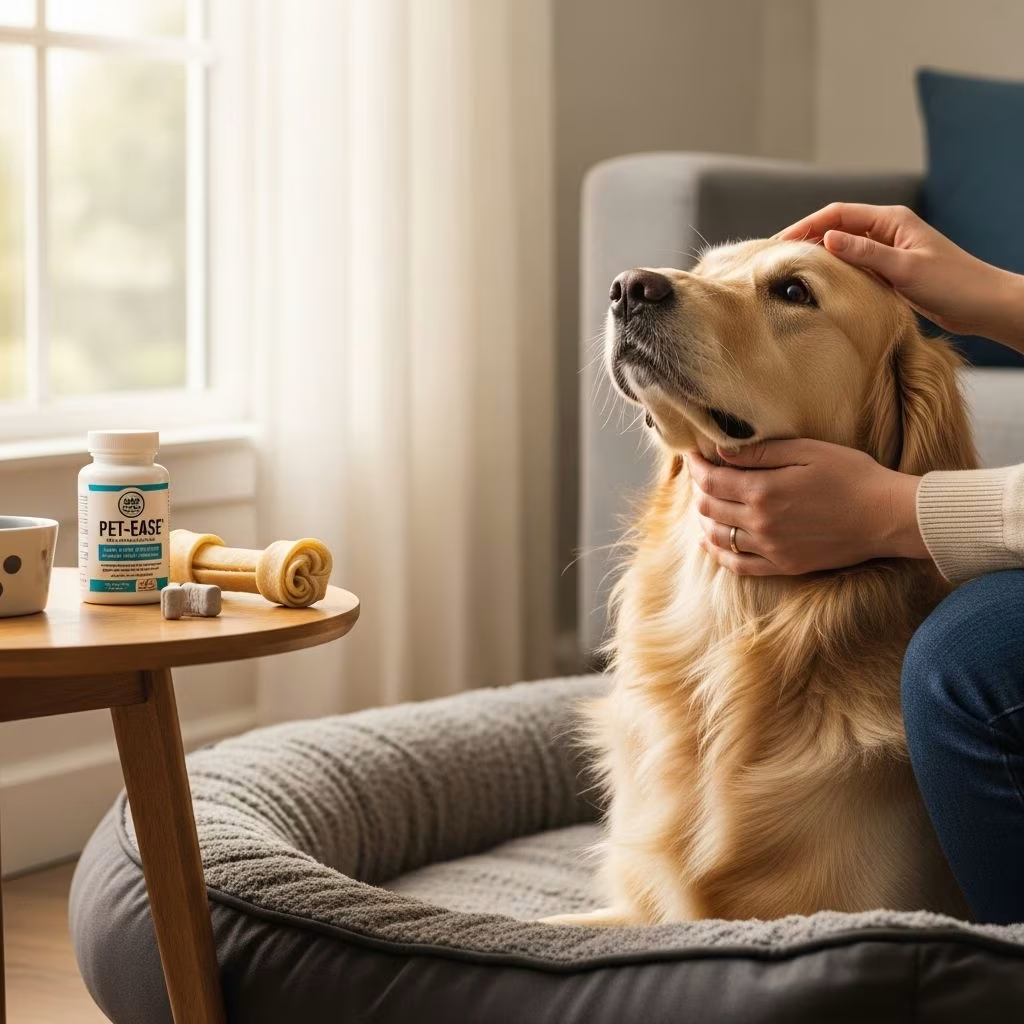
Dogs often suffer from pain and inflammation due to arthritis, injuries, surgery recovery, or age-related joint issues. While prescription medications like NSAIDs are highly effective, many pet owners seek **over-the-counter (OTC) anti-inflammatories** for quick relief. However, not all human pain relievers are safe for dogs—**ibuprofen, acetaminophen, and naproxen can be toxic** even in small doses. The primary safe OTC option is **buffered aspirin**, but it must be used cautiously and only under veterinary guidance. This guide covers safe OTC choices, risks, alternatives, and when to consult a vet for optimal care.
Are There Safe OTC Anti-Inflammatories for Dogs?
Truly safe, FDA-approved **OTC NSAIDs specifically for dogs do not exist**—all veterinary NSAIDs like Rimadyl, Galliprant, or Metacam require a prescription. Human OTC drugs pose serious risks: they can cause gastrointestinal ulcers, kidney failure, liver damage, or seizures in dogs. That said, **buffered aspirin (acetylsalicylic acid)** is the most commonly vet-recommended OTC anti-inflammatory for short-term use in dogs.
- Why buffered aspirin? The buffer (often calcium carbonate or magnesium oxide) reduces stomach irritation compared to regular aspirin.
- Dosage guideline: Typically 5-10 mg per pound of body weight, every 12 hours, with food and water. For a 50-lb dog, that’s about 250-500 mg (1-2 chewable tablets). Never exceed without vet approval.
- Duration: Short-term only (3-5 days max); long-term use risks bleeding and ulcers.
Products like Vetality Canine Aspirin are formulated for dogs with liver flavoring for palatability. Always confirm with your vet, as aspirin interacts with steroids, other NSAIDs, and conditions like clotting disorders.
Dangerous Human Anti-Inflammatories to Avoid
Never give your dog human OTC pain meds—their metabolism differs drastically, leading to toxicity.
| Drug | Brand Examples | Risks for Dogs |
|---|---|---|
| Ibuprofen | Advil, Motrin | Stomach ulcers, kidney failure, seizures |
| Naproxen | Aleve | Gastrointestinal bleeding, liver damage |
| Acetaminophen | Tylenol | Liver toxicity, methemoglobinemia (blue gums) |
Even “pet-safe” labeled human products online are risky without vet oversight. If accidental ingestion occurs, contact Pet Poison Helpline (855-764-7661) or a vet immediately.
Best OTC Anti-Inflammatory: Buffered Aspirin for Dogs
**Buffered aspirin** stands out as the go-to OTC choice for mild inflammation, arthritis flare-ups, or post-injury swelling.
- Benefits: Reduces pain, fever, and inflammation by inhibiting COX enzymes. Effective for osteoarthritis and minor sprains.
- How it works: Blocks prostaglandins responsible for pain signals and swelling.
- Forms: Chewable tablets (e.g., 300mg for medium dogs), often peanut butter or liver-flavored.
- Pros vs. cons: Affordable and accessible, but not as targeted or safe long-term as prescription NSAIDs.
Vet tip: Monitor for vomiting, black stools (indicating bleeding), lethargy, or loss of appetite—stop use and call your vet. Puppies, seniors, dehydrated dogs, or those with kidney/liver issues should avoid it.
Prescription Alternatives: When OTC Isn’t Enough
For chronic conditions like **osteoarthritis** or severe pain, vets prescribe **COX-2 selective NSAIDs** that are safer and more effective than OTC options. These are FDA-approved for dogs:
| Medication | Brand Names | Uses | Key Notes |
|---|---|---|---|
| Carprofen | Rimadyl, Novox | Arthritis, post-op pain | Well-tolerated; monitor liver enzymes |
| Grapiprant | Galliprant | Osteoarthritis | Targets pain receptors; mild side effects |
| Deracoxib | Deramaxx | Arthritis, surgery, cancer | Give with food |
| Firocoxib | Previcox | Arthritis, injury | Once-daily; lowest effective dose |
| Meloxicam | Metacam | Arthritis, post-op | Oral liquid or chewable |
These require bloodwork before and during use to check kidneys/liver. Galliprant is ideal for dogs intolerant to traditional NSAIDs.
Natural and Supplemental Anti-Inflammatories
Some vets recommend OTC **supplements** as adjuncts or mild alternatives:
- Omega-3 fish oils: EPA/DHA reduce joint inflammation; 20-50 mg EPA per lb daily.
- Glucosamine/chondroitin: Supports cartilage; takes 4-6 weeks to work.
- Turmeric (curcumin): Natural COX inhibitor; use pet-formulated to avoid GI upset.
- Green-lipped mussel: Anti-inflammatory omega source.
These are not substitutes for meds in acute pain but help long-term. Always check for interactions.
Signs Your Dog Needs Anti-Inflammatory Relief
Recognize pain early to prevent worsening:
- Limping or stiffness, especially after rest.
- Reluctance to jump, climb stairs, or play.
- Whining, panting, or aggression when touched.
- Swelling, heat in joints, or reduced appetite.
- Trembling or restlessness at night.
Use the FDA’s **BEST** acronym: **Bleeding, Eating less, Stomach issues, Tiredness**—stop NSAIDs if seen.
How to Safely Administer OTC Anti-Inflammatories
Steps for success:
- Consult vet for dosage based on weight, age, health.
- Give with food/water to protect stomach.
- Monitor 24/7; hydrate well.
- Combine with rest, ice/heat therapy, weight management.
- Transition to prescription if no improvement in 48 hours.
Avoid in pregnant/lactating dogs, those on blood thinners, or with ulcers.
Frequently Asked Questions (FAQs)
Can I give my dog aspirin for pain?
Yes, **buffered aspirin** short-term (5-10 mg/lb every 12 hours), but only with vet approval. Avoid regular aspirin.
What is the best OTC pain reliever for dogs?
**Buffered aspirin** is the safest OTC; no true OTC NSAIDs exist for dogs.
Is ibuprofen safe for dogs?
No, it’s toxic—causes ulcers and organ failure.
How much aspirin can I give my dog?
Consult vet; general: 5-10 mg/lb twice daily for 3-5 days max.
Are there natural anti-inflammatories for dogs?
Yes, fish oil, glucosamine, turmeric—but they’re supportive, not replacements.
When should I take my dog to the vet for pain?
If limping persists >24 hours, swelling, lethargy, or no OTC response.
Conclusion: Prioritize Vet Guidance
While **buffered aspirin** offers accessible OTC relief, prescription NSAIDs provide superior safety and efficacy for most dogs. Combine with lifestyle changes like joint supplements, exercise, and weight control for best results. Your vet is your best partner in managing canine pain effectively and safely.
References
- NSAIDs for Dogs: Everything You Need to Know — PetMD. 2023-2025. https://www.petmd.com/dog/general-health/nsaids-dogs-everything-you-need-know
- What Pain Medicine Can I Give My Dog? — GoodRx. 2023-2025. https://www.goodrx.com/pet-health/dog/what-to-give-a-dog-for-pain
- Best Anti-Inflammatories for Dogs — Ollie Blog. 2023-2025. https://blog.myollie.com/best-anti-inflammatories-for-dogs/
- Dog Pain Medications — WebMD. 2023-2025. https://www.webmd.com/pets/dogs/dog-pain-medications
- Get the Facts about Pain Relievers for Pets — FDA. 2023-2025. https://www.fda.gov/animal-veterinary/animal-health-literacy/get-facts-about-pain-relievers-pets
- Over-the-Counter Pain Medications and Pets — Beattie Pet Hospital. 2023-2025. https://www.beattiepethospitalhamilton.com/cat-blog/over-the-counter-pain-medications-and-pets



