

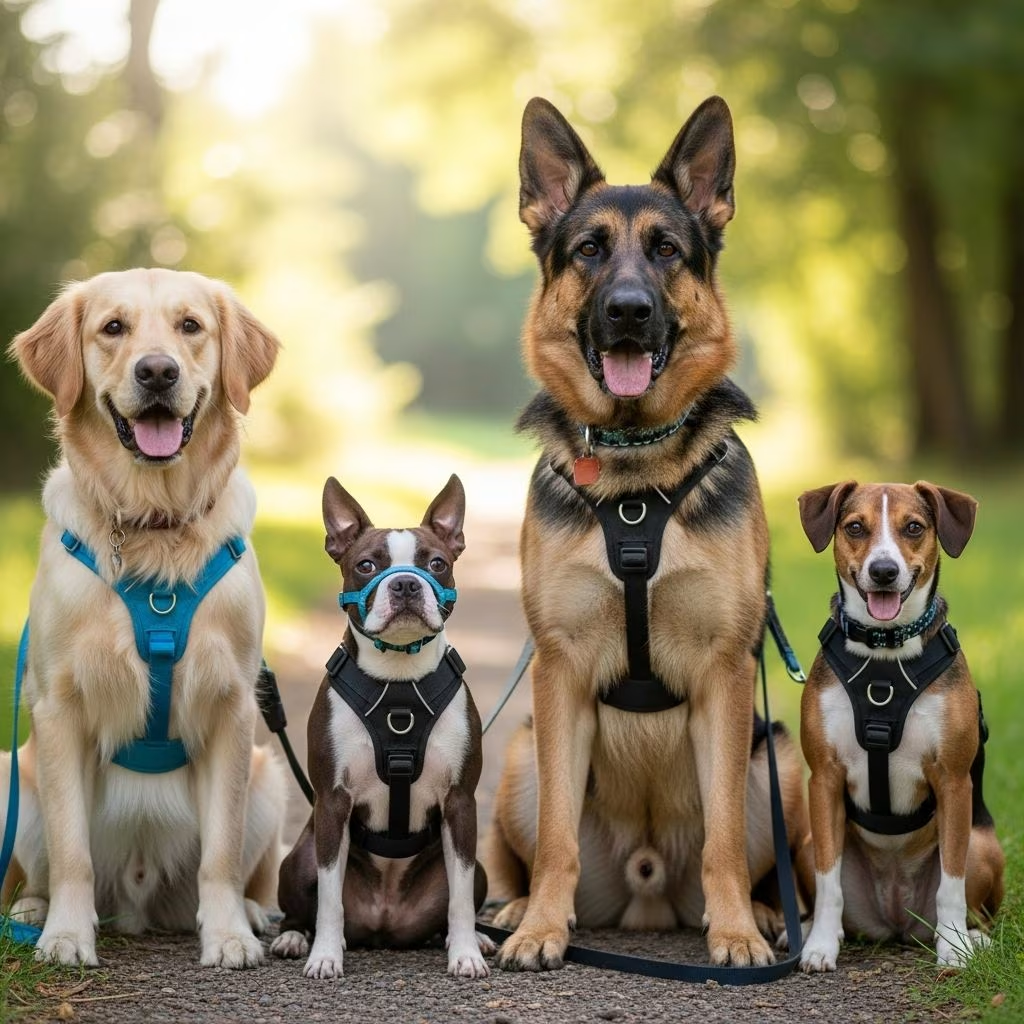
No-pull dog harnesses redirect a dog’s forward momentum through front-clip attachments, turning pulling into a gentle sideward motion that encourages better leash manners without discomfort.
Understanding the Mechanics Behind No-Pull Designs
These harnesses feature straps that cross over the shoulders and secure at the chest and behind the front legs, with a primary leash clip positioned at the front. When a dog lunges ahead, the leash tension shifts laterally, naturally pivoting the dog back toward the handler rather than allowing sustained forward progress. This biomechanical redirection promotes loose-leash walking, where the dog stays close by your side to maintain balance and forward movement.
Unlike back-clip harnesses or collars, which reinforce pulling by aligning force directly forward, front-clip models interrupt the behavior pattern immediately. Dual-ring options, with both front and rear attachments, offer versatility—use the front for training strong pullers and transition to the back as manners improve.
Key Advantages for Dog Health and Owner Comfort
No-pull harnesses distribute force across the chest and shoulders, eliminating concentrated pressure on the neck that collars impose. This is critical for breeds like brachycephalics (Pugs, Bulldogs), sighthounds (Whippets), or any dog prone to tracheal issues, as studies link collar use to potential neck injuries.
- Neck Protection: Pressure spreads evenly, reducing risks of throat damage or restricted airways.
- Improved Control: Owners experience less arm strain, with reports of up to 90% reduction in pulling force.
- Enhanced Bonding: Gentler walks foster trust, turning outings into positive shared experiences.
- Behavior Training Aid: Consistent redirection teaches polite walking without pain or punishment.
- Universal Fit: Adjustable straps accommodate diverse body types and sizes.
For strong or large dogs, this design provides superior handling without compromising the pet’s mobility.
Essential Features to Prioritize in a No-Pull Harness
Selecting the right model involves evaluating construction for durability, comfort, and efficacy. Wider, padded straps prevent chafing, especially on short-coated breeds, by dispersing pressure more effectively than narrow bands.
| Feature | Benefit | Ideal For |
|---|---|---|
| Front-Clip Only | Basic redirection for everyday walks | Moderate pullers, training beginners |
| Dual Front/Back Clips | Adjustable control levels | Advanced training, variable environments |
| Wider/Padded Straps | Reduces skin irritation | Hairless or thin-coated dogs |
| Adjustable Straps (4+) | Custom fit for growth/changes | Puppies, weight-fluctuating adults |
| H-Style Chest Crossing | Secure hold without circulation restriction | Strong pullers |
Look for quick-release buckles for safety and breathable, moisture-wicking fabrics to keep dogs cool during extended outings.
How to Measure and Achieve the Perfect Fit
A snug yet comfortable fit is paramount—harnesses should allow two fingers between straps and body without slipping. Measure your dog’s girth (widest chest point, behind front legs) and neck for accurate sizing; most brands provide charts correlating inches to sizes like XS-XXL.
- Stand dog naturally; measure chest girth with a soft tape.
- Add 2-3 inches for adjustment room; consult brand-specific guides.
- Test fit: Straps tight but not pinching; front clip centered on sternum.
- Walk-test: No rubbing, shifting, or escape during pulls.
Ill-fitting harnesses can worsen pulling or cause injury, so prioritize multi-adjustable models.
Integrating Harnesses into Effective Leash Training
Pair the harness with positive reinforcement for lasting results. Start in low-distraction areas: Reward non-pulling with treats/praise, using the front clip’s natural turn to refocus attention. Gradually increase challenges like busy streets.
Common pitfalls include over-tightening (restricts breathing) or inconsistent use—switching to collars undoes progress. For escape artists, opt for belly-strap reinforcements; avoid for dogs with shoulder injuries, consulting a vet first.
Comparing Popular No-Pull Harness Types
Front-clip models excel for general training, while hybrid designs suit multi-purpose use. H-style harnesses offer maximum control for power-pullers.
- Basic Front-Clip: Affordable, simple; best for small-medium dogs.
- Freedom-Style Dual-Ring: Progressive training tool; versatile for all sizes.
- Padded Luxury: Comfort-focused; ideal for sensitive skin.
Frequently Asked Questions
Do no-pull harnesses hurt dogs?
No, properly fitted models distribute pressure evenly without pain, unlike collars.
Can puppies use no-pull harnesses?
Yes, choose adjustable, lightweight versions suited to growing frames.
How long until my dog stops pulling?
Typically 1-4 weeks with consistent training; results vary by dog.
Are they suitable for all breeds?
Most yes, but check for breed-specific needs like deep-chested designs for Greyhounds.
What’s the difference from regular harnesses?
Front attachment and chest-crossing straps for anti-pull mechanics.
Maintenance and Longevity Tips
Wash harnesses regularly in mild detergent to prevent bacteria buildup; air-dry to preserve elasticity. Inspect for wear monthly, replacing if straps fray or clips weaken. Proper care extends life to 1-2 years of daily use.
In summary, no-pull harnesses revolutionize walks by prioritizing safety, control, and enjoyment. Invest in quality features matching your dog’s needs for optimal outcomes.
References
- The Ultimate Guide to No-Pull Dog Harnesses for a Smoother Walk — BaxterBoo Blog. 2023. https://www.baxterboo.com/blog/a.cfm/the-ultimate-guide-to-no-pull-dog-harnesses-for-a-smoother-walk/
- Benefits Of A No-Pull Harness For My Dog — Joyride Harness. 2023. https://joyrideharness.com/blogs/news/5-benefits-of-using-a-no-pull-harness
- How Does a No-Pull Dog Harness Work? — Dog Friendly Co. 2023. https://www.dogfriendlyco.com/blogs/articles/how-does-a-no-pull-dog-harness-work
- How Do No-Pull Dog Harnesses Work? — PetMD. 2024-01-15. https://www.petmd.com/dog/care/how-do-no-pull-dog-harnesses-work
- Do no pull dog harnesses really work? — Neewa Dogs. 2023. https://www.neewadogs.com/blogs/blog/do-no-pull-dog-harnesses-really-work



