

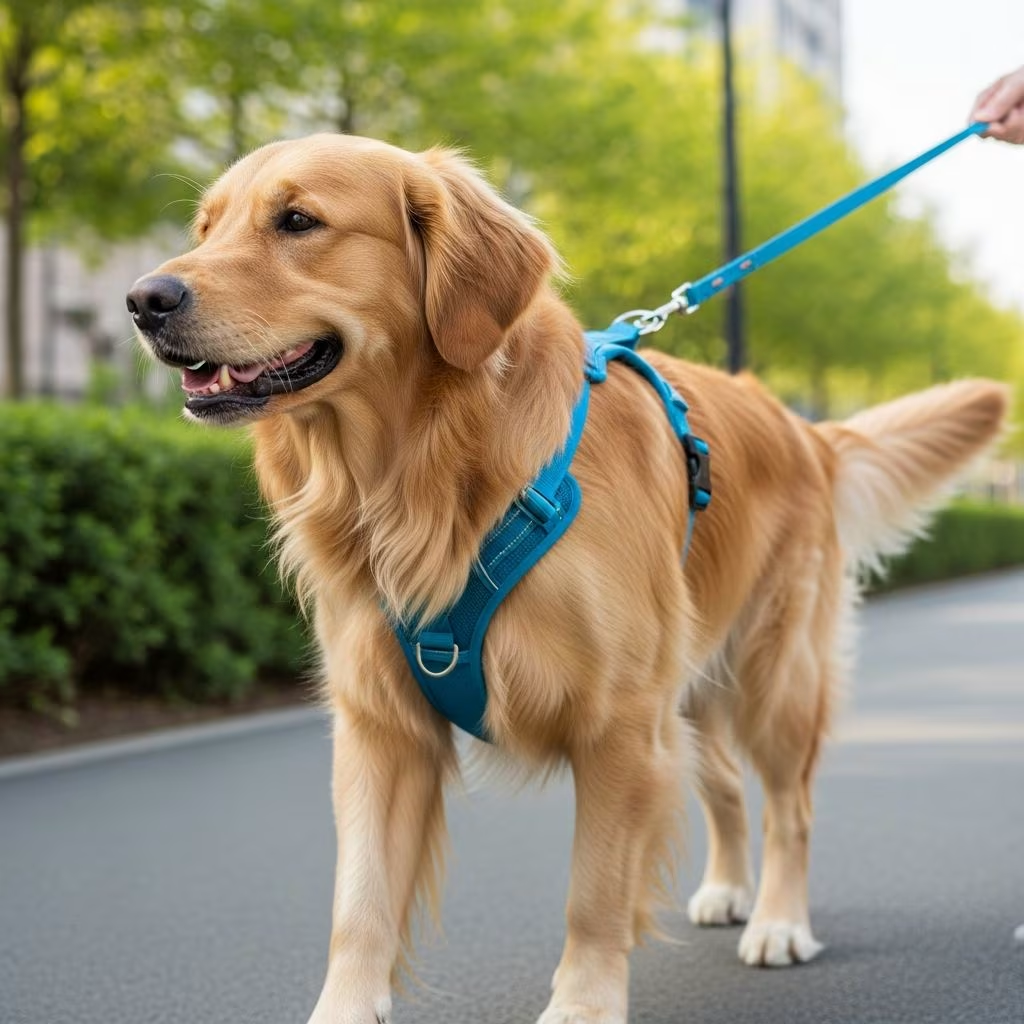
Understanding Dog Pulling and Why Harnesses Matter
One of the most common challenges dog owners face is managing excessive leash pulling during walks. Whether you have a small, energetic puppy or a large, powerful breed, pulling on the leash can make walks frustrating, unsafe, and unenjoyable for both you and your canine companion. Traditional collars can put uncomfortable pressure on a dog’s neck and throat, potentially causing injury or discomfort. This is where no-pull harnesses come into play as a humane and effective solution.
No-pull harnesses are specifically designed to redirect a dog’s pulling behavior without causing pain or restriction. Unlike standard harnesses or collars, these specialized devices work by applying gentle pressure to the dog’s chest and shoulders when they pull, naturally encouraging them to slow down and walk beside you. The result is a more controlled, enjoyable walking experience for both dog and owner.
Understanding how these harnesses work and choosing the right one for your dog is essential for successful leash training. Different harnesses suit different dogs based on size, temperament, and pulling intensity. Let’s explore the four best no-pull dog harnesses available today that can transform your daily walks.
What to Look for in a No-Pull Harness
Before diving into our top recommendations, it’s important to understand the key features that make a no-pull harness effective and comfortable for your dog.
Front-Clip Design
The most effective no-pull harnesses feature a front-clip attachment point on the chest rather than a back attachment. When your dog pulls, the front-clip design gently steers their chest to the side, which naturally slows them down and discourages pulling behavior. This is more effective than back-clip harnesses, which can actually encourage pulling.
Proper Padding and Comfort
Dogs wear harnesses for extended periods during walks, so comfort is paramount. Look for harnesses with adequate padding around the neck, chest, and back areas. Padding prevents chafing, reduces pressure points, and distributes force evenly across your dog’s body, making the walking experience more pleasant.
Adjustability and Fit
Every dog has a unique body shape and size. The best no-pull harnesses offer multiple adjustment points that allow you to achieve a snug yet comfortable fit. A properly fitted harness should be tight enough that your dog cannot wiggle out of it, but loose enough to allow full range of motion and comfortable breathing.
Durability and Quality Materials
Your harness will experience regular wear and tear, so durability matters. Quality harnesses are made from sturdy nylon, reinforced stitching, and metal hardware that can withstand years of use. This investment pays off in the long run as a durable harness lasts much longer than cheaper alternatives.
The 4 Best No-Pull Dog Harnesses
1. PetSafe Easy Walk Comfort Harness
Best Overall Choice for Most Dogs
The PetSafe Easy Walk Comfort Harness stands out as our top overall recommendation for dog owners seeking an effective, affordable, and user-friendly no-pull solution. This harness has earned recognition from professional dog trainers, shelters, and veterinarians for its exceptional performance across various dog sizes and pulling intensities.
Key Features:
– Front-clip design that gently redirects pulling behavior- Martingale loop feature that prevents escaping and enhances effectiveness- Light neoprene padding on neck, chest, and back for comfort- Five adjustment points for customized fit on dogs of all sizes- Reflective stitching for enhanced nighttime visibility- Neck buckle eliminates the need to pull the harness over your dog’s head- Y-shaped nylon construction allows full range of motion
Why We Recommend It:
After extensive testing with dogs ranging from 14 to 80 pounds, the PetSafe Easy Walk proved its versatility and effectiveness. Professional volunteers at animal shelters were particularly impressed with how securely the harness fits, preventing even determined pullers from wiggling free. The adjustable design means you can achieve an ideal fit regardless of your dog’s body shape. At just $30 to $35, it’s also one of the most affordable premium harnesses on the market, making it an excellent value for the quality provided.
Dog trainers appreciate how the harness doesn’t interfere with shoulder movement, allowing dogs to walk naturally while still maintaining control. The padding ensures comfort during extended wear, and the reflective stitching adds an important safety feature for evening walks.
2. Ruffwear Front Range Dog Harness
Best Padded Harness for Maximum Comfort
For dog owners who prioritize comfort and are willing to invest in a premium product, the Ruffwear Front Range Dog Harness offers exceptional padding and durability. This harness is designed with active dogs in mind and works equally well for training and everyday adventures.
Key Features:
– Premium padding throughout for maximum comfort- Durable construction built to withstand rigorous use- Multiple attachment points for training versatility- Reflective trim for visibility- Designed for both training and recreational use- Comfortable fit without sacrificing control
Why We Recommend It:
Ruffwear has built a reputation for creating high-quality pet gear, and the Front Range Harness is no exception. The generous padding makes this ideal for dogs who will wear the harness for extended periods or during intense activities. While priced higher than budget options, the superior comfort and durability justify the investment for serious dog owners.
3. Blue-9 Pet Products Balance Harness
Best for Natural Movement and Professional Training
The Blue-9 Pet Products Balance Harness earned respect from professional dog trainers and animal shelter staff for its innovative Y-neck design that promotes natural movement while maintaining excellent control over strong pullers.
Key Features:
– Y-shaped nylon design prevents shoulder strap crossing- Eliminates pinching under armpits- Promotes natural shoulder movement during walks- Five adjustment points for all dog sizes- Neck buckle for easy on-and-off without pulling harness over head- Full range of motion without restriction
Why We Recommend It:
Professional dog trainer Robyn Socarro emphasized that the Balance Harness “is great for daily performance, and it doesn’t interfere with the dog’s shoulder movement.” This is particularly important for dogs with shoulder issues or those who participate in activities requiring full mobility. Shelter staff noted that the harness makes managing untrained or anxious shelter dogs significantly easier compared to standard equipment. The thoughtful Y-shaped design eliminates common issues like shoulder strap crossing and armpit pinching that plague many conventional harnesses.
4. PoyPet No-Pull Dog Harness
Best Harness with Handle for Extra Control
The PoyPet No-Pull Dog Harness is an excellent choice for owners who want additional control options, particularly those with large, powerful breeds or dogs requiring extra assistance during walks or transitions.
Key Features:
– Sturdy handle on the back for direct control- Front-clip design for chest steering- Multiple adjustment points for proper fit- Durable construction suitable for powerful pullers- Additional handle provides extra stability
Why We Recommend It:
The built-in handle makes the PoyPet particularly valuable for specific situations. You can use the handle to help your dog up stairs, into vehicles, or through crowded areas where you need immediate physical control. This added feature makes it especially practical for owners of large breeds, senior dogs requiring mobility assistance, or dogs with reactive tendencies where quick directional control becomes necessary.
Comparison of Top No-Pull Harnesses
| Harness Model | Price Range | Best For | Key Feature | Comfort Level |
|---|---|---|---|---|
| PetSafe Easy Walk Comfort | $30-$35 | Most dogs, budget-conscious buyers | Martingale loop, front-clip | Good with neoprene padding |
| Ruffwear Front Range | $60-$80 | Premium comfort seekers | Superior padding throughout | Excellent premium comfort |
| Blue-9 Balance Harness | $40-$50 | Professional training, natural movement | Y-shaped design, shoulder-friendly | Very good, promotes natural gait |
| PoyPet No-Pull | $25-$40 | Large breeds, extra control needed | Built-in handle on back | Good with handle support |
How to Properly Fit Your No-Pull Harness
Selecting the right harness is only half the battle. Proper fitting is crucial for both safety and effectiveness. An ill-fitting harness won’t function properly and can cause discomfort or allow your dog to escape.
Measuring Your Dog
Before purchasing, accurately measure your dog’s chest and neck. Most manufacturers provide sizing charts that correlate measurements to size categories. Measure around the widest part of your dog’s chest and around their neck where the harness will sit.
Achieving the Right Tightness
Once fitted, you should be able to fit two fingers between the harness and your dog’s body. This ensures the harness is snug enough to prevent escape but loose enough for comfortable breathing and movement. Check the fit regularly, especially as puppies grow or adult dogs experience weight fluctuations.
Adjustment Points
Use all available adjustment points to customize the fit for your dog’s unique body shape. Some dogs may need adjustments at the neck, chest, or back areas. Take time to find the optimal configuration, and don’t hesitate to readjust as needed.
Training Tips for Using No-Pull Harnesses
A no-pull harness is a tool that works best when combined with consistent training. Here are essential tips for success:
Start Gradually
Introduce the harness to your dog in a positive, low-pressure environment. Let them wear it indoors for short periods before taking walks. Use treats and praise to create positive associations with the harness.
Practice Consistent Techniques
When your dog pulls, stop walking and wait for slack in the leash. Reward calm, loose-leash walking with treats and praise. Consistency is key to reinforcing desired behavior.
Use Appropriate Leash Length
A 4-6 foot leash provides optimal control while allowing reasonable freedom. Avoid retractable leashes, which can encourage pulling and reduce your ability to maintain control.
Stay Patient
Behavioral change takes time. Don’t expect immediate perfection. Celebrate small improvements and maintain a positive attitude throughout the training process.
Frequently Asked Questions (FAQs)
Q: Are no-pull harnesses safe for all dog breeds?
A: Yes, no-pull harnesses are generally safe for all breeds when properly fitted. However, they’re particularly beneficial for large breeds and powerful pullers. Always ensure the harness fits correctly and allows full range of motion.
Q: Can puppies use no-pull harnesses?
A: Many no-pull harnesses come in sizes suitable for puppies. Starting young can help prevent pulling behavior from developing. Choose harnesses with adjustable sizing to accommodate growth.
Q:** Do no-pull harnesses hurt my dog?
A: Properly fitted no-pull harnesses don’t hurt dogs. They apply gentle pressure to redirect behavior rather than restrict. The padding and design distribute pressure evenly across the chest and back.
Q: How long does it take to see results with a no-pull harness?
A: Many dogs show improvement within the first few walks. However, establishing long-term loose-leash walking habits may take weeks of consistent training and positive reinforcement.
Q: Can I use a no-pull harness for dog running or jogging?
A: Most no-pull harnesses are designed primarily for walking and training. For running or jogging, consult your veterinarian and consider harnesses specifically designed for high-activity use.
Q: How do I clean and maintain my no-pull harness?
A: Most harnesses can be hand-washed with mild soap and water. Check the manufacturer’s instructions, as some may be machine-washable. Allow to air dry completely before use. Regular inspection ensures the hardware and stitching remain in good condition.
Making the Right Choice for Your Dog
Choosing the best no-pull harness depends on several factors including your dog’s size, pulling intensity, your budget, and your specific needs. The PetSafe Easy Walk Comfort Harness offers the best overall value for most dog owners, combining affordability, effectiveness, and comfort. For those prioritizing maximum comfort and durability, the Ruffwear Front Range is worth the investment. If you have a dog requiring natural shoulder movement or prefer professional-grade equipment, the Blue-9 Balance Harness excels. Finally, the PoyPet with its convenient handle suits owners of large breeds or those needing extra control options.
Regardless of which harness you choose, remember that consistency with training, patience, and positive reinforcement are equally important as the equipment itself. A well-fitted no-pull harness combined with proper training techniques will transform your walking experience and strengthen your bond with your canine companion.
References
- Best No-Pull Dog Harnesses, Tested and Reviewed — Business Insider. 2024. https://www.businessinsider.com/guides/pets/best-no-pull-dog-harness
- Best Affordable No-Pull Dog Harness — Whole Dog Journal. 2024. https://www.whole-dog-journal.com/lifestyle/dog-gear/best-affordable-no-pull-dog-harness/
- The 5 Best No-Pull Harness for Dogs 2025 — Alpine Dog Co. 2025. https://alpinedogco.ca/blogs/dog/the-best-no-pull-harness-for-dogs
- We Tested 12 No-Pull Dog Harnesses To See Which Ones Work — Go Pet Friendly. 2024. https://www.gopetfriendly.com/blog/no-pull-dog-harnesses/
- Dog Harnesses: Strong & Secure — Ruffwear. 2025. https://ruffwear.com/collections/dog-harnesses
- The Best Dog Harnesses of 2025 — GearJunkie. 2025. https://gearjunkie.com/dogs/best-dog-harness



