

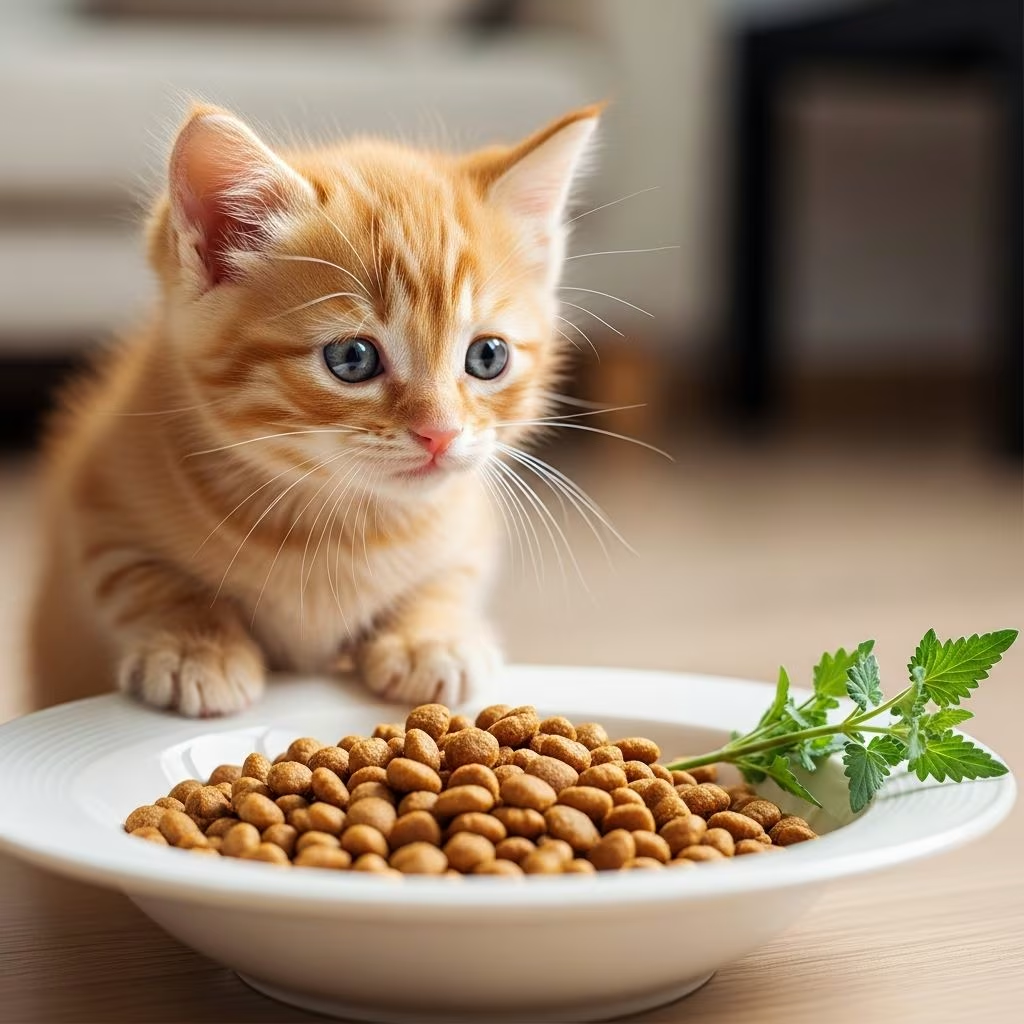
Kittens require specialized nutrition to fuel their explosive growth phase, which occurs primarily in the first year of life. Selecting the right food ensures they receive elevated levels of protein, fats, and essential nutrients like DHA for brain development and taurine for heart health.
Essential Nutrients for Kitten Development
Unlike adult cats, kittens demand higher caloric density and specific building blocks to support muscle formation, bone strengthening, and organ maturation. Prioritize diets with at least 35-50% protein on a dry matter basis from animal sources, as kittens are obligate carnivores needing these for tissue repair and energy.
- Protein: Fundamental for lean muscle growth; aim for animal-derived sources to provide complete amino acid profiles.
- Fats: Supply concentrated energy for play and exploration; include omega-3s like DHA for vision and cognitive function.
- Taurine: Critical amino acid cats cannot produce; supports cardiac function, eyesight, and digestion.
- Calcium and Phosphorus: Balanced ratios promote strong skeletal development without excesses that could harm kidneys.
- Vitamins E and C: Bolster immune defenses during vulnerable early months.
Commercial kitten formulas are engineered to meet these elevated needs, far surpassing adult cat foods in protein (typically 30% less) and energy content.
Age-Appropriate Feeding Stages
Kitten nutritional requirements evolve rapidly. From birth to weaning around 4-8 weeks, they rely on mother’s milk or kitten milk replacers (KMR), never cow’s milk due to lactose intolerance risks[10].
Weaning Period (4-8 Weeks)
Introduce soft, gruel-like foods by mixing KMR with wet kitten food to ease the transition. Textures like mousse or pate prevent choking and aid digestion in tiny mouths. Monitor weight gain closely; underweight kittens may need calorie-dense supplements under veterinary guidance.
Post-Weaning (8 Weeks to 4 Months)
Shift to complete kitten wet or dry foods. Wet options provide hydration (crucial as kittens drink less instinctively), while dry kibble builds dental health if offered with toppers. Combine both for variety and balanced moisture intake.
Juvenile Phase (4-12 Months)
As kittens approach adulthood, gradually introduce junior or all-life-stages formulas. By 10-12 months, most can transition to adult maintenance diets, though large breeds may need extended kitten food.
Daily Calorie and Feeding Guidelines
Kittens consume 2-3 times more calories per pound than adults to accommodate growth spurts. Use body weight and activity level to adjust portions, always following label guidelines and consulting vets for individuals.
| Age (Months) | Avg. Weight (lbs) | Daily Calories | Meals per Day |
|---|---|---|---|
| 2 | 2 | 150 | 3-4 |
| 3 | 3 | 200 | 3 |
| 4 | 4.5 | 300 | 3 |
| 6 | 6.5 | 400 | 2-3 |
| 9 | 8 | 460 | 2 |
| 12 | 9-10 | 500 | 2 |
Note: Calorie needs vary by food density; e.g., a high-calorie dry food like certain chicken recipes may require smaller volumes than lower-density options. Weigh food daily to prevent obesity, a common issue with free-feeding dry kibble.
Meal Feeding vs. Free Feeding
Meal feeding—dividing daily allotments into 3-4 portions for young kittens—promotes portion control, hydration, and digestive regularity. Free feeding risks overconsumption and dehydration, especially with dry-only diets. Space meals every 6-8 hours initially, reducing to twice daily by 6 months.
- Benefits of wet food inclusion: 70-80% moisture mimics natural prey, supporting urinary health.
- Observe appetite: Active kittens may devour meals; finicky eaters benefit from warmed food or toppers.
Selecting Top-Quality Kitten Foods
Opt for AAFCO-labeled ‘complete and balanced for growth’ formulas. Check guarantees: protein >30%, fat >18% (dry matter), low carbs (<10% ideal for carnivores). Avoid grain-heavy or plant-protein dominant foods lacking proven feline benefits.
Wet Food Recommendations
- Tender chicken medleys with taurine for heart/vision support.
- Slices in gravy with prebiotics for gut health.
Dry Food Options
- Chicken-based kibble with probiotics and digestible fibers.
- Shredded blends for texture appeal and nutrient density.
Transition new foods over 7-10 days by mixing 25% new with 75% old, increasing gradually to monitor tolerance.
Common Nutrition Pitfalls to Avoid
Overfeeding leads to lifelong obesity; underfeeding stunts growth. Dairy products cause diarrhea in 70% of kittens. Human foods like onions, chocolate, or grapes are toxic—stick to vet-approved kitten diets.
- Hydration: Always provide fresh water; wet food helps but doesn’t replace it.
- Supplements: Unnecessary in balanced commercial foods; excess vitamins/minerals harm organs.
- Special Needs: Orphans, strays, or those with health issues require vet-customized plans[10].
Monitoring Your Kitten’s Health Through Diet
Regular weigh-ins, shiny coat, bright eyes, firm stools, and high energy signal success. Adjust if diarrhea, lethargy, or poor coat appears—often diet-related. Annual vet checkups confirm nutritional adequacy via bloodwork.
Frequently Asked Questions
When can kittens start eating solid food?
Around 4 weeks, begin with softened wet food mixed with KMR, fully transitioning by 8 weeks.
Is dry food okay for kittens?
Yes, after weaning, but pair with wet for hydration; choose kitten-specific formulas.
How much wet food for a 3-month-old kitten?
About 5-6 ounces daily, split into meals, equating to ~200 calories—verify with can labels.
Can I mix wet and dry kitten food?
Absolutely; use dry as a topper on wet for palatability and dental benefits.
At what age switch to adult cat food?
Typically 10-12 months, or later for larger breeds.
Long-Term Benefits of Proper Early Nutrition
Investing in kitten-specific diets lays the foundation for disease resistance, ideal weight, and longevity. Studies link early high-protein feeding to better muscle mass and metabolic health into seniority.
By tailoring intake to growth stages, you’ll nurture a vibrant, healthy companion for years.
References
- Nurturing your New Kitten: A Guide to Kitten Nutrition — Tiki Pets. 2023. https://tikipets.com/nurturing-your-new-kitten-a-guide-to-kitten-nutrition/
- Feeding Kittens 101: What To Feed, How Much, and How Often — PetMD. 2024. https://www.petmd.com/cat/nutrition/feeding-kittens-101-what-feed-how-much-and-how-often
- Kitten Feeding Guide: How Much to Feed a Kitten — SHEBA. 2023. https://www.sheba.com/lifestyle/how-much-to-feed-a-kitten
- Kitten Nutrition — UK Pet Food. 2022. https://www.ukpetfood.org/pet-care-advice/cat-health-nutrition-advice/feeding-guides-for-cats-kittens/kitten-nutrition-created-as-a-page.html
- Kitten Care 101: Vet Approved Guide for the First Year — MedVet. 2024. https://www.medvet.com/kitten-care-101-vet-approved-guide/
- Cat and Kitten Nutrition 101 — Small Door Veterinary. 2023. https://www.smalldoorvet.com/learning-center/nutrition/cat-kitten-nutrition-101



