

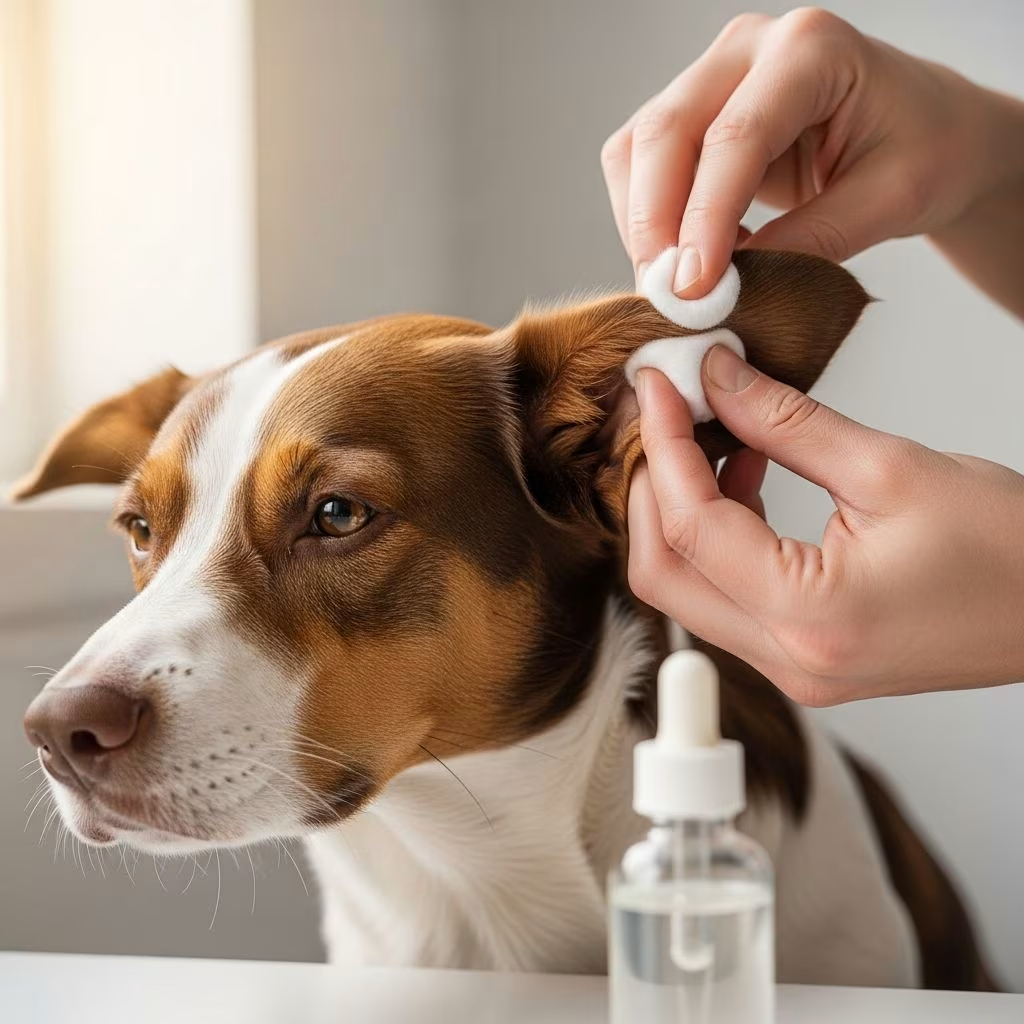
Best Homemade Dog Ear Cleaning Solutions
Maintaining your dog’s ear health is an essential part of responsible pet ownership. Regular ear cleaning helps prevent infections, removes excess wax and debris, and keeps your furry friend comfortable. While commercial ear cleaning products are readily available, many pet owners prefer homemade solutions made from natural ingredients they can control and trust. Creating your own ear cleaning solution is not only cost-effective but also allows you to avoid potentially harmful chemicals and synthetic fragrances.
Why Regular Dog Ear Cleaning Matters
Dogs, especially those with floppy ears or long ear hair, are susceptible to ear infections and wax buildup. Regular cleaning helps maintain proper ear hygiene and prevents common issues such as yeast infections, bacterial infections, and ear mites. By establishing a routine cleaning schedule and using effective solutions, you can significantly reduce the risk of your dog developing painful ear problems that may require expensive veterinary treatment.
The ear canal in dogs is L-shaped, making it prone to trapping moisture and debris. This unique anatomy makes regular cleaning particularly important, as accumulated dirt and moisture create an ideal environment for bacterial and fungal growth. Cleaning your dog’s ears every two to four weeks, or as recommended by your veterinarian, can help prevent these complications.
Essential Supplies for Homemade Ear Cleaning
Before you begin making your homemade ear cleaning solution, gather the necessary supplies to ensure a safe and effective cleaning process. Having all materials ready will make the experience more comfortable for both you and your dog.
- Cotton balls or gauze pads – Use soft, lint-free cotton for gentle wiping without causing irritation
- Sterile dropper or syringe – Essential for applying the solution directly into the ear canal
- Soft towel – Protects your clothing and surroundings from solution drips
- Homemade cleaning solution – Made from natural ingredients of your choice
- Treats or rewards – Help keep your dog calm and cooperative during the cleaning process
- Ear drying powder (optional) – Helps absorb excess moisture after cleaning
Avoid using Q-tips or cotton swabs, as these can potentially damage the delicate eardrum if inserted too deeply. Never use alcohol-based solutions unless properly diluted, as they can cause irritation and discomfort to your dog’s sensitive ears.
Top Homemade Dog Ear Cleaning Solutions
Creating effective ear cleaning solutions at home is simple and requires only common household ingredients. Here are the most popular and effective homemade options recommended by veterinarians and pet care professionals.
Apple Cider Vinegar Solution
Apple cider vinegar is one of the most popular ingredients for homemade dog ear cleaners due to its natural antibacterial and antifungal properties. This solution is particularly effective for maintaining ear health and preventing minor infections. To prepare this solution, mix equal parts distilled water and apple cider vinegar (preferably organic with 2% to 2.5% acetic acid). The correct ratio is essential—using too much vinegar can irritate sensitive ears.
Using a dropper, gently apply a few drops of the vinegar solution into your dog’s ear canal. Avoid using this solution if your dog’s ears are already inflamed, irritated, or have open sores, as the acidity may cause additional discomfort. This solution works best for routine maintenance cleaning and post-swimming ear care.
Witch Hazel and Aloe Vera Mix
This soothing combination is excellent for dogs with sensitive ears or mild inflammation. Witch hazel has natural astringent properties that help reduce moisture and inflammation, while aloe vera provides soothing relief. To create this solution, mix equal parts witch hazel and aloe vera juice—one tablespoon of each typically provides enough for a single cleaning session.
The cooling and calming properties of this combination make it particularly beneficial for dogs that experience itching or discomfort. This solution is gentler than vinegar-based options and can be used more frequently without concern for irritation.
Chamomile Tea Rinse
Chamomile tea is an excellent natural remedy for ear cleaning and soothing irritated ears. Chamomile contains natural anti-inflammatory and antioxidant properties that can calm irritated ear canals and promote healing. To prepare this solution, brew a strong cup of chamomile tea and allow it to cool completely before use.
Once cooled, use a dropper to apply the chamomile tea solution into your dog’s ears. This gentle option is ideal for dogs with sensitive skin or those prone to ear irritation. You can also refrigerate the chamomile tea for a cooling effect that may provide additional comfort.
Green Tea Solution
Green tea offers powerful antioxidant and anti-inflammatory benefits that make it ideal for regular ear maintenance. Brew a strong cup of green tea, allow it to cool completely, and use it as a gentle ear rinse. The natural compounds in green tea help soothe irritated ears while promoting overall ear health.
This solution is gentle enough for frequent use and is often recommended by veterinarians for regular ear care. The antioxidants in green tea provide protective benefits beyond simple cleaning, making it an excellent choice for preventative maintenance.
Almond Oil Solution
Almond oil serves as an excellent natural ear cleaner, particularly effective for dissolving buildup of oil and wax inside the ear. This solution is best used when you notice visible oil or wax accumulation. Pour a small amount of almond oil into a cup and place it in a bowl of hot water to gently warm the oil before application.
Using a dropper, apply approximately half a teaspoon of warm almond oil into your dog’s ear canal and allow it to run down for about five seconds before massaging. The warmth helps the oil penetrate and dissolve stubborn wax more effectively. After application, gently massage the ear canal for thirty seconds, then remove excess oil with a soft cloth or special ear cleaning pad.
Boric Acid and Alcohol Solution
For those seeking a more medicated approach, a diluted boric acid and alcohol solution can be effective. Create this solution by mixing one part boric acid powder with three parts diluted alcohol, then add a small amount of water to ensure it remains gentle. This option should be used cautiously and only on healthy ears without irritation or open wounds.
Step-by-Step Guide to Cleaning Your Dog’s Ears
Proper technique is essential for safe and effective ear cleaning. Follow these steps to ensure you clean your dog’s ears thoroughly without causing discomfort or injury.
Step 1: Prepare Your Dog and Environment
Choose a calm moment when your dog is relaxed and in a familiar, comfortable environment. Having treats or rewards on hand can help keep your dog cooperative throughout the process. Allow your dog to become accustomed to the cleaning routine by gently handling their ears a few days before you begin.
Step 2: Inspect the Ears
Before applying any solution, carefully inspect your dog’s ears for signs of infection, inflammation, excessive redness, or unusual discharge. If you notice signs of infection such as foul odor, yellow or brown discharge, or significant inflammation, consult your veterinarian before attempting home cleaning. Normal ear cleaning should only proceed on healthy ears without these warning signs.
Step 3: Hold the Ear Flap Correctly
Gently lift your dog’s ear flap upward to straighten the ear canal. This positioning allows the cleaning solution to flow properly into the ear canal and ensures complete contact with the inner ear structures.
Step 4: Apply the Cleaning Solution
Using a dropper or small syringe, apply a small amount of your chosen homemade solution into the ear canal. Do not insert the dropper tip directly into the ear, as this risks causing injury or introducing bacteria. Instead, hold the dropper just above the opening and allow the solution to flow in naturally. Only apply a few drops—you don’t need to flood the ear with solution.
Step 5: Massage the Ear Base
Gently massage the base of your dog’s ear with your thumb and forefinger for twenty to thirty seconds. This massage action helps the cleaning solution break down wax and debris throughout the ear canal. You will likely hear a squishy or squishing sound, which indicates the solution is effectively working. If your dog seems uncomfortable during this step, pause and allow them to relax before continuing.
Step 6: Allow Your Dog to Shake
Let your dog shake their head vigorously. This natural shaking motion is crucial—it helps expel the loosened debris and excess solution from the ear canal. This is where the towel becomes particularly useful, as it protects you and your surroundings from spray.
Step 7: Wipe Away Debris
Using a soft cotton ball or gauze pad, gently wipe the inner part of the ear flap and outer ear canal. Work from the base of the ear toward the tip to efficiently remove loosened wax and dirt. Never insert anything deeper than half an inch into the ear canal, as this risks damaging the delicate eardrum.
Step 8: Allow Ears to Dry
Fold back your dog’s ears and allow them to air dry for approximately five minutes. Proper drying is important to prevent moisture from creating an environment for bacterial or fungal growth. You may optionally apply a veterinary-approved ear drying powder to absorb any remaining moisture.
Best Practices and Safety Guidelines
Following these guidelines ensures safe and effective ear cleaning for your dog.
Cleaning Frequency
Most dogs benefit from ear cleaning every two to four weeks as routine maintenance. However, dogs that swim frequently or have floppy ears may require more frequent cleaning. Always follow your veterinarian’s specific recommendations based on your dog’s individual needs and ear health history.
Do’s and Don’ts
| Do | Don’t |
|---|---|
| Stick to vet-approved or gentle natural solutions | Use undiluted vinegar or harsh chemicals |
| Inspect ears before cleaning | Clean infected or inflamed ears at home |
| Use cotton balls or gauze for wiping | Insert Q-tips or cotton swabs into ear canal |
| Allow ears to dry completely after cleaning | Leave ears damp or use alcohol-based solutions |
| Use gentle massage technique | Insert dropper tip directly into ear canal |
Signs Your Dog Needs Professional Veterinary Care
While homemade solutions work well for routine maintenance, certain situations require professional veterinary evaluation. Discontinue home cleaning and consult your veterinarian immediately if you notice:
- Persistent redness, swelling, or inflammation in or around the ears
- Foul-smelling discharge (yellow, brown, or bloody)
- Signs of pain when you touch the ears
- Excessive scratching or head shaking despite cleaning
- Visible ear mites or unusual parasites
- Hearing loss or balance problems
- Pus or fluid drainage from the ear canal
Professional veterinary care may include thorough cleaning under anesthesia, bacterial or fungal cultures, and prescription medications. Early intervention prevents ear infections from becoming chronic problems that are more difficult to treat.
Frequently Asked Questions
Q: Can I use baby wipes to clean my dog’s ears?
A: Yes, fragrance-free baby wipes can be used for gentle ear cleaning, though a liquid solution followed by cotton wipes is typically more effective for removing debris.
Q: How long does it take to see improvement with homemade ear cleaners?
A: Most dogs show improvement within one to two weeks of regular cleaning. However, persistent problems warrant veterinary evaluation.
Q: Is apple cider vinegar safe for all dogs?
A: Apple cider vinegar is generally safe when properly diluted, but avoid using it on ears with existing irritation or open wounds. Some dogs may be sensitive to the acidity.
Q: Can I store homemade ear cleaning solutions?
A: Most homemade solutions are best used fresh, but vinegar-based and tea-based solutions can be refrigerated for up to one week in a sealed container.
Q: What should I do if my dog resists ear cleaning?
A: Start slowly with gentle ear handling, use positive reinforcement and treats, and consider cleaning when your dog is naturally calm or tired. Professional groomers can also assist.
Q: Are there any oils I should avoid for dog ear cleaning?
A: Avoid avocado oil and grape seed oil, as these can be harmful to dogs. Stick to safe options like almond oil, olive oil, or plain vegetable oil.
Q: How do I know if my dog’s ears are clean?
A: Clean ears should appear pink with minimal visible wax or debris. Your dog should not exhibit scratching, head shaking, or odor from the ears.
References
- How to Clean Doggie Ears — Cooka’s Cookies. https://www.cookascookies.com/cookas-blog/how-to-clear-my-doggies-ears/
- Dog Ear Wash DIY: An Easy 9-Step Guide — Dawg Team Products. https://dawgteamproducts.com/dog-ear-wash-diy/
- How to Clean Your Dog’s Ears: Step by Step Guide — Oak Tree Veterinary Clinic. https://www.oaktreevet.net/how-to-clean-your-dogs-ears-step-by-step-guide/



