

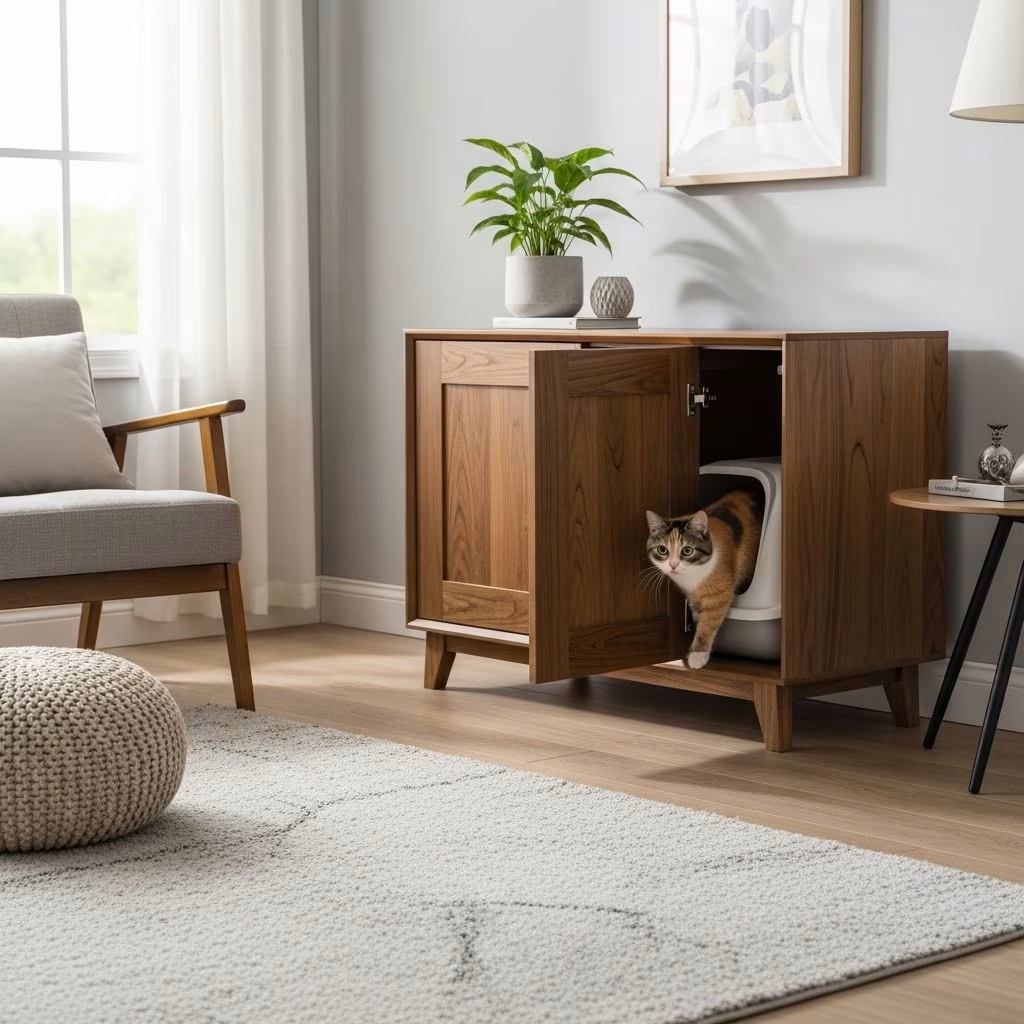
Best Hidden Litter Boxes and Litter Box Furniture
Cat owners often face a common challenge: how to keep a litter box in their home without it becoming an eyesore or a source of unpleasant odors. Hidden litter boxes and litter box furniture offer an elegant solution to this problem. These innovative products combine functionality with style, allowing you to maintain a beautiful home while providing your feline friend with a comfortable and private space to do their business. Whether you live in a small apartment or a spacious house, hidden litter box solutions can seamlessly blend into your decor while serving a practical purpose.
Why Choose Hidden Litter Boxes?
Hidden litter boxes and litter box furniture provide numerous advantages for both cats and their owners. Understanding these benefits can help you make an informed decision about whether a hidden litter box is right for your home.
Concealing the Mess
The primary reason most cat owners invest in hidden litter boxes is to conceal the visual mess of a traditional litter box. A standard litter box sitting openly in a room can detract from your home’s appearance, especially in living areas where guests might visit. Hidden litter box furniture keeps the litter box behind closed doors or within a stylish piece of furniture, maintaining a clean and organized appearance in your home. This is particularly valuable in small living spaces where a visible litter box can take up considerable visual real estate.
Reducing Odors
Another significant advantage of hidden litter boxes is their ability to contain and reduce odors. While regular scooping is essential for any litter box, enclosed solutions help trap unpleasant smells within the furniture, preventing them from permeating throughout your home. This is especially beneficial in open-concept living spaces or apartments where odor control is challenging. Quality litter box furniture often includes ventilation features that allow air circulation while still containing odors effectively.
Creating Privacy for Your Cat
Cats are naturally private creatures and prefer having a designated space where they can retreat to use their litter box without feeling exposed or vulnerable. Hidden litter boxes provide this sense of security and privacy, which is crucial for reducing stress and anxiety in cats. A well-designed enclosure allows your cat to feel safe while still maintaining awareness of their surroundings through openings or mesh panels. This balance between privacy and openness helps prevent behavioral issues like inappropriate elimination.
Enhancing Home Aesthetics
Hidden litter box furniture is designed to complement your home decor rather than clash with it. These pieces come in various styles, finishes, and materials that can match your existing furniture and interior design. Whether you prefer modern minimalist designs, rustic wood finishes, or elegant cabinetry, there’s a hidden litter box option that can enhance rather than detract from your home’s appearance.
Types of Hidden Litter Boxes
There are several categories of hidden litter box solutions available on the market, each offering different benefits and design considerations.
Litter Box Cabinets
Litter box cabinets are furniture pieces designed to look like traditional household cabinets while housing a litter box inside. These typically feature a door or panel that your cat can push open to access the box. Cabinet-style enclosures offer excellent odor control and completely conceal the litter box from view. They work well in bedrooms, living rooms, or any space where you want the litter box to be completely hidden.
Litter Box Benches and Ottomans
Functional furniture pieces like benches and ottomans serve dual purposes, providing seating or storage while hiding a litter box underneath or within. These options are ideal for small spaces where you want to maximize functionality. A litter box bench or ottoman can sit in an entryway, bedroom, or living room without drawing attention to its primary purpose.
Decorative Screens and Dividers
For those who prefer a less enclosed option, decorative screens and dividers offer a middle ground between a fully visible litter box and a completely enclosed furniture piece. These screens allow light and airflow while still concealing the litter box from most viewing angles. They’re an excellent choice for cats that might feel claustrophobic in fully enclosed spaces.
Side Tables and End Tables
Modern litter box furniture includes stylish side tables and end tables with hidden compartments for litter boxes. These pieces blend seamlessly into living room or bedroom decor while providing a practical solution for litter box placement. Many feature open sides or back panels to ensure adequate ventilation and easy cat access.
Important Design Considerations for Your Cat
While aesthetics are important, your cat’s comfort and safety must be the top priority when choosing hidden litter box furniture.
Adequate Space and Size
Cats need enough room to turn around, crouch, and cover their waste comfortably. When selecting hidden litter box furniture, ensure it’s large enough for your cat to move freely inside. Larger cat breeds especially need spacious enclosures to prevent feelings of claustrophobia. The general rule is that the litter box should be at least 1.5 times the length of your cat from nose to rear end.
Multiple Entry and Exit Points
The best litter box furniture designs include multiple entry and exit points, allowing your cat to escape quickly if needed. This prevents cats from feeling trapped and gives them a sense of control over their environment. Furniture with openings on both the front and back or side panels provides optimal safety and comfort.
Ventilation and Airflow
Proper ventilation is crucial for maintaining air quality inside the enclosure and preventing odor buildup. Look for furniture with ventilation slots, mesh panels, or grates that allow air circulation while still containing odors. Good ventilation also helps prevent moisture accumulation, which can lead to bacterial growth and unpleasant smells.
Easy Access and Visibility
Features like mesh panels, slots, and grates add light and visibility to the box, helping cats feel more secure when using enclosed litter box furniture. Cats prefer being able to see their surroundings while using the litter box, which helps them feel less vulnerable. Transparent or semi-transparent panels work well for this purpose.
Benefits for Multi-Cat Households
If you have multiple cats, hidden litter box furniture presents both advantages and challenges worth considering.
Advantages: Hidden litter boxes can help reduce territorial disputes by providing a defined space for elimination. They also make it easier to manage odors in homes with multiple cats that may be using the same box throughout the day.
Considerations: Some behaviorists recommend having one litter box per cat plus one additional box, which means multiple pieces of furniture may be needed in a multi-cat household. Ensure each cat has access to at least one box without having to navigate past other cats to reach it.
Keeping Your Hidden Litter Box Clean
Maintaining a hidden litter box requires the same dedication as caring for a traditional one.
- Daily Scooping: Scoop the litter box at least once or twice daily, more frequently in multi-cat households. This prevents odor buildup and encourages your cat to continue using the box.
- Weekly Deep Cleaning: Once a week, empty all litter, wipe down the box with a pet-safe cleaner, and refill with fresh litter.
- Furniture Maintenance: Keep the exterior furniture clean and free from dust. Wipe down doors and panels regularly to maintain appearance and prevent odor leakage.
- Litter Quality: Use high-quality, unscented clumping clay litter that controls odors effectively. Scented litters can be off-putting to cats and may encourage them to eliminate elsewhere.
Introducing Your Cat to Hidden Litter Box Furniture
Moving from a traditional litter box to a hidden one requires patience and a thoughtful introduction process.
Step 1: Place the new furniture in the location where your cat’s current litter box sits. Leave the old box accessible nearby for a few days.
Step 2: Gradually move the old litter box closer to the new furniture piece each day.
Step 3: Place some of the litter from the old box into the new enclosure so your cat recognizes the scent.
Step 4: Praise your cat quietly when they investigate or use the new litter box. Positive reinforcement encourages adoption of the new space.
Step 5: Once your cat consistently uses the new furniture, you can remove the old litter box.
Common Concerns About Hidden Litter Boxes
Do Cats Like Enclosed Litter Boxes?
Individual cat preferences vary significantly. Some cats, particularly those who enjoy small enclosed spaces, may prefer hidden litter boxes. However, less confident cats or those with a history of resource conflicts may prefer open litter boxes. Cats with anxiety may feel trapped in fully enclosed spaces, so choosing a design with multiple access points is important.
Will My Cat Refuse to Use an Enclosed Box?
Some cats may never feel comfortable with an enclosed litter box. If your cat refuses to use the furniture after a proper introduction period, it’s important to provide an alternative open litter box to prevent inappropriate elimination. Not all cats are suited for hidden litter box solutions, and your cat’s comfort should take precedence over aesthetics.
Can Hidden Litter Boxes Cause Behavioral Issues?
Cats experiencing stress or anxiety about their litter box environment may exhibit behavioral problems such as urinating outside the box or avoiding elimination altogether. This is why proper design with adequate space, ventilation, and multiple access points is crucial. If behavioral issues develop after introducing a hidden litter box, return to an open box solution.
Best Practices for Litter Box Placement
The location of your hidden litter box furniture is just as important as the furniture itself.
- Quiet Location: Place the litter box away from high-traffic areas, loud appliances, and sources of sudden noise that may startle your cat.
- Separate from Food and Water: Cats naturally prefer to eliminate away from where they eat and drink. Keep the litter box in a different room or area from food and water bowls.
- Easy Access: Ensure your cat can reach the litter box without navigating through obstacles or past other pets. Multiple access points are important in multi-pet households.
- Discretion: For a cohesive look, place the enclosure in a corner or against a wall, and use additional decorative screens or furniture to further disguise it if desired.
- Ventilation: Choose a location with adequate air circulation to help dissipate odors naturally.
Frequently Asked Questions
Q: Can large cats fit comfortably in hidden litter box furniture?
A: Yes, but you need to select appropriately sized furniture. Many manufacturers offer larger enclosures specifically designed for big breeds. Ensure the box is at least 1.5 times your cat’s body length and tall enough for them to stand upright comfortably.
Q: How often should I replace the litter in a hidden litter box?
A: Completely replace the litter at least once a week, or more frequently in multi-cat households or if you notice odor accumulation. Daily scooping helps extend the time between full replacements.
Q: Will hidden litter box furniture reduce all odors in my home?
A: Hidden litter boxes significantly reduce odors by containing them within the furniture, but regular scooping and maintenance remain essential. No enclosure can completely eliminate odors without proper cleaning routines.
Q: What should I do if my cat refuses to use the hidden litter box?
A: Allow your cat time to adjust, but if refusal persists, provide an open litter box alternative. Some cats simply prefer traditional boxes, and forcing them to use an enclosed option may lead to behavioral problems.
Q: Can I use hidden litter box furniture in apartments?
A: Absolutely. Hidden litter box furniture is especially beneficial in apartments where space is limited and odor control is important for maintaining good relationships with neighbors.
Q: Are there hidden litter boxes suitable for senior cats?
A: Yes, but ensure easy entry without high barriers or complicated access points. Senior cats may have mobility issues, so furniture with low thresholds and multiple access points is ideal.
References
- The Benefits of a Cat Litter Cabinet — PrettyLitter. 2024. https://www.prettylitter.com/blog/the-benefits-of-a-cat-litter-cabinet
- Reducing Cat Stress: Litter Box Enclosures — VistaGato. 2024. https://vistagato.com/blogs/cat-litter-odor-control/reducing-cat-stress-with-litter-box-enclosures
- The Best Litter Box Enclosures in 2025 — Business Insider. 2025. https://www.businessinsider.com/guides/pets/best-litter-box-enclosures



