

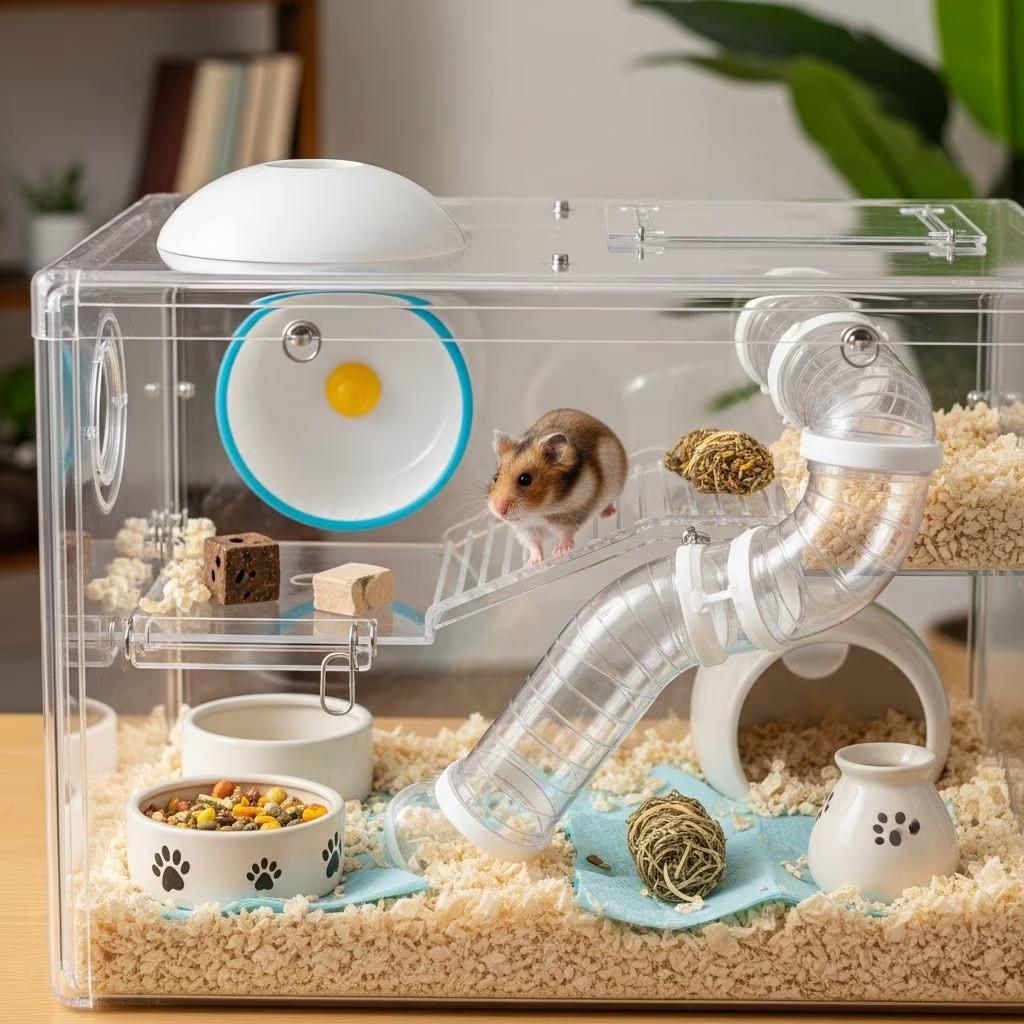
Choosing the right hamster cage is one of the most important decisions you’ll make as a hamster owner. Your pet’s home directly impacts their health, happiness, and overall well-being. A properly sized cage with appropriate features allows your hamster to exhibit natural behaviors like burrowing, nesting, and exploring. Whether you’re a first-time hamster parent or an experienced owner looking to upgrade your current setup, understanding what makes an ideal hamster cage is essential for providing the best possible care.
Understanding Your Hamster’s Species
Before selecting a cage, it’s crucial to identify your hamster’s species, as different breeds have varying size and space requirements. The two most common pet hamster types are Syrian hamsters and dwarf hamsters, each with distinct needs that should guide your cage selection.
Syrian Hamsters
Syrian hamsters are the largest commonly kept hamster breed and are significantly more active than their smaller cousins. These solitary creatures require substantial space to run, burrow, and explore. A proper Syrian hamster cage should provide at least 900 square inches of continuous floor space, with a minimum height of 24 inches. This ample space prevents stress-related behaviors and allows your hamster to maintain healthy activity levels. Syrian hamsters also benefit from deeper bedding, which supports their natural burrowing instincts and helps them feel secure in their environment.
Dwarf and Chinese Hamsters
Dwarf hamsters, including Roborovski and Campbell’s Russian dwarf varieties, are much smaller than Syrian hamsters and have different spatial requirements. These breeds should have at least 700 square inches of floor space with a cage height of 24 inches. However, the critical difference lies in bar spacing. Dwarf hamsters require significantly tighter bar spacing—typically ¼ inch or smaller—to prevent escape and injury, as their petite bodies can slip through wider gaps.
Essential Cage Requirements
Floor Space and Dimensions
One of the most important aspects of hamster cage selection is providing adequate floor space. Modern veterinary recommendations emphasize that bigger is always better when it comes to hamster habitats. The minimum floor space requirements mentioned above should be considered baseline recommendations, not ideal standards. Many experienced hamster owners opt for even larger enclosures when possible, as extra space allows for enrichment items, multiple hideouts, and greater activity areas.
Bedding Depth
All hamster cages must allow for multiple inches of bedding—ideally between 6 to 10 inches depending on your hamster’s species and your cage design. This depth is essential for promoting natural burrowing behavior and reducing fall-related injuries. Hamsters spend a significant portion of their day burrowing, and providing adequate substrate depth is crucial for their psychological and physical well-being.
Bar Spacing and Material
Wire bar spacing is a critical safety consideration. For larger hamsters like Syrians, veterinarians recommend bar spacing of no greater than ⅜ inch. For dwarf breeds, tighter ¼-inch spacing is necessary to prevent escape attempts and potential injuries. The bars themselves should be made from durable, rust-resistant materials that can withstand daily gnawing and moisture from bedding.
Ventilation
Proper airflow is essential for maintaining a healthy hamster habitat. Wire-topped cages provide excellent ventilation, preventing ammonia buildup from urine and bedding degradation. If you use a solid-bottomed enclosure with a wire top, ensure the openings are sufficient to support adequate air circulation throughout the cage.
Types of Hamster Cages
Hybrid Cages
Hybrid hamster cages feature a deep plastic or glass base combined with wire-topped sections. This design combines the best of both worlds—a solid foundation that allows for deep bedding and natural burrowing, plus wire sides and tops that ensure proper ventilation. Hybrid cages are particularly popular among modern hamster enthusiasts and come in numerous sizes and styles.
Traditional Bar Cages
Classic wire bar cages with plastic bottoms remain a popular choice for hamster owners. These cages are typically easy to clean, offer good ventilation, and come in various sizes. Modern bar cage designs often incorporate features like multiple levels, integrated hideouts, and front-opening doors for easier access.
Glass Aquariums and Tanks
Glass aquariums or tanks can serve as effective hamster habitats, particularly 40-gallon breeder tanks or larger. These enclosures excel at supporting deep bedding for burrowing and are available in large sizes. The main consideration is ensuring adequate ventilation through a secure, well-designed wire top to prevent respiratory issues.
Acrylic and Plastic Enclosures
Modern acrylic and plastic enclosures offer an elegant alternative to traditional cages. These transparent or semi-transparent structures allow excellent viewing of your hamster while they burrow and explore. High-quality acrylic enclosures support deep bedding and come in various configurations, including corner units and expandable designs.
Wooden and DIY Enclosures
Some hamster owners create or purchase wooden enclosures, often made with materials like MDF or FSC wood. These rustic-style habitats can accommodate large floor spaces and deep bedding while maintaining an aesthetic appeal. Proper sealing and maintenance are essential to prevent moisture damage and ensure longevity.
Top Recommended Hamster Cages
Prevue Pet Products Deluxe Hamster Home
The Prevue Pet Products Deluxe Hamster Home stands out as a top overall choice for hamster housing. This cage combines hamster-friendly design with durable materials and ease of maintenance. Its ⅜-inch wire spacing is ideal for larger hamsters while preventing escape and injury. The straightforward design provides ample space for comfort, and the quality construction ensures long-lasting durability for your investment.
Niteangel Bigger World and Vista
The Niteangel Bigger World and Vista enclosures have become favorites among hamster enthusiasts worldwide. Available in multiple sizes, these cages provide substantial floor space—the medium size offers approximately 780 square inches, while the large size provides about 940 square inches. These hybrid-style enclosures support deep bedding for natural burrowing and feature front-opening doors for convenient access.
PawHut Hamster Cage
The PawHut Hamster Cage represents a stylish modern upgrade from traditional small animal homes. Its spacious glass base accommodates deep bedding for natural burrowing, while the wire top ensures proper ventilation and provides climbing opportunities. This cage appeals to owners seeking both functionality and aesthetic appeal in their hamster’s habitat.
Savic Hamster Heaven Metro
The Savic Hamster Heaven Metro Hamster Cage truly lives up to its name as a paradise for hamsters. This extra-large, colorful habitat comes equipped with tunnels, platforms, hideouts, and accessories that encourage natural behaviors like climbing, digging, and nesting. Ideal for Syrian hamsters needing extra room, the transparent base allows observation of burrowing activities while the wire top ensures ventilation and security. This cage comes fully equipped, eliminating the need for immediate accessory purchases.
Ferplast Favola Hamster Cage
For dwarf hamster owners seeking an excellent value option, the Ferplast Favola Hamster Cage offers multiple levels that provide ample room for burrowing and exploration. This cage comes pre-equipped with accessories including a food dish and wheel, making it an affordable starter solution. The durable construction and thoughtful design make it particularly suitable for smaller hamster breeds.
Savic Plaza Cages
The Savic Plaza line offers various sizes suitable for different hamster breeds. These hybrid-style cages feature deep bases perfect for bedding and natural burrowing, combined with barred sections for ventilation. Both the Plaza 100 and Plaza 120 models provide excellent space and accessibility for hamster owners seeking mid-to-large sized habitats.
Kaytee SUPER Habitat
For Roborovski hamster owners or those with very small or young dwarf hamsters, the Kaytee SUPER Habitat stands out as the only cage option featuring ¼-inch bar spacing—the precise spacing necessary to keep Roborovski hamsters from slipping through the bars.
Space Requirements Comparison
| Hamster Type | Minimum Floor Space | Recommended Height | Recommended Bar Spacing | Bedding Depth |
|---|---|---|---|---|
| Syrian Hamster | 900+ sq inches | 24 inches | ⅜ inch or smaller | 6-10 inches |
| Dwarf Hamster | 700+ sq inches | 24 inches | ¼ inch | 6-10 inches |
| Chinese Hamster | 700+ sq inches | 24 inches | ⅜ inch or smaller | 6-10 inches |
| Roborovski Hamster | 700+ sq inches | 24 inches | ¼ inch | 6-10 inches |
Important Features to Consider
Accessibility and Cleaning
Choose a cage design that allows easy access for cleaning and hamster handling. Front-opening doors, removable tops, or modular designs significantly reduce the effort required for maintenance. Easier cleaning leads to more frequent cage maintenance and better hygiene for your hamster.
Material Quality and Durability
Invest in cages constructed from quality, long-lasting materials. Durable plastic bases, rust-resistant wire, and sturdy connectors ensure your cage withstands daily use and your hamster’s constant gnawing. Quality construction translates to better value over the cage’s lifetime.
Visibility and Enrichment
Transparent or semi-transparent cages allow you to observe your hamster’s natural behaviors while reducing stress caused by external visibility. Designs that accommodate deep bedding, multiple hideouts, and enrichment items support psychological well-being and allow natural behavior expression.
Setup and Maintenance Tips
Once you’ve selected your hamster cage, proper setup is crucial for your pet’s comfort. Establish a routine for spot-cleaning soiled bedding and food waste daily, while performing complete bedding changes weekly or as needed. Ensure water bottles or bowls are cleaned and refilled daily. Position the cage away from direct sunlight, drafts, and loud noises. Maintain ambient temperatures between 65-75°F, as hamsters are sensitive to temperature extremes.
Frequently Asked Questions
Q: What is the minimum cage size for a hamster?
A: Minimum cage size depends on species. Syrian hamsters need at least 900 square inches of continuous floor space, while dwarf hamsters require at least 700 square inches. However, larger is always better for hamster welfare.
Q: Can I use a 20-gallon tank for a hamster?
A: No, a 20-gallon tank is too small for most hamsters. Even a 40-gallon breeder tank is marginal for Syrian hamsters. Larger aquariums or specialized cages are preferable to meet minimum space requirements.
Q: Why is bar spacing important?
A: Proper bar spacing prevents escape and injury. Dwarf hamsters need ¼-inch spacing, while Syrian hamsters need ⅜-inch spacing or smaller. Incorrect spacing allows hamsters to escape or injure themselves.
Q: Do hybrid cages work well for hamsters?
A: Yes, hybrid cages combining deep plastic bases with wire tops are excellent for hamsters. They support deep bedding for burrowing while providing proper ventilation through the wire sections.
Q: How often should I clean my hamster’s cage?
A: Spot-clean daily to remove soiled bedding and uneaten food. Perform complete bedding changes weekly or as needed, depending on cage size and bedding type. Larger cages require less frequent complete changes than smaller ones.
Q: What type of bedding is best for deep burrowing?
A: Aspen wood shavings, paper bedding, and hemp bedding are excellent options that support deep burrowing. Avoid cedar and pine, which contain oils harmful to hamsters. Ensure your chosen bedding is safe and absorbent.
References
- Best Hamster Cages and Enclosures for 2025 — YouTube. 2025. https://www.youtube.com/watch?v=87kvhNB0u40
- Hamster Enclosures — Rachel Got Hamsters. https://www.rachelgothamsters.com/hamster-enclosures
- Best Hamster Cages: A Guide for Pet Parents — Chewy. https://www.chewy.com/education/small-pet/hamster/best-hamster-cages
- The Best Hamster Cages of 2025, Tested and Reviewed — Business Insider. 2025. https://www.businessinsider.com/guides/pets/best-hamster-cages
- 12 BEST Hamster Cages of 2024 — YouTube. 2024. https://www.youtube.com/watch?v=GffwijHG07c
- Different Types of Hamster Enclosures — The Hamingway. https://www.thehamingway.com/enclosures/guide/types



