

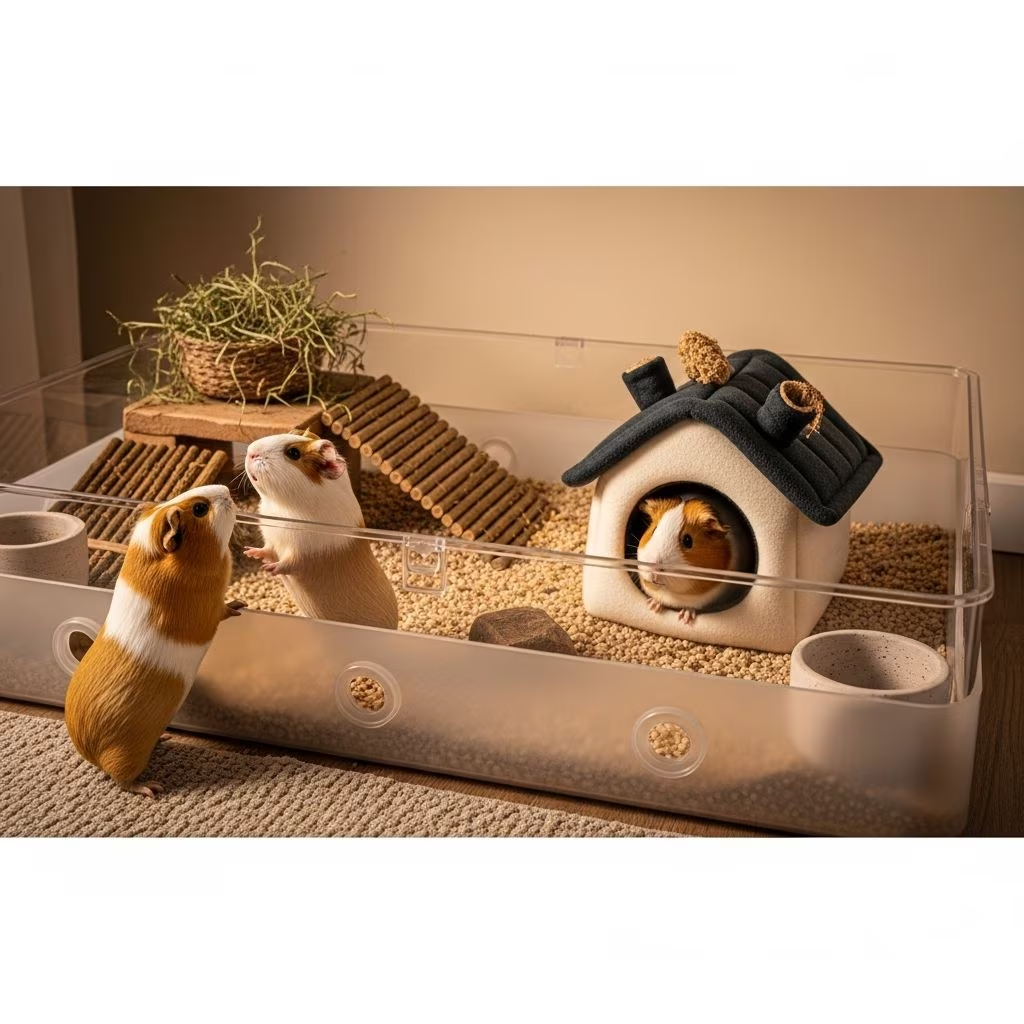
A Pet Parent’s Guide to the Best Guinea Pig Cages
Guinea pigs may be small animals, but they have surprisingly large needs when it comes to their living space. These social, active creatures require thoughtfully designed housing that provides ample room to play, rest, eat, and feel secure in their environment. Selecting the right cage not only ensures your guinea pig thrives physically and mentally but also makes your life easier by streamlining daily cleaning routines and bonding activities. Whether you’re welcoming your first guinea pig or adopting a bonded pair, understanding what makes a great cage is essential for long-term pet health and happiness.
What Makes a Great Guinea Pig Cage?
The ideal guinea pig cage combines several critical features that work together to create a safe, comfortable, and enriching home. Understanding these key elements will help you make an informed decision that benefits both your pet and your household.
1. Proper Size for Your Guinea Pigs
Size is one of the most important factors when selecting a guinea pig cage. Guinea pigs are active animals that need adequate floor space to move around, exercise, and express natural behaviors like running and “popcorning” (jumping for joy). The minimum recommended cage size for a single guinea pig is 7.5 square feet, which typically translates to approximately 30 inches by 36 inches. For two guinea pigs, you should aim for at least 10.5 square feet, roughly measuring 30 inches by 50 inches. However, following the “bigger is always better” principle is highly recommended. Additional space allows your guinea pigs more room to explore, establish separate resting areas, and maintain healthy exercise levels. Many experienced pet parents find that extra space prevents behavioral issues and promotes overall well-being.
2. Solid, Comfortable Flooring
Never underestimate the importance of proper flooring in your guinea pig’s cage. Wire floors, while common in some enclosures, can cause serious injury to your guinea pig’s delicate feet, leading to a painful condition called bumblefoot. Always choose cages with solid plastic bases that are comfortable, safe, and easy to clean. A deep plastic pan allows for generous amounts of bedding material, which provides cushioning, improves comfort, and helps prevent foot-related issues. The deep pan design also makes cleaning easier by containing bedding and waste materials effectively.
3. Easy Access and Cleaning
A cage that’s difficult to access makes daily maintenance a frustrating chore. Look for cages featuring large front or top openings that allow you easy reach for cleaning, feeding, and interactive bonding time with your pets. Removable trays or deep plastic bottoms significantly simplify the cleanup process. When you can efficiently maintain your cage, you’re more likely to keep it clean on a regular schedule, which directly impacts your guinea pig’s health and reduces odors in your home.
4. Good Ventilation
Proper air circulation is crucial for guinea pig health. Poor ventilation can lead to respiratory issues, as ammonia from urine and waste can accumulate in enclosed spaces. Choose cages with multiple openings or mesh panels that promote consistent airflow. Single-level cages are typically better than multi-level designs because guinea pigs naturally prefer flat, open spaces and don’t like heights. The risk of injury from falls makes elevated platforms unnecessary for guinea pig comfort.
5. Room for Accessories and Enrichment
Guinea pigs are curious, intelligent animals that benefit from a stimulating environment. Your cage should have enough space to accommodate hideouts, ramps, tunnels, and toys that encourage natural behaviors. These accessories provide mental stimulation, physical exercise, and safe spaces where your guinea pigs can retreat when they feel stressed or need privacy.
6. Expandability for Future Growth
Consider choosing a cage system that allows for expansion. Modular cages, such as C&C (cubes and coroplast) cages, can be reconfigured or expanded if you decide to add a second guinea pig later or want to create a more dynamic play environment. This flexibility ensures your initial investment remains relevant as your guinea pig family grows.
Top Guinea Pig Cage Options
Best Cage for One Guinea Pig
The MidWest Guinea Habitat Plus is an excellent choice for single guinea pig owners seeking a spacious, well-designed home. This cage offers 8 square feet of space per panel, exceeding the minimum requirements and providing your guinea pig with ample room for active play and exploration. A significant advantage of this cage is that pet parents can purchase multiple panels and connect them together to create even more space if desired. The cage includes a thoughtful dividing panel with a ramp that encourages exploration and allows you to create distinct play and rest areas within the habitat. This design promotes both physical activity and mental enrichment.
Best Large Habitat for Multiple Guinea Pigs
The Critter Colony Club Guinea Colony Starter Kit is specifically designed for pet parents housing multiple guinea pigs. This spacious habitat provides 10.89 square feet of floor space, offering ample room for several guinea pigs to roam, play, and establish their own resting areas. Multiple resting zones are particularly important for guinea pigs’ social and territorial needs, allowing them to bond while also maintaining personal space when desired. The open-top layout ensures excellent ventilation throughout the enclosure, while secure sides keep your pets safe from escapes or external hazards. With easy-to-clean materials and included accessories, this starter kit provides both convenience and comfort, encouraging natural guinea pig behaviors and promoting healthy bonding between cage mates.
Setting Up Your Guinea Pig’s Home
1. Start With Soft, Safe Bedding
Bedding selection dramatically impacts your guinea pig’s comfort and health. Paper-based bedding and fleece liners are excellent choices, offering safety, comfort, and easy cleaning. These materials are absorbent, non-toxic, and gentle on sensitive guinea pig feet. It’s absolutely essential to avoid cedar and pine shavings, as their aromatic oils can irritate and damage your guinea pig’s respiratory system, potentially causing serious health issues. Line the entire floor of your cage with bedding material to maximize comfort, improve absorption of urine and waste, and provide additional bumblefoot prevention. Quality bedding creates a healthier, more hygienic environment for your pets.
2. Provide Essential Food and Water Stations
Place food and water stations in easily accessible locations within your cage. Guinea pigs need constant access to fresh, clean water and high-quality pellets supplemented with hay and fresh vegetables. Using sturdy bowls or water bottles designed specifically for guinea pigs ensures reliable access to these essentials.
3. Create Multiple Hideouts
Guinea pigs feel most secure when they have multiple hiding spots where they can retreat and relax. Hideout options include plastic igloos, corner fleece hideaways, timothy or twig tunnels, and plywood huts. Providing at least two hideouts prevents territorial disputes and gives each guinea pig a safe refuge. These hiding spaces reduce stress and promote natural behaviors, contributing to overall mental health and well-being.
4. Include Chew Toys and Enrichment
Guinea pigs are natural nibblers with a constant need to chew and explore. Add safe chew toys, ramps, tunnels, and cardboard tubes throughout the cage to encourage physical exercise and mental stimulation. Varied textures and interactive elements keep your guinea pigs engaged and prevent boredom-related behavioral problems. Rotating toys regularly maintains novelty and interest.
Important Considerations for Cage Setup
Cage Size Specifications
When evaluating cage dimensions, remember that the minimum recommended size is 50 x 24 inches for a single guinea pig. If you choose a topless cage, ensure the wire sides are at least 10 inches high to prevent escapes. Bar spacing should be approximately 1 inch apart to safely contain your pets while preventing injury. Cage height should typically range from 12 to 18 inches, with single-level designs preferred over multi-level alternatives.
Alternative Housing Options
While traditional cages are popular, several alternatives exist for housing guinea pigs. Hutches provide outdoor housing options but offer less ventilation than cages. C&C cages (cubes and coroplast) represent an increasingly popular alternative, offering larger floor spaces than many traditional cages while providing excellent customization options. C&C cages are modular, allowing you to easily change configurations or expand the enclosure as needed. This flexibility makes C&C cages an excellent long-term investment for growing guinea pig families.
Material Selection
Choose cages constructed from non-toxic, sturdy materials such as metal or plastic. These materials ensure your pet’s safety and provide durability for long-term use. The cage material should withstand the wear and tear of daily use while remaining safe for your guinea pigs to chew on and contact regularly.
Maintenance and Cleaning Best Practices
Keeping your guinea pig’s cage clean is essential for maintaining their health and hygiene. Cages featuring removable trays or easy access to all areas facilitate thorough, regular cleaning. When you can maintain your cage efficiently, you’re more likely to perform cleanings on schedule, preventing odor buildup and disease accumulation. Regular maintenance directly impacts your guinea pig’s respiratory health and overall well-being, making it a critical aspect of responsible pet ownership.
Creating the Ideal Guinea Pig Home
Choosing the right cage from the start helps ensure your guinea pig feels safe, secure, and ready to thrive in their new home. By prioritizing proper size, solid flooring, good ventilation, and space for enrichment, you’re creating an environment where your guinea pig can express natural behaviors and maintain optimal health. Whether you’re housing a single guinea pig or a bonded pair, investing in quality housing pays dividends in pet happiness and reduced behavioral problems. Your guinea pigs spend most of their time in their cage, making this investment one of the most important decisions you’ll make as a guinea pig owner.
Frequently Asked Questions About Guinea Pig Cages
Q: What is the absolute minimum cage size for a guinea pig?
A: The minimum recommended cage size for one guinea pig is 7.5 square feet (approximately 30″ x 36″). For two guinea pigs, aim for at least 10.5 square feet (approximately 30″ x 50″). However, larger cages are always preferable and provide better quality of life.
Q: Why should I avoid wire flooring in guinea pig cages?
A: Wire flooring can injure guinea pigs’ sensitive feet and cause a painful condition called bumblefoot. Always use cages with solid plastic bases that provide comfort and protection for their feet.
Q: What type of bedding is best for guinea pigs?
A: Paper-based bedding and fleece liners are the best choices. Avoid cedar and pine shavings, as their aromatic oils can irritate guinea pigs’ respiratory systems and cause serious health problems.
Q: Can I use a multi-level cage for guinea pigs?
A: Single-level cages are preferred because guinea pigs don’t naturally climb and can injure themselves falling from heights. Single-level designs also provide better floor space for movement.
Q: Are C&C cages a good alternative to traditional cages?
A: Yes, C&C cages (cubes and coroplast) are an excellent alternative, often providing more space than traditional cages. They’re modular and customizable, allowing you to adjust the size and configuration as needed.
Q: How often should I clean my guinea pig’s cage?
A: Deep cleaning should occur weekly, with spot cleaning of soiled areas performed daily. Regular maintenance prevents ammonia buildup, odors, and respiratory issues.
Q: What accessories should I include in my guinea pig’s cage?
A: Include multiple hideouts, chew toys, ramps, tunnels, and cardboard tubes. These items provide mental stimulation, physical exercise, and safe spaces for your guinea pigs to retreat.
References
- A Pet Parent’s Guide to the Best Guinea Pig Cages — Chewy Editorial Team. 2024. https://www.chewy.com/education/small-pet/guinea-pig/best-guinea-pig-cages
- How to Choose the Best Place for a Guinea Pig Cage — Chewy Editorial Team. 2024. https://www.chewy.com/education/small-pet/guinea-pig/where-to-place-guinea-pig-cage
- The Ultimate Guide to Housing for Guinea Pigs — Chewy Editorial Team. 2024. https://www.chewy.com/education/small-pet/guinea-pig/housing-for-guinea-pigs
- Guinea Pig Habitats, Cages & Accessories — Chewy. 2024. https://www.chewy.com/b/guinea-pig-habitats-cages-and-accessories-10901
- 10 Best Cages for Guinea Pigs 2025: According to Reviews — Chewy Editorial Team. 2025. https://www.chewy.com/best/cages-guinea-pigs_s129324



