

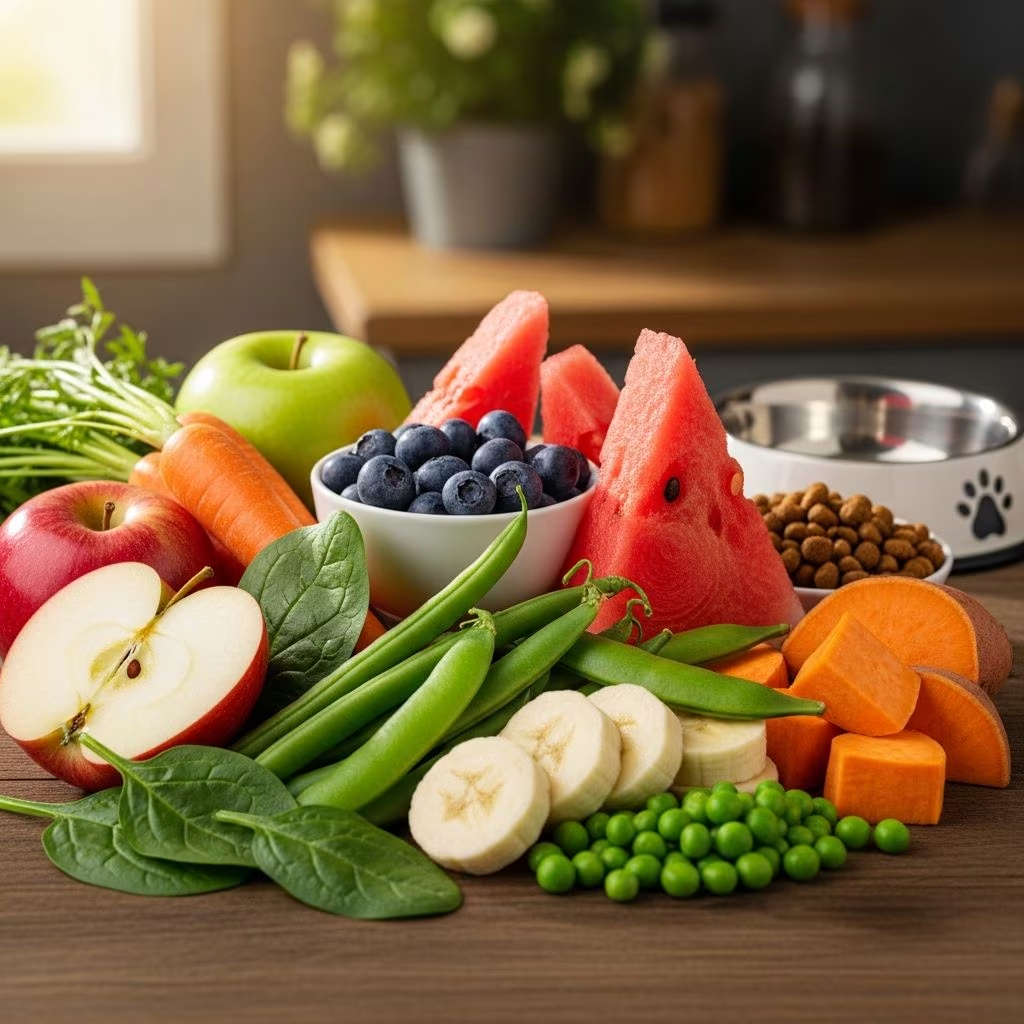
10 Best Fruits & Vegetables for Dogs: A Complete Nutrition Guide
As a dog owner, you want the best for your furry companion, and that includes providing nutritious treats that support their overall health and wellbeing. While commercial dog treats are convenient, fresh fruits and vegetables offer natural vitamins, minerals, and fiber that can enhance your dog’s diet. However, not all fruits and vegetables are safe for dogs, and some require careful preparation to ensure they’re appropriate for your pet.
This comprehensive guide explores the 10 best fruits and vegetables you can safely feed your dog, along with their nutritional benefits and how to properly prepare them. Whether you’re looking to add variety to your dog’s diet, create homemade treats, or simply provide healthier snack options, understanding which produce is safe and beneficial is essential for responsible pet ownership.
The Benefits of Fruits and Vegetables for Dogs
Incorporating fresh fruits and vegetables into your dog’s diet provides numerous health advantages beyond basic nutrition. These whole foods are rich in antioxidants, which help combat free radicals and support immune system function. Additionally, the natural fiber content aids digestion and can help maintain a healthy weight, particularly beneficial for senior dogs or those prone to obesity.
Many fruits and vegetables contain specific vitamins and minerals that target different aspects of canine health. For instance, foods rich in beta-carotene support eye health and vision, while those containing potassium promote heart function and muscle development. The water content in certain vegetables helps keep dogs hydrated, especially during warmer months.
It’s important to remember that fruits and vegetables should complement your dog’s regular diet rather than replace it. They work best as occasional treats or healthy additions to meals, providing variety and enrichment while supporting your dog’s nutritional needs.
The 10 Best Fruits for Dogs
1. Apples
Apples are among the safest and most nutritious fruits for dogs. They’re high in fiber and low in fat, making them an excellent option for overweight or senior pets with slower metabolisms. Apples contain vitamins A and C, which help maintain healthy bones and tissue. The crunchiness of apples also provides natural cleaning action for your dog’s teeth.
How to serve: Always remove the core and seeds before offering apples to your dog, as the seeds contain trace amounts of cyanide. Cut the apple into bite-sized pieces and offer in moderation as an occasional treat.
2. Blueberries
Often referred to as a superfood, blueberries are packed with antioxidants that prevent cell damage and boost immune function. They’re rich in fiber and vitamin C, making them an excellent choice for maintaining your dog’s overall health. Blueberries are small enough to serve as training treats and can be frozen for a refreshing summer snack.
How to serve: Blueberries can be served fresh or frozen. Most dogs enjoy the texture and taste, and they require no preparation. A small handful makes an appropriate serving size.
3. Strawberries
Strawberries are a great source of vitamin C, potassium, and manganese, all of which support your dog’s immune system. These bite-sized treats are perfect for dogs and most canines enjoy their natural sweetness. The vitamin C content helps fight off toxic substances in your dog’s digestive system.
How to serve: Remove the leaves and stem before serving. Cut larger strawberries into smaller pieces to prevent choking hazards, and serve as an occasional treat.
4. Watermelon
Watermelon is an incredibly refreshing treat, especially during hot weather. It’s high in water content, keeping your dog hydrated, and contains fiber for digestive health. The natural sweetness makes it appealing to most dogs without the added sugars found in processed treats.
How to serve: Remove all seeds and the rind before offering watermelon to your dog. Cut the flesh into small, manageable pieces. While watermelon is safe, the high water and sugar content means it should be given as an occasional treat in moderation.
5. Pineapple
Pineapple contains vitamins and minerals such as folate and zinc, which can benefit your dog’s digestion and immune system. The bromelain enzyme in pineapple has anti-inflammatory properties and may help reduce joint inflammation in senior dogs.
How to serve: Remove the tough outer skin and core, as these are difficult to digest. Cut the fruit into small chunks and serve in moderation, as pineapple is high in natural sugars.
6. Apricots
Apricots’ fleshy fruit can be a tasty treat for dogs. They’re high in potassium and contain beta-carotene, which can help fight cancer and support eye health. The bright color indicates the presence of beneficial phytonutrients.
How to serve: Make certain that the pit, stem, and leaves are all removed before serving, as the pit contains small amounts of cyanide and poses a choking hazard. Offer fresh apricots in small quantities.
7. Pears
Pears are high in fiber, vitamin C, and vitamin B6, all essential for maintaining your dog’s health and energy levels. The fiber content makes them particularly beneficial for digestive health and can help prevent constipation.
How to serve: As with apples, remove the core and seeds before feeding pears to your pet. Cut into appropriate-sized pieces and offer occasionally as part of a balanced diet.
8. Oranges
Oranges contain plenty of vitamin C and are safe for dogs in moderation. This citrus fruit supports immune function and provides essential nutrients. However, due to their sugar content, oranges should be treated as occasional treats rather than regular snacks.
How to serve: Peel the orange and remove any seeds. Avoid feeding the orange peel, as it can upset your dog’s stomach. Offer only small segments due to the high sugar content.
9. Cantaloupe and Honeydew Melon
These melons are super refreshing and ideal for dogs as they’re high in water and fiber. They provide hydration without excess calories and are particularly beneficial during hot weather.
How to serve: Remove all seeds thoroughly before serving. Cut into small, manageable pieces. These melons are best served as occasional treats.
10. Raspberries
Raspberries are full of antioxidants to support your dog’s health and are a good source of fiber and vitamin C. They’re smaller in size, making them convenient to serve without additional preparation.
How to serve: Raspberries can be served fresh or frozen. A small handful is an appropriate serving size for most dogs.
The 10 Best Vegetables for Dogs
1. Carrots
Carrots are among the most beneficial vegetables for dogs. They’re high in beta-carotene, vitamin A, biotin, vitamin K, potassium, and vitamin B6. The natural sweetness makes them appealing to most dogs, while their firm texture provides a natural dental cleaning action when chewed. Carrots are low in calories, making them perfect for weight management.
How to serve: Carrots can be served raw for maximum dental benefits or lightly steamed. Always cut into appropriate sizes to prevent choking. Raw carrots are particularly beneficial as chew treats.
2. Green Beans
Green beans are high in vitamins and minerals like iron, calcium, and vitamins B6, A, C, and K. They’re low in calories and high in fiber, which can make dogs feel satisfied and help with weight management. Most dogs enjoy the natural sweetness and crunchy texture of green beans.
How to serve: Serve fresh or frozen green beans. Avoid canned versions with added sodium. Green beans can be served raw or lightly steamed. Cut longer beans into manageable sizes.
3. Broccoli
Broccoli is a nutrient-dense food that contains vitamins A, C, D, and K, along with beta-carotene, folic acid, fiber, chromium, and calcium. This powerful vegetable has cancer-preventing properties and supports your dog’s immune system. Broccoli is also a low glycemic vegetable, meaning it won’t spike your dog’s blood sugar levels.
How to serve: Boil or steam broccoli to make it easier to digest. Serve only the florets, as the stems can be choking hazards. Offer in moderation, as excessive broccoli can cause digestive upset.
4. Pumpkin
Pumpkin is high in fiber and can help regulate digestion and prevent constipation in dogs. It’s rich in antioxidants and a good source of vitamins A, C, and E, potassium, and iron. Pumpkin is widely used in veterinary-recommended digestive aids and is particularly beneficial for dogs with digestive sensitivities.
How to serve: Use pure, canned pumpkin with no additives or sugar. Add a small spoonful to your dog’s regular meal. Avoid pumpkin pie filling, which contains added sugars and spices.
5. Sweet Potatoes and Yams
Sweet potatoes and yams are excellent for digestive health because they’re high in fiber. They contain beta-carotene for eye health and support various bodily functions. These nutrient-dense vegetables provide sustained energy and are commonly used in high-quality dog foods.
How to serve: Cook thoroughly and serve in small cubes. Always remove the skin before serving. Raw sweet potatoes are difficult to digest and should be avoided.
6. Cucumbers
Cucumbers are especially good for overweight dogs, as they hold little to no carbohydrates or fat while being full of satiating hydration. Because cucumbers are 96 percent water, they’re exceptionally hydrating. They also contain potassium, magnesium, vitamin C, and vitamin K. The low calorie content makes them perfect for weight management while still providing nutritional value.
How to serve: Serve fresh cucumber slices with the skin intact. Cut into appropriate sizes to prevent choking. Cucumbers are particularly refreshing on hot days.
7. Peas
Peas are a good source of vitamins A, C, and K, as well as iron and potassium. They’re high in fiber and contain antioxidants that can reduce inflammation. Green peas, snow peas, sugar snap peas, and garden peas are all safe for dogs. Fresh or frozen peas work equally well.
How to serve: Serve fresh or frozen peas. Avoid canned peas with added sodium. Peas can be served whole or slightly mashed, depending on your dog’s preferences.
8. Kale
Key vitamins in kale, such as K, A, and iron, support bone health, proper vision, immune function, fetal development, and energy metabolism. Kale is a nutrient powerhouse packed with beneficial compounds that support overall canine health.
How to serve: Serve raw, steamed, or boiled kale in small amounts. Remove the stems and chop into small pieces. Introduce gradually to prevent digestive upset.
9. Cabbage
All varieties of cabbage are not only tasty to your dog but also very healthy. Cabbage helps your dog’s digestive system and is good for their skin. However, it can cause flatulence in dogs, so remember to feed cabbage in small amounts and introduce it into their diet slowly.
How to serve: Serve raw or lightly steamed in small quantities. Red and green cabbage are both safe. Start with small amounts to allow your dog’s digestive system to adjust.
10. Beets
Vitamin C, fiber, folate, manganese, and potassium are all found in beets. These nutrients benefit your dog’s digestion and immune system, as well as their skin and coat. Beets can support liver function and have anti-inflammatory properties.
How to serve: Cook beets thoroughly and cut into small cubes. Remove the greens, which are also edible but should be introduced gradually. Serve in moderation as an occasional treat.
Fruits and Vegetables to Avoid
While many fruits and vegetables are beneficial for dogs, some are toxic and should never be fed to your pet. Onions and garlic contain compounds that can damage your dog’s red blood cells and cause hemolytic anemia. Grapes and raisins can cause kidney failure in dogs, even in small quantities. Avocados contain persin, which can cause vomiting and diarrhea. Tomato leaves and stems are also toxic to dogs, though ripe tomatoes in small amounts are generally safe.
Always research any produce before offering it to your dog, and consult with your veterinarian if you’re unsure about specific foods.
Tips for Feeding Fruits and Vegetables to Dogs
Introduce gradually: When adding new fruits and vegetables to your dog’s diet, introduce them slowly over several days to allow their digestive system to adjust.
Wash thoroughly: Always wash produce under running water to remove pesticides and dirt before serving to your dog.
Remove hazardous parts: Always remove seeds, pits, stems, and leaves that could pose choking hazards or contain toxins.
Cut appropriately: Cut fruits and vegetables into sizes appropriate for your dog’s mouth to prevent choking.
Serve in moderation: Treats, including fruits and vegetables, should comprise no more than 10 percent of your dog’s daily caloric intake.
Consider your dog’s health: Dogs with diabetes should avoid high-sugar fruits. Overweight dogs benefit from low-calorie vegetables like cucumbers and green beans.
Nutritional Comparison Table
| Fruit/Vegetable | Key Nutrients | Best For | Serving Notes |
|---|---|---|---|
| Apples | Vitamins A & C, Fiber | Digestive health, senior dogs | Remove seeds and core |
| Blueberries | Antioxidants, Fiber, Vitamin C | Immune support, brain health | Fresh or frozen, no prep needed |
| Carrots | Beta-carotene, Vitamin A, Fiber | Eye health, weight management | Raw for dental benefits |
| Green Beans | Vitamins A, B6, C, K, Fiber | Low-calorie treat, weight loss | Fresh or frozen, cut to size |
| Broccoli | Vitamins A, C, D, K, Calcium | Immune support, bone health | Steamed, florets only |
| Pumpkin | Fiber, Vitamins A, C, E | Digestive health, regularity | Pure canned, no additives |
| Cucumbers | Potassium, Magnesium, Vitamin C | Hydration, weight management | Raw slices, low calorie |
| Sweet Potatoes | Fiber, Beta-carotene, Potassium | Digestive health, energy | Cooked, skinned, cubed |
| Strawberries | Vitamin C, Potassium, Manganese | Immune support, antioxidants | Remove stem, cut if large |
| Peas | Vitamins A, C, K, Fiber, Protein | Digestive health, muscle support | Fresh or frozen, no added salt |
Frequently Asked Questions
Q: Can dogs eat bananas?
A: Yes, dogs can eat bananas in moderation. They contain potassium, vitamin B6, and vitamin C, but are high in sugar and should be treated as occasional treats. Cut into small pieces and serve sparingly.
Q: Are frozen fruits and vegetables safe for dogs?
A: Yes, frozen fruits and vegetables are just as nutritious as fresh ones. They can be particularly refreshing in warm weather and are convenient to store. Ensure they have no added salt or sugar.
Q: Can I give my dog canned vegetables?
A: Canned vegetables are acceptable if they contain no added salt or sugar. However, fresh or frozen options are generally preferable due to higher nutrient retention and lower sodium content.
Q: How much fruit and vegetables should my dog eat daily?
A: Treats, including fruits and vegetables, should comprise no more than 10 percent of your dog’s daily caloric intake. Consult your veterinarian for specific recommendations based on your dog’s age, weight, and health status.
Q: What should I do if my dog eats something toxic?
A: Contact your veterinarian or animal poison control immediately if your dog ingests a potentially toxic food. Provide information about what was eaten and how much.
Q: Can puppies eat the same fruits and vegetables as adult dogs?
A: Puppies can eat most safe fruits and vegetables, but introduce them gradually and in small quantities. Ensure they don’t interfere with proper nutrition from puppy-specific foods formulated for their developmental needs.
Q: Are organic fruits and vegetables better for dogs?
A: While organic produce may have fewer pesticide residues, both organic and conventionally grown fruits and vegetables are safe for dogs when properly washed. The most important factor is thorough washing regardless of origin.
References
- Fruits & Veggies Dogs Can and Can’t Eat — Pico Rivera Animal Hospital. 2024-02-15. https://www.picoriveravet.com/site/blog/2024/02/15/fruit-veggies-dogs-eat
- What Vegetables Can Dogs Eat? — PetMD. https://www.petmd.com/dog/nutrition/what-vegetables-can-dogs-eat
- Fruits and Vegetables Dogs Can or Can’t Eat — American Kennel Club. https://www.akc.org/expert-advice/nutrition/fruits-vegetables-dogs-can-and-cant-eat/
- What Fruit and Vegetables Can Dogs Eat? — Nature’s Menu. https://www.naturesmenu.co.uk/blog-fruits-and-veg-dogs-can-eat.html
- What fruit and vegetables can dogs eat? — Blue Cross. https://www.bluecross.org.uk/advice/dog/can-dogs-eat-apples-grapes-potatoes-and-other-fruit-and-veg



