

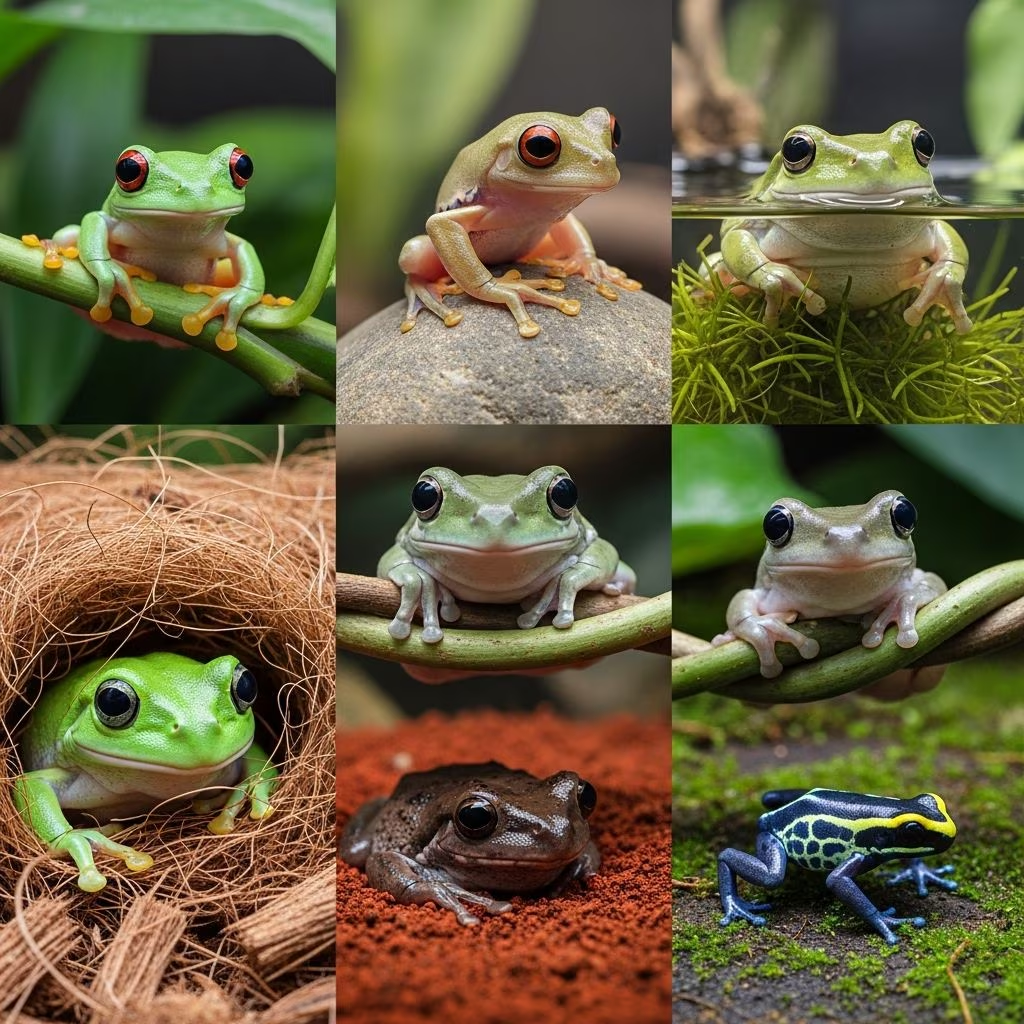
Frogs can make fascinating and rewarding pets for both beginners and experienced amphibian enthusiasts. However, not all frog species are equally suited to captive life. Choosing the right species is crucial to ensuring your pet thrives in your care. This comprehensive guide explores the seven best frog species for pet ownership, along with essential care considerations that will help you provide an optimal environment for your amphibian companion.
Key Takeaways for Frog Pet Ownership
- Only a few frog species truly thrive in captivity, making species selection critical
- Choose frogs whose habitat and dietary needs you can reliably and consistently meet
- Beginner-friendly species include White’s tree frogs, African bullfrogs, American green tree frogs, and tomato frogs
- Proper enclosures with species-appropriate conditions are essential for frog health
- Live or frozen food requirements and secure, escape-proof lids are non-negotiable
- Minimize handling and regularly monitor for signs of poor health
1. White’s Tree Frog: The Ideal Beginner Choice
White’s tree frogs, scientifically known as Litoria caerulea, stand out as one of the most widely captive-bred frog species and an excellent choice for beginners. Also called Australian green tree frogs or dumpy tree frogs, these charming amphibians typically reach 3 to 5 inches in length and live approximately 16 years in captivity, making them a long-term companion.
These frogs display a distinctive appearance with green or blue-green coloring and a characteristic waxy coating on their skin. This specialized skin texture allows them to tolerate lower humidity levels than many other tree frog species, reducing some of the environmental demands that challenge less experienced keepers. White’s tree frogs are renowned for their docile and laid-back temperament. Many individuals become tame enough to handle gently, making them perfect for those seeking interactive pet frogs.
Care Requirements: White’s tree frogs thrive in a 15-gallon terrarium with temperatures maintained between 75°F and 85°F. They require adequate climbing structures and prefer a diet of insects such as crickets and roaches.
2. Pacman Frog: The Terrestrial Hunter
The Argentine horned frog, commonly called the Pacman frog (Ceratophrys ornata), earns its nickname from the famous arcade game character due to its enormous mouth and round body shape. These terrestrial frogs typically measure 4 to 7 inches and have a relatively brief lifespan of 4 to 6 years compared to other pet frogs.
Pacman frogs showcase remarkable color variation, appearing in attractive morphs including strawberry, chocolate-mint, and various green combinations. Their sedentary nature means they don’t require extensive enclosures despite their substantial size, making them practical for space-conscious keepers. However, their predatory instincts demand careful consideration. These frogs have been known to bite anything resembling prey, including fingers, which makes them unsuitable for handling.
Care Requirements: A 10-gallon terrarium maintained at 75°F to 85°F provides an adequate home. Pacman frogs require large insects and have low maintenance care needs, though their aggressive feeding behavior requires cautious feeding protocols.
3. African Bullfrog: The Pixie Frog with Giant Potential
Despite their deceptive nickname—pixie frog—African bullfrogs (Pyxicephalus adspersus) are actually among the largest frog species kept in captivity, reaching 4 to 10 inches. What makes them truly remarkable is their exceptional longevity; these frogs can live up to 40 years, offering decades of companionship to dedicated keepers.
African bullfrogs display olive green coloring with yellow, orange, or beige bellies that add visual appeal to any amphibian collection. These semi-aquatic frogs naturally burrow, so they require a unique habitat setup. Adult pixie frogs need at least a 20-gallon to 30-gallon aquarium with both dry land and fresh water areas, plus a container of dirt for burrowing. Some individuals tolerate gentle handling, but stress can trigger defensive biting. Notably, African bullfrogs possess toothlike structures, making them potentially dangerous for children.
Care Requirements: Maintain water temperature around 75°F. Offer large insects and small rodents as food. Provide substantial space with both aquatic and terrestrial zones to allow natural burrowing behavior.
4. Gray Tree Frog: The Adaptable Chameleon
The gray tree frog (Dryophytes versicolor, formerly Hyla versicolor) represents a wonderful option for those seeking a native North American species. These small arboreal frogs measure just 1 to 2 inches and typically live 7 to 9 years, making them compact and manageable pets.
One of the gray tree frog’s most fascinating features is their remarkable ability to change color based on their environment, shifting from gray to green to brown with lichen-like blotchy patterns. This camouflage ability makes them visually interesting to observe. Unlike many tropical tree frogs, gray tree frogs don’t demand extreme temperature or humidity levels, significantly simplifying care requirements. They thrive in a glass terrarium with moist substrate and abundant climbing opportunities.
Care Requirements: These frogs benefit from room temperature conditions without specialized heating. UVB lighting helps them synthesize vitamin D3 and absorb calcium properly. A moist substrate and climbing structures are essential for their wellbeing.
5. American Green Tree Frog: The Petite Acrobat
The American green tree frog (Hyla cinerea) is a small, vibrant species measuring 1 to 2.5 inches with a lifespan reaching up to 6 years. These bright green arboreal frogs are native to the southeastern United States, making them particularly interesting for hobbyists interested in native species.
American green tree frogs are excellent climbers that spend most of their time in elevated positions within their enclosure. They’re moderately challenging for beginners but reward experienced keepers with their activity and interesting behaviors. These frogs require adequate vertical space with numerous climbing branches and plants.
Care Requirements: Maintain temperatures between 70°F and 80°F. Provide a 20-gallon tall aquarium with climbing materials and moderate humidity. Their diet consists of small insects like crickets and fruit flies.
6. Tomato Frog: The Colorful Beginner Success
Tomato frogs are named for their distinctive bright red or orange coloration, making them visually striking pets. These frogs are terrestrial and relatively easy to care for, earning their place among beginner-friendly species.
Care Requirements: These frogs thrive in warm, humid environments with temperatures maintained at 75°F to 85°F. They require 15-20 gallon terrariums with moist substrate for burrowing. Their diet consists of appropriately-sized insects including crickets and roaches.
7. African Dwarf Frog: The Tiny Aquatic Wonder
The African dwarf frog, also called the Zaire dwarf clawed frog (Hymenochirus boettgeri), represents the smallest option on this list at just 1 to 1.5 inches long. These fully aquatic frogs live approximately 5 years and can adapt well to community aquarium settings.
Care Requirements: African dwarf frogs require 10-gallon aquariums minimum with gentle water circulation. Maintain temperatures between 72°F and 80°F. These frogs eat small aquatic invertebrates and can thrive alongside peaceful aquatic creatures in appropriate setups.
Essential Frog Care Requirements
Enclosure Specifications
Creating species-appropriate enclosures is fundamental to frog health. Tank size varies significantly based on species—from 10-gallon terrariums for smaller species to 30-gallon aquariums for larger, more active frogs. Ensure enclosures feature secure, escape-proof lids, as frogs are surprisingly adept escape artists. Include appropriate substrate whether terrestrial (for burrowing species) or aquatic (for water-dwelling frogs).
Dietary Needs
Most pet frogs are carnivorous, requiring live or frozen insects as their primary food source. Common dietary items include crickets, roaches, mealworms, and fruit flies, depending on frog size. Frozen insects offer convenience and safety benefits, eliminating the risk of parasites or injuries from live prey. Some frogs, particularly Pacman frogs, can be trained to accept food from tongs or feeding tools.
Environmental Conditions
Temperature and humidity requirements vary by species. Tropical species generally require 75°F to 85°F, while temperate species tolerate room temperature. Humidity levels range from moderate (40-60%) for tree frogs to high (80%+) for moisture-dependent species. Regular misting, water bowls, or automatic misting systems help maintain appropriate humidity.
Handling and Socialization
Minimize handling to reduce stress, as frequent contact can harm frogs’ sensitive skin and cause unnecessary anxiety. Some species like White’s tree frogs tolerate gentle, occasional handling, while aggressive species like Pacman frogs should never be handled unnecessarily. Always wash hands before and after any frog interaction.
Species to Avoid for Beginners
Certain frog species require specialized care, large habitats, or pose safety concerns, making them unsuitable for beginners:
- Poison dart frogs (Dendrobates sp.) – Require specific humidity and temperature control
- Vietnamese mossy frogs (Theloderma corticale) – Demand highly specialized conditions
- Red-eyed tree frogs (Agalychnis callidryas) – Need large vertical enclosures and moderate handling experience
- Amazon milk frogs (Trachycephalus resinifictrix) – Require large, complex enclosures
- American bullfrogs (Lithobates catesbeianus) – Need substantial space and can be aggressive
- Fire-bellied toads (Bombina sp.) – Require semi-aquatic setups and moderate maintenance
Comparison Table: Best Pet Frogs at a Glance
| Species | Size | Lifespan | Difficulty | Temperature | Best For |
|---|---|---|---|---|---|
| White’s Tree Frog | 3-5 inches | 16 years | Beginner | 75-85°F | First-time keepers |
| Pacman Frog | 4-7 inches | 4-6 years | Beginner | 75-85°F | Low-maintenance seekers |
| African Bullfrog | 4-10 inches | 40 years | Intermediate | 75°F | Long-term commitment |
| Gray Tree Frog | 1-2 inches | 7-9 years | Beginner | Room temp | Native species enthusiasts |
| American Green Tree Frog | 1-2.5 inches | 6 years | Intermediate | 70-80°F | Active observers |
| Tomato Frog | 3-6 inches | 6-8 years | Beginner | 75-85°F | Colorful pet seekers |
| African Dwarf Frog | 1-1.5 inches | 5 years | Beginner | 72-80°F | Aquarium enthusiasts |
Frequently Asked Questions About Pet Frogs
Q: What’s the easiest frog species for a complete beginner?
A: White’s tree frogs are widely considered the easiest species for beginners. They’re hardy, adaptable, docile, and widely available in the pet trade. They also tolerate lower humidity than many tree frogs, reducing the complexity of environmental management.
Q: Can I keep multiple frogs in one enclosure?
A: Most frogs should be housed individually to prevent aggression and territorial disputes. African dwarf frogs are an exception and can sometimes be kept in groups with careful monitoring. Always verify species-specific social requirements before housing multiple frogs together.
Q: How often should I feed my pet frog?
A: Feeding frequency depends on frog age and species. Juvenile frogs typically eat daily, while adults eat 2-4 times weekly. Consult species-specific care guides to determine appropriate feeding schedules for your particular frog.
Q: What signs indicate my frog is sick?
A: Watch for lethargy, loss of appetite, unusual discoloration, cloudy eyes, or abnormal behavior. Respiratory issues, swollen eyes, and open wounds also indicate health problems. Contact an exotic veterinarian immediately if you notice concerning symptoms.
Q: Do frogs need special lighting?
A: Many frogs benefit from UVB lighting to facilitate vitamin D3 synthesis and calcium absorption. Nocturnal species may not require intense lighting, while arboreal frogs benefit from moderate UVB exposure. Research your specific species’ lighting needs carefully.
Q: How do I set up a proper frog habitat?
A: Start with an appropriately-sized enclosure featuring a secure lid. Add species-appropriate substrate, climbing structures, hiding spots, water areas, and temperature control. Include a heat lamp or under-tank heater as needed. Gradually add live plants, which provide climbing surfaces and help maintain humidity.
References
- The 7 Best Frogs To Keep as Pets — Chewy. 2024. https://www.chewy.com/education/reptile-and-amphibian/frog/best-frogs-for-pets
- Frogs as Pets — VCA Animal Hospitals. 2024. https://vcahospitals.com/know-your-pet/frogs-as-pets
- Pet Frogs: The Best Species for Children and First Time Keepers — That Pet Place. 2013. http://blogs.thatpetplace.com/thatreptileblog/2013/05/20/pet-frogs-the-best-species-for-children-and-first-time-keepers/
- The Beginner’s Guide to Pet Frogs: Beyond the Basics — The Tied Dye Iguana. 2024. https://thetyedyediguana.com/blog/the-beginners-guide-to-pet-frogs-beyond-the-basics/



