

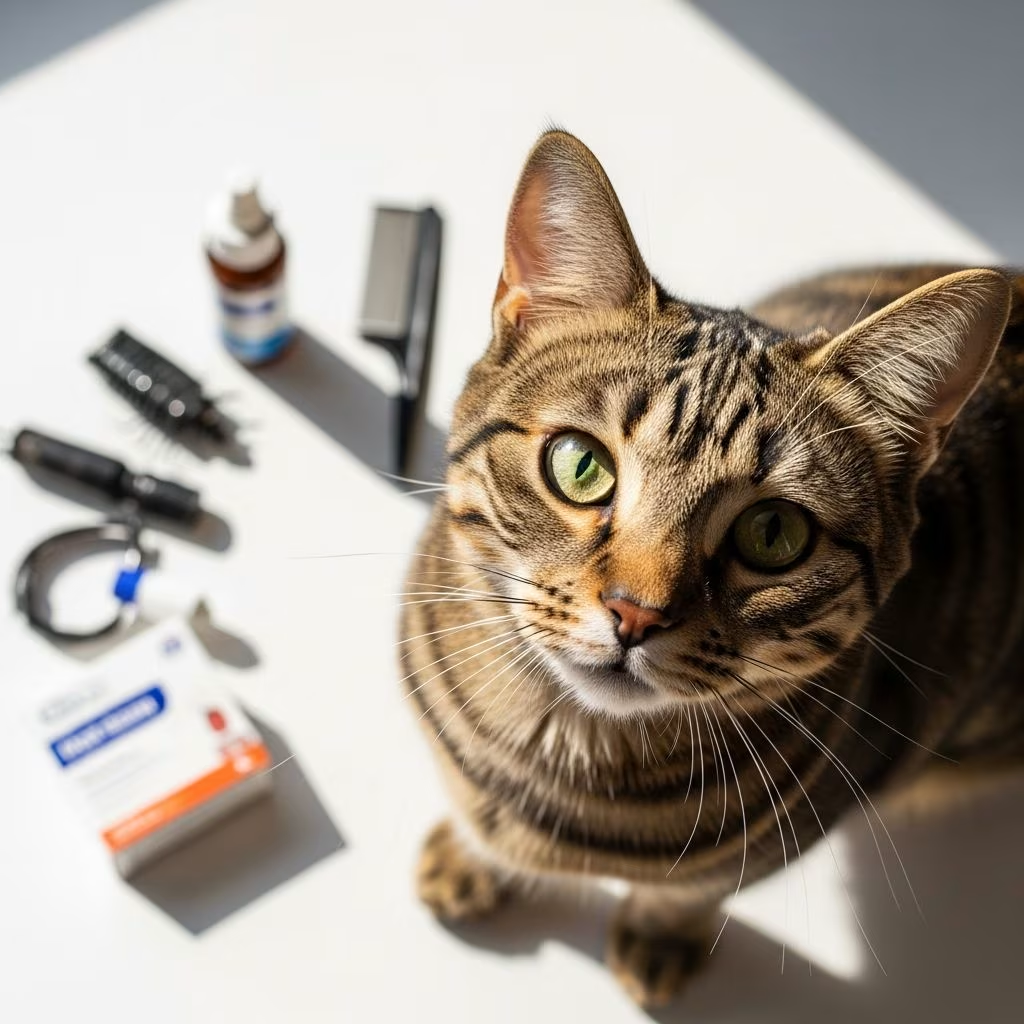
Fleas and ticks are common parasites that can cause significant discomfort and health issues for cats. Whether your feline friend spends time outdoors or lives exclusively indoors, protecting them from these unwanted pests is essential. With numerous treatment options available on the market, choosing the right flea and tick prevention can feel overwhelming. This comprehensive guide covers the best flea treatments for cats, helping you make an informed decision based on your cat’s specific needs and lifestyle.
Best Overall Flea Treatment for Cats
Revolution Plus Topical Solution stands out as the best overall flea treatment for cats, boasting hundreds of five-star reviews from satisfied pet parents. This all-in-one solution offers comprehensive protection against six common parasites, including fleas, ticks, ear mites, roundworms, hookworms, and heartworms. The all-in-one convenience makes it an excellent choice for cats that need broad-spectrum parasite protection. Many customers report using Revolution products consistently for years, demonstrating both efficacy and reliability. The topical application is straightforward, and the extended protection period makes it a practical choice for busy pet owners.
Best Flea Pills for Cats
Capstar Flea Oral Treatment leads the category for oral flea medications with its fast-acting formula. This medication begins working within just 30 minutes and eliminates approximately 90 percent of fleas within hours, making it ideal for cats suffering from active infestations. Pet parents appreciate the speed of action, particularly for cats dealing with severe flea problems. The tablet format eliminates the mess associated with topical treatments, offering a cleaner alternative. For cats that are sensitive to skin applications or difficult to handle during topical treatments, Capstar provides an effective solution.
Best Topical Flea Treatment for Cats
Advantage XD Large Cat Treatment offers extended-duration protection that outlasts standard topical treatments. Each dose provides two months of protection, lasting twice as long as conventional topicals and effectively outlasting the typical flea life cycle. This extended protection period reduces the frequency of applications needed and provides consistent coverage throughout the warmer months when flea activity peaks. Reviewers consistently note how quickly the treatment begins working and appreciate the convenience of the 60-day protection window.
Best Cat Flea Chew
Comfortis Chewable Tablet represents an excellent option for cats that tolerate oral medications. The active ingredient, Spinosad, begins killing fleas within 30 minutes, making it a great choice for pets with active infestations. Loyal customers report relying on Comfortis for over a decade, testifying to its long-term effectiveness. For pets with sensitive skin that don’t tolerate topical treatments well, this chewable alternative provides a viable solution without direct skin contact.
Best Flea Spray for Cats
Adams Plus Flea & Tick Spray features a dual-action formula that both kills adult fleas and prevents new eggs from hatching. The spray also repels deer ticks and mosquitoes, providing broader pest protection. Pet parents appreciate that the product works on both cats and dogs, allowing for simplified household pest management. The spray dries quickly and cleanly, making it convenient for multiple-pet households.
Understanding Different Flea Treatment Types
Topical Flea Treatments
Topical or spot-on flea treatments involve applying a small amount of liquid medication directly to your cat’s skin, typically between the shoulder blades. These treatments absorb through the cat’s skin and provide comprehensive parasite protection. The advantages of topical treatments include easy application—simply part your cat’s fur and apply the medication to the base of the head where your cat cannot lick it off—and enduring protection lasting one month or longer when applied correctly.
Advantages of topical treatments:
- Easy to apply with simple parting of the fur
- Provides enduring protection lasting one month or more
- Creates an invisible shield against parasites
- Effective when applied according to veterinary directions
Oral Flea Treatments
Oral cat flea treatments come in the form of chews or tablets and are ideal for cats who dislike topical treatments or have skin sensitivities. These medications are absorbed into the bloodstream, killing fleas and ticks after they bite your pet. Some oral medications, such as Capstar, begin working within 30 minutes, making them ideal for cats who already have active flea infestations.
Advantages of oral flea treatments:
- Easy to administer, functioning as tasty treats
- Completely mess-free with no residue on your cat’s fur
- Fast-acting, with many options working within hours
- Accurate dosing without application concerns
- Will not wash away if your cat gets wet
- Safe for cats with sensitive skin since there is no direct skin contact
Flea Shampoos
Flea shampoos represent an effective solution for cats with active flea infestations. These formulas typically kill fleas on contact and often contain skin-soothing ingredients that comfort irritated skin. When using flea shampoo, rinse your cat thoroughly to ensure all shampoo residue is removed from their fur, and monitor your cat for any signs of irritation or adverse reactions.
Best for: Cats who actively have fleas; cats who tolerate baths
Application steps:
- Comb your cat with a flea comb, starting at the head and working toward the tail
- Place removed fleas in a bowl of isopropyl alcohol to kill them
- Bathe your cat with flea shampoo after using the flea comb
- If uncomfortable bathing your cat, consult a professional groomer or veterinarian
Flea Sprays
Flea sprays are applied directly to a cat’s coat, killing adult fleas and ticks on contact. These fast-acting solutions work well for cats who won’t happily bathe or accept oral medications. Flea sprays can be effective for up to 30 days, although some formulas require more frequent application. However, they aren’t ideal for cats with skin allergies, and some cats might not tolerate being sprayed.
Best for: Cats with flea infestations; cats who don’t tolerate baths or oral medications
Flea Combs
While the best flea treatments for cats are prescription oral or topical medications, flea combs provide a useful supplementary tool for managing fleas. Flea combs help identify and remove fleas that might be trying to hide in your cat’s fur. Popular options include the Safari flea comb, especially useful for finding indoor fleas, and the budget-friendly Frisco flea comb, which reviewers note is comfortable to use during extended grooming sessions.
How Flea and Tick Treatments Work
Understanding how different flea treatments function helps you select the most appropriate option for your cat’s needs.
Topical treatments are absorbed through the cat’s skin, killing fleas and ticks on contact. They spread across the skin’s surface, providing a protective barrier against parasites.
Oral preventives are swallowed and absorbed into the cat’s bloodstream. Adult fleas and ticks die after biting the cat and ingesting the pesticide. Many oral medications also include hormone growth regulators that prevent flea eggs and larvae from developing.
Flea shampoos and sprays kill fleas and ticks on contact but won’t prevent re-infestation. For long-term protection, prescription topical or oral treatments are more effective at breaking the flea lifecycle and preventing re-infestation.
What Instantly Kills Fleas and Ticks on Cats?
When your cat has an active flea infestation requiring immediate relief, several options work quickly:
- Flea shampoos and sprays kill fleas and ticks on contact
- Flea combs allow you to find and kill fleas instantly
- Chewable treatments like Capstar kick in quickly, killing fleas in as little as 30 minutes
Flea Treatment Comparison Table
| Treatment Type | Speed of Action | Duration | Best For | Key Advantage |
|---|---|---|---|---|
| Topical Solutions | Several hours | 30-60 days | Long-term prevention | Extended protection |
| Oral Tablets/Chews | 30 minutes | 30 days | Active infestations | Fast-acting, mess-free |
| Flea Shampoos | On contact | Immediate only | Active infestations | Immediate relief |
| Flea Sprays | On contact | Up to 30 days | Cats who won’t bathe | No bathing required |
| Flea Combs | Immediate | N/A | Supplementary tool | Natural, chemical-free |
Frequently Asked Questions About Cat Flea Treatments
Q: Are cat fleas hard to get rid of?
A: Thankfully, there are many safe and effective products available to get rid of fleas on cats, including Revolution, Advantage II, and Capstar. Your veterinarian can recommend the best option for your cat based on their age, weight, health status, and lifestyle.
Q: What kills fleas on cats instantly?
A: Flea shampoos and flea sprays kill fleas and ticks on contact, providing immediate relief. You can also use a flea comb to find and kill fleas instantly. Some chewable treatments, such as Capstar, kick in quickly, killing fleas in as little as 30 minutes.
Q: How often should I treat my cat for fleas?
A: The frequency depends on your chosen treatment. Topical treatments typically last 30-60 days, oral medications usually provide 30 days of protection, and sprays may need monthly reapplication. Consult your veterinarian for personalized recommendations based on your cat’s risk factors and lifestyle.
Q: Can I use dog flea treatments on my cat?
A: Never use dog flea treatments on cats without veterinary approval. Many dog products contain ingredients that are toxic to cats. Always use treatments specifically formulated for felines or approved by your veterinarian for dual use.
Q: Are there natural flea treatments for cats?
A: While flea combs offer a natural approach, prescription veterinary treatments are generally more reliable for prevention and control. Discuss natural alternatives with your veterinarian to ensure your cat receives adequate protection.
Choosing the Right Flea Treatment for Your Cat
Selecting the appropriate flea treatment depends on several factors, including your cat’s age, weight, health status, lifestyle, and individual tolerance for different application methods. Cats living exclusively indoors have different risk levels compared to outdoor or indoor-outdoor cats. Some cats have sensitive skin and react poorly to topical treatments, making oral alternatives more suitable. Others may resist taking tablets but tolerate topical applications well.
Consult with your veterinarian to determine which treatment option best matches your cat’s specific needs. Your vet can recommend prescription-strength products that provide superior protection compared to over-the-counter alternatives and can address any health concerns or medication interactions.
Consistency is key when managing fleas. Whether you choose a monthly topical, a quarterly injectable, or another treatment option, maintaining a regular application schedule ensures your cat remains protected throughout the year. Many pet parents find setting calendar reminders helpful for remembering treatment dates.
References
- 9 Best Cat Flea and Tick Treatments — Chewy. 2025. https://www.chewy.com/education/cat/flea-and-tick/best-flea-treatments-for-cats
- 6 Types of Flea Treatment for Outdoor Cats — Chewy. 2025. https://www.chewy.com/education/cat/flea-and-tick/best-flea-control-for-cats-who-live-outdoors
- How To Get Rid of Cat Fleas — Chewy. 2025. https://www.chewy.com/education/cat/flea-and-tick/cat-fleas
- Cat Flea & Tick: Spotting Signs, Life Cycle, Prevention & More — Chewy. 2025. https://www.chewy.com/education/cat/flea-and-tick



