
Best Fish Oil for Dogs: Guide
Discover how to select top fish oil supplements for your dog's health, from joint support to skin care and beyond.
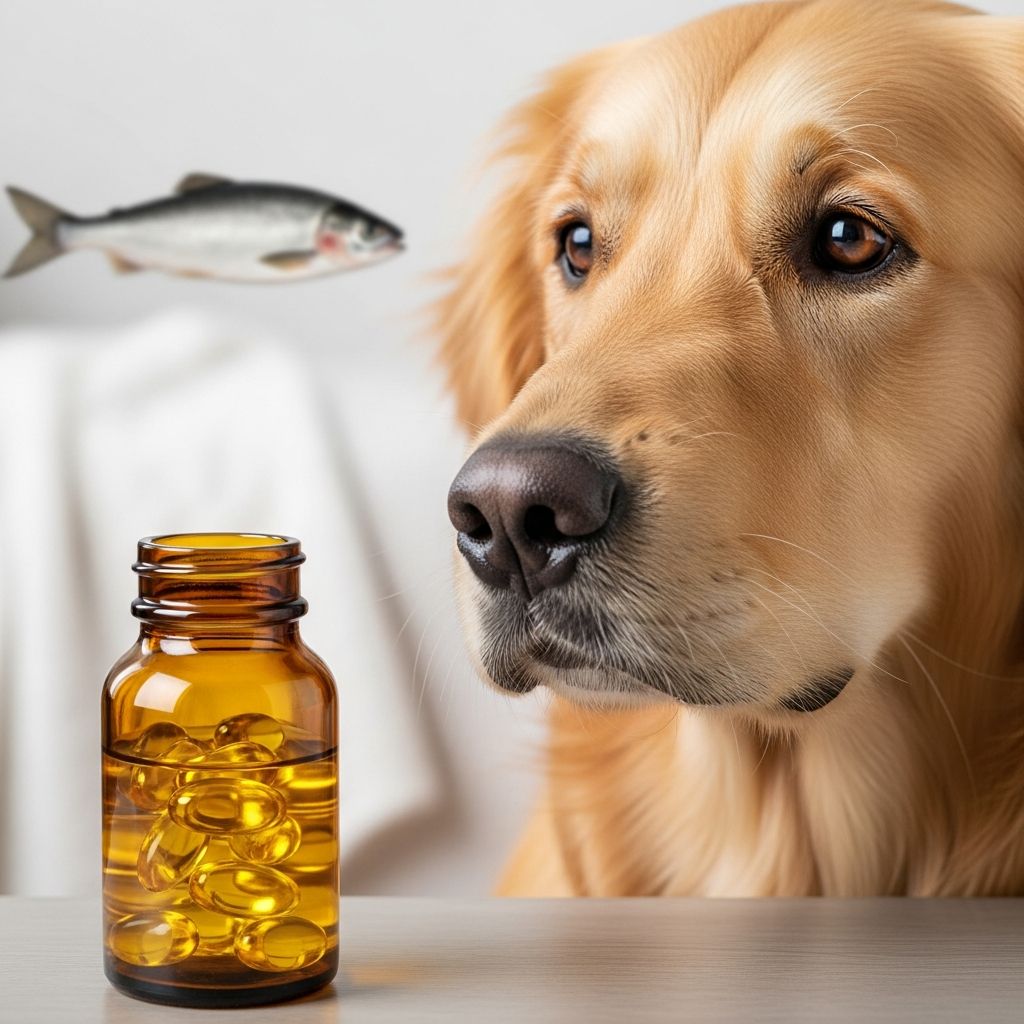
Fish oil supplements deliver essential omega-3 fatty acids that support multiple aspects of canine health, including joint mobility, skin condition, and cognitive function. Selecting a high-quality product ensures your dog receives maximum benefits without risks from contaminants or oxidation.
Why Dogs Need Omega-3 Fatty Acids from Fish Oil
Dogs cannot produce omega-3 fatty acids like EPA (eicosapentaenoic acid) and DHA (docosahexaenoic acid) on their own, requiring dietary sources such as fish oil for optimal health. These nutrients counterbalance omega-6 fatty acids prevalent in many commercial dog foods, which can promote inflammation if imbalanced. An ideal omega-6 to omega-3 ratio, around 30:1 as per AAFCO guidelines, helps prevent chronic issues like allergies and arthritis.
Omega-3s integrate into cell membranes, enhancing flexibility and reducing inflammatory responses throughout the body. Puppies benefit from DHA for brain and eye development, while seniors gain cognitive support against dysfunction resembling dementia.
Key Health Benefits Backed by Research
Fish oil addresses common canine ailments through its anti-inflammatory properties. Here’s a breakdown of proven advantages:
- Joint Support: Reduces arthritis symptoms by inhibiting inflammatory prostaglandins, improving mobility in affected dogs. Studies show supplemented dogs rise, play, and walk better.
- Skin and Coat Improvement: Alleviates dry, itchy skin and allergies, especially in early stages, while promoting a glossy coat.
- Heart and Kidney Health: Mitigates weight loss in heart failure cases and supports kidney function in glomerular diseases.
- Brain Function: Enhances learning in puppies and recognition in older dogs with cognitive decline.
- Immune Boost: Strengthens defenses and may aid in cancer resistance.
Understanding Fish Oil Quality and Sourcing
Not all fish oils are equal; prioritize products from cold-water fish like salmon, sardines, anchovies, or krill, which are rich in EPA and DHA. Avoid vague labels like “fish oil” without species specification, as they may include lower-quality sources.
Look for third-party testing for purity, ensuring low levels of mercury, PCBs, and dioxins. Oxidation is a major concern—rancid oils lose potency and can harm. Choose products with added antioxidants like mixed tocopherols or astaxanthin from krill.
Forms matter: liquid allows precise dosing but risks spoilage; softgels suit picky eaters. Triglyceride form absorbs better than ethyl esters.
How to Determine the Right Dosage
Dosage depends on dog size, health needs, and product concentration. General guideline: 20-55 mg EPA+DHA per pound of body weight daily, starting low to monitor tolerance.
- Small dogs (under 20 lbs): 500-1000 mg combined EPA/DHA
- Medium (20-50 lbs): 1000-2000 mg
- Large (over 50 lbs): 2000-3000+ mg, adjusted for conditions like arthritis
Consult a vet for therapeutic doses, especially with medications. Studies show 16 weeks of supplementation can double the omega-3 index in blood, correlating with pain reduction and better quality of life.
| Dog Weight (lbs) | Daily EPA+DHA (mg) | Notes |
|---|---|---|
| 10 | 500 | Maintenance |
| 30 | 1200-1500 | Joint support |
| 70 | 2500+ | Therapeutic |
Signs Your Dog Needs Fish Oil and Monitoring Progress
Observe for limping, scratching, dull coat, or senior confusion—these signal potential deficiencies. Track improvements in energy, gait, and shedding after 4-8 weeks.
Side effects are rare but include diarrhea or fishy breath; mitigate by freezing capsules or mixing with food. Discontinue if vomiting occurs and seek vet advice.
Integrating Fish Oil into Your Dog’s Diet
Combine with balanced kibble meeting AAFCO standards. For raw or home-cooked diets, fish oil fills omega-3 gaps. Pregnant or nursing dogs require higher DHA for puppy development.
Enhance absorption with vitamin E-rich foods. Rotate sources seasonally to vary antioxidants.
Common Myths and Facts About Fish Oil
- Myth: All fish oils are the same. Fact: Concentration and freshness vary widely.
- Myth: Plant-based omegas suffice. Fact: Dogs convert ALA poorly to EPA/DHA.
- Myth: More is always better. Fact: Excess causes bleeding risks or calorie overload.
Frequently Asked Questions
Can all dogs take fish oil?
Yes, but consult a vet for puppies, pregnant dogs, or those with bleeding disorders.
How long until benefits appear?
Typically 4-12 weeks for noticeable changes in joints or skin.
Is krill oil better than fish oil?
Krill’s phospholipids may improve absorption, but evidence is emerging.
What if my dog hates the taste?
Use flavored liquids, capsules, or mix into treats.
Should I refrigerate fish oil?
Yes, to prevent oxidation; buy small batches.
Choosing Top Brands and Storage Tips
Seek veterinary-grade options with NASC seals or NSF certification. Store in cool, dark places; check expiration dates rigorously.
For multi-dog households, tailor doses individually based on weight and needs.
References
- Fish Oil for Dogs and Cats: Six Benefits — Animal Medical Center of Chicago. Accessed 2026. https://www.animalmedicalcenterofchicago.com/fish-oil-for-dogs-and-cats-six-benefits/
- Five Dog Diseases Fish Oil Can Help Treat — Pet Health Network. Accessed 2026. https://www.pethealthnetwork.com/dog-health/dog-diet-nutrition/five-dog-diseases-fish-oil-can-help-treat
- Fish Oil for Dogs: What to Know — American Kennel Club. Accessed 2026. https://www.akc.org/expert-advice/nutrition/fish-oil-for-dogs/
- Is Fish Oil Good For Dogs? Dosage & Side Effects To Know — We Are The Cure. Accessed 2026. https://wearethecure.org/is-fish-oil-good-for-dogs/
- The Effects of Omega-3 Supplementation on the Omega-3 Index — PMC (Peer-reviewed). 2024. https://pmc.ncbi.nlm.nih.gov/articles/PMC11545626/
- Essential Fatty Acid & Fish Oil Benefits for Dogs — Purina. Accessed 2026. https://www.purina.com/articles/dog/health/nutrition/fish-oil-for-dogs
- Fish Oil Dosing in Pet Diets and Supplements — Today’s Veterinary Practice. Accessed 2026. https://todaysveterinarypractice.com/nutrition/fish-oil-dosing-in-pet-diets-and-supplements/
Similar Articles








Read full bio of medha deb




