

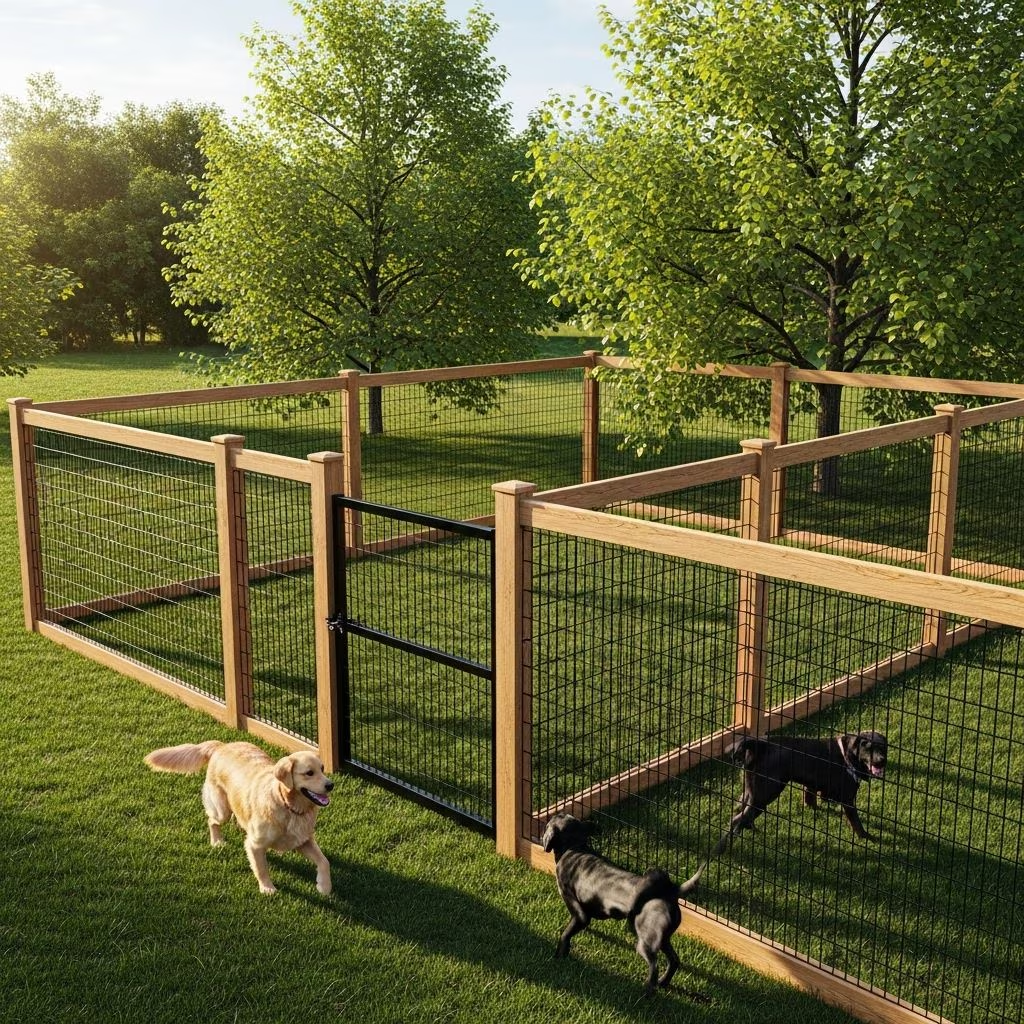
Best Fence for Dogs: A Comprehensive Guide to Keeping Your Pup Safe
Choosing the right fence for your dog is one of the most important decisions you can make as a pet owner. A secure fence provides your dog with a safe space to exercise and play while giving you peace of mind knowing they cannot escape or encounter dangers outside your yard. With numerous fencing options available, it’s essential to understand the differences between each type and how they suit various dog behaviors and needs.
A well-designed dog fence serves multiple purposes: it contains your dog safely within your property, prevents unwanted animals from entering, and creates a boundary that protects your pet from traffic, predators, and other hazards. The ideal fence for your situation depends on your dog’s size, temperament, jumping ability, chewing habits, and digging tendencies. Whether you have a small lap dog or a large, energetic breed, there’s a fencing solution that can meet your specific requirements.
Understanding Different Fence Types for Dogs
When selecting a fence for your dog, you’ll encounter several common options, each with distinct advantages and disadvantages. Understanding these options helps you make an informed decision that balances your dog’s safety with aesthetic preferences and budget constraints.
Aluminum Fences
Residential-grade aluminum fences represent one of the most popular and versatile choices for dog owners. These fences feature vertical pickets with small spaces between them, connected by horizontal bars at the top and bottom. The aluminum used in residential fencing is much thicker, stronger, and heavier than standard aluminum materials.
Aluminum fences offer excellent security and protection for your dog. Unlike wood, which can rot and be chewed through, aluminum remains intact and durable regardless of weather conditions. The material comes in various styles and colors with special powder coating to prevent moisture damage and oxidation. This makes aluminum fences ideal for ensuring your dog stays within the yard while keeping unwanted animals out.
Advantages of aluminum fencing:
– Highly resistant to chewing and weathering- Available in multiple styles and colors- Requires minimal maintenance- Strong enough for large and aggressive dogs- Can accommodate 6-foot or 8-foot heights for jumping dogs
Disadvantages of aluminum fencing:
– May allow visibility of distractions outside the yard- Gaps between pickets may be too wide for very small dogs- Can be moderately priced
Vinyl Fences
Vinyl fencing has become increasingly popular among dog owners seeking durability combined with aesthetic appeal. These fences use vertical pickets and horizontal bars similar to aluminum, but with a plastic-based material. Most vinyl fences include durable hardware and reinforced rails for long-lasting installation.
One of vinyl’s greatest advantages is that it requires no painting, staining, or sealing, making it an excellent low-maintenance option. Vinyl is chew-proof and smooth, preventing the splintering that can occur with wood. Solid vinyl privacy fences are particularly beneficial for dogs that bark at passing cars, animals, or people, as the side-by-side panels and solid construction block the view of outside distractions.
Advantages of vinyl fencing:
– Chew-proof and durable- Requires minimal maintenance- Available in various styles and heights- Provides privacy and reduces visual overstimulation- Weather-resistant and long-lasting- Ideal for jumpers and large breeds when built at appropriate heights
Disadvantages of vinyl fencing:
– More expensive than chain-link or wood- Some homeowners dislike the plastic appearance- Can be difficult to repair if damaged
Wooden Fences
Wooden fences represent a classic choice that can be customized in height and design to match your home’s aesthetic. These traditional fences offer privacy and natural appeal, making them popular among homeowners seeking visual warmth and character in their yards.
However, wooden fences present significant challenges for dog owners. Dogs are known for chewing through wood fences, as many enjoy the taste of the material. Wood is prone to rotting, offers softer material, and becomes easier to chew through over time, especially in wet climates. Regular maintenance including staining, sealing, and repairs is necessary to keep wooden fences in good condition.
Advantages of wooden fencing:
– Natural appearance and classic appeal- Customizable heights and designs- Provides privacy for dogs and homeowners- Relatively affordable initial installation
Disadvantages of wooden fencing:
– Highly susceptible to chewing and damage- Requires regular maintenance and treatment- Prone to rotting in wet climates- Splinters can injure dogs- Shorter lifespan compared to metal or vinyl
Chain-Link Fences
Chain-link fencing offers a durable and budget-friendly option that allows visibility while keeping your dog contained. This fence type features interlocked steel or aluminum wires forming a diamond pattern, creating an open mesh design.
While affordable and practical, chain-link fences have limitations for certain dogs. Agile or determined dogs may be able to climb chain-link, and the open design provides visibility of outside distractions that may overstimulate reactive dogs. However, chain-link remains an excellent choice for dogs that dig, as underground reinforcement can be added to prevent escape attempts.
Advantages of chain-link fencing:
– Budget-friendly option- Durable and weather-resistant- Allows visibility and airflow- Can be reinforced against digging- Long-lasting material
Disadvantages of chain-link fencing:
– Can be climbed by agile dogs- Open design may overstimulate reactive dogs- Less visually appealing than other options- May not suit dogs sensitive to external triggers
Picket and Decorative Fences
Picket fences offer a charming, traditional aesthetic while providing containment for dogs. These fences typically feature evenly spaced vertical boards, creating a classic appearance that complements many home styles. Decorative metal fences, including wrought-iron options, provide strength combined with visual elegance.
Combination fences, such as those with block bottoms and wrought-iron tops, offer versatility by preventing digging while maintaining visibility and decorative appeal. However, these options may be expensive to install and require regular maintenance, particularly painting or treating metal components.
Invisible Fences
Invisible or wireless dog fences use GPS technology or underground wires to create virtual boundaries for your dog. Systems like SpotOn GPS Dog Fence and Halo Collar 4 offer technological solutions that don’t obstruct yard views.
These systems work through collars that emit warnings or corrections when your dog approaches the boundary. However, invisible fences are generally less effective for highly energetic dogs, as they don’t provide the physical barrier that prevents escape attempts in the first place. Additionally, invisible fences cannot prevent other animals from entering your yard.
Choosing the Best Fence Based on Your Dog’s Behavior
The ideal fence for your dog depends on their specific behaviors and characteristics. Understanding your dog’s tendencies helps narrow down the best options for your situation.
For Small Dogs
Small dogs require fences with smaller gaps to prevent squeeze-through escapes. Vinyl or aluminum fences from reputable manufacturers are excellent choices, as they have properly sized spacing between pickets. These materials are harder to climb and provide secure containment for tiny companions. Ensure any fence you choose has picket spacing no wider than 4 inches to prevent your small dog from slipping through.
For Dogs That Jump
Jumping dogs need height and strength in their fencing solution. High-quality vinyl or aluminum fences, built to at least 6 feet in height, serve as your best defense. For particularly athletic jumpers, 8-foot-tall aluminum options are available. These materials are sturdy enough to withstand impact and don’t sag over time, maintaining the barrier height your dog cannot clear.
For Dogs That Chew
Chewing dogs require tough, tasteless materials. Vinyl and aluminum fences are perfect solutions because they are durable and completely unappealing to chew. The EFF-20 Elite Aluminum fence with 5/8-inch square pickets and 1/8-inch spacing represents an excellent option designed specifically for chewers. Avoid wood fencing entirely for chewing dogs, as the material invites destructive behavior and can be quickly destroyed.
For Dogs That Patrol or Watch the Fence
Dogs that continuously patrol fence lines or react to passersby benefit from solid, tall fences with no gaps. Privacy fences block the view of distractions, reducing overstimulation and reactive behaviors. The Lexington privacy fence design provides sufficient height to prevent jumping while eliminating the dog’s ability to see and react to external stimuli. This type of fence often reduces problem behaviors like excessive barking or aggression.
For Dogs That Dig
Digging dogs require underground reinforcement strategies. Chain-link fencing paired with concrete footings or L-footers buried underground prevents tunneling escapes. Some fences can be partially buried or paired with screening materials to create additional barriers below ground level. Consider addressing the underlying cause of digging, such as boredom or anxiety, while implementing physical barriers.
Fence Specifications and Height Recommendations
Proper fence specifications ensure your dog remains safely contained. The standard 6-foot-tall fence accommodates most dogs, but taller options address specific needs. Consider these specifications when selecting your fence:
| Dog Type | Recommended Fence Height | Best Material |
|---|---|---|
| Small dogs under 20 lbs | 4-5 feet with narrow gaps | Vinyl, Aluminum |
| Medium dogs 20-60 lbs | 5-6 feet | Vinyl, Aluminum, Wood |
| Large dogs over 60 lbs | 6-8 feet | Aluminum, Vinyl |
| Aggressive or escape-prone | 6-8 feet solid | Aluminum, Vinyl Privacy |
Installation and Professional Considerations
Proper fence installation is crucial for long-term effectiveness and safety. Professional installation ensures correct depth, proper spacing, and secure attachment of fence components. Consider hiring professionals experienced with dog fencing to guarantee your fence meets all specifications for your dog’s containment.
Professional installers understand critical considerations such as slope adjustments, soil conditions, and building code compliance. They can also provide guidance on post spacing, material selection for your climate, and maintenance requirements specific to your chosen fence type.
Maintenance and Longevity Considerations
Different fence materials require varying levels of maintenance to ensure longevity and safety. Vinyl and aluminum fences require minimal upkeep beyond occasional cleaning. Wooden fences demand regular staining, sealing, and repair to prevent deterioration. Chain-link fences need periodic inspection for rust or damage, while combination fences may require maintenance of multiple material types.
Regular inspection of your fence ensures it remains secure and safe for your dog. Check for gaps, loose boards, rust, or damage that could allow escape or create injuries. Address maintenance issues promptly to extend your fence’s lifespan and protect your dog’s safety.
The Best Overall Choice for Most Dogs
While each fence type has specific advantages, residential-grade aluminum and vinyl fences represent the best overall choices that cover most dogs’ needs. These materials offer the optimal balance of security, durability, aesthetics, and maintenance requirements.
Vinyl fences strike the perfect balance between security, aesthetics, and durability. They’re chew-proof, weather-resistant, and can be built tall enough to contain jumpers or large breeds. The solid design helps prevent overstimulation from passersby and discourages aggressive behaviors tied to visual triggers. For pet owners who want peace of mind and minimal maintenance, vinyl fences provide an excellent solution.
Aluminum fences offer strength and style, making them particularly suitable for dogs who jump or dig and for aggressive dogs. Their elegant appearance combined with low maintenance makes them an attractive option for homeowners seeking both function and form.
Creating a Safe and Secure Outdoor Environment
A secure outdoor space allows your dog to release energy, which helps keep them calm indoors. A well-secured fence prevents your dog from escaping and keeps unwanted animals out. It’s about providing a balance between safety and the freedom to enjoy the great outdoors.
Beyond the fence itself, consider additional safety measures such as secure gates with self-closing mechanisms, regular fence inspections, and ensuring your dog has access to fresh water and shade. An adequately fenced yard combined with supervision creates an ideal environment for your dog’s physical and mental well-being.
Frequently Asked Questions
Q: What is the best fence height for an average-sized dog?
A: A standard 6-foot-tall fence accommodates most medium to large dogs. However, athletic jumpers may require 8-foot fencing. For small dogs, 4-5 feet with narrow picket spacing is typically sufficient.
Q: Can invisible fences completely replace traditional fencing?
A: Invisible fences can provide supplementary containment but are not ideal as a complete replacement, especially for highly energetic dogs. They don’t prevent other animals from entering your yard and don’t provide the physical barrier of traditional fences.
Q: Which fence type is best for dogs that chew?
A: Vinyl and aluminum fences are the best choices for chewing dogs. These materials are durable, tasteless, and cannot be easily destroyed through chewing, unlike wood which is susceptible to damage.
Q: How much maintenance does each fence type require?
A: Vinyl and aluminum require minimal maintenance beyond occasional cleaning. Wooden fences need regular staining and sealing. Chain-link requires periodic inspection for rust. Combination fences may require maintenance of multiple material types.
Q: Is aluminum fencing suitable for large, aggressive dogs?
A: Yes, aluminum fencing is specifically recommended for large and aggressive dogs due to its strength and durability. It can withstand impact and chewing attempts while maintaining structural integrity.
Q: Can fencing prevent digging dogs from escaping?
A: Yes, with proper underground reinforcement such as concrete footings, L-footers, or buried screening, fencing can effectively prevent digging escapes. Chain-link with these reinforcements works particularly well.
Q: What should I consider when choosing between aluminum and vinyl?
A: Consider your budget, aesthetic preferences, maintenance tolerance, and specific dog behaviors. Vinyl offers more privacy and chew-resistance, while aluminum provides a more decorative, lighter appearance. Both offer excellent durability and low maintenance.
References
- 6 Best Invisible Dog Fences [Tested In June 2025] — World Animal Foundation. 2025-06-01. https://worldanimalfoundation.org/dogs/best-invisible-dog-fences/
- Top Dog Fence Options To Keep Your Pup Safe & Sound — Pet Playgrounds. 2024-06-03. https://petplaygrounds.com/2024/06/03/best-fence-for-dogs/
- Dog Fences – A Homeowners Guide To Choosing The Right One — Maintain Free. 2024. https://maintainfree.com/dog-fences-homeowners-guide/
- Which Fence is Best for Dogs? A Comprehensive Guide – Ergeon — Ergeon. 2024. https://www.ergeon.com/blog/post/best-fences-for-pet-owners
- Backyard Dog Fence Ideas & Designs | Freedom Fence Blog — Freedom Fence and Railing. 2024. https://www.freedomfenceandrailing.com/blog/project-planning/backyard-dog-fence-ideas-designs
- What Type of Dog Fence Should I Have? — American Kennel Club. 2024. https://www.akc.org/expert-advice/home-living/types-dog-fences/



