

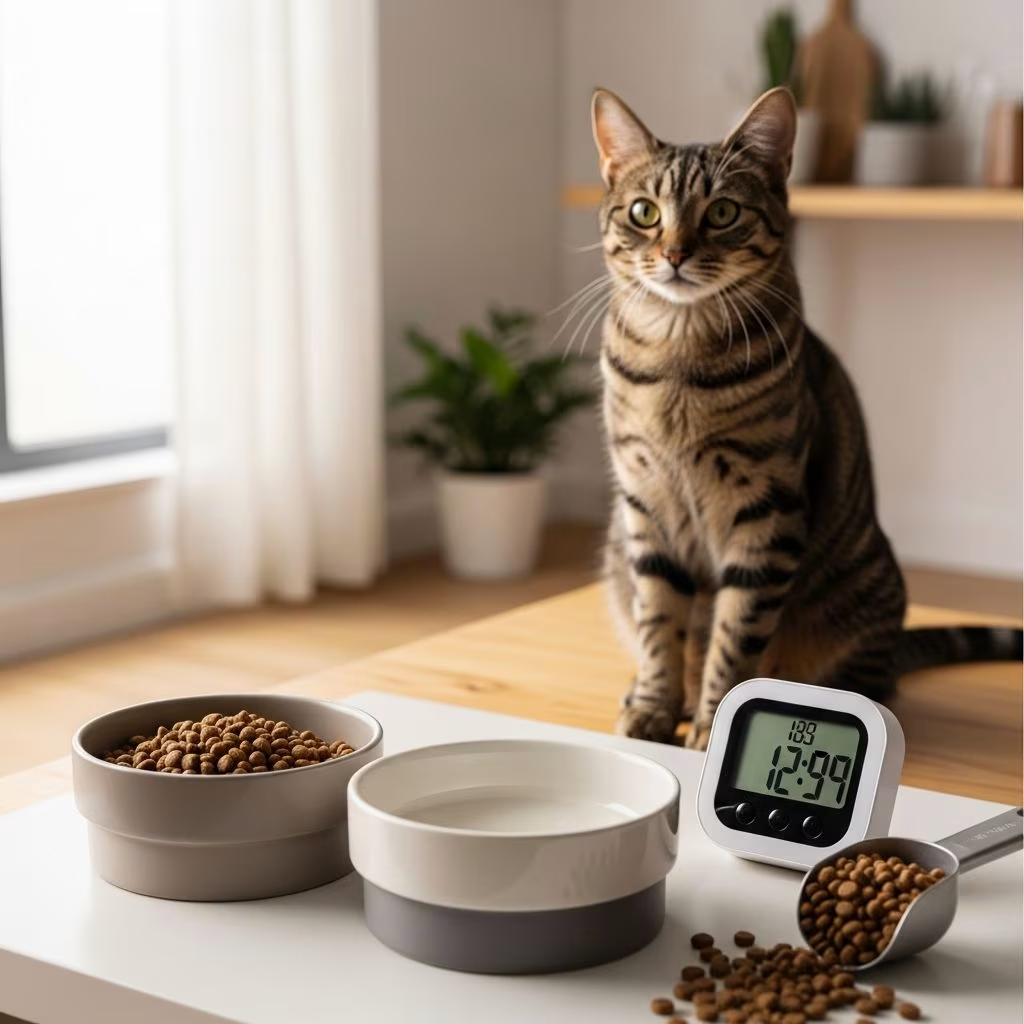
Your cat may meow insistently for food around the clock, but establishing a structured feeding schedule is essential for their health. The optimal approach involves **2-3 meals per day**, spaced 8-12 hours apart, mimicking their natural hunting patterns while promoting weight control and balanced nutrition.
Consistent mealtimes prevent overeating, reduce begging behaviors, and align with a cat’s digestive system, which thrives on smaller, frequent meals rather than free-feeding. This guide covers feeding frequency by age, ideal times, transition tips, and more, drawing from veterinary recommendations.
How Often Should You Feed Your Cat?
The ideal frequency depends on age, health, and lifestyle. Adult cats generally do best with **2 meals per day** (e.g., morning and evening, 12 hours apart), as this fits most schedules and supports metabolic health. Some benefit from **3 meals** to curb hunger between larger feeds or for portion control.
Free-feeding—leaving food out all day—often leads to obesity, especially post-3 months when kittens lose self-regulation. Measured meals ensure precise calorie intake, vital since cats are prone to diabetes and weight gain. Veterinary experts like VCA Hospitals emphasize at least 2 meals for better digestion and energy stability.
Adult Cats (1-7 Years): 2 Meals Per Day
For healthy adults, **twice-daily feeding**—around 7 AM and 5-6 PM—aligns with natural rhythms and human routines. This prevents large binges, stabilizes blood sugar, and reduces obesity risk, per studies on feline metabolism.
- Morning meal kickstarts metabolism after overnight fast.
- Evening meal supports digestion before sleep.
- Total daily calories split evenly (consult vet for exact amounts based on weight/activity).
Kittens (Under 6 Months): 3-4 Meals Per Day
Kittens need **3-4 small meals** due to tiny stomachs and rapid growth. Nursing kittens eat around-the-clock, weaning to frequent solids. By 3 months, switch to scheduled feeds to prevent overeating. VCA notes this supports controlled growth for ideal adult body condition.
| Age Group | Meals Per Day | Key Benefits |
|---|---|---|
| Kittens (0-3 months) | 4+ (post-weaning) | Fuels growth, small portions for tiny bellies |
| Kittens (3-6 months) | 3-4 | High energy needs, prevents hypoglycemia |
| Juvenile (6-12 months) | 2-3 | Transition to adult routine |
Senior Cats (7+ Years): 2-3 Smaller Meals
Seniors often require **2 smaller meals** or **3 mini-meals** for easier digestion amid slower metabolism and potential issues like kidney disease. Adjust for activity; vets may recommend senior formulas.
Best Times to Feed Your Cat
Timing should match your schedule while being consistent. **Morning (7 AM)** and **evening (5 PM)** work for most adults, providing energy bursts akin to hunting. Space meals 8-12 hours apart to mimic wild patterns—cats are crepuscular (active dawn/dusk).
| Time | Purpose | Tips |
|---|---|---|
| 7 AM (Morning) | Boosts daily energy, post-fast digestion | Follow play session to simulate hunt-eat cycle |
| 5 PM (Evening) | Winds down day, stable routine | Quiet area, away from litter box |
| Optional 3rd (Noon) | Bridges gaps for picky eaters | Smaller portions only |
Place bowls in low-traffic spots, separate from water/litter for hygiene.
How Does a Cat’s Age Affect Feeding Schedule?
Age dictates frequency: Kittens demand more for development, adults stabilize at 2 meals, seniors adapt for health.
- Kittens: 3-4x/day supports growth; wet food spoils quickly, so timed feeds.
- Adults: 2x/day matches energy; measure dry food to avoid excess.
- Seniors: Adjustments for dental issues, lower activity; vet consult essential.
Transition juveniles gradually: From 4 to 2-3 meals by 12 months.
Sample Daily Feeding Schedules
Kitten Schedule (Under 6 Months)
- 7 AM: Breakfast
- 11 AM: Mid-morning
- 3 PM: Afternoon
- 7 PM: Dinner
Total: Divide daily kibble/wet into portions.
Adult Cat Schedule
- 7 AM: Morning meal
- 5-6 PM: Evening meal
Ideal for working owners.
Senior Schedule
- 7 AM: Small breakfast
- 12 PM: Light lunch (optional)
- 5 PM: Dinner
Eases digestion.
Transitioning to a New Feeding Schedule
Change gradually over 1 week: Shift times by 15-30 minutes daily to minimize stress. Example: Move dinner from 6 PM to 5 PM—5:45 PM Day 1, 5:30 PM Day 2, etc. Combine with play for positive associations.
Portion Control and Food Types
Measure food precisely—overfeeding is common. Wet food: 1 hour max out; dry: portioned bowls. Play before meals taps hunting instincts, enhancing satisfaction.
Special Considerations
- Multi-cat homes: Separate feeds if weights differ.
- Health issues: Diabetes may need 3-4 meals; vet-prescribed.
- Activity: Active cats may need more calories, spread out.
Frequently Asked Questions (FAQs)
Can I free-feed my cat?
No, it risks obesity. Scheduled meals are better.
How do I know if my cat is overeating?
Monitor weight weekly; rib feel without excess fat.
What if my cat skips meals?
Offer smaller, frequent; check with vet if persistent.
Is wet or dry food better for schedules?
Wet requires timing (spoils); dry allows flexibility but measure.
Should I feed before bed?
Avoid late nights to prevent vomiting; evening 5 PM ideal.
References
- Cat Feeding Schedule Tips from Your Pacheco, CA Vet — Montecito Animal Clinic. 2023-05-15. https://montecitoanimalclinic.com/cat-feeding-schedule-pacheco/
- A Simple Guide To Cat Feeding Times — Cathy’s Critter Care. 2024-02-10. https://cathyscrittercare.com/a-simple-guide-to-cat-feeding-times/
- What Is the Best Feeding Schedule for Cats? — Kinship. 2024-08-20. https://www.kinship.com/cat-nutrition/best-feeding-schedule-cats
- New Cat Feeding Schedule — Adopt a Pet. 2023-11-05. https://www.adoptapet.com/blog/health/cat-feeding-schedule
- Feeding Times and Frequency for Your Cat — VCA Animal Hospitals. 2024-01-12. https://vcahospitals.com/know-your-pet/feeding-times-and-frequency-for-cats



