

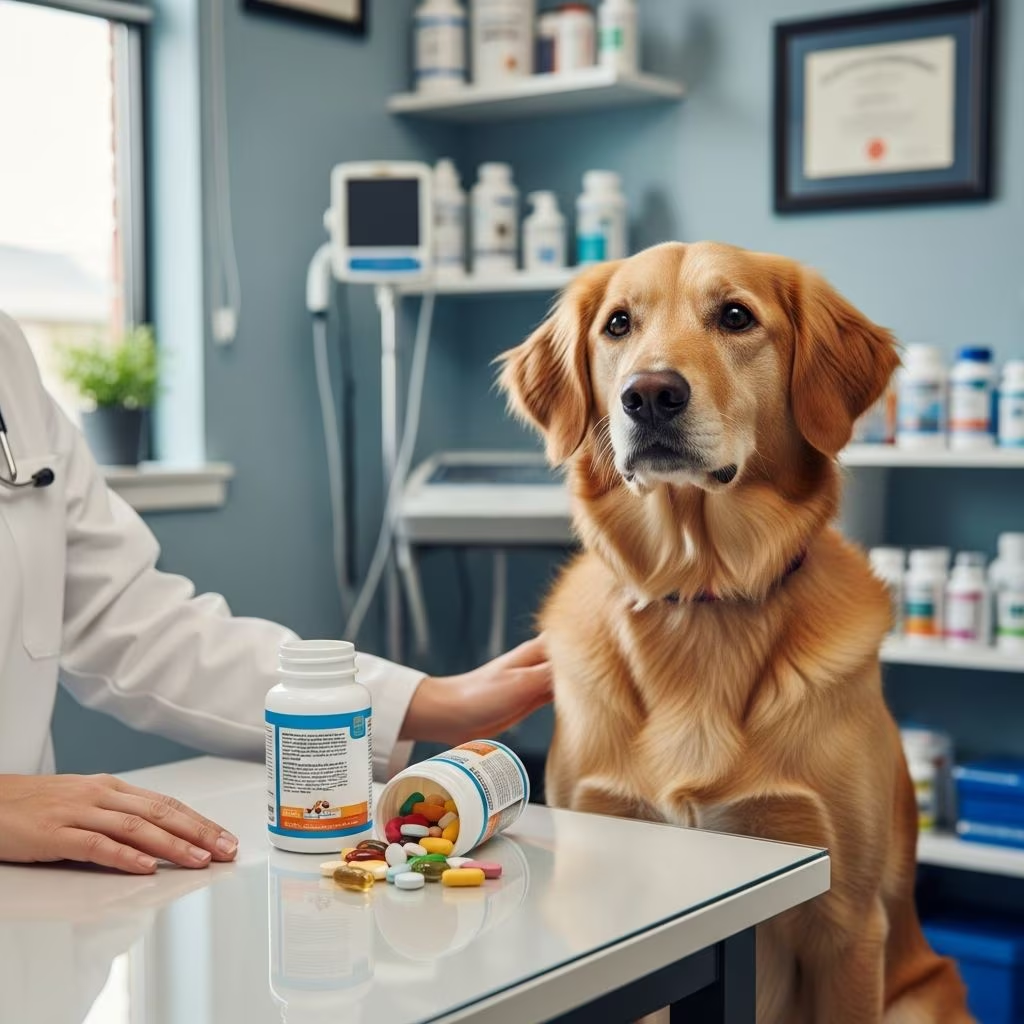
Best Dog Vitamins & Supplements: Vet-Recommended Options for Your Pup
Just like humans, dogs require proper nutrition to maintain optimal health and vitality throughout their lives. While quality dog food forms the foundation of a healthy diet, there are times when additional nutritional support becomes beneficial. Dog vitamins and supplements can play a crucial role in addressing specific health concerns, supporting bodily functions, and promoting overall wellness. Whether your dog is dealing with joint issues, skin problems, digestive challenges, or simply needs an immune system boost, understanding which supplements are right for your pup is essential.
The market offers a wide variety of dog supplements, each formulated to target different health needs. However, not all supplements are created equal, and choosing the right one requires knowledge about ingredients, brand reputation, and your individual dog’s health status. This comprehensive guide explores the best dog vitamins and supplements recommended by veterinarians, helping you make informed decisions for your furry companion’s health and longevity.
Understanding Dog Vitamins and Supplements
Dog vitamins and supplements are products designed to provide additional nutrients that may be lacking in your pet’s regular diet. While most dogs eating AAFCO-certified commercial dog food receive adequate nutrition, certain life stages, health conditions, or individual needs may warrant supplementation. Vitamin deficiencies can occur in pets and often cannot be corrected through pet food alone, making targeted supplements an effective solution.
Supplements for dogs help with various bodily functions including breaking down nutrients, regulating body processes, and boosting immune systems. Common ingredients in dog multivitamins include vitamin A, B vitamins like biotin, folate, B-6 and B-2, and vitamins C, D, E and K, along with minerals like calcium, phosphorus, and iron. Some specialized multivitamins also include functional supplements for joint health, digestion, skin health, and immunity.
Best Multivitamin for Dogs
Zesty Paws 8-in-1 Bites Chicken Flavored Soft Chews Multivitamin for Dogs
When your veterinarian recommends a comprehensive multivitamin, the Zesty Paws 8-in-1 Bites stands out as an excellent choice. According to Dr. Katy Nelson, Chewy’s senior veterinarian, this multivitamin provides support across eight different health areas, including gut health, immunity, and hip and joint function. The soft chew format makes administration effortless, as most dogs eagerly consume them as treats rather than viewing supplementation as a chore.
These 8-in-1 bites are specifically designed to address multiple health concerns simultaneously, making them an efficient option for dogs needing comprehensive nutritional support. The chicken-flavored soft chews appeal to most canines’ palates, and the convenient 90-count package provides a month’s supply for most dogs. Zesty Paws is NASC-approved and offers a variety of supplement products to fit any dog’s specific needs.
Best Liver Supplement for Dogs
Nutramax Denamarin with S-Adenosylmethionine & Silybin Tablets
Liver health is fundamental to overall canine wellness, and when veterinary support for this vital organ is needed, Nutramax Denamarin tablets provide powerful nutritional assistance. The active ingredient, SAMe, helps protect healthy liver cells and may help repair damaged ones. These tablets also contain Silybin, which helps your dog’s liver maintain a healthy oxidative balance.
Dr. Nelson explains that “the SAMe and Silybin in Denamarin provide a powerful combination of support for liver health, as well as cognitive function in dogs.” This dual benefit makes Denamarin particularly valuable for aging dogs or those with specific liver concerns. The tablet format allows for precise dosing, and the 30-count package provides adequate supply for medium-sized dogs requiring liver support.
Best Allergy & Immune System Supplement for Dogs
Nutramax Welactin Omega-3 Fish Oil Skin Liquid Softgels
Omega-3 fatty acids play a critical role in supporting your dog’s immune system, skin health, and overall wellness. Nutramax Welactin Omega-3 Fish Oil Softgels provide a rich source of omega fatty acids that deliver DHA and EPA in an optimally absorbable form. These essential fatty acids support multiple body systems simultaneously, making them invaluable for comprehensive health maintenance.
The benefits of Welactin extend beyond basic immune support. Dr. Nelson notes that these softgels support “skin and coat, kidney, brain and vision health and support joint, heart and immune function.” The liquid softgel format ensures efficient absorption, and the 120-count package provides extended supplementation. Omega-3 fatty acids are particularly beneficial for dogs with allergies, inflammatory conditions, or those needing cognitive and cardiovascular support.
Best Joint Support Supplements
Vetoquinol Flexadin Advanced with UC-II Chews for Dogs
Joint health becomes increasingly important as dogs age or for breeds predisposed to joint issues. Vetoquinol Flexadin Advanced with UC-II Chews represents one of the best joint support options available, offering proven benefits for joint pain relief and mobility enhancement. UC-II undenatured type II collagen is a patented ingredient that specifically targets cartilage support and joint function.
These chewable supplements are formulated to reduce inflammation, decrease pain, and improve mobility for canine companions. The soft chew format makes administration simple, and most dogs readily consume them without resistance. Joint supplements are particularly valuable for senior dogs, large breed dogs, or those recovering from orthopedic surgery.
VetriScience GlycoFlex Stage III Joint Support Chew
Another excellent joint support option incorporates the green-lipped mussel, a natural source of glucosamine and chondroitin. VetriScience GlycoFlex Stage III provides bite-size chews that include beneficial components of green-lipped mussel combined with high levels of glucosamine for serious joint care. This complete combination means less inflammation, less pain, and more mobility for your canine companion.
Best CoQ10 for Heart Health
Vetriscience Coenzyme Q10 Healthy Heart
Heart health is paramount for dogs of all ages, and CoQ10 supplements provide important cardiovascular support. Vetriscience Coenzyme Q10 offers an affordable option for supporting heart health, with capsules that are unflavored, making them suitable for dogs with food sensitivities or allergies. If your dog doesn’t like swallowing pills, you can open the capsule and sprinkle the contents over their food.
For large or extra-large dogs, higher-dose CoQ10 supplements like Dog Vites CoQ10 Chewables (30 mg) may be preferable to avoid administering six or more capsules daily. CoQ10 is particularly beneficial for aging dogs and those with cardiac concerns, as this powerful antioxidant supports heart function and cellular energy production.
Best Vitamin B Supplement
ThorneVet B Complex Vitamin B Support Soft Chews
Vitamin B supplementation is especially important for dogs with gastrointestinal issues or those that struggle to absorb nutrients in their food. ThorneVet B ComplexVET provides four active forms of B vitamins in naturally flavored poultry chews. One possible sign of malabsorption is chronically soft stools, and in these cases, vitamin B can be particularly helpful.
This soft chew is specially formulated for digestive issues and contains a well-rounded blend of B vitamins, including B1, B2, B3, B5, B6, B12, folate, biotin, and choline. The product is also suitable for cats and horses, demonstrating its broad-spectrum effectiveness. ThorneVet is one of the most trusted brands in the animal supplement industry, with NASC approval and a reputation for quality across human and animal supplement lines.
Skin and Coat Supplements for Dogs
Healthy skin and coat are indicators of overall wellness in dogs. Fish oil, biotin, flaxseed, omega-6 fatty acids, vitamin A, and zinc are all beneficial for dog skin and coat health. Many premium dog supplements incorporate multiple skin and coat support ingredients to address dry skin, dull coats, itching, and other dermatological concerns.
Omega-3 and omega-6 fatty acids work synergistically to reduce inflammation, promote skin hydration, and enhance coat shine and softness. Biotin supports keratin production, strengthening hair follicles, while vitamin A promotes healthy skin cell turnover. Zinc plays a crucial role in skin repair and immune function, making it an essential component of comprehensive skin and coat supplements.
Forms of Dog Supplements
Dog vitamins and supplements come in various formats designed to accommodate different preferences and administration needs:
Chewable Bites
Soft chew vitamins resemble treats and come in appealing flavors like beef or peanut butter. Dogs often see these as rewards rather than supplements, making administration straightforward and enjoyable.
Liquids and Oils
Liquid supplements can be mixed with your pet’s current food as a supplemental boost to their diet. They come in flavored or tasteless options, providing flexibility for dogs with varying preferences.
Powders
Powdered supplements are easy to mix with dry or wet food, making them ideal for picky eaters or dogs with swallowing difficulties.
Gel Supplements
Gel supplements can be mixed with food if liquid supplements become too messy, offering another convenient administration option.
Capsules and Tablets
For dogs that can swallow pills, capsules and tablets offer precise dosing and concentrated nutrient delivery. Many capsules can be opened and sprinkled over food for dogs resistant to swallowing pills.
How to Give Multivitamins to Your Dog
Administering multivitamins to your dog is straightforward with multiple options available. Place multivitamins in your dog’s food or administer them directly, following the dosage information provided on the product package. Many dog multivitamins come in palatable forms like soft chews, chewable tablets, pastes, flavored powders, or liquids that are fairly easy to administer.
You can hide multivitamin supplements in a favorite treat or treat pocket, making supplementation a positive experience. For dogs with food sensitivities or those resistant to flavored supplements, unflavored capsules that can be sprinkled over food provide an excellent alternative. Consistency is key to establishing a supplementation routine, so choose a format and administration method that works best for your lifestyle and your dog’s preferences.
Common Ingredients in Dog Multivitamins
| Vitamin/Mineral | Food Sources | Key Benefits |
|---|---|---|
| Vitamin A | Carrots, eggs, fish oil, pumpkin, spinach, sweet potatoes | Supports vision, growth, immune system and cell function |
| Vitamin B | Whole grains, beans, beef, pork, liver | Supports brain function, energy levels, cell metabolism and health |
| Vitamin C | Organ meats, broccoli, citrus fruits | Antioxidant support and immune function |
| Vitamin D | Fatty fish, fish oil, egg yolks, beef, liver | Supports mineral balance and healthy bone growth |
| Vitamin E | Wheat germ, whole grain, salmon, trout | Fat-soluble nutrient supporting cell function and metabolism |
| Vitamin K | Leafy greens, green beans, beef liver, chicken | Essential for blood clotting and protein activation |
| Calcium & Phosphorus | Dairy products, bones, leafy greens | Supports bone health and skeletal development |
Choosing the Right Supplement for Your Dog
Selecting the appropriate supplement for your dog requires careful consideration of their specific health needs, age, size, and any existing health conditions. Before introducing any new supplement, always consult with your veterinarian to ensure the product is appropriate for your pet and won’t interfere with any existing medications or conditions.
When evaluating supplements, look for NASC (National Animal Supplement Council) seal approval as an indication that a supplement meets safety standards for dogs. Read ingredient lists carefully, particularly if your dog is on a restricted diet or has known food sensitivities. Premium brands like Zesty Paws, Nutramax, VetriScience, and Thorne Vet have established reputations for quality and safety in the pet supplement industry.
Special Considerations for Different Dog Sizes
Dog size significantly impacts supplement dosing and format selection. Small dogs may benefit from soft chews that are easier to consume, while large dogs might require higher-dose supplements to achieve therapeutic levels. For giant breed dogs, some supplements like CoQ10 may need to be given in higher concentrations to avoid administering excessive numbers of capsules daily.
Senior dogs and puppies have different nutritional requirements than adult dogs in their prime. Puppies need supplements supporting growth and development, while senior dogs benefit from joint support, cognitive supplements, and antioxidants. Always verify that supplements are formulated for your dog’s specific life stage and size category.
Safety and Quality Assurance
Not all dog supplements are created equal, and quality varies significantly across brands and products. Look for supplements manufactured by established companies with strong reputations in veterinary nutrition. NASC-approved supplements meet rigorous quality standards and have been evaluated for safety and efficacy.
Be cautious with supplements that make unrealistic health claims or lack scientific backing. Some human vitamins can be toxic to dogs, so always choose products specifically formulated for canine use. Reading customer reviews and consulting veterinary recommendations can help identify supplements with strong track records of safety and effectiveness.
Frequently Asked Questions About Dog Vitamins & Supplements
Q: Does my dog need vitamins if they eat commercial dog food?
A: Most dogs eating AAFCO-certified commercial dog food receive adequate nutrition without additional vitamins. However, supplements may be beneficial for dogs with specific health conditions, dietary restrictions, or those showing signs of nutritional deficiency. Consult your veterinarian to determine if supplementation is necessary for your individual dog.
Q: When should I start giving my dog supplements?
A: The appropriate time to start supplements depends on your dog’s individual health needs and life stage. Puppies may benefit from growth-supporting supplements, while senior dogs often benefit from joint support and cognitive supplements. Discuss timing and specific supplement recommendations with your veterinarian based on your dog’s health status.
Q: Can supplements interfere with medications?
A: Yes, some supplements can interact with medications or affect their efficacy. Always inform your veterinarian about any supplements you’re considering, especially if your dog is currently taking prescription medications. This ensures safe concurrent use and prevents potentially dangerous interactions.
Q: What’s the best way to administer supplements to a picky eater?
A: Try mixing powdered supplements with wet food, hiding tablets or capsules in treat pockets, or using liquid supplements that blend seamlessly with meals. If your dog remains resistant, unflavored capsules can be opened and sprinkled over their favorite food without affecting taste.
Q: How long does it take to see results from supplements?
A: Results vary depending on the supplement type and the condition being addressed. Joint supplements typically take 4-6 weeks to show noticeable improvement, while skin and coat supplements may take 8-12 weeks. Always maintain consistent dosing and give supplements adequate time to work before evaluating effectiveness.
Q: Are there any side effects from dog supplements?
A: Most quality supplements designed for dogs are well-tolerated with minimal side effects. However, some dogs may experience mild digestive upset when starting new supplements. Introduce supplements gradually and monitor your dog for any adverse reactions. Report any concerning symptoms to your veterinarian immediately.
Q: Should I give my dog supplements year-round or seasonally?
A: Recommendations depend on the specific supplement and your dog’s needs. Some supplements like joint support are beneficial year-round, while seasonal allergies may warrant temporary omega-3 supplementation. Your veterinarian can provide personalized guidance based on your dog’s individual health profile and needs.
References
- The Best Dog Supplements, With Advice From Veterinarians — Business Insider. 2025. https://www.businessinsider.com/guides/pets/best-dog-supplement
- Dog Vitamins & Minerals: Dog Multivitamins & More — Chewy. 2025. https://www.chewy.com/b/multivitamins-1572
- Complete Guide to Dog Vitamins & Supplements — Rawz Natural Pet Food. 2025. https://rawznaturalpetfood.com/dog-vitamins-supplements/
- Best Dog Vitamins & Supplements: Vet Recommended — Chewy. 2025. https://www.chewy.com/education/dog/health-and-wellness/the-best-dog-vitamins-and-supplements
- Dog Vitamins: How Do They Work, And Does Your Dog Need Them? — PetMD. 2025. https://www.petmd.com/dog/general-health/dog-vitamins
- How to Choose the Right Joint Supplement for Your Dog — Chewy. 2025. https://www.chewy.com/education/cat/food-and-nutrition/choosing-the-best-joint-supplements-for-dogs
- Best Skin and Coat Supplements for Dogs — Chewy. 2025. https://www.chewy.com/education/dog/health-and-wellness/5-supplements-and-ingredients-for-a-healthy-coat



