

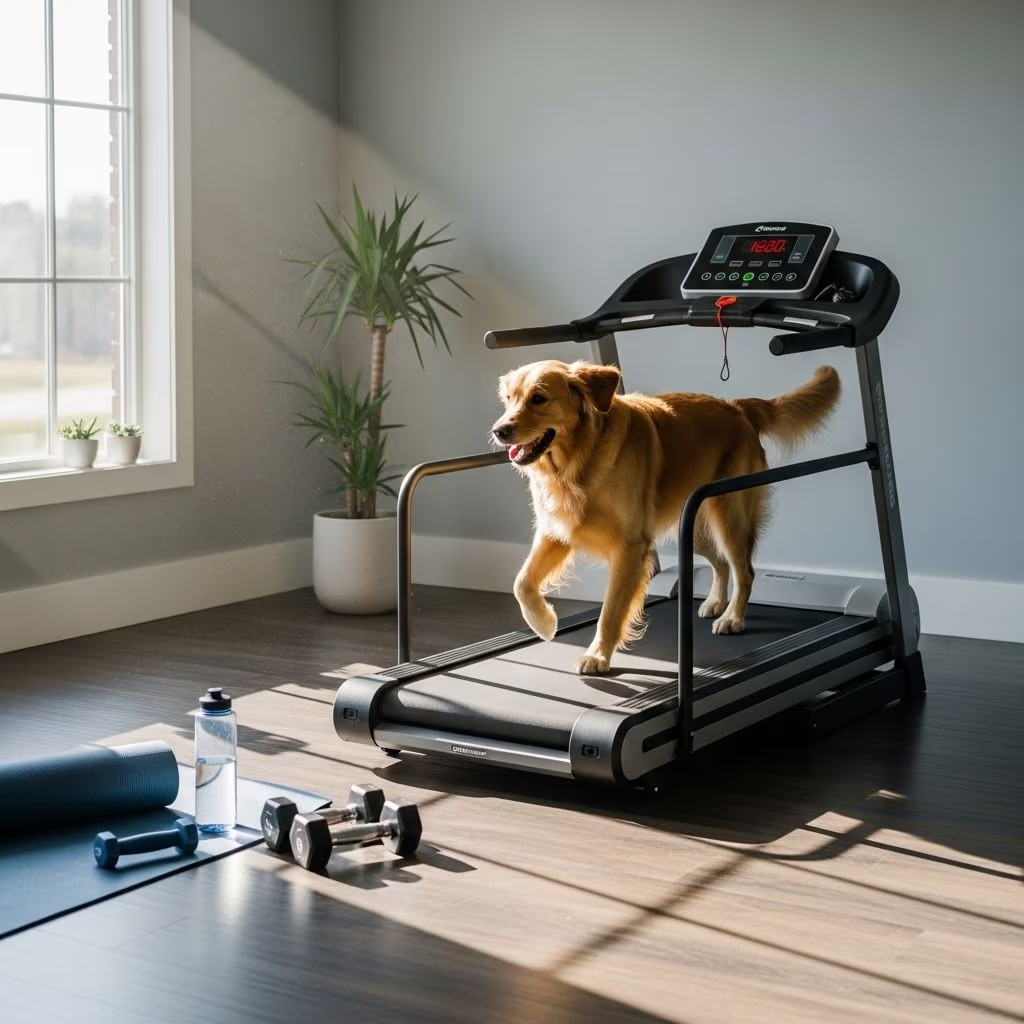
Indoor treadmills designed specifically for dogs provide a reliable way to maintain physical activity regardless of outdoor conditions. These machines support everything from daily calorie burning to targeted rehabilitation, helping dogs of all ages and breeds stay in peak condition.
Why Invest in a Dog Treadmill?
Dog treadmills address multiple fitness needs by offering controlled exercise environments. They prove especially valuable during harsh weather, allowing consistent routines without exposure to extreme temperatures or poor footing. High-energy breeds benefit from structured sessions that channel their drive productively, while calmer dogs gain from supplemental movement that enhances overall well-being.
Regular use promotes cardiovascular health through steady aerobic work, which strengthens the heart and lungs without the joint stress of high-impact activities. Owners report noticeable improvements in stamina, muscle tone, and even behavioral patterns, as purposeful exercise reduces pent-up energy that might otherwise lead to restlessness.
- Weather-independent workouts: Train indoors during rain, snow, or heatwaves.
- Mental stimulation: Structured sessions build confidence and routine.
- Customizable intensity: Adjust speed and incline for specific goals.
Health Advantages of Treadmill Workouts for Canines
Treadmill training delivers targeted physical gains backed by veterinary insights. For working or sporting dogs, it builds endurance vital for performance roles like search and rescue. The consistent pace encourages proper gait, aiding dogs with mobility challenges by extending hind limbs more effectively than free walking.
In rehabilitation settings, land-based treadmills assist recovery from orthopedic issues. They provide sensory feedback that reinforces joint movement and muscle engagement, particularly useful post-surgery when water therapy isn’t feasible. Incline features shift weight distribution, strengthening forelimbs or hindquarters as needed.
| Benefit | Description | Ideal For |
|---|---|---|
| Joint Protection | Reduced impact compared to running on hard surfaces | Senior dogs, rehab patients |
| Muscle Building | Incline resistance targets specific groups | Athletic breeds |
| Cardio Endurance | Steady trot elevates heart rate safely | High-energy pups |
| Gait Improvement | Consistent speed corrects patterns | Dogs with hip dysplasia |
Aquatic variations amplify these effects through buoyancy, slashing injury risk while boosting flexibility. Water resistance engages muscles deeply, ideal for endurance without overload.
Choosing the Right Treadmill Type for Your Dog
Dog treadmills come in motorized and manual varieties, each suiting different scenarios. Motorized models drive the belt automatically, enforcing pace for beginners or rehab cases. They ensure symmetrical movement, honing coordination and form crucial for show dogs or athletes.
Manual options rely on the dog’s propulsion, mimicking natural running but demanding more effort. These suit advanced users seeking variable resistance via body weight alone. Size matters greatly—small breeds need compact belts under 40 inches, while large dogs require 60+ inches for comfort.
- Motorized: Consistent speed, shorter training time, body-weight resistance.
- Manual: Builds drive, portable, lower cost.
- Underwater: Buoyancy for low-impact, professional use.
Key specs include speed range (0.5-12 mph), incline (0-30%), and safety features like emergency stops. Quiet operation prevents anxiety, and side walls keep paws secure.
Top Features to Prioritize in Dog Treadmills
Modern treadmills incorporate user-friendly elements for seamless integration into home routines. Remote controls allow speed tweaks without interrupting flow, while pre-set programs simulate walks or runs. Durable belts withstand claws, and non-slip surfaces prevent slips.
For anxious dogs, gradual introduction via low speeds fosters trust. Incline adjustments up to 15% add challenge, building rear-end awareness essential for agility. Some models include heart rate monitors, tracking progress objectively.
| Feature | Benefit | Models With |
|---|---|---|
| Variable Speed | Accommodates all fitness levels | Most motorized |
| Incline/Decline | Targets muscle groups | Pro-grade units |
| Safety Lanyard | Auto-stop if dog exits | All reputable brands |
| Compact Design | Fits small spaces | Small breed models |
Step-by-Step Training Guide for Treadmill Success
Introduce the treadmill positively to ensure long-term enthusiasm. Start with familiarization: Place treats on the stationary belt, luring your dog to step on briefly. Reward heavily for calm presence, building association with positivity.
Progress to motion: Power on at slowest speed with you beside them, using high-value treats for each step. Sessions last 1-2 minutes initially, multiple times daily. Always end on a high note, before fatigue sets in.
- Week 1: Stationary play, 5-minute sessions.
- Week 2: Slow walk (0.5 mph), 5-10 minutes.
- Week 3: Add speed/incline, monitor form.
- Ongoing: Warm-up/cool-down, 20-30 minutes.
Incorporate warm-ups to prevent cramps, mimicking athletic prep. For fearful dogs, pair with desensitization, channeling energy into motion while rewarding calm.
Addressing Behavioral and Therapeutic Needs
Treadmills excel for dogs with confidence issues or reactivity. Controlled settings redirect anxiety into productive effort, fostering accomplishment. Police or service dogs gain from endurance drills, perfecting trot for duty.
In therapy, they aid neurological recovery by stimulating gait reflexes. Unlike outdoor walks with distractions, treadmills enforce straight paths, rebuilding patterns efficiently. Pair with professional guidance for complex cases.
Sizing and Breed-Specific Recommendations
Match treadmill dimensions to your dog’s build. Small breeds (under 25 lbs) thrive on 20×40-inch belts; medium (25-75 lbs) need 24×50; giants (over 75 lbs) demand 28×72. Test for stride length to avoid cramping.
- Small breeds: Portable, low-speed focus.
- Large breeds: Heavy-duty motors, wide belts.
- Seniors: Low-impact, incline-free.
Maintenance Tips for Longevity
Regular upkeep ensures safety and performance. Lubricate belts monthly, vacuum debris, and inspect for wear. Store in dry areas to prevent mold, and tighten bolts quarterly. Clean with pet-safe wipes post-use.
Frequently Asked Questions (FAQs)
Is a dog treadmill safe for puppies?
Yes, with gradual training and vet approval. Start slow to support growing joints.
How often should my dog use the treadmill?
3-5 sessions weekly, 15-30 minutes each, based on age and health.
Can treadmills help overweight dogs?
Absolutely—they provide low-impact cardio for safe weight loss.
What’s the difference between human and dog treadmills?
Dog models have lower heights, side rails, and pet-specific speeds/sizes.
Do I need professional training?
Home use works with guides, but pros help for rehab or behavior issues.
References
- Treadmill Training for Dogs — Cornell University Riney Canine Health Center. 2023. https://www.vet.cornell.edu/departments-centers-and-institutes/riney-canine-health-center/canine-health-topics/treadmill-training-dogs
- HydroWorx Underwater Treadmill Training for Working Dogs — HydroWorx. 2024. https://www.hydroworx.com/hydroworx-underwater-treadmill-training-for-working-dogs-enhancing-performance-and-endurance/
- Benefits of Electric Treadmills — Maximum K9 Services. 2023. https://maximumk9service.com/pages/benefits-of-electric-treadmills
- How to Use a Treadmill to Exercise Your Dog — American Kennel Club. 2024. https://www.akc.org/expert-advice/health/use-your-treadmill-to-exercise-your-dog/
- Treadmill Training For Your Dog — Argos Dog Training. 2023. https://argostraining.com/why-your-dog-wants-a-gym-membership-treadmill-training-for-your-dog/



