

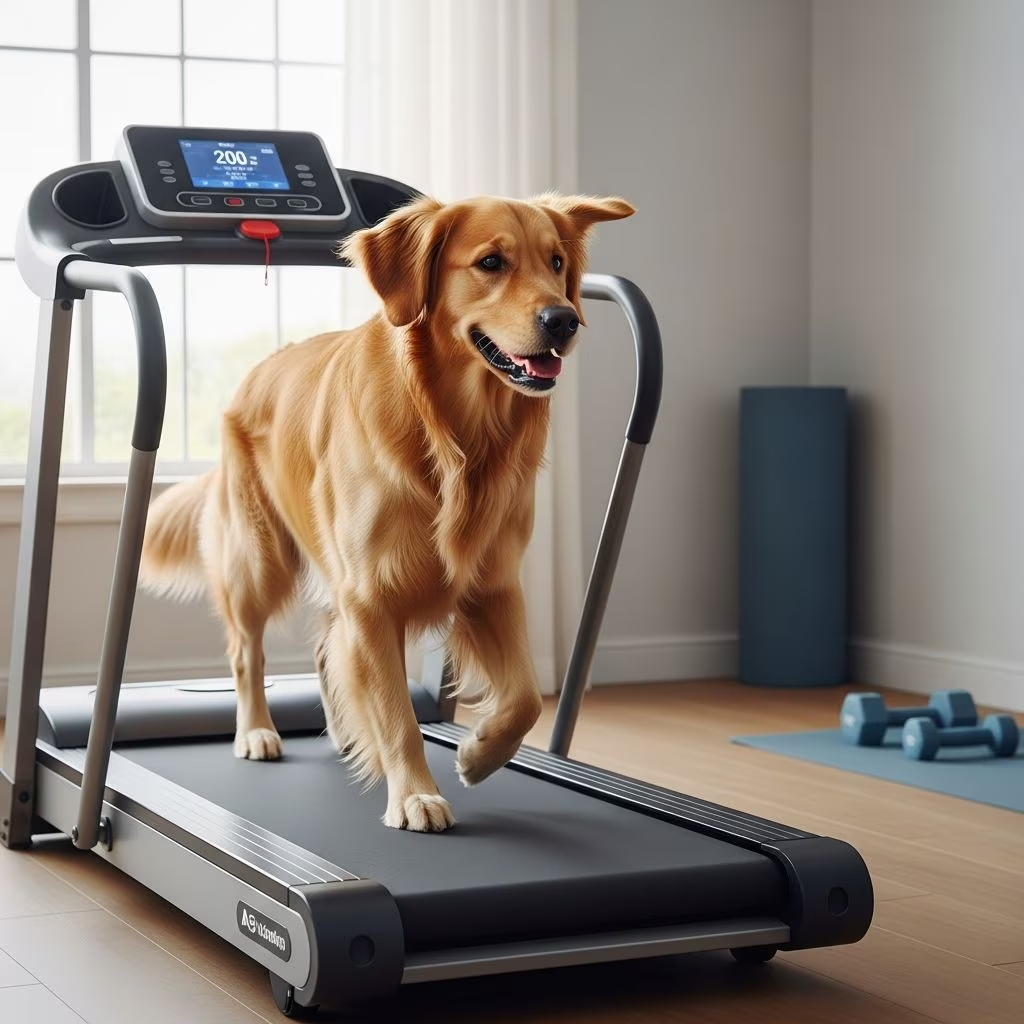
Dog treadmills offer a reliable way to ensure your pet gets consistent exercise, particularly useful in urban settings, bad weather, or for dogs with specific health needs. These machines support physical conditioning, mental focus, and rehabilitation, helping dogs of all sizes and breeds maintain optimal health.
Why Invest in a Dog Treadmill?
Regular physical activity is essential for dogs to prevent obesity, build muscle, and improve cardiovascular health. Treadmills provide controlled workouts that mimic natural movement while allowing precise speed and duration adjustments. Unlike outdoor walks, treadmill sessions demand focus, reducing distractions and enhancing mental stimulation.
For high-energy breeds like German Shepherds or Labradors, treadmills burn excess energy effectively in limited spaces. They also aid smaller dogs or seniors by offering low-impact exercise. Experts note that consistent use leads to calmer behavior and better overall fitness.
- Physical benefits: Strengthens muscles, improves stamina, and supports weight management.
- Mental advantages: Builds focus and reduces anxiety through structured activity.
- Health support: Assists in rehab for conditions like hip dysplasia.
Key Benefits of Treadmill Training
Treadmill workouts deliver targeted advantages for canine well-being. Motorized models promote symmetrical trotting, enhancing coordination without harness resistance. Owners can track progress by adjusting speed, incline, and time, applying exercise science principles like progressive overload.
For working dogs such as police or sporting breeds, treadmills match their fitness levels when human exercise falls short. In rehab, they reestablish gait patterns for neurological issues, with land versions used post-surgery or for water-averse dogs. Mental exercise from focusing on movement helps anxious or aggressive dogs channel energy productively.
| Benefit | Description | Ideal For |
|---|---|---|
| Cardiovascular Health | Steady trotting boosts heart function and endurance. | All breeds |
| Muscle Building | Incline adds resistance for strength gains. | Athletic dogs |
| Rehabilitation | Controlled speeds aid recovery from injuries. | Dogs with orthopedic issues |
| Mental Focus | Requires concentration, calming behavior. | High-energy or reactive dogs |
| Convenience | Weather-independent indoor exercise. | Urban dwellers |
Types of Dog Treadmills Available
Dog treadmills vary to suit different needs and budgets. Electric models offer precise control over speed and incline, ideal for conditioning and rehab. They prevent premature recovery by maintaining consistent motion, suiting dogs needing structured programs.
Non-motorized slatmills let dogs dictate pace, reducing injury risk as they can stop anytime. These are popular for natural movement training. Human treadmills work for basic needs but limit speed to about 2 mph for safety, best for calm walks rather than intense sessions.
Underwater treadmills, often in clinics, use buoyancy for low-impact rehab, though home land versions suffice for most. Size matters: small belts for toys, large for giants. Features like remote controls and safety stops enhance usability.
How to Train Your Dog on a Treadmill
Introduce treadmills gradually to build confidence. Start with the machine off, luring with treats onto the belt. Turn it on at the slowest speed, rewarding calm focus. Sessions should be short—10-20 minutes—ending on a positive note before fatigue sets in.
Warm-ups and cool-downs prevent cramps, just like human athletes. Use high reinforcement early to associate the treadmill with fun. For fearful dogs, pair with desensitization, slowly increasing speed. Monitor age and fitness; seniors benefit from brisk walks over trots.
- Acclimate off-machine with treats.
- Start slow with constant rewards.
- Build duration and speed progressively.
- Incorporate inclines for advanced training.
- Always supervise and end positively.
Choosing the Right Treadmill for Your Dog
Select based on breed size, activity level, and goals. For apartments, compact electric models fit well. Performance dogs need wider belts and higher speeds. Budget options start under $500, while pro-grade exceed $2000 with advanced controls.
Consider safety: enclosed sides prevent jumping off, quiet motors avoid startling. Durability ensures longevity for daily use. For show dogs, models supporting gait analysis and stacking practice add value. Read reviews for real-user insights on noise and stability.
- Small dogs: Narrow belts, low max speed.
- Large breeds: Wide, sturdy frames.
- Rehab focus: Adjustable inclines/declines.
- Budget pick: Basic motorized with remote.
Safety Tips for Treadmill Use
Prioritize safety to avoid injuries. Never force a reluctant dog; build trust first. Limit sessions to prevent overexertion, watching for signs like heavy panting. Ensure proper fit—no dangling limbs—and use harnesses if needed for stability.
Cornell vets caution that treadmills increase braking forces, potentially worsening foot scuffing in some cases. Consult a vet for dogs with pre-existing conditions. Clean the belt regularly to prevent slips, and secure the area around the machine.
Real-World Applications and Success Stories
Treadmills shine in diverse scenarios. Urban owners keep large breeds toned without parks. Trainers use them for off-season conditioning, improving reach for shows. Rehab patients regain mobility faster with consistent, controlled exercise.
One trainer notes mental benefits: dogs focus solely on movement, curbing reactivity. Another highlights slatmills for unrestricted running, building handler trust. Families report calmer pets post-daily sessions, even at low speeds.
Common Myths About Dog Treadmills
Myth: Treadmills are only for athletes. Reality: All dogs benefit from controlled exercise. Myth: They’re dangerous. Fact: Proper training and models minimize risks. Myth: Dogs hate them. Truth: Most love the routine once acclimated.
Frequently Asked Questions (FAQs)
Can any dog use a treadmill?
Yes, with proper introduction. Puppies, seniors, and those with mild issues can benefit, but consult a vet first.
How long should sessions last?
Start with 5-10 minutes, building to 20-30 based on fitness. Multiple short sessions beat one long one.
Are human treadmills safe for dogs?
They work for basics but lack dog-specific sizing and speeds; dedicated models are better.
Do treadmills help with weight loss?
Absolutely—consistent use burns calories and builds muscle, aiding weight management.
What’s the best speed for beginners?
A slow walk (1-2 mph) focuses on acclimation and mental work before increasing.
Maintenance and Longevity Tips
Regular cleaning prevents bacterial buildup. Lubricate belts as per manual. Store in a dry area. Annual checks ensure motor health, extending lifespan to years of use.
References
- Treadmill training for dogs — Cornell University College of Veterinary Medicine. 2023. https://www.vet.cornell.edu/departments-centers-and-institutes/riney-canine-health-center/canine-health-topics/treadmill-training-dogs
- Benefits of an Electric Dog Treadmill — Maximum K9 Services. 2024. https://maximumk9service.com/pages/benefits-of-electric-treadmills
- How to Use a Treadmill to Exercise Your Dog — American Kennel Club. 2023-10-27. https://www.akc.org/expert-advice/health/use-your-treadmill-to-exercise-your-dog/
- 6 Reasons to Treadmill Train Your Dog — DT Beyond Dog Training. 2024. https://dtbeyond.com/dog-training-blog/b/6-reasons-to-treadmill-train-your-dog–poughkeepsie-dog-trainer
- Dog Treadmill – Quick Guide On The Most Important Features — MN Dog Training. 2023. https://www.mndogtraining.com/articles/dog-treadmill-training/



