Best Dog Training Treats Guide
Discover the ideal treats to motivate your dog during training sessions while keeping health and nutrition in focus for effective learning.
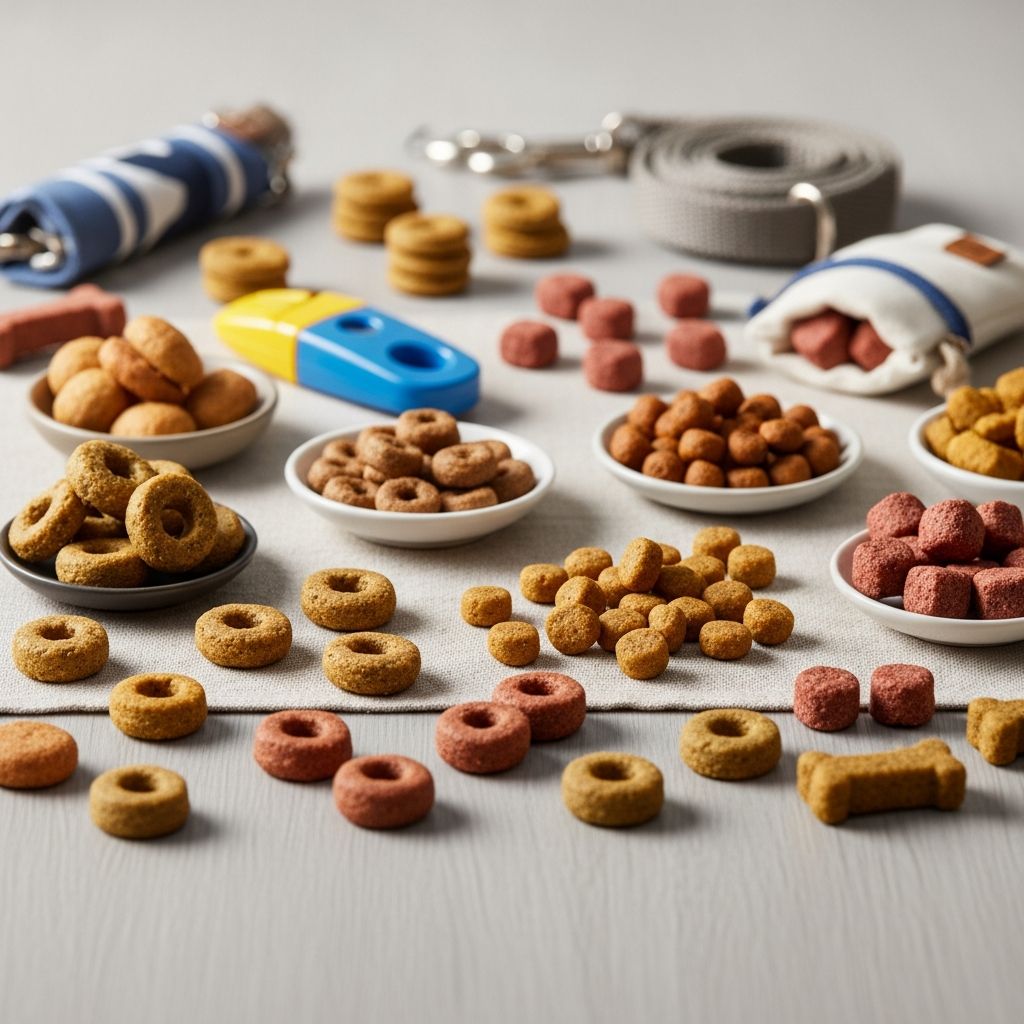
Selecting the right treats transforms dog training into an engaging and productive experience. These rewards must be appealing, quick to consume, and nutritionally sound to support learning without compromising health.
Why Treats Drive Successful Training
Treats serve as powerful motivators in positive reinforcement methods, where desired behaviors earn immediate rewards. This approach strengthens associations between actions and positive outcomes, accelerating obedience and skill development. High-quality treats maintain focus by being irresistible yet low in calories, preventing overfeeding during extended sessions.
Effective treats encourage consistency; dogs anticipate rewards, boosting repetition of good behaviors. They also enhance bonding, as shared rewards build trust. Nutrition matters too—treats with proteins, omega-3s, and minimal fillers support energy and coat health.
Core Qualities of Top Training Treats
Ideal training rewards share specific traits for optimal use:
- Small size: Pea-sized pieces allow frequent rewards without filling the dog quickly.
- Soft texture: Enables swift consumption, minimizing downtime between commands.
- Strong aroma and flavor: “Stinky” or meaty scents grab attention, especially for picky eaters.
- Low calorie: Keeps sessions long without weight gain risks.
- Healthy ingredients: Real meat, limited grains, and added nutrients like antioxidants.
These features ensure treats fit seamlessly into routines, from puppy basics to advanced obedience.
Exploring Treat Categories for Different Needs
Dogs vary in preferences and training stages, so diverse treat types address specific scenarios. Below, key categories with pros and ideal uses.
| Treat Type | Key Benefits | Best For | Examples |
|---|---|---|---|
| Soft & Chewy | Quick to eat, portionable, flavorful | Daily sessions, puppies | Meat-based minis, jerky bites |
| Freeze-Dried Raw | High protein, omega-rich, lightweight | High-value rewards, active dogs | Chicken hearts, salmon |
| Crunchy Biscuits | Dental aid, shelf-stable, breakable | Snacks, low-distraction | Milk bone-style |
| Long-Lasting Chews | Enrichment, durable | Post-session rewards | Antlers, Greenies |
| Kibble/Everyday Food | Balanced nutrition, convenient | Basic commands | Regular dog food |
Soft chewy options excel in rapid-fire training, as dogs gulp them down fast. Freeze-dried varieties offer premium appeal for challenging tasks. Crunchy types suit casual reinforcement but require breaking for sessions. Reserve chews for downtime to avoid slowing progress. Kibble works for low-motivation needs without extra calories.
High-Value vs. Everyday Rewards: When to Use Each
Distinguish treat values to maximize effectiveness. High-value treats—irresistible meats like liver or fish—deploy for distractions or new skills, maintaining drive in tough environments. Everyday rewards like kibble suffice for familiar commands, preserving high-value impact.
Rotate varieties to prevent boredom; a mix keeps dogs eager. Assess your dog’s motivation: food-driven pups thrive on all types, while selective ones need premium options.
Health-Focused Choices: Ingredients That Matter
Prioritize nutrition to avoid issues like allergies or obesity. Opt for grain-free formulas with sweet potatoes or pumpkin for sensitive stomachs. Single-ingredient meats reduce risks.
- Proteins for muscle and energy.
- Omega-3s for skin/coat.
- No artificial additives or fillers.
Monitor total intake—treats should not exceed 10% of daily calories. Consult vets for breed-specific needs.
Practical Strategies for Treat Integration
Success hinges on smart usage:
- Portion precisely: Break large treats into tiny bits.
- Time rewards instantly: Deliver within seconds of behavior.
- Fade treats gradually: Transition to praise as skills solidify.
- Store properly: Keep soft treats fresh in airtight containers.
- Pair with toys: Stuff kibble into Kongs for mental work.
For puppies, start with soft, tiny pieces to match developing teeth. Adults may handle varied textures.
Common Mistakes and Fixes
Avoid pitfalls that undermine training:
- Overusing high-value: Dilutes appeal—reserve for peaks.
- Large pieces: Causes fullness; always downsize.
- Inconsistent rewards: Confuses dogs; stay predictable.
- Poor quality: Leads to health issues; read labels.
Fix by auditing sessions: track treat count and adjust calories weekly.
DIY Training Treat Recipes
Make custom rewards for control and cost savings. Basic recipe: Blend cooked chicken, pumpkin, and oat flour; bake into small bites. These offer freshness and customization.
Variations: Salmon for omegas, peanut butter (xylitol-free) for flavor. Bake low to keep soft.
FAQs on Dog Training Treats
What makes a treat high-value?
Rare, smelly meats your dog loves, used sparingly for maximum motivation.
Can I use my dog’s kibble for training?
Yes, it’s balanced and low-risk for routine reinforcement.
Are grain-free treats better?
Often, for digestion and allergies, but choose based on your dog’s needs.
How many treats per session?
Limit to 10% daily calories; aim for 10-20 pea-sized pieces.
What if my dog ignores treats?
Increase value, ensure hunger timing, or try toys/praise.
Building a Treat Toolkit
Assemble a variety pack: soft minis for sessions, chews for after, kibble for basics. Test preferences through play to tailor perfectly. Consistent, thoughtful use yields obedient, happy dogs.
References
- 10 Top Dog Training Treats – Rewarding Your Pup for Success — Alpine Dog Co. 2023. https://alpinedogco.ca/blogs/dog/10-top-dog-training-treats-rewarding-your-pup-for-success
- Good Training Treats for Dogs: Healthy Reward Ideas — Darwin’s Pet. 2024. https://www.darwinspet.com/blogs/resources/good-training-treats-for-dogs
- What’s in a Dog Training Treat? Why Treat Type Matters — The Detroit Barker. 2025-07-26. https://thedetroitbarker.com/2025/07/26/whats-in-a-dog-training-treat-why-treat-type-matters/
- Using Food and Treats for Training Dogs — VCA Animal Hospitals. 2024. https://vcahospitals.com/know-your-pet/using-food-and-treats-for-training-dogs
- The Right Treats Make the Best Reward: How to Choose — American Kennel Club (AKC). 2023. https://www.akc.org/expert-advice/training/dog-training-treats/
Similar Articles








Read full bio of Sneha Tete