

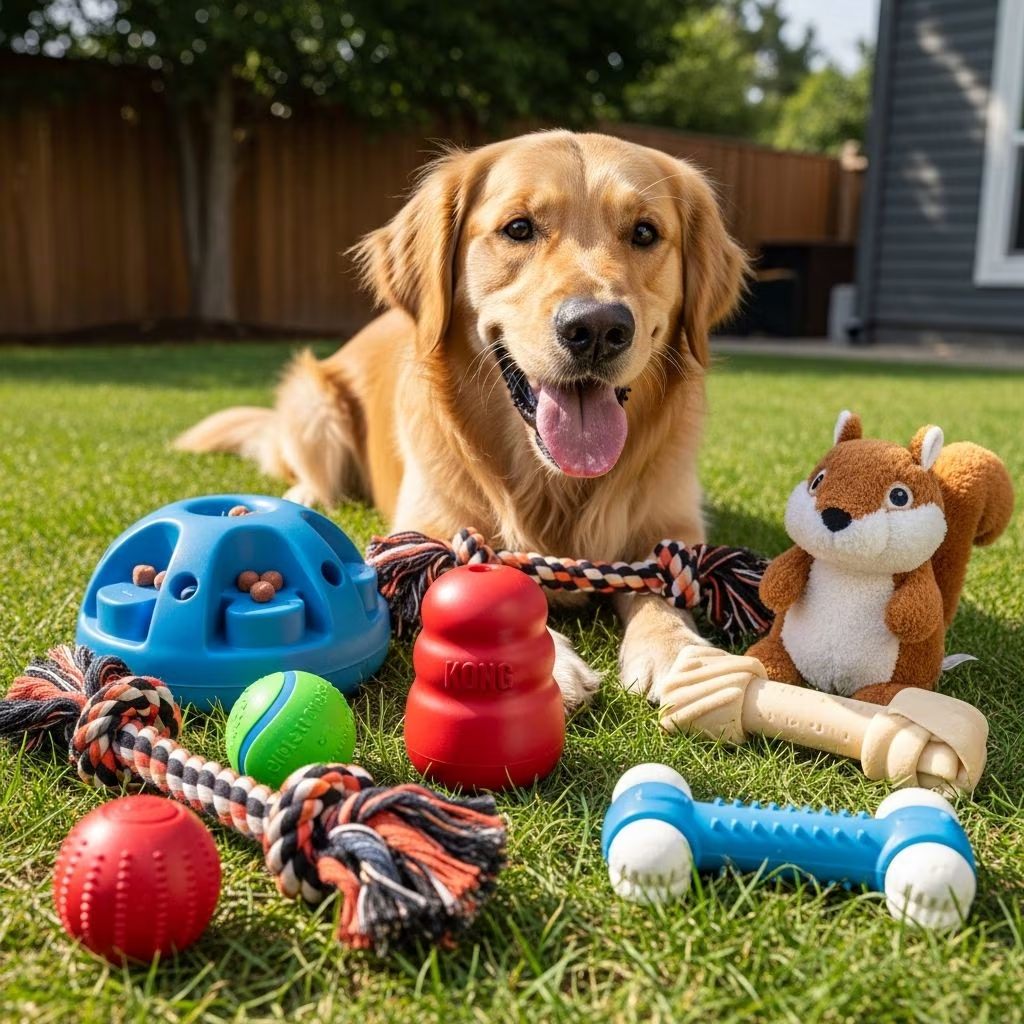
The Best Dog Toys to Keep Dogs Busy
When dogs lack adequate play opportunities, they frequently become bored, frustrated, or develop problematic behaviors such as excessive chewing, digging, or anxiety-related issues. Providing your dog with engaging and appropriate toys is one of the most effective ways to prevent these unwanted behaviors. Dogs that have access to their own toys are significantly less likely to redirect their play toward children’s toys, household items, or your cherished belongings like shoes and clothing. While many people believe one toy is sufficient, dogs actually benefit from having multiple toys in their possession. This variety prevents monotony and keeps your dog mentally stimulated throughout the day. The key to successful toy selection lies in understanding your individual dog’s preferences, play style, size, strength level, and activity requirements.
Why Dog Toys Matter
Dog toys serve a critical purpose in canine behavior management and mental health. Beyond simple entertainment, toys provide outlets for natural behaviors like chewing, fetching, and problem-solving. When dogs don’t have appropriate outlets for these instincts, they often turn to destructive alternatives. By offering a variety of toys specifically designed for dogs, you help your pet learn what items are acceptable to play with and which ones are off-limits. This establishes clear boundaries and protects your household items from being mistaken for playthings.
Finding the Best Dog Toys for Your Pup
Consider Your Dog’s Individual Preferences
There is no single perfect toy that will keep every dog busy indefinitely. Each dog has unique preferences based on their personality, play style, and interests. Some dogs prefer interactive toys that challenge their problem-solving abilities, while others enjoy toys that satisfy their natural desire to chew or fetch. Even within a single household, different dogs may have vastly different toy preferences. The key is to observe your dog’s behavior and offer a diverse selection of toys with different textures, tastes, and features, including various squeaker sounds and crinkle materials.
Rotate Your Dog’s Toys Regularly
One effective strategy to maintain your dog’s interest in toys is to rotate them on a weekly basis. Instead of leaving all toys available simultaneously, store some away and introduce different ones periodically. This approach prevents toy fatigue and makes familiar toys feel new and exciting when they’re reintroduced. For added entertainment value, consider getting a toy box where your dog can dig through and select their favorite toys themselves. This activity provides mental stimulation and makes playtime more engaging and interactive.
Match Toys to Your Dog’s Size and Strength
Selecting toys that are appropriately sized for your dog is essential for both safety and enjoyment. Small toys that might be perfect for a toy breed could pose choking hazards for larger dogs, while oversized toys may frustrate a small dog who cannot manipulate them effectively. Additionally, consider your dog’s chewing strength. Dogs with powerful jaws need durable, heavy-duty toys that can withstand vigorous play, while gentler chewers may enjoy softer options.
Top Dog Toy Options
Balls for Fetch and Play
Balls are classic dog toys that many canines enjoy for fetch games and interactive play. Rubber balls and tennis balls are popular choices among dog owners and their pets. However, it’s crucial to exercise caution when throwing balls for your dog to catch. Never throw them hard and fast, as they can become lodged in the back of a dog’s mouth, creating a dangerous choking hazard. Select ball sizes that match your dog appropriately—larger dogs require larger balls that are bigger than standard tennis balls, while smaller dogs need proportionally smaller balls. This ensures safe play and prevents potential accidents.
Chewing Toys: Nylabones and Kongs
Nylabones, Kongs, and similar chewing toys are excellent options for dogs who love to chew. Nylabones come in various sizes and flavors, catering to different preferences and allowing you to customize the experience for your individual dog. Kong toys offer similar versatility with their range of shapes and sizes. One of the most effective features of Kong toys is their ability to be stuffed with treats and even frozen, which extends the duration of engagement and provides extended mental stimulation. The cold factor of a frozen Kong can also be soothing for teething puppies or dogs in discomfort.
Puzzle Toys for Mental Stimulation
Puzzle toys represent one of the most effective enrichment options for keeping dogs mentally engaged and busy. These toys require dogs to work and problem-solve in order to access treats or kibble hidden within them. The mental effort required to manipulate these toys and extract rewards provides significant cognitive stimulation and can keep dogs occupied for extended periods. Popular puzzle toy options include the Buster Cube, Busy Buddy collection, and Kong Wobble, among many others available on the market. When using plastic puzzle toys, always supervise your dog closely to ensure they don’t chew on the plastic itself or accidentally get their teeth stuck in any components of the toy.
Additional Enrichment Options
Beyond traditional toys, consider creative enrichment activities. Ice-block toys represent an innovative and inexpensive option that can keep dogs entertained for hours. To create these toys, place a few smaller toys in a bucket, fill it with water, and freeze the entire creation. Once frozen, your dog can work to extract the toys while staying cool. Another variation involves freezing chicken or beef broth in popsicle molds or cups for a tasty frozen treat. Always supervise your dog while they enjoy these frozen enrichment activities to ensure safety.
Making Sure You Have Safe Dog Toys
Avoiding Hazardous Toy Components
Safety should always be your primary concern when selecting dog toys. Always thoroughly inspect toys before giving them to your dog. Avoid toys with pieces that can be easily removed, such as stuffed animals with ribbons, plastic eyes, small appendages, or other attachments that can be chewed off and potentially swallowed. Carefully examine the stuffing material used in soft toys—avoid anything containing plastic beads or sharp pieces of nut shells that your dog could ingest. These small components pose serious choking hazards and can cause intestinal blockages requiring veterinary intervention.
Understanding Your Dog’s Play Style
Observe how your individual dog likes to play with toys to ensure you’re selecting appropriate options for their specific behavior. Some dogs love soft plush toys and will keep them intact for extended periods without destroying them. Other dogs have a natural tendency to gleefully destroy soft toys by ripping them apart—this is completely normal canine behavior and part of the fun for those dogs. Understanding whether your dog is a gentle player or an aggressive destroyer will help you choose toys that match their play style and won’t pose safety risks.
Supervision and Regular Inspection
Always supervise your dog with any new toy until you’re confident it’s safe and that your dog won’t harm themselves or the toy. Regularly check all toys for signs of wear and tear, and promptly discard any toys that show damage or have become unsafe. Look for torn seams, broken pieces, exposed stuffing, or compromised structural integrity. A toy that was safe initially may become dangerous as it deteriorates through regular use.
Engaging Your Dog With Toys
Making Playtime Interactive
It’s important to recognize that not every dog will play with a toy independently, especially initially. Some dogs require a person to engage in play with them to make toys fun and appealing. If your dog doesn’t immediately take to a toy, don’t give up. Try different types of toys and engage them in different play activities. Remember that play shouldn’t be forced or stressful; it should be a joyful, stress-relieving bonding activity that strengthens your relationship with your dog. Your enthusiasm and participation can transform a toy from something ignored into a favorite playtime item.
Experimentation and Persistence
Every dog has their own unique idea of what constitutes fun and entertainment. You might find that your dog won’t touch one toy but will spend hours happily engaged with another. This is completely normal and doesn’t indicate a problem with either you or your dog. Different dogs have different preferences based on their personality, age, and play drive. By offering a variety of toy types and play styles, you increase the likelihood of discovering what truly captures your dog’s interest and enthusiasm.
Frequently Asked Questions About Dog Toys
Q: How many toys should my dog have?
A: Dogs benefit from having multiple toys to prevent boredom. Most experts recommend having several different types of toys available, rotating them weekly to maintain freshness and interest.
Q: Can I give my dog old shoes or socks as toys?
A: It’s not recommended. If you allow your dog to play with old shoes or socks, they may become confused and think your new shoes and favorite socks are acceptable playthings too. Dog toys specifically designed for canines help establish clear boundaries about what’s acceptable to play with.
Q: Are puzzle toys safe for unsupervised play?
A: Plastic puzzle toys should always be supervised initially until you’re confident they’re safe for your dog. Once you’re confident your dog won’t chew the plastic or get their teeth stuck, they can often be used with less supervision, though regular monitoring is still recommended.
Q: What should I do if my dog destroys toys quickly?
A: If your dog aggressively destroys soft toys, this is normal behavior for some dogs. Choose more durable toys like Nylabones, Kongs, or toys specifically marketed as indestructible. Always supervise play and check toys regularly for damage.
Q: How often should I check toys for safety?
A: Check all toys periodically for wear and tear, ideally weekly. Discard any toys that show damage, have loose pieces, exposed stuffing, or compromised structural integrity to prevent choking hazards.
Q: Why won’t my dog play with toys?
A: Some dogs need human engagement to make toys fun. Try interactive play where you participate directly. Your enthusiasm and involvement can help your dog understand that toys are sources of enjoyment and bonding.
References
- The Best Dog Toys to Keep Dogs Busy — Best Friends Animal Society. 2025. https://bestfriends.org/pet-care-resources/best-dog-toys-keep-dogs-busy
- Enrichment for Dogs in Shelters — Best Friends Animal Society. 2025. https://bestfriends.org/pet-care-resources/enrichment-dogs-shelters
- Dog Enrichment Equals Happiness — Best Friends Animal Society. 2025. https://bestfriends.org/stories/features/dog-enrichment-equals-happiness



