

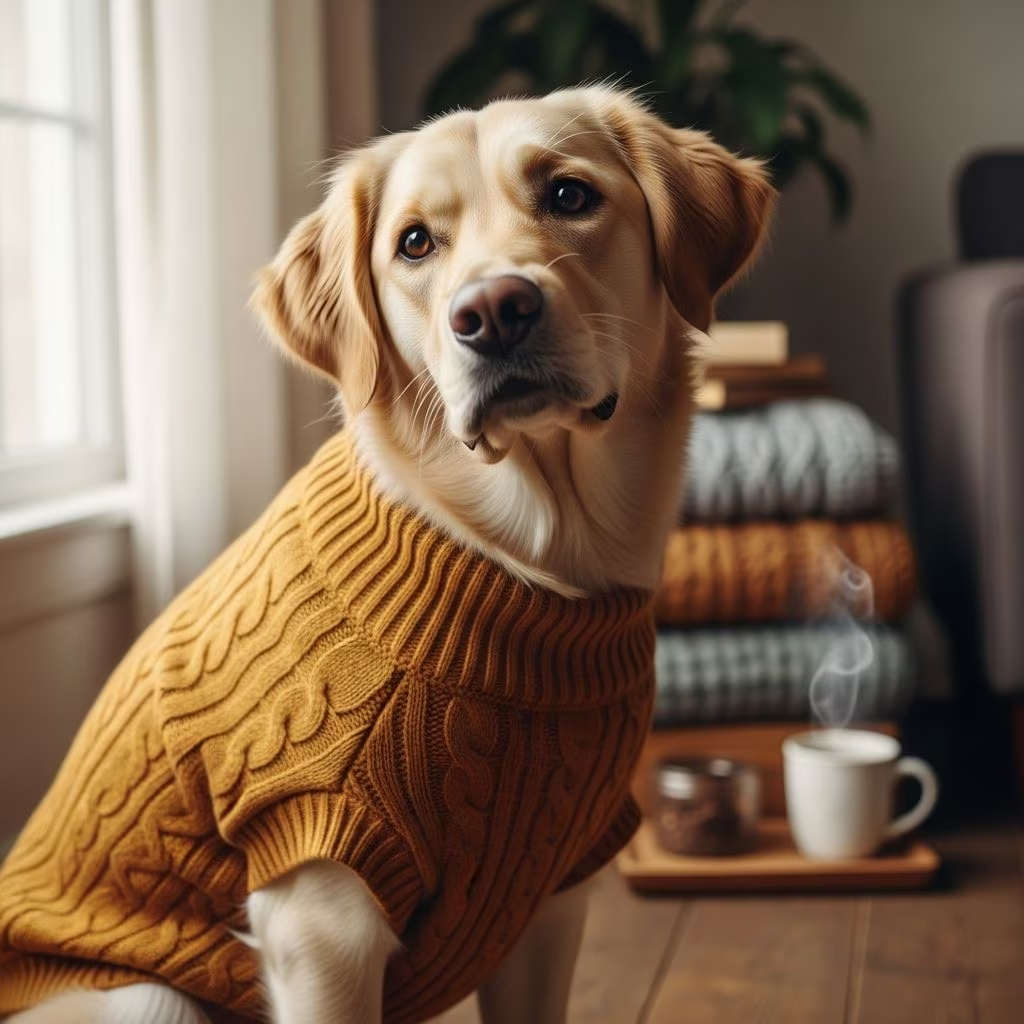
The Best Dog Sweaters to Keep Your Pet Cozy, Comfy, and Lookin’ Cute
As temperatures drop and winter approaches, keeping your furry friend warm and comfortable becomes a priority for pet owners everywhere. Dog sweaters are more than just a fashion statement—they’re a practical necessity for many dogs, especially those with short coats, senior pets, or breeds that are naturally sensitive to cold weather. Whether you’re looking for a cozy knit to snuggle in at home or a weather-resistant option for outdoor adventures, choosing the right dog sweater can make all the difference in your pet’s comfort and well-being.
In this comprehensive guide, we’ll explore everything you need to know about selecting, wearing, and caring for dog sweaters. From understanding different fabric materials to finding the perfect fit, we’ll help you navigate the world of dog fashion to ensure your pet stays warm, comfortable, and absolutely adorable throughout the colder months.
Why Dog Sweaters Matter
Many dog owners wonder if their pets really need sweaters, but the answer is often yes—especially for certain breeds and situations. Dogs with short coats, minimal body fat, or those bred for warmer climates struggle to maintain body heat in cold weather. Puppies and senior dogs also have more difficulty regulating body temperature, making sweaters essential for their comfort and health.
Beyond health benefits, dog sweaters provide protection from environmental hazards like salt, chemicals, and debris during winter walks. A good sweater can also reduce anxiety in some dogs and give them a sense of security. Plus, there’s no denying the adorable factor—a well-fitted, stylish sweater can make your pup the star of the neighborhood.
Understanding Dog Sweater Materials
The fabric you choose for your dog’s sweater directly impacts its comfort, durability, and functionality. Different materials serve different purposes, and understanding these options helps you make an informed decision based on your dog’s needs and your local climate.
Best Winter Warmth Materials
When temperatures plummet, warmth becomes the primary concern. Fleece, wool, and quilted polyester are the best fabrics for winter dog clothes. These materials provide superior insulation while retaining body heat effectively.
- Fleece: Lightweight yet warm, fleece is a popular choice for winter dog sweaters. It’s soft against the skin, machine-washable, and hypoallergenic. However, fleece isn’t waterproof and can collect pet hair, making it ideal for indoor wear or brief outdoor excursions.
- Wool: Natural wool offers excellent insulation properties and warmth retention, making it perfect for extreme cold weather. The downside is that wool can be itchy for some dogs and requires special care when washing. Wool works best for heavy winter coats and outdoor dog gear.
- Quilted Polyester: This synthetic option combines water-resistance with windproof protection, making it ideal for unpredictable winter weather. Quilted polyester sweaters are durable but may feel bulky and aren’t as breathable as natural fibers.
Summer and Breathable Options
Cotton and bamboo fabric are the best choices for summer dog clothes. These breathable, lightweight materials help regulate body temperature and prevent overheating during warm months.
- Cotton: Soft, breathable, and hypoallergenic, cotton is perfect for everyday wear and summer outfits. It absorbs moisture well but wrinkles easily and can stain readily.
- Bamboo Fabric: Ultra-soft and antibacterial, bamboo is excellent for dogs with sensitive skin. It offers superior moisture-wicking properties and breathability, though it’s slightly more expensive than cotton.
- Polyester Blends: Quick-drying and durable, polyester blends work well for active dogs and cooling vests. While less breathable than cotton, they’re ideal for sports and outdoor activities.
Waterproof and Weather-Resistant Materials
For dogs that spend significant time outdoors or live in rainy climates, waterproof options are essential. Materials like nylon and TPU-laminated fabrics provide 100% waterproof protection. Nylon is durable and windproof but less breathable than other options, while TPU-laminated fabrics offer maximum waterproofing with flexibility—though at a higher price point.
Hypoallergenic Choices for Sensitive Skin
Dogs with allergies or sensitive skin need special consideration. Bamboo fabric, organic cotton, and silk are the best hypoallergenic fabrics for dogs with sensitive skin. These materials are soft, breathable, and free from harsh chemicals that could irritate your pet’s coat.
How to Choose the Right Dog Sweater Size
Proper fit is crucial for comfort and functionality. A sweater that’s too tight restricts movement and causes discomfort, while one that’s too loose won’t provide adequate warmth or coverage. Most dog sweater sizes correspond to the dog’s weight and chest measurement.
Always measure your dog’s chest circumference at the widest point and refer to the manufacturer’s sizing chart. Remember that sweaters should fit snugly but allow for a finger’s width of space between the fabric and your dog’s body. Consider your dog’s breed type—long-haired dogs typically need slightly larger sizes to accommodate their coat.
Design Features and Functionality
Beyond material and size, several design elements affect a sweater’s practicality and appeal. Look for sweaters with reinforced seams for durability, especially if your dog is active. Easy-to-use fasteners like zippers or buttons make dressing and undressing convenient for both you and your pet.
Consider whether you need coverage for specific areas. Some sweaters include leg holes for maximum mobility, while others are simple pullover styles. Turtleneck designs offer extra neck protection in extreme cold, whereas open-neck styles provide greater breathability for less active wear.
Design should also account for your dog’s natural climate adaptation. Breeds originating from colder climates, like the Siberian Husky or Alaskan Malamute, may require thicker, more insulating sweaters, while dogs bred in warmer regions like the Basenji or Italian Greyhound may need lighter garments.
Matching Sweaters to Your Dog’s Lifestyle
Your dog’s activity level significantly influences sweater selection. Working or sporting breeds need sweaters that balance insulation with breathability, allowing them to move freely without overheating during exercise. These active dogs benefit from moisture-wicking fabrics and designs that accommodate extended movement.
Conversely, indoor or less active dogs may need heavier sweaters to compensate for their reduced ability to generate body heat through exercise. Senior dogs and those prone to joint issues also benefit from extra warmth, which can ease discomfort and stiffness.
Styling Your Dog in Sweaters
Dog sweaters come in countless styles, colors, and patterns, allowing you to express your pet’s personality while keeping them warm. Cable knit designs offer a classic, cozy look perfect for family photos. Turtlenecks provide elegant warmth, while fun patterns and bright colors let your dog stand out at the dog park.
Consider coordinating sweater colors with your own wardrobe for matching family looks, or choose neutral tones that work with multiple outfits. Premium materials like cashmere add luxury and sophistication, though they require more careful washing and maintenance.
Caring for Your Dog’s Sweater
Proper maintenance extends your sweater’s lifespan and keeps it looking great. Most dog sweaters can be machine-washed on a delicate cycle with cold water and mild detergent. Fleece and synthetic materials are particularly easy to care for and usually don’t require special handling.
Wool sweaters need more attention—hand wash in cool water with wool-specific detergent and lay flat to dry to prevent shrinking and stretching. Always remove any decorative elements or secure fasteners before washing, and avoid using fabric softener, which can damage the fibers and reduce warmth retention.
Comparison Table: Dog Sweater Materials
| Material | Best For | Warmth | Breathability | Durability | Care Level |
|---|---|---|---|---|---|
| Fleece | Winter indoor wear | High | Medium | Good | Easy |
| Wool | Extreme cold | Very High | Medium | Very Good | Complex |
| Cotton | Summer/everyday | Low | Very High | Good | Easy |
| Bamboo | Sensitive skin | Medium | Very High | Good | Easy |
| Polyester | Active wear/water resistance | Medium | Medium | Very Good | Easy |
| Cashmere | Luxury/special occasions | Very High | High | Good | Complex |
Frequently Asked Questions About Dog Sweaters
Q: At what temperature should I put a sweater on my dog?
A: Most dogs benefit from sweaters when temperatures drop below 50°F (10°C), though this varies by breed, coat type, and age. Short-haired, senior, and toy breeds may need sweaters at warmer temperatures.
Q: Can my dog wear a sweater all day?
A: While sweaters are safe for extended wear, allow your dog breaks to prevent overheating and skin irritation. Remove the sweater when indoors if your home is warm, and ensure your dog can move comfortably.
Q: How do I know if my dog is too hot in their sweater?
A: Signs of overheating include excessive panting, drooling, lethargy, and reluctance to move. If you notice these symptoms, remove the sweater immediately and allow your dog to cool down in a shaded area.
Q: Are expensive dog sweaters worth the investment?
A: Premium sweaters often feature better materials, superior construction, and longer lifespans, making them worthwhile if your dog wears sweaters frequently. Budget options work fine for occasional use.
Q: Can I wash my dog’s sweater with regular laundry detergent?
A: Yes, most dog sweaters can be washed with regular gentle detergent. However, wool and delicate materials require wool-specific detergent to prevent damage and maintain softness.
Q: What’s the difference between a sweater and a jacket?
A: Sweaters provide warmth and insulation through knit or woven materials, while jackets typically offer waterproof or weather-resistant protection. Many modern designs combine both features.
Conclusion
Finding the perfect dog sweater combines practical considerations with style preferences. By understanding materials, sizing properly, and matching the sweater to your dog’s lifestyle and climate needs, you can ensure your furry friend stays warm, comfortable, and looking adorable throughout the colder months.
Remember that every dog is unique—what works perfectly for one pet may not suit another. Consider your dog’s breed, age, activity level, and any skin sensitivities when making your selection. Whether you choose a classic wool sweater, a practical fleece option, or a trendy designer piece, the most important factor is that your dog feels comfortable and loved. With the right sweater, you’ll both enjoy cozy seasons ahead, creating lasting memories together.
References
- What is the best fabric for dog clothes? — Modaknits Apparel. 2024. https://modaknits.com/what-is-the-best-fabric-for-dog-clothes/
- Tips on Choosing the Best Dog Sweater for Your Pup — Pet Assure. 2024. https://www.petassure.com/maxscorner/tips-on-choosing-the-best-dog-sweater/
- How Do You Choose a Dog Sweater? — Chilly Dog Sweaters. 2024. https://chillydogsweaters.com/faq/a-story-within-how-do-you-choose-a-dog-sweater/
- 7 Must-Know Tips on How Do I Choose a Dog Sweater — Both Tails. 2024. https://bothtails.com/blogs/news/7-must-know-tips-on-how-do-i-choose-a-dog-sweater



