

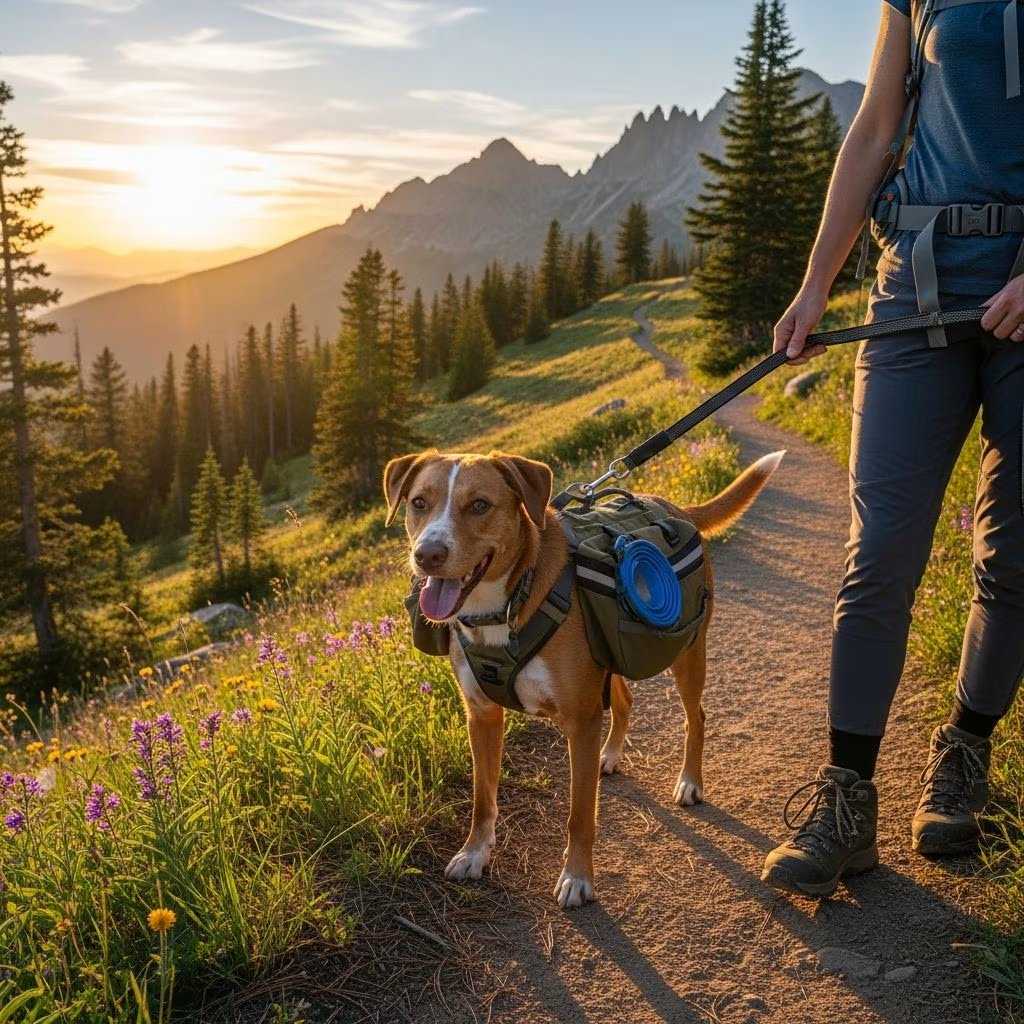
The Best Dog Hiking Gear for Hitting the Trails With Your Pup
Taking your dog on hiking adventures is a wonderful way to bond while enjoying the great outdoors. However, ensuring your furry companion has the right gear is essential for their safety, comfort, and your peace of mind. Whether you’re planning a quick day hike or a multi-day backpacking expedition, understanding what equipment your dog needs will help you prepare for a successful trail experience. This comprehensive guide covers everything from basic hiking essentials to advanced gear options that can enhance your dog’s outdoor experience.
Essential Hiking Gear Basics for Dogs
Before investing in specialized hiking equipment, focus on the fundamental gear that forms the foundation of safe trail outings. Most essential hiking gear for dogs consists of items you likely already own or use during regular walks. These basics include a sturdy leash, properly fitted collar or harness, identification tags, treats, poop bags, and a water bottle with bowl. Starting with these essentials ensures your dog remains safe and under control while hiking, and you can always add more specialized equipment as needed.
Collars and Harnesses
Your dog’s collar or harness is the foundation of trail safety and control. When selecting a collar, ensure it fits snugly—loose enough for comfort but secure enough so it won’t slip off if your dog pulls or gets startled. For hiking purposes, padded harnesses that distribute pressure evenly are preferable to restrictive choke collars, as they provide better comfort during extended outdoor activities. A quality harness gives you multiple attachment points and better leverage when navigating challenging terrain or managing your dog around other hikers.
Leashes
A sturdy leash is non-negotiable for trail safety. Most hiking trails, especially those on national park land, require dogs to be leashed at all times. A standard 6-foot leash made from durable leather or nylon works well in rugged environments. For hands-free hiking, consider a specialized hiking leash with a belt clip that allows you to secure your dog while keeping your hands free. Quality leashes often feature reflective materials, traffic handles for quick grabs in emergencies, and comfortable grips that won’t cause hand fatigue during long hikes.
Identification and Safety Tags
Always ensure your dog wears an identification tag on their collar while hiking. Even the most well-trained dogs can become disoriented in unfamiliar terrain. A personalized collar with your contact information provides critical identification should your dog become separated from you on the trail. Additionally, reflective safety accessories and LED collars or lights are valuable additions for hikes that extend into dusk or early morning hours, making your dog more visible to other hikers and wildlife.
Water and Hydration Supplies
Keeping your dog properly hydrated during hiking is crucial for their health and performance. Portable water solutions designed for dogs make it easy to provide fresh water throughout your hike. Collapsible bowls are lightweight and packable, fitting easily into your backpack. Dog-specific water bottles often feature quick-release sport caps that allow you to pour water gradually into a bowl or directly into your dog’s mouth. For longer hikes, consider carrying multiple water containers or investing in hydration bladders that can be integrated into your dog’s backpack for convenient access to water.
Treats and Nutrition
Pack high-energy treats specifically formulated for dogs to provide sustained nutrition during your hike. Training treats, dental chews, and protein-rich snacks help maintain your dog’s energy levels on the trail. Use a dedicated treat pouch or food carrier attached to your belt or pack for easy access. These pouches keep treats organized, prevent odors from attracting wildlife, and allow you to reward your dog for good trail behavior without fumbling through your main backpack.
Waste Management
Always practice Leave No Trace principles by carrying poop bags and a waste container when hiking with your dog. Leak-proof, odor-proof poop bags prevent unpleasant surprises in your pack, while hard-sided, reusable waste carriers keep waste contained and manageable. Attach these to your backpack using carabiners for easy access. Responsible waste management not only respects the environment and other hikers but also protects wildlife from potential contamination.
Dog Hiking Packs and Backpacks
Dog backpacks allow your pup to carry some of their own supplies, reducing the weight you must carry yourself. These packs are specifically designed to distribute weight evenly across your dog’s body while remaining comfortable during extended hiking. Most experts recommend keeping a dog pack loaded to no more than 10-25% of your dog’s body weight to prevent injury or excessive fatigue.
Day Hike Packs
Compact day hiking packs are designed to carry only basic hiking gear such as water, treats, and poop bags. These lightweight options are perfect for shorter excursions and help your dog contribute to the hiking experience. Many quality day packs include integrated hydration bladders, allowing easy water access without opening the main compartment. Look for packs with padded shoulder straps and ventilated backs to ensure comfort during wear.
Multi-Day Backpacking Packs
For extended backpacking trips, larger dog packs accommodate additional gear, sleeping equipment, and food supplies. These packs feature reinforced construction, multiple compartments for organization, and comfortable harness systems. Some premium options come with detachable harnesses that can be used separately from the pack, providing added versatility. Quality multi-day packs also include weather-resistant materials to protect contents from moisture and unexpected weather changes.
Protective Clothing and Weather Gear
Depending on your hiking destination and season, protective clothing helps keep your dog comfortable in various weather conditions and protects them from environmental hazards.
Dog Jackets and Coats
All-weather jackets and puffer coats provide insulation and weather protection during cool or wet hikes. Water-resistant materials keep your dog dry during rain or snow, while thermal insulation maintains body warmth in cold conditions. High-visibility jackets improve safety on trails where visibility is limited. Quality coats pack down small and fit easily into your backpack, making them convenient to carry even on mild-weather hikes where you might need them later.
Dog Booties and Paw Protection
Dog booties protect paws from sharp rocks, hot surfaces, salt, snow, and other trail hazards. Lightweight, durable booties designed specifically for hiking stay on securely without spinning or falling off during movement. Many hikers carry extra booties as replacements in case one gets lost or damaged. For winter hiking, consider paw wax products that create a protective barrier and prevent snow from accumulating between paw pads.
Cooling Vests
During summer hikes, cooling vests help regulate your dog’s body temperature and prevent heat exhaustion. These vests use evaporative cooling technology or gel inserts to keep your dog comfortable during warm-weather adventures. They’re particularly valuable for high-energy dogs or breeds prone to overheating.
Safety and First Aid Equipment
Preparedness for emergencies ensures you can respond quickly if your dog experiences an injury or health issue on the trail.
Dog First Aid Kits
A comprehensive canine first aid kit should include essential supplies for treating minor injuries and managing health issues on the trail. Include hydrogen peroxide for cleaning wounds, rounded-tip scissors, bandages and gauze pads, tweezers for tick removal, and any medications your dog might need. Antiseptic wipes, first aid tape, and protective booties or socks for paw injuries are also valuable additions. A simple bandana can serve double duty as a muzzle in emergencies, and a comb or hair pick helps remove prickly vegetation like cholla balls or burrs from fur.
Evacuation and Safety Kits
For serious situations requiring emergency evacuation from the backcountry, specialized dog evacuation kits provide secure carrying options. These kits typically include a protective muzzle and harness system that keeps your dog secure while allowing you to carry them out safely. Choose kits with front and back carrying options to distribute weight comfortably.
Dog Life Jackets and Water Gear
If your hiking adventure includes water crossings or water-based activities, a dog life jacket provides essential safety and buoyancy. These jackets are particularly important for dogs that aren’t strong swimmers or for hikes near rivers, lakes, or coastal areas where unexpected water immersion is possible.
Advanced Hiking Accessories
Beyond essential gear, several accessories enhance your dog’s hiking experience and provide additional protection against environmental hazards.
Dog Sunscreen
Sunscreen formulated specifically for dogs protects sensitive areas like the nose, ears, and belly from harmful UV rays. Dog sunscreen comes in convenient spray formats that are easy to apply before and during your hike. This is especially important for dogs with light-colored fur, pink noses, or those hiking at high altitudes where UV exposure is intensified.
Carabiners and Attachment Hardware
Carabiners are invaluable for securely attaching dog gear to your backpack or belt. Use them to clip water bottles, poop bags, waste containers, and water bowls in easily accessible locations. Quality carabiners ensure your gear stays attached even during challenging terrain navigation.
Towels and Drying Materials
Lightweight, packable towels that absorb four times their weight in water are perfect for drying your dog after water crossings or sudden rain showers. These specialized towels can be squeezed out and reused multiple times throughout your hike. For overnight camping trips, fleece blankets or specialized camping towels serve double duty as sleeping layers and drying materials.
Sleeping Gear for Backcountry Camping
Multi-day backpacking trips require sleeping solutions for your dog. Lightweight sleeping pads and dog-specific sleeping bags provide insulation and comfort during overnight camping. These items pack small and significantly improve your dog’s sleep quality in outdoor environments. Fleece blankets can also serve as layering pieces within a sleeping system.
Gear Selection by Hiking Type
Your specific gear choices should reflect the type of hiking you plan to do with your dog. Day hikes require different equipment than multi-day backpacking expeditions, and your destination’s terrain and climate influence which accessories become essential versus optional.
Day Hikes
For casual day hikes, focus on basics: a sturdy leash, properly fitted harness or collar, water and bowl, treats, identification tags, and poop bags. A compact day pack for your dog and a small first aid kit complete the essentials. Consider weather-appropriate clothing and protective booties if the terrain is particularly rocky or the weather is extreme.
Multi-Day Backpacking
Extended backcountry trips require comprehensive gear. Include all day-hike essentials plus a larger backpack, sleeping pad and bag, additional water storage capacity, more substantial nutrition and treats, complete first aid and evacuation kits, weather-appropriate layering clothing, and potentially dog-specific camping accessories.
Seasonal Considerations
Tailor your gear selection to seasonal conditions. Summer hiking requires cooling vests, extra water capacity, and sun protection. Winter adventures demand insulated coats, booties for snow protection, and paw wax. Spring and fall hikes benefit from layered clothing options that can be adjusted as temperatures change throughout the day.
Creating Your Custom Gear Setup
When assembling your dog’s hiking gear kit, consider your dog’s temperament, age, size, and fitness level. Smaller dogs may need different boot sizes or carrying solutions than large breeds. Dogs with joint issues or health conditions may benefit from specialized support harnesses or protective gear. Your dog’s personality influences leash choices—high-energy dogs benefit from hands-free leashes, while reactive dogs need designs that provide quick control.
Start with essential basics and gradually add specialized equipment as you gain experience and understand your dog’s specific needs. Invest in quality gear that will withstand repeated use on trails. Premium hiking equipment often lasts for many years, making it a worthwhile investment for serious hiking enthusiasts.
Frequently Asked Questions
Q: What is the most important dog hiking gear?
A: A sturdy leash and properly fitted harness or collar are the most critical pieces, as they keep your dog safe and under control on the trail. These items form the foundation of trail safety.
Q: How much weight can a dog safely carry in a backpack?
A: Dogs can safely carry approximately 10-25% of their body weight in a backpack. Exceeding this amount can cause injury or excessive fatigue, particularly during extended hikes or in challenging terrain.
Q: Are dog boots necessary for hiking?
A: While not always necessary, booties provide valuable protection on rocky terrain, hot surfaces, snow, and salt-covered trails. They’re especially recommended for dogs with sensitive paws or during hikes in harsh environments.
Q: How often should I give my dog water while hiking?
A: Offer water every 15-30 minutes during moderate hiking, more frequently during hot weather or strenuous terrain. Watch for signs of dehydration like excessive panting or lethargy, and allow adequate rest breaks.
Q: What should I include in a dog’s trail first aid kit?
A: Include hydrogen peroxide for wound cleaning, bandages and gauze, tweezers for tick removal, antiseptic wipes, first aid tape, rounded-tip scissors, protective booties, and any medications your dog requires.
Q: Can puppies go on long hiking trails?
A: Puppies can hike, but their bones and joints are still developing. Keep hikes short and low-impact until their growth plates fully close (typically 12-18 months depending on breed), and always include frequent rest breaks.
Q: How do I know if my dog is overheated while hiking?
A: Signs of overheating include excessive panting, drooling, lethargy, disorientation, or vomiting. Find shade immediately, provide cool water, and allow your dog to rest. Consider turning back or slowing your pace if these symptoms appear.
References
- The Best Hiking Gear for Dogs — Marquez Five Adventures. Accessed November 2025. https://marquezfiveadventures.com/the-best-hiking-gear-for-dogs/
- Essential Gear for Hiking with Your Dog – Treeline Review — Treeline Review. Accessed November 2025. https://www.treelinereview.com/gear-list/dog-hiking-gear
- Dog Backpacking Gear | Ruffwear UK — Ruffwear. Accessed November 2025. https://ruffwear.eu/pages/backpacking-with-dogs-101
- Essential Gear Checklist for Hiking With Your Dog Safely — PetsCare. Accessed November 2025. https://www.petscare.com/news/faq/what-gear-do-i-need-for-hiking-with-my-dog
- Dog Hiking Gear – What to Bring and Why — Trek Southwest. Accessed November 2025. http://www.treksw.com/desert-hiking-gear-checklist-dog-edition/
- What to Bring on a Hike With Your Dog (Packing List Included) — Cascade Mountain Tech. Accessed November 2025. https://cascademountaintech.com/blogs/news/what-to-bring-on-a-hike-with-your-dog-packing-list-included
- Hiking or Backpacking with Your Dog | REI Expert Advice — REI. Accessed November 2025. https://www.rei.com/learn/expert-advice/hiking-dogs.html



