

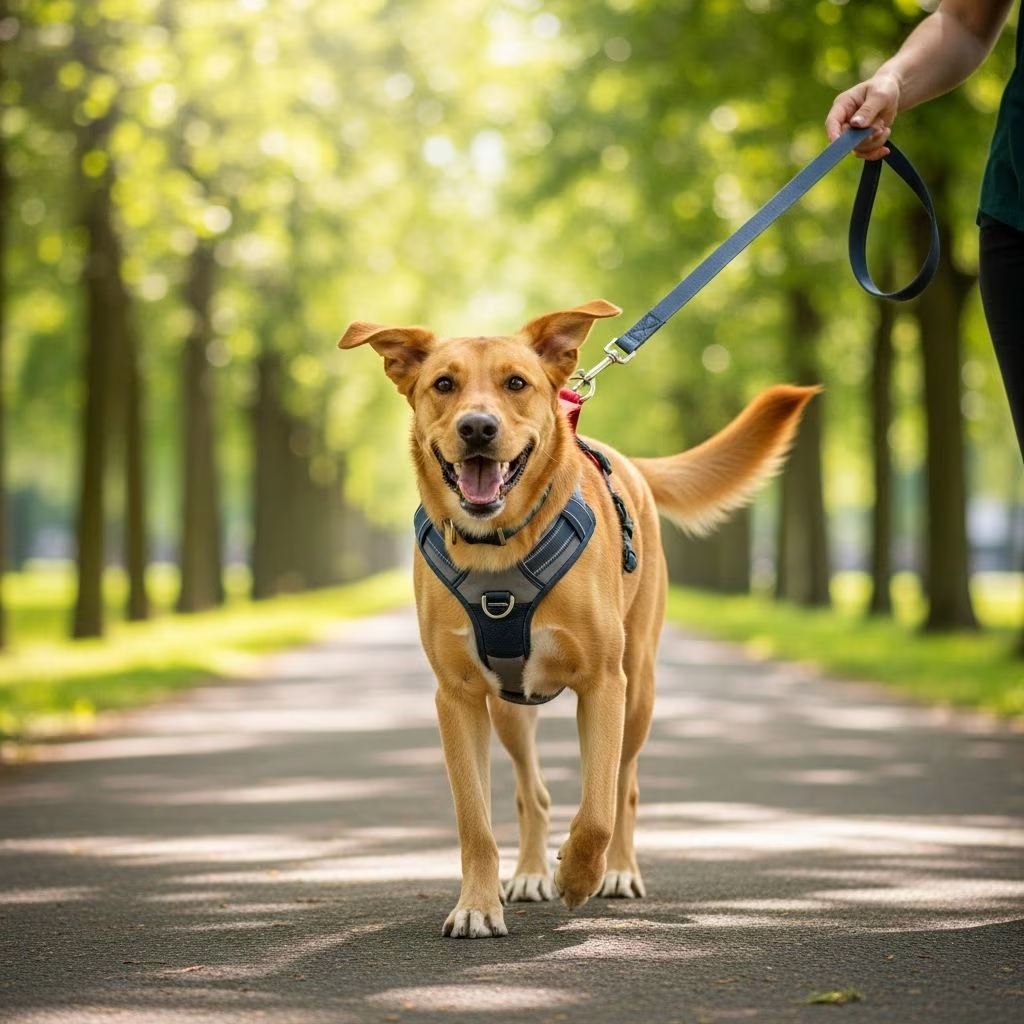
A dog harness is a dog walking staple that many pet parents prefer over traditional dog collars. Why? Because harnesses help distribute pressure away from your fur baby’s neck that’s caused by the leash, especially in dogs who pull. Whether you have a energetic puller, a small breed, or a large dog, the right harness can transform your walking experience into an enjoyable bonding time.
The best dog harnesses will have secure leash attachment points, be made with durable, easy to clean materials, and have several adjustment points for a comfortable fit. Let’s explore the different types of harnesses available and find the perfect one for your canine companion.
Why Choose a Dog Harness?
Dog harnesses offer numerous advantages over traditional collars. They distribute weight more evenly across your dog’s body, reducing strain on the neck and throat. This is particularly important for dogs who pull on the leash or have respiratory issues. Harnesses also provide pet parents with better control and can help minimize jumping, lunging, and pulling behaviors during walks.
Beyond safety, harnesses are valuable training tools. They make leash training easier for puppies and can help retrain adult dogs with pulling problems. Many pet parents find that switching to a harness dramatically improves their walking experience.
Types of Dog Harnesses
No-Pull Dog Harnesses
No-pull dog harnesses are specifically designed to minimize pulling behavior during walks. These harnesses work by redirecting your dog’s forward momentum when they pull. Most feature a front-clip attachment point that changes the direction of force and guides the dog inward for greater control.
The PetSafe Easy Walk Dog Harness is a top choice for dogs who pull. Created by a veterinary behaviorist, this front-clip harness features a patented martingale loop that safely discourages pulling by placing gradual pressure on your dog’s shoulders anytime they pull away. Chewy pet parents report that it makes walks much more enjoyable. It comes in eight sizes, from petite to XL, making it suitable for most dogs.
No-pull harnesses are especially good for training and work well as an introductory harness for dogs new to leash walking. Some experts recommend using them for a limited time during training rather than as a permanent solution.
Mesh Dog Harnesses
If your dog has sensitive skin or prefers maximum breathability, a mesh harness might be the perfect solution. The Blueberry Pet 3M Multi-Colored Stripe Mesh Reflective Back Clip Dog Harness offers comfort and style. The lightweight mesh is super comfy against a dog’s skin, and its metal D-ring leash clip and dual-vest design helps distribute weight evenly on your dog’s chest.
Mesh harnesses are ideal for warm weather and active dogs. They’re easy to clean and quick-drying, making them perfect for water-loving pups. Available in sizes S-L, these harnesses combine functionality with a fashionable appearance.
Step-In Harnesses
Step-in harnesses require your dog to participate in the putting-on process by stepping into leg holes rather than having you buckle straps around their legs. These harnesses typically cover more of your dog’s body compared to traditional styles and often include padded chests, which is nice for pups with sensitive skin or pulling tendencies.
Popular options include the Voyager Step-in Air Dog Harness and the Frisco Small Breed Soft Vest Step In Back Clip Dog Harness. These designs are particularly useful for dogs who are anxious about harnesses being pulled over their heads.
Back-Clip Harnesses
Back-clip harnesses are ideal for calm dogs during casual walks. The leash attaches to the back of the harness, providing a traditional walking experience. These harnesses are comfortable for everyday use but don’t discourage pulling as effectively as front-clip options.
Front-Clip Harnesses
Front-clip harnesses help discourage pulling by redirecting your dog’s movement. When your dog pulls, the harness gently steers their chest and shoulders inward, giving you better control. The 2 Hounds Design Freedom no-pull harness is highly recommended for its durability, quality construction, and ease of adjustment. It features both a front-clip design for training and a back-ring attachment for continued use after breaking the pulling habit.
Dual-Clip Harnesses
Dual-clip harnesses offer versatility with both front and back leash attachment points. The Frisco Padded Front Lead Harness is designed to redirect your dog’s attention back to you without causing neck strain. It comes with an additional D-ring on the back of the harness for traditional leash attachment, allowing you to switch between training mode and regular walking.
How to Choose the Right Harness for Your Dog
Selecting the perfect harness depends on several factors:
Size and Fit
Proper fit is crucial for comfort and safety. Measure your dog’s chest and neck according to the manufacturer’s guidelines. Your harness should be snug enough to prevent escaping but loose enough to fit two fingers underneath the straps. A harness that’s too tight can cause chafing and discomfort, while one that’s too loose may not provide adequate control.
Skin Sensitivity
If your dog has sensitive skin prone to chafing, consider soft harnesses with padded designs. Materials matter significantly—harder materials can rub or chafe your dog’s skin, making a soft harness like the Frisco small breed soft vest dog harness a better choice. However, if you’re looking to deter yanking and pulling, softer harnesses may not be ideal since most have back clips rather than front clips.
Pulling Behavior
Dogs who pull significantly benefit from front-clip or dual-clip harnesses. These designs apply gradual pressure to redirect the dog’s movement without causing neck strain. If your dog pulls when they see something exciting—squirrels, other dogs, or passing vehicles—a no-pull harness can make a dramatic difference in your walking experience.
Dog Size and Breed
Large dogs, in particular, benefit from sturdy no-pull harnesses designed for their size and strength. The PetSafe Easy Walk Dog Harness in large or extra-large sizes is popular among owners of big dogs. For small breeds, step-in harnesses and soft vest options provide comfort without overwhelm.
How to Put On a Dog Harness
Back-Clip Harness Application
Putting on a back-clip harness is straightforward:
– Unbuckle all straps- Hold the harness so the D-ring faces up- Slip the harness over your dog’s head, placing the wider chest loop first, then the narrower neck loop- Slip your dog’s leg through one leg hole so it’s positioned between the chest and neck loops- Buckle the harness so your dog’s other leg is also between the loops- Adjust straps for a proper fit- Regularly inspect for chafing or discomfort
Step-In Harness Application
Step-in harnesses require a different approach:
– Lay the harness flat on the ground- Have your dog step into the loops with their front legs- Lift the harness around your dog’s belly- Fasten all buckles securely- Adjust straps for a comfortable, secure fit
Head Collar Harness Application
For head collars or specialized designs:
– Hold the harness open and slip it over your dog’s nose- Ensure straps aren’t too tight or loose using the two-finger rule- Guide the straps behind your pup’s ears- Fasten the buckle securely- Clip the leash to the D-ring located under their chin
Harness Safety and Maintenance Tips
Proper Fit and Regular Inspection
Regularly inspect your dog’s harness to ensure it fits correctly and shows no signs of wear. A harness that shifts or rubs can cause discomfort and chafing. Make adjustments as your dog grows or gains weight.
Remove Before Bed
Don’t allow your dog to sleep or go to bed while wearing a harness. The harness could get caught on something, causing your dog to become stuck and unable to move around—potentially resulting in injury. Additionally, since dogs can reach a harness with their mouths, some pups will chew them when unsupervised, which can be expensive to replace and dangerous if the dog ingests parts of the harness.
Material Care
Choose harnesses made with durable, easy-to-clean materials. Many quality harnesses can be hand-washed or machine-washed on gentle cycles. Proper maintenance extends the life of your harness and ensures your dog’s safety.
Attachment Security
Ensure all leash attachment points are secure and functioning properly. D-rings should be sturdy and not bend or deform. Regularly check buckles and straps for signs of wear or damage.
Special Harness Types for Specific Needs
Car Safety Harnesses
For dogs who travel frequently, car safety harnesses keep your pup secure during car rides. These harnesses often connect to vehicle seat belts or anchor points, preventing your dog from roaming the vehicle or being thrown during sudden stops.
Tactical Harnesses
Tactical harnesses are durable and often used for working or service dogs. These heavy-duty options are built to withstand demanding activities and strenuous use.
Weighted Harnesses
Weighted harnesses can be used for strength training or anxiety relief, though you should consult with your veterinarian before using one. These specialized harnesses require professional guidance to ensure safe, appropriate use.
Finding the Perfect Fit: A Comparison
| Harness Type | Best For | Key Features | Comfort Level |
|---|---|---|---|
| No-Pull Front-Clip | Dogs who pull excessively | Redirects pulling, gradual pressure on shoulders | High (with proper fit) |
| Mesh | Warm weather, sensitive skin | Breathable, lightweight, easy to clean | Very High |
| Step-In | Dogs anxious about head coverage | Padded, covers more body area | High |
| Back-Clip | Calm dogs on casual walks | Traditional design, comfortable | High |
| Dual-Clip | Training and regular walking | Versatile, multiple attachment points | High |
Frequently Asked Questions About Dog Harnesses
Q: At what age can I start using a harness on my puppy?
A: You can introduce a harness to puppies as early as eight weeks old. Start with proper fitting and make it a positive experience with treats and praise. Use a no-pull harness during training to establish good leash habits from the beginning.
Q: How do I know if my dog’s harness fits correctly?
A: Your dog’s harness should be snug enough that they can’t slip out but loose enough to fit two fingers underneath the straps. There should be no gaps, and the harness shouldn’t rub or chafe the skin. Regularly check the fit as your dog grows.
Q: Can I use a harness for all-day wear?
A: While harnesses are safe for extended wear, it’s best to remove them before your dog sleeps or rests for long periods. This prevents potential chafing, allows the skin to breathe, and reduces the risk of the harness catching on something.
Q: Are no-pull harnesses suitable for all dog sizes?
A: Yes, no-pull harnesses come in various sizes from petite to XL, making them suitable for most dogs. Smaller breeds and large dogs can both benefit from properly fitted no-pull harnesses.
Q: How long does it take for a dog to adjust to a harness?
A: Most dogs adjust to a harness within a few days to a couple of weeks. Start by letting them wear it indoors for short periods with positive reinforcement. Gradually increase wearing time before taking walks.
Q: Can a harness help with jumping and lunging behavior?
A: Yes, harnesses provide better control than collars and can help minimize jumping and lunging behaviors. Combined with training, a properly fitted front-clip or dual-clip harness can significantly improve leash manners.
References
- How to Put On a Dog Harness: A Simple, Step-By-Step Guide — Chewy. 2024. https://www.chewy.com/education/dog/general/how-to-put-on-a-dog-harness
- What Dog Harness Is Right for Your Pup? — Chewy. 2024. https://www.chewy.com/education/dog/pet-parenting/choosing-the-right-dog-harness-for-your-pet
- Choosing the Best No-Pull Dog Harness for Your New Puppy — Chewy. 2024. https://www.chewy.com/education/dog/training-and-behavior/choosing-the-best-no-pull-dog-harness-for-your-new-puppy
- How to Measure a Dog for a Harness — Chewy. 2024. https://www.chewy.com/education/dog/general/measuring-dog-harness
- Dog & Puppy Harnesses: No-Pull, Hands-free & More — Chewy. 2024. https://www.chewy.com/b/dog-harness-347



