

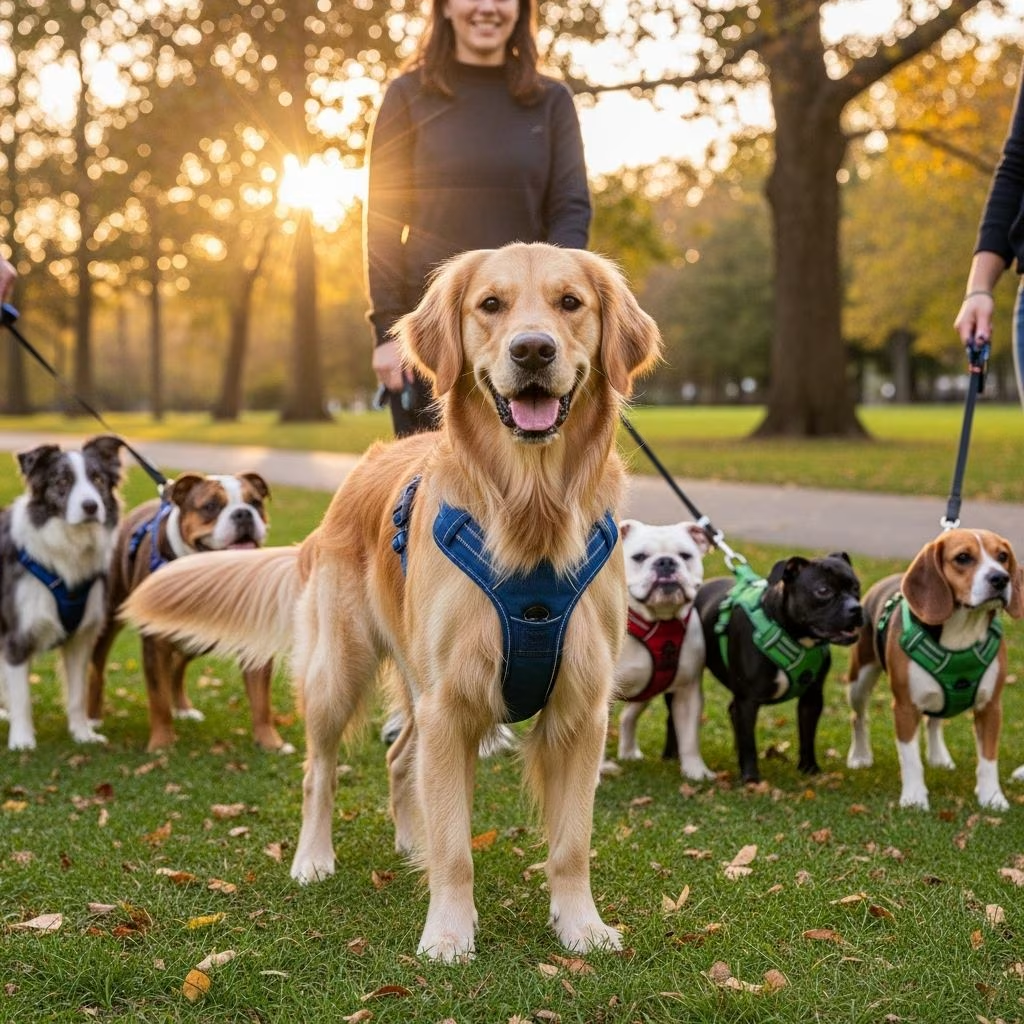
Selecting the right dog harness transforms daily walks into safe, enjoyable experiences for both you and your pet. Unlike collars, harnesses distribute pressure across the chest and shoulders, minimizing strain on the neck and reducing injury risks, especially for pullers or brachycephalic breeds.
Why Choose a Harness Over a Collar?
Harnesses provide superior control and comfort by securing around the torso rather than the neck. This design prevents choking, tracheal damage, and eye bulging common with collars during pulls. Veterinary experts recommend harnesses for dogs prone to pulling, small breeds, or those with respiratory issues, as they promote better posture and easier handling.
- Safety boost: Evenly spreads force to avoid neck injuries.
- Training aid: Front attachments redirect pulling instincts.
- Versatility: Ideal for walks, hikes, car rides, and service work.
Key Types of Dog Harnesses Explained
Dog harnesses vary by design, attachment points, and purpose. Understanding these helps match the gear to your dog’s size, strength, and habits.
Back-Clip Harnesses
The standard choice for calm walkers, back-clip harnesses feature a D-ring on the upper back. Leash tension pulls naturally rearward, suiting relaxed strolls or dogs with good leash manners. They’re simple to fit and widely available in adjustable models for growing pups.
- Best for: Leisurely neighborhood walks.
- Pros: Easy on/off, lightweight.
- Cons: Less effective against strong pulling.
Front-Clip Harnesses
Engineered for pullers, these position the leash ring on the chest. Forward pulls turn the dog sideways, discouraging the behavior through gentle redirection. Popular for training energetic breeds like Labs or Huskies.
- Best for: High-energy dogs needing correction.
- Pros: Improves loose-leash walking quickly.
- Cons: Requires monitoring to prevent shoulder rubbing.
Dual-Clip Harnesses
Offering flexibility, dual-clip models have rings at both front and back. Switch attachments based on the situation—front for control, back for freedom. Many include handles for lifting seniors or small dogs.
| Type | Use Case | Key Feature |
|---|---|---|
| Front-Clip | Pull training | Redirection |
| Back-Clip | Casual walks | Comfort |
| Dual-Clip | Versatile | Swappable rings |
Specialized Activity Harnesses
For adventures, opt for purpose-built options. Running harnesses prioritize mobility with minimal straps; sled or racing styles use X-back or H-back layouts for load-pulling power. Vest-style padded versions suit long-haired or sensitive-skinned dogs.
- Step-In: Two front-leg holes for quick fitting, great for wiggly dogs.
- Y-Shape vs. H-Shape: Y offers front-leg freedom; H fits narrow chests better.
- No-Pull: Combines front clips with padding for escape-proof security.
How to Measure for the Perfect Fit
A poorly sized harness causes chafing, slipping, or escape attempts. Measure your dog’s girth (widest chest point, behind front legs) and neck, plus back length from withers to tail base. Add 2-3 inches for growth in puppies.
- Stand dog naturally; use a soft tape.
- Girth: 70-90% snug (two fingers under straps).
- Test: No gaping holes; lift to ensure chest support without riding up.
Adjustable straps are essential—look for 4+ points for customization across body types, from barrel-chested Bulldogs to slender Greyhounds.
Materials and Durability Factors
Choose based on climate, activity, and dog’s coat. Nylon withstands chewers and weather; mesh breathes for hot days; neoprene pads for cushioning.
| Material | Pros | Cons | Best For |
|---|---|---|---|
| Nylon | Durable, lightweight, cheap | Can chafe thin coats | Active/outdoor use |
| Mesh | Breathable, soft | Less sturdy | Summer/small dogs |
| Leather | Stylish, long-lasting | Heavy, pricey | Calm, mature dogs |
| Oxford/Padded | Water-resistant, comfy | Bulkier | Pullers/large breeds |
Reflective accents boost nighttime visibility; metal rings outlast plastic.
Top Recommendations by Need
For Strong Pullers
Ruffwear Front Range excels with padded chest panels, four adjustment points, and durable fabric. It redirects pulls effectively while allowing full motion—ideal for hikes ($42).
Budget-Friendly Option
Rabbitgoo No-Pull offers dual rings, soft lining, and easy vest-style entry at $24. Great value for everyday training without skimping on adjustability.
For Large or Active Dogs
Auroth Tactical provides MOLLE webbing for packs, handle for control, and robust build for breeds like Shepherds. Multiple clips ensure security during runs.
Everyday Comfort Pick
Models like PIDAN Buddy Belt or DOGLINE Mesh prioritize softness with rounded edges and vibrant colors, suiting small to medium calm walkers.
Caring for Your Dog’s Harness
Extend lifespan by spot-cleaning with mild soap; air-dry away from sun. Inspect weekly for frays, loose stitches, or chew damage. Rotate harnesses to prevent wear hotspots.
- Hand wash most; machine for nylon (gentle cycle).
- Store flat to maintain shape.
Frequently Asked Questions
Can all dogs wear harnesses?
Yes, but consult a vet for those with spinal issues. Harnesses suit most better than collars.
How tight should it be?
Snug but breathable—two fingers between strap and body.
Will a harness stop pulling entirely?
No, it’s a tool; pair with positive reinforcement training.
Best for puppies?
Adjustable step-in styles allow growth room.
Front or back clip for hiking?
Dual-clip for versatility on trails.
Final Thoughts on Harness Selection
Match harness type to your dog’s personality and your routine: back-clip for chill vibes, front/dual for training, specialized for sports. Prioritize fit, padding, and quality materials for long-term use. Test in-store if possible, and watch your dog’s response during trial walks. With the right choice, you’ll both enjoy stress-free outings.
References
- Beginners Guide To Choosing A Dog Harness — J & J Pet Club. 2023. https://jjpetclub.com/blogs/news/beginners-guide-to-choosing-a-dog-harness
- Choosing the Best Dog Harness for Pulling: Key Comparisons — Adventure Den. 2024. https://www.adventureden.ca/choosing-the-best-dog-harness-for-pulling-key-comparisons/
- The 8 Different Types Of Dog Harnesses — Neewa USA. 2023. https://www.neewadogs.com/blogs/blog/types-of-dog-harnesses
- The Best Dog Harness of 2026 — TechGearLab. 2026-02-01. https://www.techgearlab.com/topics/home/best-dog-harness
- Understanding The Different Types of Dog Harnesses — Spark Paws. 2024. https://www.sparkpaws.ca/blogs/community/types-of-dog-harnesses
- Types of Dog Harnesses and Their Differences — Voyager Harness. 2023. https://voyagerharness.com/blogs/news/types-of-dog-harnesses-and-their-differences
- Choosing the Right Dog Harness for Your Dog — American Kennel Club (AKC). 2025. https://www.akc.org/expert-advice/lifestyle/choosing-the-right-dog-harness/



