Best Dog Foods for Skin Allergies
Discover nutrition strategies to soothe your dog's itchy skin and manage food-related allergies effectively.
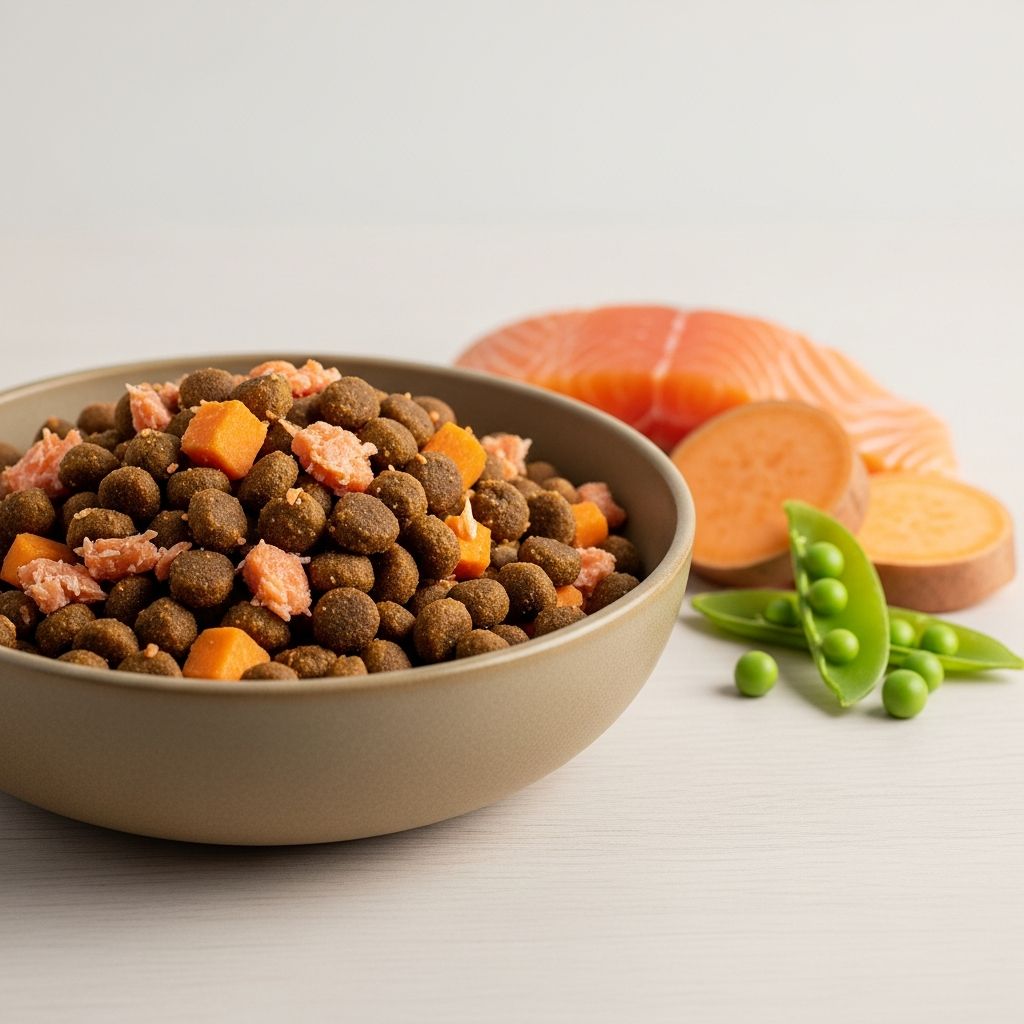
Dogs with skin allergies often suffer from relentless itching, redness, and infections triggered by food sensitivities. Switching to targeted nutrition, such as novel protein formulas or hydrolyzed diets, can significantly reduce symptoms and promote healthier skin.
Understanding Skin Allergies in Dogs
Skin allergies affect millions of dogs, manifesting as chronic discomfort that impacts their quality of life. These conditions arise when the immune system overreacts to certain substances, leading to inflammation and irritation. While environmental factors like pollen play a role, food-related allergies account for a notable portion of cases, particularly those involving proteins from common ingredients.
Common signs include excessive scratching, particularly around the paws, ears, and belly; red, inflamed skin; hair loss in patches; and recurrent ear or skin infections. Gastrointestinal issues like vomiting or diarrhea may accompany these symptoms, signaling a deeper dietary trigger. Early recognition is crucial, as untreated allergies can lead to secondary complications like hot spots or yeast overgrowth.
- Itchy paws and ears: Frequent licking and chewing indicate irritation.
- Red or scabby skin: Visible inflammation on the face, groin, or underbelly.
- Bald spots: Self-inflicted hair loss from constant rubbing.
- Odor and infections: Foul-smelling ears or skin due to bacterial buildup.
Diagnosis typically involves ruling out fleas, environmental allergens, and infections before focusing on food trials. Veterinary guidance ensures accurate identification of culprits.
Common Food Triggers and Why They Matter
Proteins in everyday dog foods are the primary allergens. Beef, chicken, dairy, eggs, wheat, corn, soy, and lamb top the list of frequent offenders. These ingredients, staples in many commercial diets, provoke immune responses that manifest on the skin rather than solely in the gut.
Why proteins? The dog’s immune system mistakes them for threats, producing antibodies that trigger histamine release, causing itchiness and swelling. Carbohydrates like grains can exacerbate issues in sensitive dogs, though they less commonly cause true allergies.
| Common Allergen | Prevalence in Diets | Symptoms Triggered |
|---|---|---|
| Beef | High | Itching, ear infections |
| Chicken | High | Paw licking, GI upset |
| Dairy | Moderate | Skin redness, hives |
| Wheat/Grains | Moderate | Chronic scratching |
| Soy/Corn | High | Hot spots, infections |
Avoiding these requires careful label reading and transitioning to safer alternatives.
Types of Diets Proven to Help Skin Allergies
Not all allergy formulas are equal; selecting the right type depends on your dog’s history and symptoms. Three main categories stand out: hydrolyzed protein diets, novel protein options, and skin-support formulas enriched with fatty acids.
Hydrolyzed Protein Diets: These break proteins into tiny, non-recognizable fragments, evading the immune system. Ideal for severe cases, they require veterinary prescription and an 8-week trial for assessment.
Novel Protein Diets: Featuring proteins like fish, venison, duck, or rabbit—ingredients your dog likely hasn’t encountered—these minimize reaction risks. Fish stands out for its rarity as an allergen and high omega-3 content.
Skin-Support Formulas: Limited-ingredient diets with omega-3s from fish oil, flaxseed, or salmon boost skin barrier function and reduce inflammation. These suit mild cases or as maintenance.
Combining these with grain-free options further limits potential irritants, though raw or freeze-dried variants offer enzymatic benefits for digestion.
Why Fish-Based Foods Excel for Allergic Dogs
Fish emerges as a superstar protein for skin allergies. Rarely allergenic, it delivers abundant omega-3 fatty acids (EPA and DHA) that combat inflammation at the cellular level. Studies show these fats improve coat shine, reduce itching, and support joint and heart health.
Beyond allergies, fish diets enhance energy levels and immune resilience. Salmon, pollock, or whitefish formulas provide complete nutrition without common triggers. Transition gradually over 7-10 days to prevent digestive upset.
- Omega-3s reduce skin inflammation by 30-50% in trials.
- Novel status prevents immune sensitization.
- Shiny coat and vitality as bonuses.
Conducting a Successful Elimination Diet Trial
The gold standard for confirming food allergies is an 8-12 week elimination trial. Feed only a single novel or hydrolyzed protein source—no treats, table scraps, or flavored meds.
- Consult your vet: Get a prescription diet recommendation.
- Strict feeding: One food for 8 weeks minimum.
- Monitor progress: Track itching, redness, and stool weekly.
- Reintroduce original diet: If symptoms return within days, allergy confirmed.
- Maintain success: Stick to proven diet long-term.
Patience is key; improvements start in 2-4 weeks, full resolution by 8-12. Inconsistent trials fail 70% of the time.
Supplements to Enhance Diet Effectiveness
Nutrition alone may need boosting. Essential fatty acid supplements like salmon oil amplify anti-inflammatory effects. Other aids include:
- Omega-3/6 blends: Balance skin repair.
- Probiotics: Support gut-skin axis.
- Zinc and biotin: Strengthen skin barrier.
- Quercetin or turmeric: Natural antihistamines.
- Coconut oil: Antimicrobial for infections.
Integrate under vet supervision to avoid interactions.
Holistic Management Beyond Food
Diet pairs with comprehensive care. Medicate infections with antibiotics or antifungals; use topicals for barrier support. Flea prevention is non-negotiable, as bites worsen allergies. Immunotherapy desensitizes to environmental triggers over 6-12 months.
Maintain routines: weekly baths with hypoallergenic shampoos, environmental cleanups, and stress reduction via exercise.
Choosing and Transitioning to New Foods
Scan labels for AAFCO statements, avoiding by-products or fillers. Start with small bags to test tolerance. Mix old and new over a week:
| Day | New Food % | Old Food % |
|---|---|---|
| 1-2 | 25 | 75 |
| 3-4 | 50 | 50 |
| 5-6 | 75 | 25 |
| 7 | 100 | 0 |
Monitor for loose stools or refusal.
Realistic Timelines and Expectations
Relief varies: itching eases first (4-6 weeks), followed by coat regrowth (8-12 weeks). Not all cases fully resolve; ongoing management ensures comfort. Puppies can develop allergies, showing similar symptoms early.
Frequently Asked Questions
Can all dogs benefit from fish-based food?
Most with skin allergies do, due to low allergenicity and omega benefits, but test via elimination first.
How long until I see results?
Initial itch reduction in 4-6 weeks; full effects by 12 weeks with strict adherence.
Are grain-free diets always better?
They reduce irritants but aren’t essential if grains aren’t the trigger; focus on proteins.
What if diet changes don’t help?
Revisit vet for environmental testing or immunotherapy; combined allergies are common.
Are supplements safe for puppies?
Yes, in age-appropriate doses, but consult vet for tailored advice.
References
- Food Allergies in Dogs — VCA Animal Hospitals. 2023-01-15. https://vcahospitals.com/know-your-pet/food-allergies-in-dogs
- Understanding Dog Food for Skin Allergies — Hill’s Pet Nutrition. 2024-05-20. https://www.hillspet.com/dog-care/healthcare/understanding-dog-food-for-skin-allergies
- Best Dog Food for Dogs With Allergies — PetMD Vet Verified. 2026-01-10. https://www.petmd.com/dog/vet-verified/best-dog-food-for-dogs-with-allergies
- Dog Skin Allergies & Allergic Dermatitis — Purina. 2023-11-05. https://www.purina.com/articles/dog/health/skin-fur-ears/dog-skin-allergies-dermatitis
- Food Allergens — Pet Dermatology Clinic. 2024-02-12. https://www.petdermatologyclinic.com/food-allergens
Similar Articles








Read full bio of Sneha Tete