

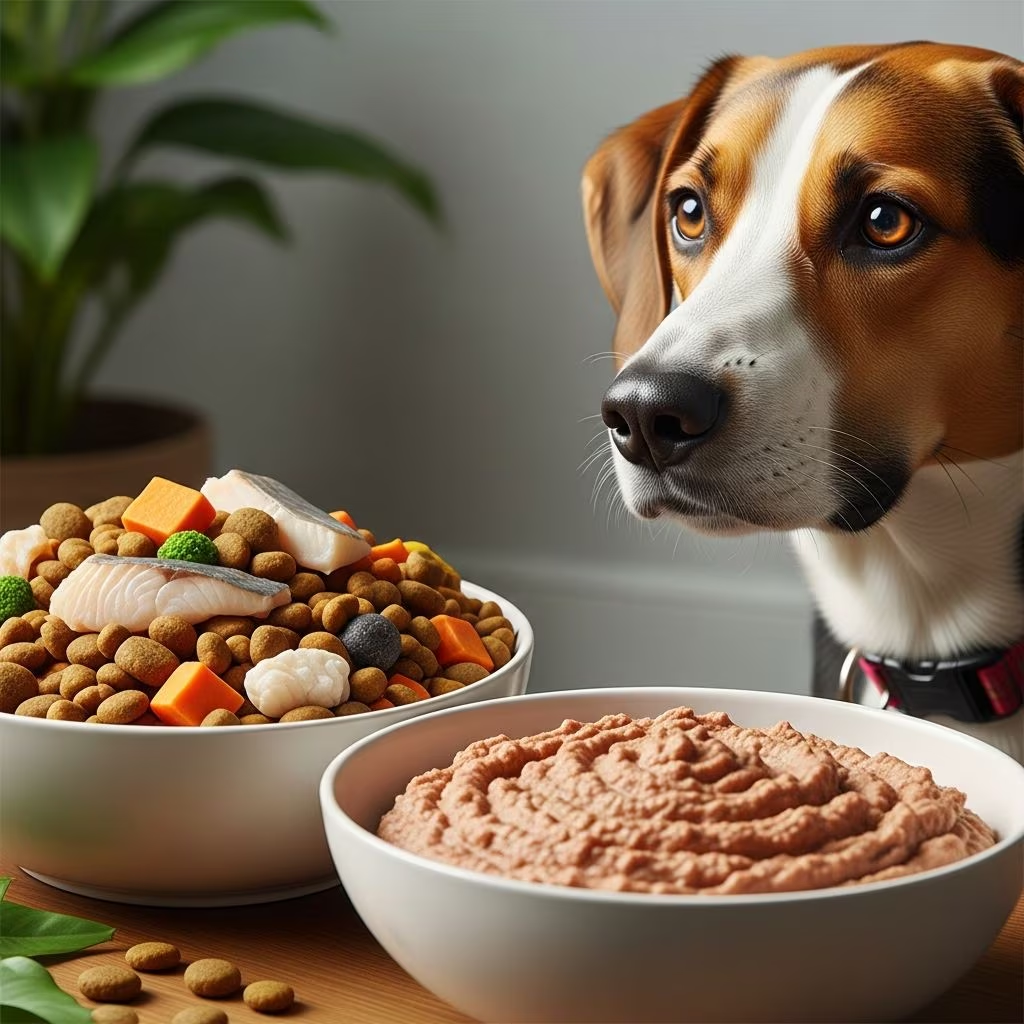
Best Dog Food for Skin Conditions in Dogs
When your dog scratches constantly, develops a dull coat, or shows signs of skin irritation, the culprit might be their diet. Proper nutrition plays a vital role in maintaining healthy skin and a shiny coat in dogs. Whether your pet suffers from food allergies, environmental sensitivities, or chronic skin conditions, choosing the right food can make a significant difference in their quality of life.
Skin problems in dogs can stem from various causes, including food allergies, environmental triggers, fleas, or infections. However, many of these conditions can be effectively managed through dietary changes. By understanding which ingredients and nutrients support skin health, pet owners can make informed decisions about their dog’s nutrition and help alleviate uncomfortable symptoms.
Understanding Dog Skin Conditions and Diet
Dog skin conditions often manifest as itching, redness, dryness, or flaking. While external parasites and environmental factors contribute to skin problems, food allergies and sensitivities are significant contributors. When a dog’s immune system reacts negatively to certain food ingredients, it can trigger inflammatory responses that affect the skin.
The connection between diet and skin health is well-established in veterinary medicine. Certain nutrients are essential for maintaining skin barrier integrity, reducing inflammation, and promoting a healthy coat. A high-quality diet formulated specifically for skin health can address these nutritional needs and help your dog feel more comfortable.
Key Nutrients for Healthy Dog Skin
Several essential nutrients contribute to optimal skin health in dogs. Understanding these components helps pet owners identify which foods will best support their dog’s skin condition.
Omega Fatty Acids
Omega-3 and omega-6 fatty acids are among the most important nutrients for dog skin health. These essential fatty acids help reduce inflammation, relieve itching, and maintain skin moisture. Clinical evidence demonstrates that diets high in omega-3 fatty acids lead to significant improvements in itching, skin condition, and coat quality over a six-week period. Fish oil, flaxseed, and herring oil are excellent sources of these beneficial fatty acids that can dramatically improve your dog’s coat appearance and comfort level.
Protein and Amino Acids
High-quality protein is fundamental for maintaining skin structure and function. Amino acids like methionine work in conjunction with B vitamins to support ceramides, which are the connecting bonds between skin cells. This process strengthens the skin barrier and helps prevent irritation. Whole animal proteins from sources like chicken, fish, and turkey provide complete amino acid profiles necessary for skin repair and maintenance.
Vitamins and Minerals
Vitamins A, B-complex vitamins, and vitamin E play crucial roles in skin health. Vitamin E acts as an antioxidant, protecting skin from oxidative damage. B vitamins support the skin barrier function, while vitamin A promotes skin cell turnover. Zinc is essential for skin repair and maintaining the integrity of the skin barrier. Biotin, a B vitamin, promotes healthy skin, hair, and nails. These micronutrients should be naturally present in high-quality dog foods or added to support skin conditions.
Antioxidants
Antioxidants including vitamin C and vitamin E help support the immune system and reduce skin-damaging free radicals. These nutrients help combat inflammation and oxidative stress that can compromise skin health. Ingredients like sweet potatoes, pineapples, and turmeric provide natural sources of antioxidants and other beneficial compounds.
Types of Beneficial Dog Food Diets for Skin Conditions
Several dietary approaches can help manage dog skin conditions. Your veterinarian can recommend the most appropriate option based on your dog’s specific needs.
Limited Ingredient Diets (LID)
Limited ingredient diets focus on a single protein source and minimal ingredients to reduce the risk of allergic reactions. These diets eliminate common allergens and are ideal for dogs with food sensitivities or known allergies. A limited ingredient diet like Natural Balance L.I.D. Potato & Duck Formula features limited ingredients to reduce the chances of adverse food reactions while containing higher levels of omega fatty acids for healthy skin and coat.
Hypoallergenic Diets
Hypoallergenic dog foods contain hydrolyzed proteins that are broken down into smaller molecules, making them less likely to trigger allergic reactions. These specialized formulas are particularly beneficial for dogs with moderate to severe skin irritation resulting from environmental allergies, fleas, or skin infections. Hydrolyzed protein diets can help identify if a food allergy is causing your dog’s skin problems.
Fish-Based Diets
Fish-based diets offer a double-benefit: they serve as a novel protein source while providing high levels of natural fish oil rich in omega-3 fatty acids. These diets are suitable for dogs with food allergies and support skin health simultaneously. Fish-based formulas are often the first recommendation for itchy dogs since they combine hypoallergenic properties with skin-supporting nutrients. Most fish-based recipes are grain-free, adding another advantage for dogs with grain sensitivities.
Prescription and Veterinary Diets
For dogs with moderate to severe skin conditions, veterinarians may recommend prescription diets specifically formulated for skin health. Products like Hill’s Science Diet Adult Sensitive Stomach & Skin and Royal Canin Veterinary Skintopic are rich in omega fatty acids, vitamins A and E, and biotin to support healthy skin barrier function and reduce skin irritation. These veterinary-formulated diets address both skin and digestive health concerns.
Ingredients to Look For and Avoid
When selecting food for dogs with skin conditions, pet owners should understand which ingredients support skin health and which commonly trigger problems.
Beneficial Ingredients
- Fish and fish oils – Rich in omega-3 fatty acids for anti-inflammatory benefits
- Sweet potatoes – Provide antioxidants and easily digestible carbohydrates
- Lean proteins – Chicken, duck, turkey, and fish offer essential amino acids
- Flaxseed – Contains omega-3 and omega-6 fatty acids
- Turmeric and pineapple – Natural anti-inflammatory ingredients
- Chicken hearts and liver – Nutrient-dense organ meats supporting skin health
Common Allergens to Avoid
- Wheat and corn – Major allergens often causing skin reactions
- Soy – Can trigger allergic responses in sensitive dogs
- Beef and dairy – Common protein allergens for some dogs
- Artificial additives – Artificial colors, flavors, and preservatives can irritate skin
- By-products – Low-quality protein sources lacking nutritional value
Top Dog Food Recommendations for Skin Conditions
Best Overall: Limited Ingredient with Omega Support
Foods featuring limited ingredients combined with high omega fatty acid content provide excellent support for dogs with skin conditions. These formulas reduce the likelihood of allergic reactions while delivering the nutrients necessary for skin repair and coat health. When transitioning your dog to a new food, do so gradually over 7-10 days to avoid digestive upset.
Best for Sensitive Stomachs and Skin
Some dogs experience both digestive and skin issues. Veterinarians recommend diets that address both concerns, such as Hill’s Science Diet Adult Sensitive Stomach & Skin Dry Dog Food. These dual-benefit formulas are specifically designed to reduce food sensitivities while supporting skin health and digestion.
Best Grain-Free Options
Grain-free dog foods eliminate wheat, corn, and other potential allergens. By using sweet potatoes and other easily digestible carbohydrates, these foods reduce the risk of dogs developing allergies to common allergens. Limited ingredient recipes with grain-free formulations, such as Canidae Pure Grain Free Salmon & Sweet Potato, avoid artificial additives that can irritate the skin.
Best Freeze-Dried and Raw Options
Minimally processed foods retain vital nutrients including naturally occurring vitamins and minerals that promote healthy skin and shiny coats. Freeze-dried raw options made from high-quality sources of lean protein containing essential fatty acids effectively moisturize a dog’s skin and promote a soft, shiny coat while maintaining nutritional integrity.
Supplementing Your Dog’s Diet
Beyond selecting the right food, supplements can provide additional skin support for dogs with persistent conditions.
Fish Oil Supplements
Fish oil contains abundant omega-3 fatty acids and is one of the best supplements to add to your dog’s food. Fish oil helps reduce itchy and flaky skin, relieves allergies, supports joint health, and promotes heart health. The omega-3 fatty acids in fish oil strengthen your dog’s immune system, helping them fight allergies and diseases more effectively.
Biotin
This B vitamin promotes healthy skin, hair, and nails in dogs. Supplementing your dog’s diet with biotin may significantly improve itchy skin conditions and support overall coat quality.
Coconut Oil
Coconut oil can soothe irritated skin and promote a healthy coat. However, always consult your veterinarian before trying home remedies to ensure your pet receives proper nutrition and veterinary care.
Working with Your Veterinarian
Choosing the best food for your dog’s skin condition requires professional guidance. Your veterinarian can identify the underlying cause of your dog’s skin problems, whether related to food allergies, environmental factors, or other conditions. They may recommend prescription diets or specific nutritional profiles tailored to your dog’s needs.
When introducing a new diet, inform your veterinarian about the transition. Some dogs may require gradual dietary changes to avoid digestive upset. Keep records of improvements or setbacks to help your vet fine-tune recommendations.
Additional Skin-Supporting Treats and Supplements
While primary nutrition forms the foundation of skin health, supplementary treats designed for skin care can provide additional support. Look for skin and coat care treats like SmartBones Skin & Coat Care Chicken Chews and Nutro Ultra Salmon Meal & Sunflower Oil Biscuits. These treats should complement, not replace, a balanced diet formulated for skin health.
Frequently Asked Questions (FAQs)
Q: What is the best food for dogs with itchy skin?
A: The best food for dogs with itchy skin is natural, hypoallergenic, and free from common allergens like wheat, soy, and artificial additives. Limited ingredient diets and fish-based formulas are often recommended as they reduce allergic triggers while providing omega fatty acids to support skin health.
Q: How long does it take for a new diet to improve skin conditions?
A: Dietary changes typically show results within 6-8 weeks. Clinical studies demonstrate that diets high in omega-3 fatty acids lead to significant improvements in itching, skin condition, and coat quality over a six-week period. Patience is essential as the skin barrier gradually repairs.
Q: Can food allergies cause skin problems in dogs?
A: Yes, food allergies are a significant cause of skin problems in dogs. When a dog’s immune system reacts negatively to certain food ingredients, it triggers inflammatory responses that manifest as itching, redness, dryness, and flaking. Limited ingredient and hypoallergenic diets can help identify and manage food-related skin issues.
Q: What ingredients should I avoid for dogs with skin conditions?
A: Common allergens include wheat, corn, soy, beef, dairy products, and artificial additives. Limited ingredient diets that eliminate these triggers can reduce the likelihood of adverse reactions. Consider fish-based or poultry-limited formulas as alternatives.
Q: Are prescription diets necessary for all dogs with skin problems?
A: Not all dogs require prescription diets. Many benefit from high-quality, limited ingredient commercial foods. However, dogs with moderate to severe skin conditions may benefit from veterinary-formulated prescription diets specifically designed to address their unique needs. Consult your veterinarian to determine the appropriate option.
Q: Can supplements help with dog skin conditions?
A: Yes, supplements like fish oil, biotin, and coconut oil can provide additional skin support. Fish oil is particularly beneficial for reducing inflammation and improving coat quality. Always consult your veterinarian before introducing supplements to ensure appropriate dosing and compatibility with your dog’s current diet.
Q: What is the difference between food allergies and food sensitivities?
A: Food allergies involve an immune system response, often causing skin problems, itching, and hives. Food sensitivities cause digestive issues like flatulence, upset stomach, or diarrhea without immune involvement. Both can affect skin health indirectly, and selecting appropriate diets addresses either concern.
References
- Clinical Evidence on N-3 Fatty Acids for Canine Skin Health — Dog Food Advisor. 2025. https://www.dogfoodadvisor.com/best-dog-foods/shiny-skin-and-coat/
- Best Dog Food for Skin Allergies: Vet Reviewed — Pet Circle. 2025. https://www.petcircle.com.au/discover/best-dog-food-for-skin-allergies
- What to Feed Dogs With Itchy Skin: Best Foods, Tips & Tricks — Zach’s Pet Shop. 2025. https://zachspetshop.com.au/blogs/guides-advice/what-to-feed-dogs-with-itchy-skin
- The Best Dog Food for Skin Allergies: Best Natural Food Options — Pet Cubes. 2025. https://petcubes.com/blogs/dog-skin-allergies/best-dog-food-for-skin-allergies
- Understanding Dog Food for Skin Allergies — Hill’s Pet Nutrition. 2025. https://www.hillspet.com/dog-care/healthcare/understanding-dog-food-for-skin-allergies
- 10 Best Dog Foods for Dogs With Allergies in 2025, Vet Verified — PetMD. 2025. https://www.petmd.com/dog/vet-verified/best-dog-food-for-dogs-with-allergies
- Best Dog Food for Skin Conditions & Allergies — Chewy. 2025. https://www.chewy.com/education/dog/food-and-nutrition/best-dog-food-skin-conditions-dogs



