

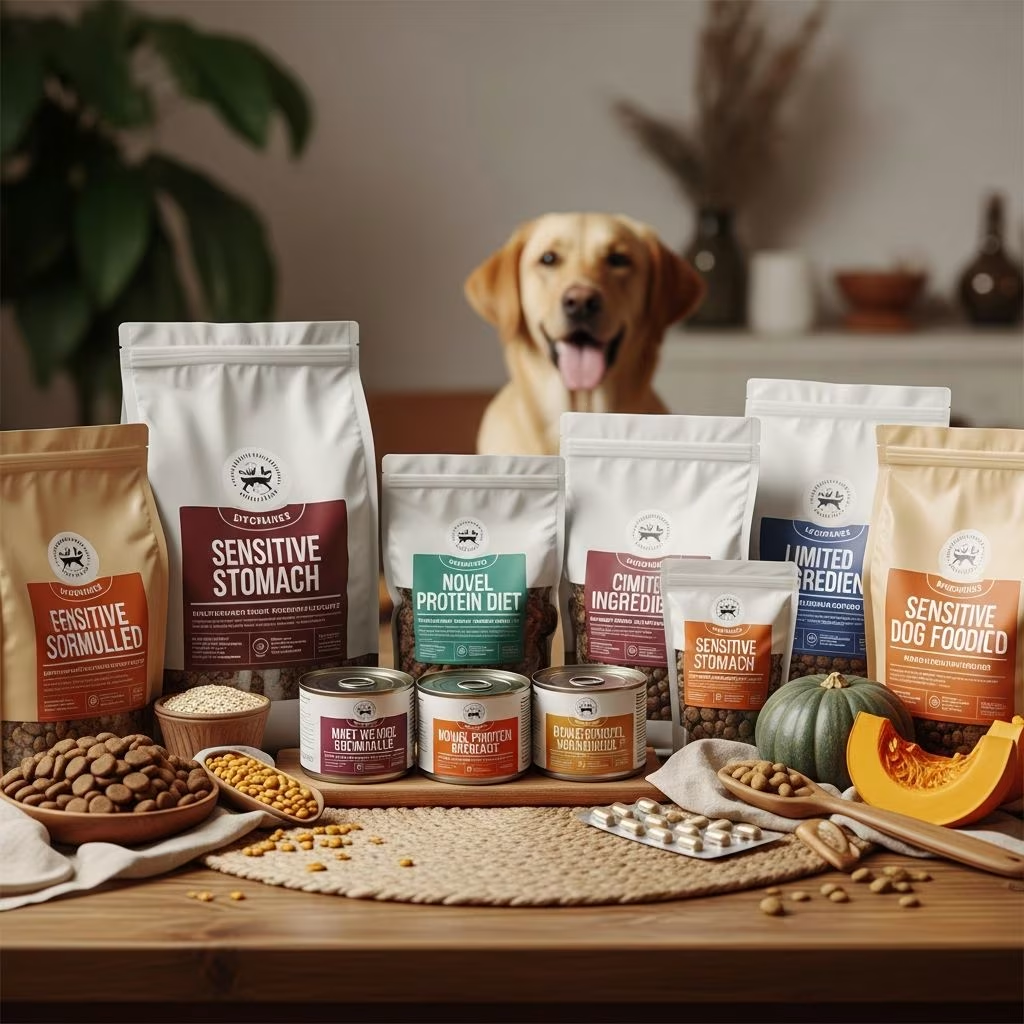
Choosing the Best Dog Food for Sensitive Stomach Issues
If your dog frequently experiences digestive issues such as diarrhea, vomiting, or general stomach upset, you’re not alone. Many dogs suffer from sensitive stomachs, which can be caused by food allergies, intolerances, or underlying gastrointestinal conditions. Selecting the right food is crucial for maintaining your dog’s digestive health and overall well-being. This comprehensive guide will help you navigate the process of choosing the best dog food for your pet’s sensitive stomach.
Understanding Sensitive Stomach in Dogs
A sensitive stomach in dogs can manifest in various ways, including chronic diarrhea, vomiting, constipation, excessive gas, or general discomfort after eating. These symptoms often indicate that your dog’s digestive system is struggling to process certain ingredients or that specific components are triggering an allergic or inflammatory response. Understanding the root cause is the first step toward finding an appropriate solution.
Dogs with sensitive stomachs require specially formulated nutrition that focuses on digestibility, reduced inflammation, and gentle ingredients. The goal is to minimize irritation to the gastrointestinal tract while still providing complete and balanced nutrition. Consulting with your veterinarian before making dietary changes is essential, as they can help identify the underlying cause and recommend appropriate options for your individual dog.
Key Ingredients for Sensitive Stomach Dog Food
When selecting dog food for sensitive stomachs, certain ingredients have proven beneficial for digestive health and nutrient absorption.
High-Quality Protein Sources
High-quality, easily digestible protein is fundamental for dogs with sensitive stomachs. Meat-based proteins are superior to plant-based alternatives because they are more digestible and bioavailable. Fish-based proteins, particularly salmon and whitefish, are excellent choices as they provide high protein content along with beneficial omega fatty acids. Look for foods where meat is listed as the primary ingredient and comprises the majority of the protein content.
Digestible Carbohydrates
While some dogs benefit from grain-free formulations, digestible grains and carbohydrate sources can be beneficial when they’re gentle on the stomach. Brown rice, oatmeal, and barley are highly digestible carbohydrate sources that provide steady energy without causing inflammation. Pumpkin and sweet potato are also excellent carbohydrate sources that provide additional fiber and nutritional benefits without the starch spikes associated with white rice.
Omega Fatty Acids
Omega-3 and omega-6 fatty acids play vital roles in supporting skin and coat health, reducing inflammation, and promoting overall digestive wellness. Fish oil and salmon oil are rich in EPA and DHA, which are particularly beneficial for dogs with sensitivities. Sunflower oil provides omega-6 fatty acids necessary for skin health and coat quality.
Fiber and Prebiotics
Appropriate fiber levels support healthy digestion and promote optimal stool quality. Beet pulp is an excellent fiber source that maintains fecal quality without affecting nutrient digestibility. Inulin and psyllium are also recommended fiber sources. Prebiotics and probiotics support a healthy gut microbiome, which is essential for digestive function and immune system support.
Ingredients to Avoid
Certain ingredients are commonly associated with digestive upset and should be avoided when selecting food for sensitive stomachs.
Common Allergens: Chicken is one of the most common allergens for dogs with sensitivities. Corn, wheat, and soy are frequently associated with allergic reactions and should be eliminated from the diet. Eggs and white potatoes may also trigger sensitivities in some dogs.
Fillers and Binders: Cheap starch ingredients like white rice, potato starch, and tapioca starch are often included in commercial pet foods as affordable fillers. These ingredients can drive inflammation and exacerbate digestive issues. By-product meals and animal by-products should also be avoided in favor of whole meat proteins.
Artificial Additives: Artificial colors, flavors, and preservatives offer no nutritional benefit and may contribute to digestive upset. Look for foods made with natural preservatives like mixed tocopherols.
Peas and Pea Protein: While peas are nutrient-dense, they can be problematic for some sensitive dogs and are best avoided or limited in specially formulated sensitive stomach foods.
Limited Ingredient Diets
Limited ingredient dog foods are specifically formulated with fewer components, making them ideal for dogs with multiple food sensitivities or allergies. These formulations typically contain a single protein source, a digestible carbohydrate source, and essential vitamins and minerals. By reducing the number of ingredients, limited ingredient diets help identify which foods trigger digestive issues and reduce the likelihood of adverse reactions. This approach is often recommended when transitioning a dog with a history of sensitivity to a new food.
Grain-Free vs. Grain-Inclusive Options
The choice between grain-free and grain-inclusive dog food depends on your individual dog’s needs. Grain-free formulations eliminate common irritants like corn, wheat, and barley, making them suitable for dogs with grain sensitivities. However, grain-inclusive options with digestible grains like brown rice and oatmeal can be beneficial for many dogs with sensitive stomachs, as these grains are gentle on the digestive system and provide valuable fiber and nutrients.
Consult your veterinarian to determine whether grain-free or grain-inclusive options would be most appropriate for your dog. Some dogs thrive on grain-free diets, while others benefit from the digestible carbohydrates found in whole grains.
Top Commercial Dog Foods for Sensitive Stomachs
Several well-formulated commercial dog foods are specifically designed to support digestive health and address sensitivity issues.
Purina Pro Plan Sensitive Skin & Stomach
This specialized formula features salmon as the first ingredient and includes oatmeal for easy digestibility. The formula contains fish oil rich in omega-3 fatty acids and sunflower oil with omega-6 fatty acids to support joint health and skin coat quality. Made without corn, wheat, soy, or artificial colors and flavors, this option provides 26% protein and 16% fat, making it appropriate for most adult dogs.
Natural Balance Sensitive Skin & Stomach Salmon & Oatmeal Formula
This science-backed formula features real salmon and healthy fats rich in omega fatty acids. Oatmeal and pumpkin provide healthy fiber, while leading levels of live probiotics support a healthy microbiome. The formula includes vital bites—nutrient-packed pieces enriched with vitamins and minerals—and is made without corn, wheat, soy, or animal by-product meals.
Victor Sensitive Skin & Stomach Salmon Meal & Brown Rice Recipe
VICTOR’s formulation contains 78% of its protein from salmon and fish meals, with a protein to fat ratio of 26% protein and 14% fat. This gluten-free ancient grain recipe excludes chicken, corn, wheat, soy, peas, and pea protein. The formula includes omega-3 and omega-6 fatty acids plus vitamin E to support coat and skin health and includes taurine for heart health.
Voyager Wholesome Sensitive Skin & Stomach Hydrolyzed Salmon Recipe
This formula features hydrolyzed salmon, which undergoes enzymatic hydrolysis to break apart protein molecules and minimize adverse food reactions. The formula includes brown rice, chickpeas, and peas as carbohydrate and protein sources, along with dried pumpkin and fish to support digestive and skin health. It contains no chelated copper or copper sulfate.
Muenster Pet Fish-Based and Limited Ingredient Options
Muenster offers multiple options for sensitive stomachs, including fish-based recipes that exclude poultry (a common allergen) and limited ingredient grain-free salmon formulas with no poultry proteins, eggs, white potatoes, or grains. They also offer freeze-dried protein-first recipes that are low carb and can be fed as a complete meal or topper.
Transitioning to a New Food
When switching your dog to new food formulated for sensitive stomachs, transition gradually over 7-10 days. Begin by mixing 25% of the new food with 75% of the old food, then gradually increase the proportion of new food while decreasing the old food. A slow transition allows your dog’s digestive system to adapt and minimizes the risk of digestive upset during the dietary change.
Home-Cooked Diets for Sensitive Stomachs
Some dogs benefit from home-cooked diets prepared with carefully selected ingredients. A simple and effective option is cooked chicken or low-fat turkey with mashed pumpkin or sweet potato, without seasoning or added fat. These bland diets are particularly useful during recovery from digestive upset or when identifying food triggers. However, home-cooked diets require careful formulation to ensure they provide complete and balanced nutrition, so consult your veterinarian before implementing long-term home-cooked feeding.
The Role of Fiber in Digestive Health
Fiber plays an important role in managing digestive health and can help regulate bowel movements. Some dogs do better with extra fiber in their diets to improve stool quality and support digestive regularity. Beet pulp provides excellent fiber without affecting other nutrient digestibility, while inulin and psyllium are additional recommended fiber sources for dogs with sensitive stomachs.
Nutritional Profile Considerations
When comparing sensitive stomach dog foods, examine the guaranteed analysis to ensure appropriate nutrient levels. Look for formulas with moderate to high protein content (ideally 24-30%), balanced fat content (12-18%), and controlled fiber levels. The inclusion of essential amino acids, vitamins, and minerals ensures your dog receives complete nutrition despite digestive sensitivities. Some specialty formulas include additional probiotics or digestive enzymes to further support gastrointestinal function.
Working with Your Veterinarian
Your veterinarian is your best resource when addressing your dog’s sensitive stomach. They can perform diagnostic tests to identify underlying conditions, rule out parasites or infections, and recommend appropriate dietary modifications. Your vet may recommend prescription diets formulated with hydrolyzed proteins or other specialized ingredients, or they may approve commercial sensitive stomach formulas based on your dog’s specific situation. Regular follow-up appointments allow your veterinarian to monitor your dog’s progress and adjust recommendations as needed.
Frequently Asked Questions
Q: How long does it take to see improvement after switching to sensitive stomach dog food?
A: Most dogs show improvement within 2-4 weeks of eating a new sensitive stomach formula, though some may take up to 6-8 weeks to show complete resolution of digestive symptoms.
Q: Can I mix sensitive stomach dog food with regular food?
A: During the transition period, yes. However, for best results once transitioned, feed only the sensitive stomach formula to avoid triggering digestive upset from other ingredients.
Q: Are grain-free sensitive stomach foods better than grain-inclusive options?
A: This depends on your individual dog. Some dogs do better on grain-free formulas, while others benefit from digestible whole grains. Your veterinarian can help determine the best option for your dog’s specific sensitivities.
Q: What should I do if my dog doesn’t improve on sensitive stomach food?
A: Contact your veterinarian. Lack of improvement may indicate an underlying medical condition requiring additional testing or a different dietary approach.
Q: Can probiotics help dogs with sensitive stomachs?
A: Yes, probiotics can support gut health and digestive function. Many sensitive stomach dog foods include beneficial probiotics, and your veterinarian may recommend additional probiotic supplements.
Q: Is it possible to identify my dog’s specific food triggers?
A: An elimination diet can help identify triggers. Your veterinarian can guide you through this process, starting with limited ingredient foods and slowly introducing new ingredients to identify problematic foods.
Conclusion
Choosing the best dog food for a sensitive stomach requires careful consideration of ingredients, nutritional profiles, and your individual dog’s needs. By focusing on high-quality, easily digestible proteins, avoiding common allergens and fillers, and incorporating beneficial ingredients like fiber and probiotics, you can significantly improve your dog’s digestive health and overall well-being. Whether you choose a specialized commercial formula or work with your veterinarian to develop a home-cooked diet, the investment in proper nutrition will pay dividends in your dog’s improved comfort, energy levels, and quality of life. Always consult your veterinarian before making significant dietary changes to ensure you’re selecting the most appropriate option for your dog’s unique situation.
References
- Sensitive Skin & Stomach Salmon Meal & Brown Rice Recipe — Victor Pet Food. 2025. https://www.victorpetfood.com/products/sensitive-skin-stomach-salmon-meal-brown-rice-recipe
- Sensitive Stomach Dog Food — Muenster Pet. 2025. https://muensterpet.com/collections/sensitive-stomach-dog-food
- Sensitive Skin & Stomach Salmon Recipe — Voyager Dog Food Co. 2025. https://www.voyagerdogfoodco.com/products/sensitive-skin-stomach-salmon
- Sensitive Skin & Stomach Salmon & Oatmeal Formula — Natural Balance. 2025. https://www.naturalbalanceinc.com/dog-recipes/dry/specialized-nutrition/sensitive-skin-stomach-salmon-oatmeal-formula/
- Pro Plan Sensitive Skin & Stomach Salmon Dry Dog Food — Purina. 2025. https://www.purina.com/dogs/shop/pro-plan-specialized-nutrition-sensitive-skin-stomach-salmon-rice-dry-dog-food
- Best Dog Food for Sensitive Stomachs — American Kennel Club. 2025. https://www.akc.org/expert-advice/nutrition/best-dog-food-sensitive-stomachs/
- What to Feed a Dog with a Sensitive Stomach — Big Dog Pet Foods. 2025. https://www.bigdogpetfoods.com/guides/what-to-feed-a-dog-with-a-sensitive-stomach



