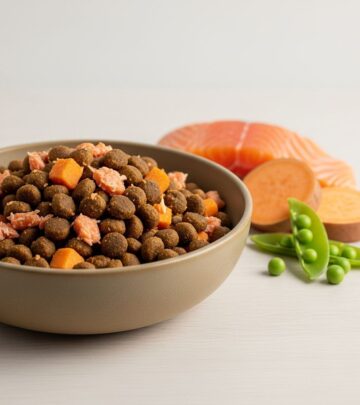
Best Dog Food: Guide to Choosing Quality Nutrition
Discover how to choose the best dog food for your pet's health, breed, and life stage.

Best Dog Food: A Comprehensive Guide to Optimal Canine Nutrition
Choosing the right food for your dog is one of the most important decisions you can make as a pet owner. With countless options available on the market, understanding what constitutes quality dog food and how to match it to your dog’s specific needs can seem overwhelming. This comprehensive guide will help you navigate the world of dog nutrition and make informed choices that support your pet’s health, energy levels, and longevity.
Understanding the Fundamentals of Balanced Dog Nutrition
A balanced diet forms the foundation of your dog’s health and well-being. According to nutritional guidelines, a complete and balanced dog food must include the correct amount and proportion of several essential nutrients that dogs need to build and maintain tissues and carry out biological functions. The primary nutrients your dog requires include protein, fats, carbohydrates, vitamins, minerals, and water.
These nutritional requirements are established by the Association of American Feed Control Officials (AAFCO), which helps ensure commercial dog foods meet your dog’s nutritional needs. Understanding each nutrient’s role in your dog’s body is essential for making educated feeding decisions.
The Role of Protein in Your Dog’s Diet
Protein is arguably the most critical nutrient in your dog’s food. Proteins play a vital role in the formation and maintenance of muscle, skin, hair, nails, cartilage, tendons, and ligaments. Additionally, protein assists with hormone, antibody, and blood formation, making it essential for numerous biological processes.
When protein is broken down during digestion, it creates amino acids that your dog’s body can reassemble into the specific proteins needed for various functions. Dogs require ten essential amino acids that cannot be created within their bodies and must be supplied through their diet.
Protein Quality and Sources
Not all proteins are created equal. Animal protein sources have the highest amounts of essential amino acids and provide a complete amino acid profile that aligns with your dog’s natural biology and digestive capabilities. When evaluating dog food, look for specific animal proteins listed as the first ingredient, such as chicken, salmon, or deboned lamb.
While plant-based proteins tend to have lower digestibility compared to animal proteins, dogs can be sustained on a completely plant-based protein diet if properly formulated. However, if you’re considering a vegetarian or vegan diet for your dog, it’s crucial to consult with a board-certified veterinary nutritionist to ensure the diet is formulated and balanced correctly and has undergone proper food trials.
Protein Requirements by Life Stage
Your dog’s protein needs vary depending on their life stage. The AAFCO minimum dietary protein requirement for growing dogs is 22.5% dry matter, while adult dogs require a minimum of 18% dry matter. However, it’s important to note that these are minimum amounts based on feeding high-quality protein.
The maximum protein amount for any life stage should not exceed approximately 30% dry matter. Excess protein is broken down and used for energy, and in some conditions, it can be harmful. Premium puppy food contains higher protein levels to support rapid growth, plus the right balance of calcium and phosphorus for healthy bone development.
Fat: The Energy Powerhouse
Dietary fat serves multiple critical roles in your dog’s body. Fat is the most concentrated form of energy in pet foods, providing 2.25 times more calories than proteins or carbohydrates. Beyond energy provision, fat is essential for various bodily functions and the absorption of fat-soluble vitamins.
Fat Requirements and Sources
The AAFCO minimum levels for fat in dog foods are 8.5% dry matter for growth and reproduction and 5.5% for adult maintenance. Both plant- and animal-based ingredients can be important sources of fats and essential fatty acids in a dog’s diet. For example, linoleic acid (LA), found in vegetable oils, chicken, and pork fat, is a precursor of arachidonic acid (AA), an essential omega-6 fatty acid.
High-quality dog foods often include balanced omega-3 and omega-6 fatty acids to support skin health, coat quality, and overall immune function. When paired with low-carbohydrate formulas, these fats help maintain steady energy levels throughout the day, preventing sugar spikes and crashes.
Carbohydrates: Supporting Health and Digestion
While dogs don’t have a specific dietary requirement for carbohydrates, quality carbohydrates can provide valuable nutrients and fiber when used appropriately in dog food formulas. Carbohydrates include fiber, which is very important for a dog’s normal gastrointestinal function and keeps the colon healthy along with the microbes of the gut.
Types of Carbohydrates in Dog Food
| Type | Examples | Function | Digestibility |
|---|---|---|---|
| Simple Sugars | Fruits, honey | Provide quick energy | Highly digestible |
| Oligosaccharides | Legumes, some fruits and vegetables | Act as prebiotics, provide energy | Moderately digestible |
| Polysaccharides | Corn, wheat, rice, barley, oats, potatoes | Provide sustained energy and fiber | Vary by source |
| Fibrous Sources | Wheat bran, rice bran, apples, guar gum | Aid digestion and gut health | Often fermentable |
Dry dog foods typically contain 30–60% carbohydrates, with the majority being starch. Grains such as corn, rice, wheat, barley, and oats provide the bulk of starch and are well tolerated and absorbed in dogs.
Choosing Quality Carbohydrate Sources
Look for whole food carbohydrate sources like sweet potatoes, peas, and lentils rather than corn, wheat, or generic fillers. These whole food sources provide nutrients beyond just calories and are typically easier for dogs to digest. They also tend to promote more stable energy levels throughout the day, supporting sustained vitality and preventing the sluggishness that can accompany sugar crashes.
Tailoring Nutrition to Your Dog’s Life Stage
Your dog’s nutritional needs vary significantly throughout their life. Puppies require different nutrition than adult dogs, and senior dogs have their own specific requirements. Understanding these differences ensures your dog receives optimal nutrition at every stage of life.
Puppy Nutrition
Puppies experience rapid growth and development, requiring special nutritional support. Premium puppy food contains higher protein levels than adult formulas to support this rapid growth phase, plus the right balance of calcium and phosphorus for healthy bone development. Additionally, quality puppy formulas include DHA, an omega-3 fatty acid that plays a key role in brain and eye development during these important early months.
A regular feeding schedule is crucial for puppies. Most puppies do best eating three to four times per day, which helps maintain their energy levels and keeps their fast-growing bodies well-nourished throughout their active days. More frequent feeding also helps prevent low blood sugar that can sometimes affect young, active dogs.
Adult Dog Nutrition
Once your dog reaches adulthood, their nutritional needs stabilize. Adult dogs typically benefit from eating equally divided meals, two to three times per day. The focus shifts to maintaining healthy body weight, supporting ongoing activity levels, and preventing age-related health issues.
Senior Dog Nutrition
Senior dogs may require adjusted nutrition to support aging joints, maintain cognitive function, and address any emerging health concerns. Senior-specific formulas often include higher-quality proteins to maintain muscle mass, joint-supporting ingredients, and potentially adjusted calorie levels to prevent weight gain as metabolism slows.
Matching Nutrition to Your Dog’s Breed Size
Your dog’s breed size significantly impacts their nutritional requirements and feeding amounts. Understanding these differences ensures you’re providing appropriate nutrition for your specific dog.
Small Breed Dogs (Under 30 Pounds)
Small dogs often pack a big amount of energy into little packages, surprising people with their high energy levels and unique dietary needs. Small breed dogs typically have faster metabolisms per pound compared to larger dogs, meaning they burn calories more efficiently and need nutrient-dense food to maintain their energy levels.
When selecting food for small breeds, prioritize nutrient density over volume. Look for high-quality animal proteins as the primary ingredient and ensure the formula provides sufficient calories to support their active nature without contributing to weight problems.
Medium Breed Dogs
For medium breeds, the sweet spot is finding nutrition that supports their activity level without contributing to weight gain. Their feeding schedules can typically follow standard guidelines, but you can also adjust based on your dog’s individual metabolism and daily routine.
Large and Giant Breed Dogs
Large and giant breed dogs have unique nutritional challenges. They require carefully balanced calcium and phosphorus to support proper bone development and prevent joint issues. Large breed puppies, in particular, need controlled growth rates to minimize stress on their developing skeletal system.
Adult large breed dogs need high-quality proteins to maintain their substantial muscle mass and may benefit from joint-supporting ingredients like glucosamine and chondroitin. Their calorie requirements are substantial, but you should monitor portion sizes to prevent obesity, which can exacerbate joint problems common in large breeds.
Identifying High-Quality Dog Food
With so many dog food options available, knowing what makes a food high-quality is essential. Here are key factors to consider when evaluating dog food products.
The Protein Foundation
When evaluating dog food, protein quality is a good starting point. High-quality animal proteins provide the complete amino acid profile that dogs need to support their health and energy levels. Look for specific animal proteins listed as the first ingredient, such as chicken, salmon, or deboned lamb. Quality animal proteins generally provide more complete nutrition for dogs than plant proteins, aligning with their natural biology and digestive capabilities.
Ingredient Quality and Transparency
Reputable dog food manufacturers clearly identify their ingredient sources and provide transparent nutritional information. Avoid foods with vague ingredient descriptions or long lists of unrecognizable additives.
Nutritional Adequacy Statement
Look for a nutritional adequacy statement on the label that indicates the food is complete and balanced for your dog’s specific life stage. This statement confirms that the food meets AAFCO standards and has been formulated to provide all necessary nutrients.
Understanding Feeding Guidelines and Portion Control
Proper portion control is crucial for maintaining your dog’s healthy weight and preventing obesity-related health issues. Feeding amounts vary from product to product based on calorie content and formula, so it’s essential to consult the feeding chart on the back of your dog’s food packaging.
Individual needs can vary based on factors such as age, activity level, metabolism, and overall health, so you should consult your veterinarian regarding special dietary needs. Your vet can help you determine the appropriate portion size for your specific dog.
Special Dietary Considerations
Some dogs may require special dietary accommodations due to allergies, sensitivities, or specific health conditions. Consulting with a board-certified veterinary nutritionist can help you identify the best dietary approach for your dog’s unique needs.
Frequently Asked Questions About Dog Food
Q: What does a complete and balanced dog food mean?
A: A complete and balanced dog food contains all the essential nutrients—including protein, fats, carbohydrates, vitamins, and minerals—in the correct proportions needed to support your dog’s health and biological functions. You can determine if a pet food meets your pet’s nutritional needs by looking at the nutritional adequacy statement on the label.
Q: How much protein does my dog need?
A: AAFCO minimum dietary protein requirements are 22.5% dry matter for growing dogs and 18% dry matter for adult dogs, based on feeding high-quality protein. However, consult your veterinarian for your specific dog’s needs, as requirements may vary based on age, activity level, and health status.
Q: Can dogs be vegetarian or vegan?
A: Dogs can be sustained on a completely plant-based protein diet if properly formulated and balanced by a board-certified veterinary nutritionist, and if the diet has undergone proper food trials. However, it’s crucial to consult with a veterinary professional before making this dietary change to ensure nutritional adequacy.
Q: How often should I feed my dog?
A: Feeding frequency depends on your dog’s age. Puppies typically do best eating three to four times per day, while adult dogs benefit from eating two to three times per day. Senior dogs can generally follow adult feeding schedules, though individual adjustments may be necessary.
Q: What are the best carbohydrate sources for dogs?
A: Look for whole food carbohydrate sources like sweet potatoes, peas, and lentils rather than corn, wheat, or generic fillers. These whole food sources provide nutrients beyond calories and are typically easier for dogs to digest while promoting stable energy levels throughout the day.
Q: How do I know if my dog’s food is high-quality?
A: Look for specific animal proteins as the first ingredient, whole food carbohydrate sources, transparent ingredient lists, and a nutritional adequacy statement confirming AAFCO standards. Consult your veterinarian if you’re uncertain about your dog’s current food.
References
- Dog Nutrition: Guide to Dog Food Nutrients — PetMD. Accessed 2025. https://www.petmd.com/dog/nutrition/evr_dg_whats_in_a_balanced_dog_food
- Nutrition – General Feeding Guidelines for Dogs — VCA Animal Hospitals. Accessed 2025. https://vcahospitals.com/know-your-pet/nutrition-general-feeding-guidelines-for-dogs
- The Ultimate Guide to Choosing the Right Dog Food — Nulo Pet Food. Accessed 2025. https://nulo.com/blogs/nutrition/the-ultimate-guide-to-choosing-the-right-dog-food
- Dog Feeding Chart: How Much Should I Feed My Dog? — Purina. Accessed 2025. https://www.purina.com/articles/dog/feeding/guides/how-much-should-i-feed-my-dog
- “Complete and Balanced” Pet Food — U.S. Food and Drug Administration. Accessed 2025. https://www.fda.gov/animal-veterinary/animal-health-literacy/complete-and-balanced-pet-food
- AAFCO Dog and Cat Food Nutrient Profiles — Association of American Feed Control Officials. 2015. https://www.aafco.org
- Nutritional Guidelines for Complete Pet Foods — FEDIAF (European Pet Food Industry Federation). 2024. https://europeanpetfood.org
Similar Articles








Read full bio of medha deb