
8 Best Dog Foods for Weight Loss in 2025
Vet-recommended weight loss dog foods high in fiber, low in calories with quality protein.
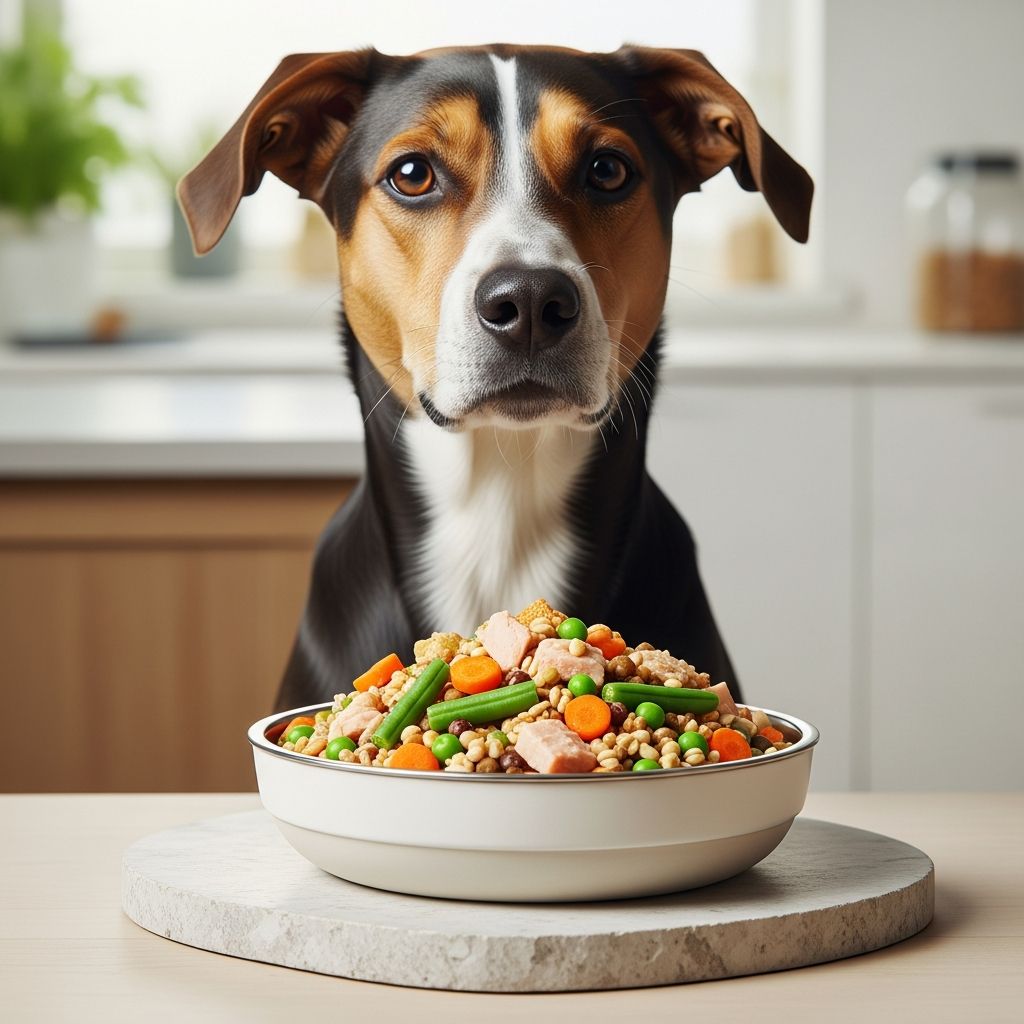
The Importance of Managing Your Dog’s Weight
Keeping an eye on your dog’s weight should be a top priority, as weight concerns can significantly impact their quality of life and overall health. Excess weight in dogs can lead to various health complications, including joint problems, diabetes, and heart disease. Providing an active lifestyle combined with a healthy diet—typically one that’s high in fiber and low in calories without compromising protein levels—can help pets achieve and maintain a healthy weight.
According to veterinary professionals, the most effective approach to weight loss involves more than just diet alone. “Always talk to your vet about your pet’s weight and weight loss plan,” says Veronica Higgs, DVM. “It is important to combine food with exercise and regular weight check-ins at the vet to track progress.”
What To Consider When Buying Weight-Loss Dog Food
Selecting the right weight-loss dog food requires understanding the key nutritional components that support healthy weight management. A panel of veterinary experts has identified several critical factors to consider when choosing a diet for your overweight dog.
High Fiber Content
The best dog food for weight loss should contain a considerable amount of highly digestible fiber. Fiber plays a crucial role in supporting digestive health and promoting satiety—the feeling of fullness. When dogs consume adequate fiber, they feel satisfied with smaller portions, which naturally reduces their overall caloric intake. This makes fiber one of the most important components of any weight-loss diet, as it allows your dog to maintain reasonable meal sizes while still losing weight.
Low Calorie Density
Weight-loss dog food should generally have fewer calories per cup compared to standard maintenance diets. The caloric density of food is critical because it allows you to continue feeding your dog a healthy amount by volume while still reducing total caloric intake. This is particularly important for dogs who may feel deprived on smaller portions, as maintaining adequate meal volume can help them feel psychologically satisfied.
Lean Protein Quality
Look for dog food with high-quality lean protein sources, such as fish or chicken. Adequate protein is essential during weight loss because it supports muscle mass maintenance and promotes fat burning. When dogs lose weight on a protein-rich diet, they’re more likely to lose fat while preserving lean muscle tissue, leading to better overall body composition and metabolic health.
Appropriate Life Stage Formulation
As with any other kind of dog food, you still need to choose food that is appropriate for your pet’s life stage. This consideration is especially important if you have a puppy or a senior dog, as both have special dietary needs that extend beyond weight management. Puppies require specific nutrient ratios for proper development, while senior dogs may need joint support and easier-to-digest ingredients.
Research-Backed Quality Standards
Look for research-backed dog food that is formulated by veterinary experts, has gone through feeding trials, and meets standards set by the Association of American Feed Control Officials (AAFCO). Even though weight-loss diets are designed to decrease caloric intake, they still need to meet the basic nutritional requirements for your dog. Products meeting AAFCO standards ensure your dog receives complete and balanced nutrition while losing weight.
Veterinary Consultation
Consult your veterinarian about your dog’s individual nutritional and health needs before switching foods. Your vet can recommend the right type of food tailored to your dog’s specific needs, taking into account any underlying health conditions, medication interactions, and individual metabolic factors that may affect weight loss success.
How We Selected the Best Dog Foods for Weight Loss
This comprehensive list of the best dog foods for weight loss was meticulously curated by a panel of veterinarians and veterinary technicians. These experts were asked to choose the best dog foods for weight loss in their honest opinion, across multiple categories, based on clinical observations, personal experience, ingredient quality, and proven effectiveness in supporting healthy weight management.
Additional Strategies for Supporting Weight Loss in Dogs
Beyond selecting the right food, several complementary strategies can enhance your dog’s weight loss journey. Monitoring daily calorie intake is essential, as food and treats can accumulate calories quickly. Accurately measure your dog’s food using a food scale or measuring cup, and consider reducing or eliminating treats during the weight-loss period, or substitute them with healthy low-calorie vegetables.
Weight management supplements formulated with ingredients like inulin (a type of soluble fiber) and B-vitamins can support your dog’s metabolism and promote the sensation of fullness. These supplements may help your dog’s body burn calories more efficiently while preserving muscle mass during the weight-loss process.
Dry vs. Wet Food for Weight Loss
Both dry and wet dog foods can support healthy weight loss, each offering distinct advantages. Wet food can be particularly beneficial at creating the sensation of feeling full due to its higher moisture content, which can increase satiety and encourage less caloric intake. Some pets may also benefit from the added hydration or simply prefer wet canned diets. However, every dog and situation is different, and dogs can experience healthy weight loss on canned, dry, or combination diets. Be sure to follow the feeding instructions provided by the manufacturer, and consult your vet for the best feeding schedule for your individual dog.
Frequently Asked Questions About Dog Weight Loss Food
Q: What is the best thing to feed a dog to lose weight?
A: The best way to encourage weight loss in a dog is to switch to a research-backed weight-control dog food that helps reduce calories without negatively impacting nutrition. Diets formulated for weight loss typically will be high in fiber and low in calories and will be made with lean protein. Weight loss plans are most effective when they include a combination of reduced calories and increased activity. Your veterinarian can help recommend the best option for your individual dog based on their health status and nutritional needs.
Q: Is wet or dry dog food better for weight loss?
A: Wet food can be better at creating the sensation of feeling full, and increased satiety is useful in weight management, encouraging less caloric intake. Some pets may also benefit from the added hydration or simply prefer wet canned diets. That being said, every dog and situation is different, and dogs can experience healthy weight loss on a canned, dry, or combination diet. Be sure to follow the feeding instructions provided by the manufacturer, and consult your vet for the best feeding schedule for your individual dog.
Q: How should I measure my dog’s food portions for weight loss?
A: Accurately measure your dog’s food during each meal using a food scale or measuring cup. Extra kibble can easily add on extra pounds, which is especially true for smaller breeds. Consult your veterinarian about the appropriate daily calorie limit for your dog, and measure out the correct amount of kibble and treats accordingly.
Q: Can treats interfere with my dog’s weight loss?
A: Yes, food and treats can add up quickly in terms of calories. When helping your dog lose weight, it’s critical to ensure they are getting the right amount of food and that you aren’t overdoing it on treats. Your vet may recommend skipping treats during your dog’s weight loss timeline or rewarding them instead with vegetables as a healthy alternative.
Q: How often should I have my dog weighed during a weight loss program?
A: Regular weight check-ins at the vet are important to track your dog’s progress during their weight loss journey. These visits allow your veterinarian to adjust the diet or exercise plan as needed and ensure your dog is losing weight at a healthy rate while maintaining overall health and nutrition.
Key Nutritional Components for Weight Loss Success
Understanding the role of different nutrients in weight management helps you make informed decisions about your dog’s diet. Protein supports muscle maintenance and fat burning, fiber promotes satiety and digestive health, and appropriate fat levels provide essential nutrients without excessive calories. High-quality carbohydrates provide sustained energy for increased activity and exercise.
The most important aspect of any weight-loss program is consistency. Combining a research-backed, vet-approved weight-loss diet with regular exercise and careful portion control creates the optimal environment for your dog to achieve and maintain a healthy weight. Working closely with your veterinarian throughout the process ensures your dog receives the right nutrition while safely losing weight.
References
- 8 Best Dog Foods for Weight Loss in 2025, Vet Recommended — PetMD. 2025. https://www.petmd.com/dog/vet-verified/best-dog-food-for-weight-loss
- How To Help My Dog Lose Weight — PetMD. https://www.petmd.com/dog/general-health/how-can-i-get-my-dog-lose-weight
- Dog Nutrition: Guide to Dog Food Nutrients — PetMD. https://www.petmd.com/dog/nutrition/evr_dg_whats_in_a_balanced_dog_food
- Association of American Feed Control Officials (AAFCO) Nutritional Guidelines — AAFCO. https://www.aafco.org
- 9 Best Dog Foods of 2025, Recommended by Vets — PetMD. 2025. https://www.petmd.com/dog/vet-verified/best-dog-food
Similar Articles








Read full bio of Sneha Tete




