

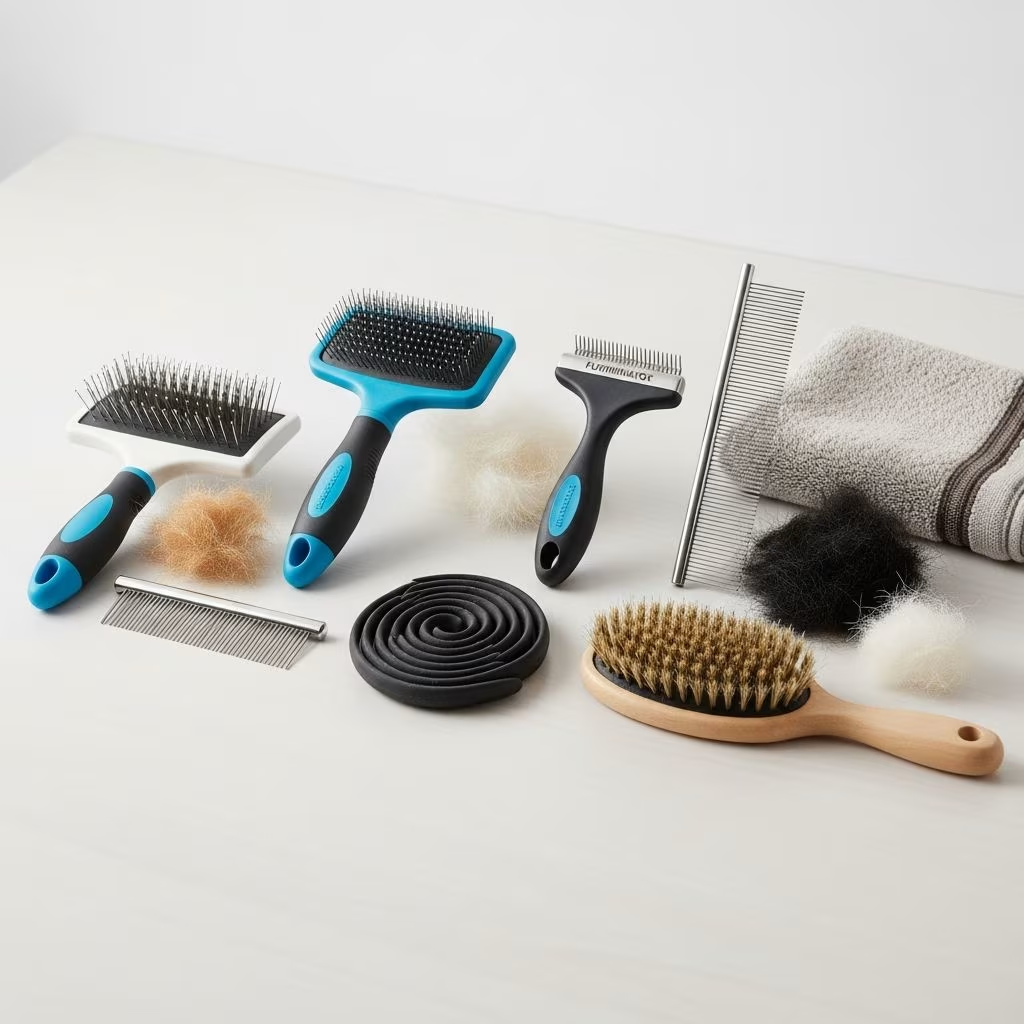
Less Shedding, Yes Please: Your Guide to the Best Dog Brushes to Groom Your Pet
Dog shedding is one of the most common challenges pet owners face. Whether you have a Labrador Retriever, German Shepherd, or any other breed, loose hair seems to find its way onto your furniture, clothing, and floors. The good news is that regular brushing can significantly reduce the amount of hair your dog sheds around your home while keeping their coat healthy and shiny.
Choosing the right dog brush is essential to effective grooming. Different brush types serve different purposes, and what works for one dog may not work for another. Understanding your dog’s coat type, shedding level, and skin sensitivity will help you select the perfect grooming tool to minimize shedding and keep your furry friend comfortable.
Understanding Your Dog’s Coat and Shedding Patterns
Before selecting a brush, it’s important to understand your dog’s specific grooming needs. Several factors influence which brush will be most effective for your pet:
Hair Type and Texture
Dogs have different coat types, ranging from fine and smooth to thick and textured. Some short-haired breeds like Boxers have a smooth coat, while others like Corgis have a slightly thicker, denser undercoat. Long-haired breeds such as Golden Retrievers and German Shepherds have multiple layers that require specialized grooming techniques. Understanding your dog’s specific hair type helps you choose a brush that will effectively remove loose hair without causing discomfort.
Shedding Levels
Certain breeds are notorious heavy shedders. Labrador Retrievers, German Shepherds, and Huskies shed year-round and especially heavily during seasonal changes. Other breeds like Poodles and Bichon Frises shed minimally. Knowing your dog’s shedding level will help you determine how often you need to brush and which de-shedding tools are necessary.
Skin Sensitivity
Some dogs have sensitive skin that reacts poorly to certain brushes or grooming techniques. If your dog has allergies, skin conditions, or irritation, you’ll need to use gentle, high-quality brushes with soft bristles and rounded tips to avoid causing further irritation.
Top Dog Brushes for Shedding Control
Rubber Brushes
Rubber brushes are excellent for all coat types, particularly short-haired dogs. Popular models like the Kong ZoomGroom feature soft rubber nubs that gently massage your dog’s skin while attracting and removing loose hair. The massaging action improves circulation and feels pleasant to most dogs, making grooming time enjoyable rather than stressful.
Best For: Removing loose hair, massaging, improving circulation, and dogs with sensitive skin
How to Use: Use gentle circular motions to lift dirt and dead hair from your dog’s coat. These brushes work particularly well during bath time, as they help distribute shampoo evenly while removing loose hair.
Bonus Tip: Rubber brushes are excellent for puppies and senior dogs who may be sensitive to more aggressive grooming tools. They’re also great for dogs who are anxious about grooming.
Bristle Brushes
Bristle brushes like the Burt’s Bees for Pets Palm Brush are designed to remove surface dirt, dander, and loose hair while adding shine to your dog’s coat. These brushes work well for short-haired breeds like Dalmatians, Boston Terriers, and Pugs. The natural bristles are gentle enough for most dogs while still being effective at capturing loose hair.
Best For: Removing surface dirt, adding shine, and daily maintenance grooming
How to Use: Brush in the direction of hair growth for the smoothest finish. Work methodically from head to tail, paying special attention to areas where your dog sheds most heavily.
Bonus Tip: The palm-held design of many bristle brushes makes them easy to maneuver and reduces wrist strain during extended grooming sessions.
De-Shedding Tools
De-shedding tools are specifically designed to remove loose undercoat hair before it ends up on your furniture and clothing. The FURminator and similar de-shedding brushes are particularly effective for heavy shedders like Labrador Retrievers, German Shepherds, and Huskies. These tools use specially designed teeth or blades to penetrate the outer coat and extract loose undercoat hair efficiently.
Best For: Heavy shedders, reducing undercoat hair, and managing seasonal shedding
How to Use: Use light to medium pressure to avoid irritating your dog’s skin. De-shedding tools should typically be used once or twice weekly, not daily. Always brush in the direction of hair growth.
Bonus Tip: Pair de-shedding tools with a rubber or bristle brush for maximum effectiveness. De-shedding tools remove the loose undercoat, while secondary brushes help smooth the outer coat and catch any remaining loose hair.
Slicker Brushes
Slicker brushes feature short, closely spaced wires on a flat or slightly curved surface. Models like the Paw Brothers Professional Grade Extra Long Slicker Brush are excellent for dogs with short but dense fur, including Corgis and Shiba Inus. The extra-long stainless steel pins penetrate deep into the coat to remove loose fur and prevent matting.
Best For: Dogs with short but dense fur, removing loose hair, and preventing matting
How to Use: Gently brush in the direction of hair growth using light pressure to avoid skin irritation. Work in sections, lifting the coat to access the undercoat. The ergonomic handles make these brushes comfortable for both pet owners and professional groomers.
Bonus Tip: Extra-long pins make slicker brushes highly effective at reaching the undercoat without scratching the skin. These brushes are particularly useful for dogs that develop mats or tangles.
De-Shedding Rakes
De-shedding rakes feature rounded stainless-steel teeth designed to prevent irritation while efficiently lifting shed-prone fur. Tools like the SleekEZ deshedding rake work by grabbing hair at the tips without painful tugging, making them ideal for dogs with dense undercoats and seasonal shedding issues.
Best For: Dogs with dense undercoats, seasonal shedding control, and furniture/carpet cleaning
How to Use: Comb gently in the direction of hair growth, focusing on areas like the neck, back, and hips where shedding tends to be heaviest. Hair collects along the blade in neat rows and falls to the ground for easy cleanup.
Bonus Tip: Follow up with a rubber or bristle brush to smooth the coat and pick up any remaining loose hair for the best results.
Choosing the Right Brush for Your Dog
| Brush Type | Best For | Coat Length | Shedding Level | Frequency |
|---|---|---|---|---|
| Rubber Brushes | All dogs, sensitive skin | Short to medium | Light to moderate | 2-3 times weekly |
| Bristle Brushes | Short-haired dogs | Short | Light to moderate | 2-3 times weekly |
| De-Shedding Tools | Heavy shedders | Short to medium | Heavy | 1-2 times weekly |
| Slicker Brushes | Dense coats | Short to medium | Moderate to heavy | 2-3 times weekly |
| De-Shedding Rakes | Undercoat removal | Medium to long | Heavy | 1-2 times weekly |
Grooming Best Practices to Minimize Shedding
Regular Brushing Schedule
Consistency is key when it comes to managing shedding. Most dogs benefit from brushing at least 2-3 times per week, while heavy shedders may need daily brushing during peak shedding seasons. Regular brushing removes loose hair before it has a chance to fall onto your furniture and floors.
Bathing and Brushing Combination
Combining bathing with brushing maximizes the effectiveness of your grooming routine. Start by bathing your dog with a de-shedding shampoo, which helps loosen dead hair. After the bath, while your dog’s coat is still damp, use a rubber brush or slicker brush to remove loose hair. Follow up with a de-shedding tool to remove undercoat hair that the initial brushing may have missed.
Use High-Velocity Dryers
Professional-grade high-velocity dryers are an excellent investment for owners of heavy shedders. These dryers blast air through the coat to remove loose hair and dander, significantly reducing the amount of hair that will shed around your home in the following days.
Focus on Problem Areas
Pay special attention to areas where shedding tends to be heaviest, such as the neck, back, hips, and behind the ears. Spend extra time brushing these areas to ensure maximum hair removal and to prevent matting.
Check for Skin Issues
Excessive shedding can sometimes indicate underlying skin problems, allergies, or nutritional deficiencies. If your dog’s shedding seems abnormal or is accompanied by itching, red skin, or bald patches, consult your veterinarian to rule out any health concerns.
Seasonal Shedding Management
Most dogs shed year-round, but shedding intensifies during spring and fall as they prepare for seasonal coat changes. During these peak shedding periods, increase your brushing frequency and consider using multiple grooming tools. Combining a de-shedding tool with a rubber brush and bristle brush will help you manage the massive volume of loose hair your dog will shed during these times.
Professional Grooming and De-Shedding Services
If managing your dog’s shedding feels overwhelming, consider professional grooming services. Many professional groomers offer specialized de-shedding treatments that use high-velocity dryers and professional-grade tools to remove significantly more loose hair than home grooming alone. These treatments can dramatically reduce household shedding and are particularly beneficial for heavy shedders.
Frequently Asked Questions
Q: How often should I brush my dog to reduce shedding?
A: Most dogs benefit from brushing 2-3 times per week. Heavy shedders may need daily brushing, especially during peak shedding seasons in spring and fall. Regular brushing prevents loose hair from accumulating and shedding around your home.
Q: Can brushing actually reduce the amount my dog sheds?
A: Yes, regular brushing removes loose hair before it falls out naturally. While you cannot change your dog’s shedding cycle, you can capture the loose hair through brushing, preventing it from ending up on your furniture and floors.
Q: What’s the difference between a slicker brush and a de-shedding tool?
A: Slicker brushes have short, closely spaced wires that remove loose hair from the outer coat and prevent matting. De-shedding tools are specifically designed to penetrate deeper and extract loose undercoat hair that slicker brushes cannot reach.
Q: Are rubber brushes safe for dogs with sensitive skin?
A: Yes, rubber brushes are gentle and ideal for dogs with sensitive skin. The soft rubber nubs massage the skin without irritation, making them perfect for dogs prone to allergies or skin conditions.
Q: Should I brush my dog before or after bathing?
A: Brush your dog after bathing while the coat is still slightly damp. Bathing loosens dead hair, making brushing more effective. The damp coat also makes it easier for brushes to remove loose hair without tugging on the skin.
Q: How do I know which brush is best for my dog’s coat type?
A: Consider your dog’s coat length, texture, shedding level, and skin sensitivity. Short-haired dogs typically do well with rubber or bristle brushes. Dogs with dense undercoats benefit from de-shedding tools. When in doubt, ask your veterinarian or professional groomer for personalized recommendations.
Q: Can I use the same brush for all my dogs if I have multiple pets?
A: While you can share brushes between dogs of the same coat type, it’s generally better to have individual brushes for each dog. This prevents cross-contamination of any potential skin issues and allows you to choose the optimal brush for each dog’s specific needs.
Q: What should I do if my dog hates being brushed?
A: Start with short grooming sessions using a gentle rubber brush. Make it a positive experience by offering treats and praise. Gradually increase session length as your dog becomes more comfortable. Some dogs simply need time to adjust to the grooming routine.
References
- The Best Brushes for Short-Haired Dogs: Keep Shedding Under Control — Riverview Grooming. Retrieved November 28, 2025. https://www.riverviewgrooming.com/post/the-best-brushes-for-short-haired-dogs-keep-shedding-under-control
- The ORIGINAL by SleekEZ® (Medium) Grooming Tool — SleekEZ. Retrieved November 28, 2025. https://www.sleekez.com/products/5-sleekez-medium-grooming-shedding-stick-1
- Dog Moulting & Shedding Brushes — Les Poochs. Retrieved November 28, 2025. https://lespoochs.com/collections/dog-brushes
- See My Pros & Cons In This Furminator Dog Brush Review — The Fun Times Guide. Retrieved November 28, 2025. https://dogs.thefuntimesguide.com/best-furminator-pet-brush/
- How to Choose the Right Dog Brush for Your Pet — American Kennel Club. Retrieved November 28, 2025. https://www.akc.org/expert-advice/health/types-dog-brushes-shedding/



