Dog Brushes: 6 Best Tools for Every Coat Type
Discover the perfect grooming brush for your dog's unique coat to keep it healthy, shiny, and mat-free with expert tips.
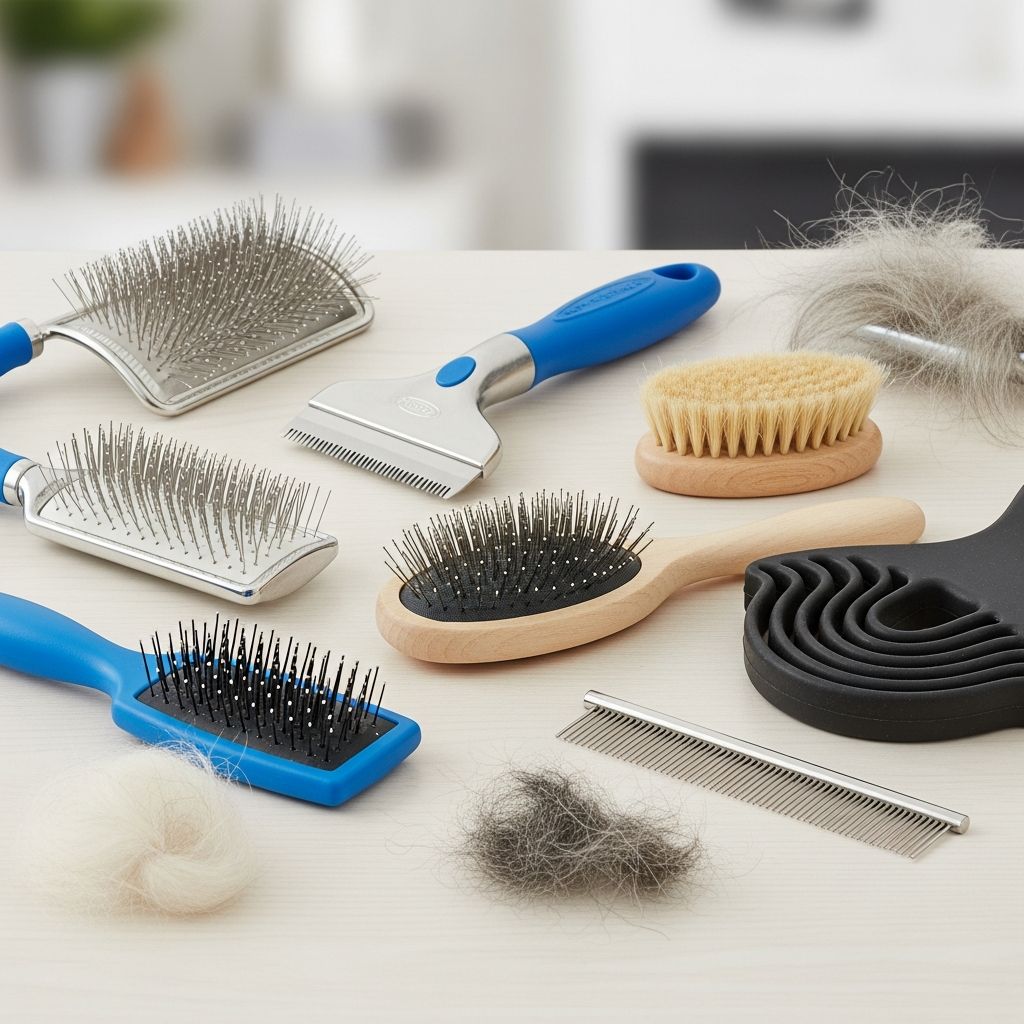
Best Dog Brushes by Coat Type
Selecting the right brush for your dog’s coat is essential for maintaining healthy skin, reducing shedding, and preventing painful mats. Different coat textures require specific tools to effectively remove loose fur, distribute natural oils, and stimulate circulation without causing irritation. This guide explores various dog coat categories, recommends tailored brushes, and provides practical grooming strategies to help your pet look and feel its best.
Why Regular Brushing Matters for Dogs
Brushing does more than just tidy up your dog’s appearance; it plays a critical role in overall health. It removes dead hair and debris, prevents tangles that can lead to skin infections, and promotes blood flow to hair follicles. According to grooming experts, consistent sessions—ideally several times a week—can cut down on loose hair around the house by up to 90% for heavy shedders. For dogs with dense undercoats, brushing helps release trapped insulation during seasonal changes, keeping them comfortable.
Always brush in the direction of hair growth with gentle pressure to avoid discomfort. Start with short sessions if your dog is new to grooming, using treats to build positive associations. Monitor for signs of skin issues like redness or excessive scratching, which may signal the need for a vet check.
Identifying Your Dog’s Coat Type
Dogs exhibit a wide range of coat varieties, each with unique grooming demands. Common types include short and smooth, medium-length, long and silky, curly or wavy, wiry or coarse, and double-coated. Short coats lie flat and close to the skin, while long ones flow freely and tangle easily. Curly coats form tight spirals that trap dirt, wiry ones have a rough texture needing hand-stripping, and double coats feature a soft underlayer beneath a coarser guard hair.
To pinpoint your dog’s type, observe length, texture, and shedding patterns. Breeds like Labrador Retrievers have short coats, Golden Retrievers sport medium to long fur, Poodles feature curls, and Terriers display wiry hair. Matching tools to these traits ensures efficient grooming without damage.
Brushes for Short, Smooth Coats
Short, smooth coats, found on breeds like Beagles, Boxers, and Dalmatians, appear low-maintenance but benefit from weekly brushing to polish the fur and massage the skin. These coats shed steadily, so tools that gather loose hairs without snagging are ideal.
- Soft Bristle Brushes: Featuring natural or synthetic bristles set closely together, these remove surface dirt and dander while spreading skin oils for a glossy finish. Opt for shorter, denser bristles on smoother coats.
- Rubber Curry Brushes or Gloves: Flexible nubs massage deeply, lifting debris and dead hair. They’re gentle, making them perfect for sensitive skin, and many dogs enjoy the sensation.
Use a bristle brush followed by a rubber glove for best results. Brush daily during shedding seasons to minimize fur tumbleweeds at home.
Tools for Medium-Length Coats
Medium coats on dogs like German Shepherds, Corgis, and Australian Shepherds strike a balance, requiring brushes that penetrate slightly deeper to handle moderate undercoats and prevent light matting around the ears and tail.
- Slicker Brushes: Fine, short wires bent at an angle glide through fur, capturing loose strands and minor tangles without irritating the skin.
- Pin Brushes: Longer pins with protective tips suit feathering on legs and tails, smoothing while detangling.
Combine with a wide-tooth comb for thorough checks. Brush 2-3 times weekly, focusing on high-friction areas.
Optimal Brushes for Long, Silky Coats
Long, silky coats on Afghan Hounds, Salukis, or Setters demand frequent attention to avoid knots that pull painfully. These flowing locks shine when brushed regularly with tools that separate strands gently.
- Pin Brushes: Spaced metal or nylon pins mimic human styling brushes, ideal for detangling from roots to tips.
- Soft Slickers: For finer silkier hair, choose models with gentler wires to remove undercoat without breakage.
Section the coat and mist with conditioner before brushing daily. This preserves length and luster.
Grooming Curly and Wavy Coats
Curly coats on Labradoodles, Portuguese Water Dogs, and Bichons trap moisture and debris in their spirals, leading to rapid matting if neglected. Wavy variants need similar care but slightly less intensity.
- Wide-Tooth Combs and Detangling Brushes: Long, spaced tines navigate curls, pulling out debris without snagging.
- Slicker Brushes with Rounded Tips: Short pins work through waves, best used after bathing when coats are damp.
Brush every other day, incorporating leave-in detanglers. Professional clips every 6-8 weeks maintain manageability.
Handling Wiry and Coarse Coats
Wiry coats on breeds like Airedale Terriers, Schnauzers, and Wire Fox Terriers have a harsh, dense texture that sheds minimally but requires stripping to promote new growth. Coarse fur resists matting but can harbor dirt.
- Stripping Knives or Tools: Blunt blades pull dead hair by hand, preserving texture—essential for show dogs.
- Firm Slickers and Boar Bristle Brushes: Remove loose topcoat and polish the underlayer.
Groom bi-weekly, learning hand-stripping techniques from pros to avoid clipper damage, which softens the wire.
Double-Coated Dogs: Specialized Undercoat Rakes
Double coats, seen in Huskies, Malamutes, and Pomeranians, consist of a fluffy undercoat and waterproof guard hairs. Heavy shedding “blowouts” twice yearly demand rakes that reach the base without cutting guard hairs.
- Undercoat Rakes: Wide-spaced, hooked teeth yank out dense underfur efficiently.
- Slickers for Finishing: Smooth the topcoat post-raking.
Rake gently 3-4 times weekly during sheds; never shave double coats, as regrowth impairs insulation.
Brushing Techniques and Frequency Guide
Tailor your routine to coat and lifestyle. Short coats need 1-2 sessions weekly; long or curly demand daily. Always use light strokes, rewarding calm behavior.
| Coat Type | Frequency | Technique |
|---|---|---|
| Short Smooth | Weekly | Circular motions with bristle |
| Medium | 2-3x/week | Line brushing sections |
| Long Silky | Daily | Root-to-tip pulls |
| Curly | Every other day | Damp brushing |
| Wiry | Bi-weekly | Stripping + polish |
| Double | 3-4x/week in shed | Rake then slicker |
Common Mistakes to Avoid
- Using slickers on short coats: Causes irritation.
- Over-brushing wiry coats: Leads to brush burn.
- Skipping conditioner on long fur: Increases breakage.
- Forcing mats: Cut them out carefully instead.
FAQs
How often should I brush my short-haired dog?
Once or twice a week suffices for short smooth coats to manage shedding and shine.
Can I use human brushes on dogs?
No, dog-specific designs prevent skin injury and suit fur textures better.
What if my dog hates brushing?
Start slow with high-value treats, use gloves for massage-like feel, and keep sessions positive.
Do deshedding tools hurt double-coated dogs?
Quality rakes with rounded teeth are safe when used gently, removing only loose fur.
Is brushing enough, or do I need baths too?
Brushing reduces bath needs; combine monthly with spot cleans for hygiene.
References
- How to Choose the Right Dog Brushes — American Kennel Club. 2023-05-15. https://www.akc.org/expert-advice/health/types-dog-brushes-shedding/
- Dog Grooming Brushes for Every Coat Type — Animal Behavior College. 2022-11-10. https://www.animalbehaviorcollege.com/blog/animal-career-advice/grooming/dog-grooming-brushes-for-every-coat-type/
- The Ultimate Guide to Choosing the Perfect Dog Brush — Pupwell. 2024-03-20. https://pupwell.com/blogs/home-blog/the-ultimate-guide-to-choosing-the-perfect-dog-brush
- Choosing the Best Brush for Your Pet: A Complete Guide — Earthbath. 2023-08-05. https://earthbath.com/blogs/earthbath-blog/choosing-a-brush-for-your-pet
- What is a Coat Type? The 7 Coat Categories — Chris Christensen. 2024-01-12. https://chrischristensen.com/blogs/news/the-7-coat-type-categories
Similar Articles







Read full bio of medha deb