

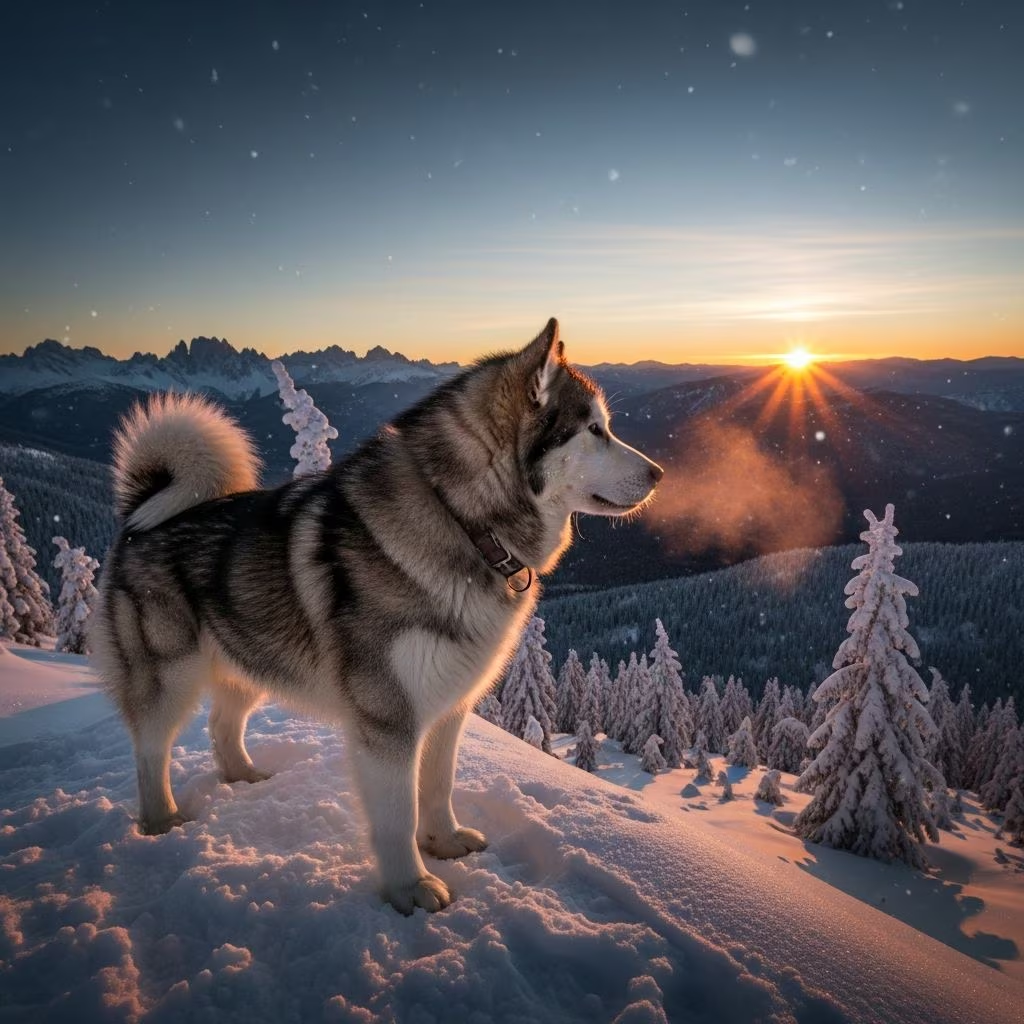
Winter brings blankets of snow and biting winds, but certain dog breeds welcome the chill with enthusiasm. These hardy companions, often originating from Arctic, Alpine, or high-altitude regions, possess physical adaptations like dense double coats, insulated paw pads, and powerful stamina that make them ideal for cold environments. Selecting a breed suited to low temperatures ensures your pet stays comfortable during outdoor play, hikes, or daily walks in freezing conditions.
Physical Traits That Define Cold-Hardy Dogs
Dogs built for winter share key features evolved over generations in harsh climates. A **double coat** is fundamental: a soft undercoat traps warm air close to the skin, while a coarse outer layer repels moisture from snow and ice. Many have furry paws and thick pads that prevent frostbite and provide traction on slippery surfaces. Bushy tails often curl over the nose during rest, offering extra protection against wind. Sturdy bone structure, muscular builds, and efficient energy use allow these breeds to endure long hours in sub-zero temperatures without fatigue.
- Double-layered fur: Insulation against extreme cold, as seen in sled dogs from Siberia.
- Snowshoe-like feet: Large, padded paws for better grip and warmth.
- Compact, powerful bodies: Balance heat retention with mobility.
Premier Picks: Breeds Excelling in Snowy Conditions
From sled-pulling powerhouses to vigilant guardians, here are standout breeds that flourish when temperatures drop. Each brings unique history, temperament, and care needs to match active lifestyles in wintry settings.
Siberian Husky: The Endurance Champion
Renowned for their piercing blue eyes and wolf-like agility, Siberian Huskies hail from northeastern Asia, where they hauled sleds across vast frozen tundras. Their medium double coat—dense woolly underfur topped by straight guard hairs—shields them from winds up to -60°F. These pack-oriented dogs thrive on teamwork, making them perfect for family hikes or skijoring. Playful and mischievous, they require 1-2 hours of vigorous daily exercise to channel their boundless energy.
| Trait | Details |
|---|---|
| Size | Medium; 35-60 lbs |
| Energy Level | High; loves running |
| Family Fit | Great with kids, needs space |
Samoyed: The Smiling Snow Guardian
With their fluffy white coats and perpetual “Sammy smile,” Samoyeds originated in Siberia as reindeer herders and sled dogs. The upturned mouth prevents icicle buildup, a clever adaptation for Arctic survival. Their plush double coat demands weekly brushing to manage shedding, but it keeps them cozy in blizzards. Affectionate and vocal, these velcro dogs bond deeply with owners, excelling in obedience sports or winter camping.
Alaskan Malamute: Heavy-Duty Hauler
Bred by Alaska’s Mahlemut people for freight transport and hunting, Malamutes boast the heaviest bone density among sled breeds. A wooly undercoat and oily topcoat resist water and cold, paired with massive paws for digging through deep snow. Independent yet loyal, they suit experienced owners who provide jobs like weight pulling or backpacking.
Bernese Mountain Dog: Alpine Workhorse
From Switzerland’s snowy farms, Berners pulled carts and drove cattle with their silky tricolor coats—black, white, and rust—that insulate against mountain chills. Calm and gentle giants, they adore children but need moderate exercise and regular grooming. Watch for breed-specific health checks due to their shorter lifespan.
Newfoundland: The Gentle Aquatic Rescuer
These massive water dogs from Canada’s cold coasts have webbed feet and water-repellent double coats for icy swims and snow romps. Historically lifesavers, Newfies now excel in draft work and therapy roles. Their sweet temperament shines in family homes, though their size requires ample space.
Norwegian Elkhound: Agile Hunter of the North
Scandinavia’s ancient moose trackers feature a weatherproof gray coat with woolly insulation. Compact and athletic, they navigate snowy forests with explosive speed and endurance. Protective yet friendly, Elkhounds make vigilant companions for trail runners or hunters.
Tibetan Terrier: Mountain Monastery Companion
Raised in Tibet’s monasteries, these square-built dogs sport square, snowshoe feet and double coats for high-altitude treks. Affectionate and intelligent, they adapt well to apartments if exercised daily, blending watchdog alertness with couch-potato charm.
Other Notable Cold Lovers
- Akita: Japanese guardians with thick fur and dignified poise.
- Great Pyrenees: Livestock protectors thriving in pastures.
- Keeshond: Dutch barge watchdogs with fluffy spectacles.
- Saint Bernard: Rescue legends with barrel-necked strength.
- Chow Chow: Lion-maned independents from chilly plateaus.
Preparing Your Cold-Weather Dog for Winter
Beyond breed selection, proactive care maximizes enjoyment in the cold. Monitor paw pads for ice balls—use booties or paw wax for protection. Provide high-calorie meals to fuel activity, as breeds like Huskies burn energy rapidly. Limit exposure for puppies, seniors, or brachycephalic mixes, and always check for hypothermia signs like shivering or lethargy.
Essential Gear and Routines
- Insulated coats for short-coated variants.
- Muscle-soothing massages post-snow play.
- Indoor drying stations to prevent chilling.
- Regular vet checks for joint health in large breeds.
Common Myths About Winter Dogs
Not all fluffy dogs handle cold equally—long-haired breeds like Afghan Hounds lack insulating undercoats. Huskies may overheat in mild winters without shade. Training and socialization remain crucial, as high energy can lead to mischief without outlets.
FAQs
Which dog breed tolerates the coldest temperatures?
Siberian Huskies and Alaskan Malamutes handle extremes down to -60°F thanks to their Arctic heritage.
Do cold-weather dogs shed a lot?
Yes, double coats “blow” seasonally; frequent brushing prevents mats.
Can these breeds live in warm climates?
They adapt but prefer cooler weather; provide AC and avoid midday heat.
Are they good for first-time owners?
Many like Samoyeds suit families, but high-drive breeds need experienced handlers.
How much exercise do they need?
1-2 hours daily of running, hiking, or play to match their stamina.
Choosing a cold-weather breed transforms winter into a season of shared adventures. Their resilience, paired with proper care, creates joyful bonds amid snowflakes. Research breeders or rescues emphasizing health testing to welcome a true winter warrior home.
References
- Cold weather breeds that are built for winter adventures — Wisdom Panel. 2023. https://www.wisdompanel.com/en-us/blog/cold-weather-breeds-that-are-built-for-winter-adventures
- 10 Dog Breeds That Actually Love Cold Weather — Figo Pet Insurance. 2023. https://figopetinsurance.com/blog/10-dog-breeds-actually-love-cold-weather-0
- 7 Hardy Dog Breeds Ready For Winter’s Embrace — World Animal Foundation. 2024. https://worldanimalfoundation.org/dogs/hardy-dog-breeds-ready-for-winters-embrace/
- 12 best cold weather dog breeds — ManyPets. 2024. https://manypets.com/us/blog/best-dog-breeds-for-cold-weather/
- Snow Dog Breeds: 20 Best Pups for Winter Adventures — Outside Online. 2023. https://www.outsideonline.com/outdoor-adventure/snow-sports/20-best-cold-weather-dog-breeds/
- 14 Cold-Weather Dogs That Love the Snow — PetMD. 2024. https://www.petmd.com/dog/general-health/cold-weather-dog-breeds



