

Your Guide to the Best Dog Bowls and Feeders for Every Pup
Choosing the right dog bowl or feeder might seem like a simple decision, but it can have a significant impact on your pet’s health, digestion, and eating habits. Different dogs have different needs, whether due to their size, age, eating speed, or specific health conditions. Understanding the various types of dog bowls and feeders available on the market will help you make an informed decision that benefits your furry friend. This comprehensive guide will walk you through all the different styles and help you select the perfect feeding solution for your dog.
Types of Dog Bowls and Feeders
The market offers numerous options when it comes to dog bowls and feeders, each designed with specific purposes in mind. Let’s explore the main categories to understand what each type offers and how they can benefit your dog.
Standard Dog Bowls
Standard dog bowls remain the most common and widely used feeding option for dogs. These bowls come in various sizes, shapes, colors, and materials, making them versatile for most dog owners. They are typically the fastest and easiest way to provide your dog with food and water when you’re at home. Standard bowls are made from materials like stainless steel, ceramic, plastic, and silicone, each offering different advantages. Stainless steel bowls are particularly recommended for their durability, ease of cleaning, and resistance to bacteria growth. Standard bowls work best for dogs without specific health concerns or eating issues and remain a reliable choice for daily feeding.
Elevated Dog Bowls
Perfect for: dogs who have megaesophagus, or neck or back problems.
Elevated dog bowls are designed to raise your dog’s food and water to a comfortable height, significantly reducing strain on their neck and joints during mealtime. These bowls are particularly beneficial for dogs with arthritis, joint issues, or structural problems that make bending down uncomfortable. They also serve taller dog breeds and dogs with long, floppy ears that might otherwise drag into their food and water. Elevated feeders promote better posture and can improve digestion by allowing food to travel more naturally down the esophagus.
However, it’s important to consult with your veterinarian before using elevated bowls, as they have been linked to bloat and gastric dilatation-volvulus (GDV) in some dogs. Your vet can help determine whether elevated bowls are appropriate for your specific dog’s health profile. When used correctly and under veterinary guidance, elevated bowls can enhance your dog’s comfort during mealtime.
Slow Feeder Dog Bowls
Perfect for: dogs who need to eat less or more slowly.
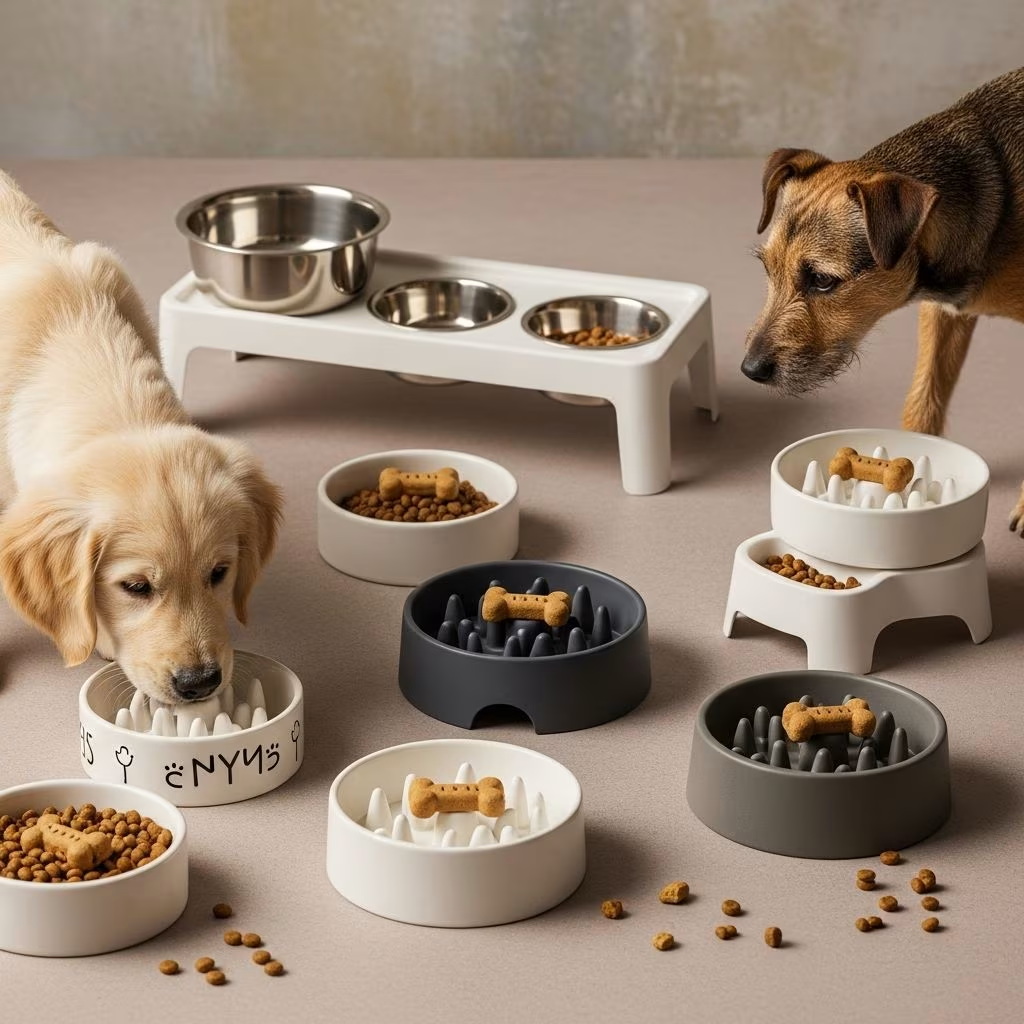
Slow feeder bowls have become increasingly popular among dog owners dealing with dogs that gulp their food too quickly. These specialized bowls are designed to slow down your pup’s mealtime by making the food less accessible than it would be in a regular bowl. If your dog has a habit of gorging themselves and vomiting right after mealtime, slow feeders may provide a practical solution to this problem.
Types of Slow Feeder Bowls
There are several types of slow feeder designs available, each with unique benefits:
Puzzle Feeders: Puzzle feeders are considered the most versatile and effective type of slow feeders, offering both mental stimulation and slower eating. Many come with customizable inserts, such as broken wave mats for kibble, licking mats for wet food, or snuffle mats to mimic foraging behavior. These feeders are often made from durable, eco-friendly materials and are dishwasher-friendly for easy cleaning. They work well with different food types, including dry kibble, wet food, or layered meals. Puzzle feeders can slow feeding by up to 15 times compared to traditional bowls.
Maze Bowls: Maze bowls feature intricate ridge patterns that create an obstacle course for your dog’s food, forcing them to navigate around the ridges to access their meal. These bowls are effective at slowing eating speed without being overly complicated.
Raised Center Bowls: These bowls have a raised dome or center piece that forces dogs to eat around the obstruction, naturally slowing their consumption rate while maintaining ease of access.
Spiral Bowls: Featuring spiral-shaped ridges, these bowls create a continuous pattern that requires dogs to eat more methodically as they work through the design.
Lick Mats: Specifically designed for wet food, lick mats have textured surfaces that encourage slower, more deliberate eating while providing additional mental stimulation.
Slow Feeder Bowl Options for Different Sizes
When choosing a slow feeder, it’s essential to consider your dog’s size and eating habits. Puzzle feeders are highly adaptable, making them suitable for all dog sizes.
Small and Medium Dogs: For small dogs, options like the Puzzle Feeder Junior, the KONG Wobbler, or Dog Puzzle Licker Junior provide compact, engaging feeding solutions. Medium-sized dogs benefit from feeders like the Trixie Activity Strategy Game, the PAW5 Wooly Snuffle Mat, or the PuzzleFeeder Junior.
Large Dogs: For large dogs, larger slow feed dog bowls such as the Buster ActivityMat, NEATER PET BRANDS Slow Feed Bowl, and Puzzle Feeder or Puzzle Licker are excellent choices. These feeders can accommodate various food types and ensure a slower, more enriching mealtime.
Specialized Feeders for Puppies and Flat-Faced Breeds
Different life stages and breed types require specialized feeding solutions to ensure optimal health and development.
Puppy Slow Feeders
Puzzle feeders are ideal for puppies as they encourage problem-solving skills and adapt as the puppy grows. Puppy slow feed dog bowls like the Nina Ottosson Puppy Smart and Dog Puzzle Licker Junior are safe and stimulating for young dogs. Gradually introducing these feeders helps puppies develop positive feeding habits and provides mental enrichment during their critical developmental stages.
Flat-Faced Breed Feeders
For flat-faced breeds such as Pugs, Bulldogs, and Shih Tzus, specialized feeders are recommended to accommodate their unique facial structure. Feeders like the LickiMat Buddy, Buster ActivityMat with Lick Mat insert, or PuzzleFeeder with shallow designs are ideal. These options allow easy access to food while slowing down eating, preventing respiratory strain during mealtime.
Spill-Resistant and Travel Bowls
Different situations call for different feeding solutions beyond standard home use.
Spill-Resistant Bowls
Spill-resistant bowls feature a non-slip base or unique designs to minimize spills and mess during feeding. This type is suitable for both messy eaters and dogs with a playful feeding style. They’re generally great for puppies or older dogs that enjoy playful eating and help keep your feeding area clean and tidy.
Travel and Portable Feeders
When you’re on the go with your dog, silicone bowls shine as an excellent choice for travel due to their lightweight, collapsible design. These portable feeders make it easy to feed your dog anywhere, whether you’re camping, hiking, or simply visiting a friend’s home. Travel feeders are designed with convenience and portability in mind, allowing you to maintain your dog’s regular feeding schedule regardless of location.
Bowl Materials and Their Benefits
The material of your dog’s bowl can impact durability, hygiene, and suitability for different situations.
Stainless Steel: Stainless steel bowls are highly recommended for general home use due to their durability, resistance to bacteria growth, and ease of cleaning. They are long-lasting and resist rust and corrosion.
Ceramic and Glass: Glass is an excellent choice for home use where weight is less of a concern and its non-reactive surface doesn’t affect food taste. Ceramic bowls offer aesthetic appeal and are easy to clean.
Silicone: Silicone bowls are lightweight, collapsible, and perfect for travel. They are flexible, durable, and easy to clean, making them ideal for on-the-go feeding.
Plastic: While plastic bowls are affordable and lightweight, they can harbor bacteria more easily than other materials and may not be as durable for heavy chewers.
Choosing the Right Bowl for Your Dog’s Needs
Selecting the perfect bowl involves considering multiple factors about your dog’s individual circumstances and lifestyle.
- Size and Breed: Ensure the bowl size matches your dog’s breed and eating capacity
- Age: Puppies may benefit from slow feeders, while seniors might need elevated options
- Health Conditions: Dogs with specific health issues may require specialized bowls
- Eating Habits: Fast eaters benefit from slow feeders; messy eaters need spill-resistant options
- Lifestyle: Active dogs requiring travel need portable, lightweight solutions
- Material Preference: Consider durability, cleaning ease, and health considerations
Frequently Asked Questions
Q: What is the difference between a puzzle feeder and a slow feeder bowl?
A: While all puzzle feeders are slow feeders, not all slow feeders are puzzle feeders. Puzzle feeders specifically provide mental stimulation through problem-solving elements, while slow feeder bowls simply have design features that slow eating speed. Puzzle feeders offer additional cognitive benefits and engagement.
Q: Are elevated bowls safe for all dogs?
A: Elevated bowls are beneficial for many dogs but have been linked to bloat and gastric dilatation-volvulus (GDV) in some dogs. Always consult your veterinarian before using elevated bowls to ensure they’re appropriate for your dog’s specific health profile.
Q: How do I know if my dog is eating too fast?
A: Signs that your dog eats too quickly include finishing meals in seconds, gulping without chewing, vomiting after eating, or digestive upset. If you notice these behaviors, a slow feeder bowl can help address the issue.
Q: Can I use slow feeders for both wet and dry food?
A: Many slow feeders, particularly puzzle feeders with customizable inserts, work well with both wet and dry food. Lick mats are specifically designed for wet food, while maze bowls work better with dry kibble. Check the product specifications to determine compatibility.
Q: How do I clean and maintain slow feeder bowls?
A: Most slow feeder bowls are dishwasher-safe, making cleaning convenient. Hand washing with warm soapy water also works well. Ensure all food residue is removed to prevent bacterial growth and maintain hygiene.
Q: Are travel bowls suitable for daily home use?
A: While travel bowls are designed for portability, they can be used at home. However, stainless steel or ceramic bowls are typically more durable for daily home use. Reserve travel bowls primarily for trips and outdoor activities.
Conclusion
Finding the best dog bowl or feeder for your pup involves understanding the various options available and matching them to your dog’s specific needs. Whether your dog requires a standard bowl, needs the benefits of an elevated feeder, benefits from slow eating with puzzle feeders, or requires specialized options for travel or specific health conditions, there’s a perfect solution available. Consider your dog’s size, age, health status, eating habits, and lifestyle when making your selection. Taking time to choose the right feeding vessel demonstrates your commitment to your dog’s health, comfort, and overall well-being. When in doubt, consult your veterinarian for personalized recommendations based on your dog’s individual requirements.
References
- Slow Feed Bowl Types – Best Options for Dogs of All Sizes — The Puzzle Feeder. 2025. https://thepuzzlefeeder.com/blogs/news/slow-feed-bowl-types-best-options-for-dogs-of-all-sizes
- Choosing the Right Dog Bowl for Your Dog — American Kennel Club. 2025. https://www.akc.org/expert-advice/nutrition/choosing-right-dog-bowl/
- 7 Different Types of Dog Bowls and What They Do for Your Dog’s Diet — Pride Bites. 2025. https://pridebites.com/blogs/barking-post-blog/7-different-types-of-dog-bowls-and-what-they-do-for-your-dog-s-diet
- Your Guide to the Best Dog Bowls and Feeders for Every Pup — Chewy. 2025. https://www.chewy.com/education/dog/food-and-nutrition/your-guide-to-the-best-dog-bowls-and-feeders-for-every-pup
- The Ultimate Guide to Choosing the Perfect Dog Food Bowl — Barney’s Ranch. 2025. https://www.barneysranch.com/the-perfect-dog-food-bowl/



