

Diarrhea in dogs is a frequent issue that can arise from various triggers, disrupting normal digestion and leading to loose or watery stools. While many cases resolve with simple dietary adjustments, understanding the underlying causes and appropriate feeding responses is crucial for your pet’s health. This guide explores effective nutritional strategies, home care options, and indicators for professional intervention to support your dog’s gastrointestinal recovery.
Understanding the Root Causes of Canine Diarrhea
Dogs experience diarrhea when their gastrointestinal tract processes food and water too rapidly, resulting in softer or liquid stools. Common culprits include dietary indiscretion, such as consuming garbage, spoiled items, or non-food objects like toys or fabric. Sudden food switches without gradual transition often provoke similar symptoms.
Parasitic infections from roundworms, hookworms, whipworms, Giardia, or Coccidia frequently cause persistent loose stools, particularly in puppies or dogs exposed to contaminated environments. Bacterial invaders like Salmonella or viral threats including parvovirus, distemper, and coronavirus can lead to acute episodes, sometimes with blood.
Other factors encompass stress from travel or changes, food allergies, pancreatitis, inflammatory bowel disease (IBD), colitis, organ issues in the liver or kidneys, medications like antibiotics, or even cancer. Identifying patterns—such as frequency, color, and accompanying symptoms—helps differentiate mild from severe cases.
Types of Diarrhea and What They Indicate
Diarrhea manifests in distinct forms, each signaling different mechanisms. Osmotic diarrhea stems from poor absorption of nutrients, often linked to sudden diet changes or maldigestion. Secretory types involve excess fluid secretion triggered by toxins or infections, producing large volumes of watery output unaffected by fasting.
Exudative diarrhea, marked by blood or mucus, points to GI lining damage from ulcers, IBD, or parasites. Inflammatory causes like gastroenteritis or pancreatitis add urgency, especially if bloody. Chronic cases lasting over two weeks may require deeper diagnostics for allergies, tumors, or endocrine disorders like Addison’s disease.
Home Management Strategies for Mild Cases
For isolated incidents of soft stools without lethargy or vomiting, initial steps focus on rest and rehydration. Withhold food for 12-24 hours while ensuring unlimited access to fresh water to prevent dehydration. Puppies and small breeds need shorter fasts—6-12 hours—to avoid low blood sugar.
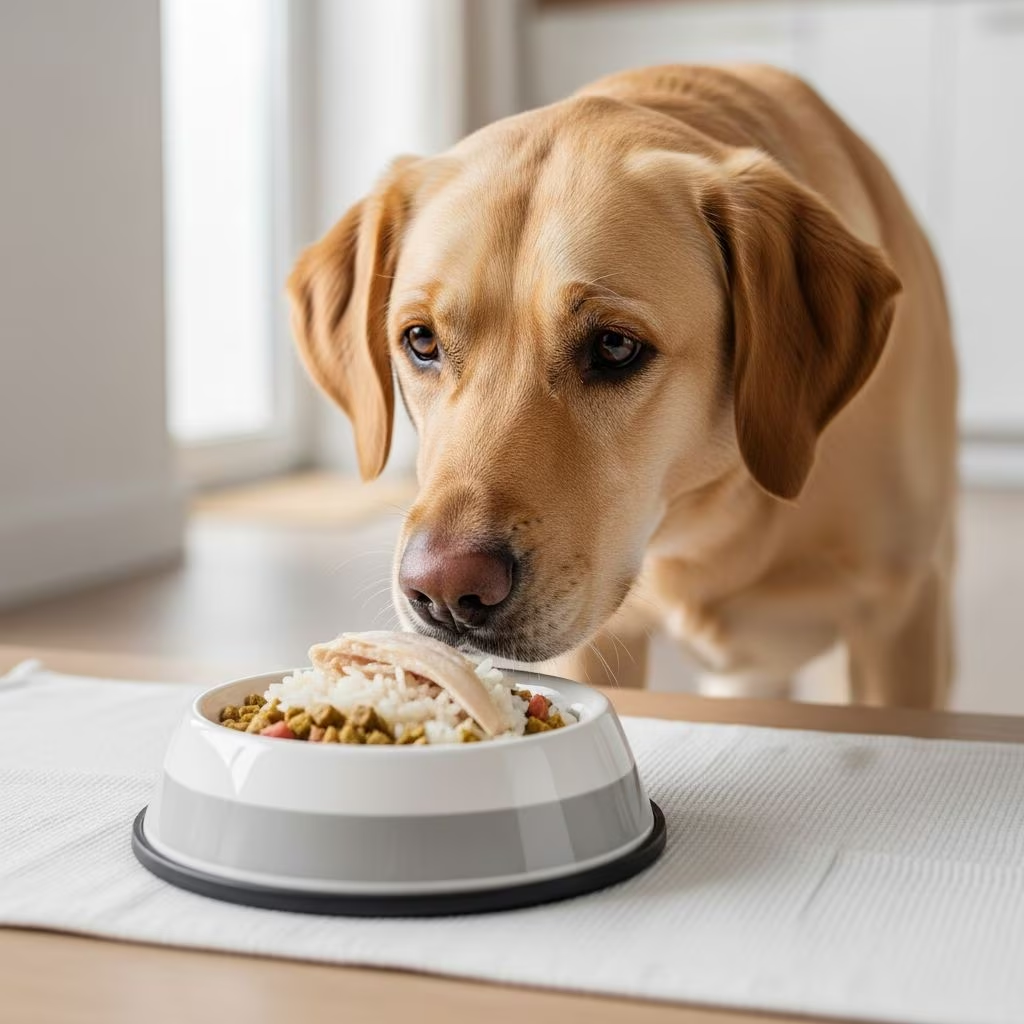
Reintroduce nutrition gradually with small, frequent meals of a bland diet. Boiled lean chicken (skinless, boneless) mixed with white rice in a 1:2 ratio provides digestible protein and binding carbs. Alternatives include boiled turkey, low-fat hamburger, or peeled potatoes. Plain canned pumpkin (not pie filling) adds soluble fiber to firm stools.
- Day 1 post-fast: 4-6 tiny meals of bland mix.
- Day 2-3: Increase portions if stools improve; mix 25% regular food.
- Day 4+: Full transition over 5-7 days to avoid relapse.
Monitor hydration by checking gum moisture and skin elasticity. Offer unflavored Pedialyte if needed, diluted 50/50 with water.
Role of Probiotics and Supplements
Probiotics restore gut microbiome balance disrupted by antibiotics or infections, with veterinary formulas containing Enterococcus faecium or Lactobacillus strains proving effective. Administer as directed, typically for 7-14 days alongside bland feeding.
High-fiber additions like psyllium (Metamucil, plain) bind excess water, but start low to prevent gas. Slippery elm bark or cottage cheese soothes irritation in some dogs. Avoid over-the-counter anti-diarrheals like Pepto-Bismol without vet approval due to aspirin risks.
Prescription and Specialized Diets
Veterinarians often recommend therapeutic GI diets from brands like Hill’s i/d or Royal Canin Gastrointestinal, formulated with hydrolyzed proteins, prebiotics, and moderate fat for sensitive stomachs. These support microbiome health and reduce inflammation without triggering allergies.
| Diet Type | Key Ingredients | Best For |
|---|---|---|
| Bland Home Diet | Boiled chicken, rice, pumpkin | Acute, mild cases |
| Hydrolyzed Protein | Pre-digested proteins, fibers | Allergies, IBD |
| High-Fiber | Beet pulp, psyllium | Large bowel diarrhea |
| Novel Protein | Duck, venison | Food sensitivities |
Transition slowly: 25% new food mixed daily, increasing over a week.
When to Contact a Veterinarian Immediately
Not all diarrhea self-resolves. Seek care if symptoms persist beyond 48 hours, or include black/tarry, bloody, or explosive stools. Additional red flags: vomiting, lethargy, fever, abdominal pain (hunching), pale gums, or dehydration signs like sunken eyes.
Puppies under 6 months, seniors, or those with pre-existing conditions warrant quicker evaluation. Bloody diarrhea may signal parvovirus, HGE, or foreign bodies requiring diagnostics like fecal tests, X-rays, or bloodwork.
Diagnostic Approaches and Professional Treatments
Vets start with history and physical exams, followed by fecal analysis for parasites/bacteria, blood panels for organ function, or imaging for obstructions. Treatments vary:
- Parasite dewormers like fenbendazole or metronidazole.
- Antibiotics sparingly for confirmed infections, avoiding microbiome disruption.
- Fluid therapy IV or subcutaneous for dehydration.
- Anti-nausea like Cerenia; steroids for IBD.
- Monoclonal antibodies for parvo in pups.
Chronic cases may need endoscopy or biopsies.
Preventing Recurrence Through Daily Habits
Minimize risks with consistent high-quality diets, gradual food changes, and parasite preventives year-round. Avoid table scraps, secure trash, and supervise play to prevent scavenging. Regular deworming, vaccinations, and stress reduction via routines aid prevention.
Annual wellness checks catch early issues. Probiotic maintenance supports resilient guts.
Frequently Asked Questions (FAQs)
Can I give my dog yogurt for diarrhea?
Plain, low-fat yogurt provides probiotics but use sparingly; opt for vet-specific products to avoid lactose issues in adult dogs.
Is rice good for dogs with diarrhea?
White rice in bland mixes absorbs water and eases digestion, but brown rice may worsen symptoms due to fiber.
How long does diarrhea last in dogs?
Mild cases resolve in 1-3 days with fasting and bland diet; persistent beyond 48 hours needs vet attention.
What if my dog’s diarrhea is bloody?
Blood indicates urgency—contact vet immediately for possible parvo, parasites, or ulcers.
Are eggs safe for diarrhea recovery?
Boiled eggs offer protein; mix small amounts into bland diets once stools firm.
Long-Term Gastrointestinal Health Tips
Beyond acute fixes, foster gut health with omega-3 supplements, antioxidants, and moisture-rich foods. Rotate proteins thoughtfully and track stool via apps for patterns. Hydration via fountains encourages intake.
References
- What causes diarrhea in dogs & how is it treated? — Germantown Animal Hospital. 2021-10-15. https://www.germantownah.com/site/blog-memphis-vet/2021/10/15/diarrhea-in-dogs
- Dog Diarrhea: Causes, Treatment & When to Call the Vet — Heritage Animal Hospital. 2025-10-06. https://www.heritageanimalhospital.com/blog/2025/10/06/dog-diarrhea-causes-treatment-and-when-to-call-the-vet/
- Dog Diarrhea: Causes, Treatment and When to Worry — GoodRx. N/A. https://www.goodrx.com/pet-health/dog/dog-diarrhea
- Dog Diarrhea: How To Identify, Diagnose, and Treat It — PetMD. N/A. https://www.petmd.com/dog/symptoms/dog-diarrhea
- Diarrhea | Cornell University College of Veterinary Medicine — Cornell University. N/A. https://www.vet.cornell.edu/departments-centers-and-institutes/riney-canine-health-center/canine-health-topics/diarrhea
- Eight home remedies for diarrhea and two that could be dangerous — VCA Animal Hospitals. N/A. https://vcahospitals.com/resources/conditions-dog/stomach-digestion/8-home-remedies-for-diarrhea-and-2-that-are-dangerous-for-your-pet



