
Best Diet for Sick Canary: Nutritional Guidelines
Comprehensive nutritional guidance for caring for sick canaries with specialized diet recommendations.
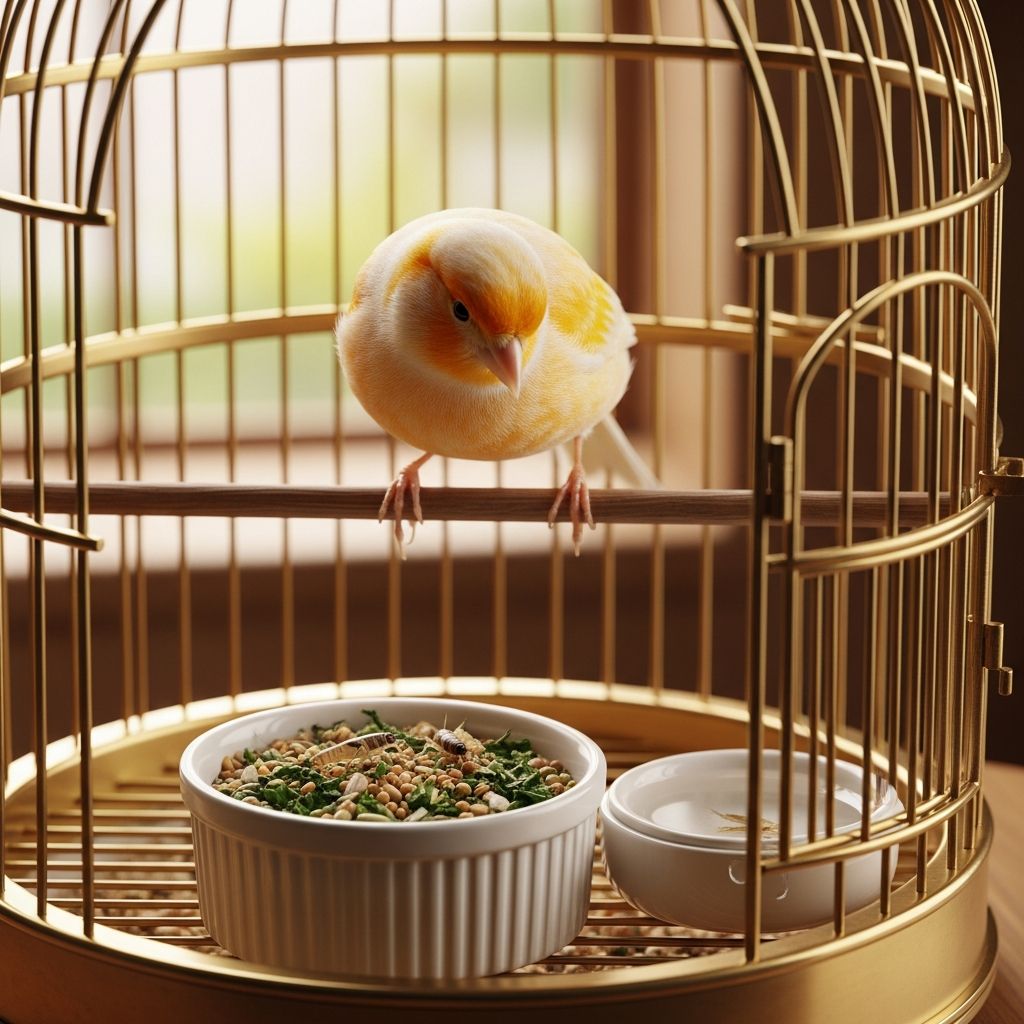
Best Diet for Sick Canary: Comprehensive Nutritional Guidance
When a canary becomes ill, providing the right nutrition becomes one of the most critical aspects of their recovery. Many canary owners struggle to understand what their sick bird should eat, especially when their avian veterinarian provides specific dietary recommendations. The difference between a recovery-focused diet and a standard maintenance diet can significantly impact your canary’s health outcomes, immune function, and overall survival rates.
Understanding Canary Nutritional Needs
Canaries are granivores by nature, meaning they naturally consume seeds as their primary food source in the wild. However, an all-seed diet is fundamentally deficient in critical vitamins, minerals, and proteins, including calcium and vitamin A—nutrients essential for maintaining optimal health. This dietary deficiency becomes even more problematic when a canary is sick and fighting illness or infection.
A healthy canary diet should be supplemented with fresh fruits, vegetables, and a protein source like egg food. However, when a canary is actively ill or recovering from serious conditions, the dietary approach requires modification and careful veterinary guidance. Understanding the baseline nutritional requirements helps inform decisions about specialized diets for sick birds.
The Role of Pelleted Diets in Sick Canary Care
A pelleted diet serves as the foundation for a nutritionally balanced eating plan for sick canaries. Unlike seed-only diets, quality pellets are specifically formulated to provide complete and balanced nutrition with every bite. The advantage of pelleted diets is that they eliminate nutritional gaps that commonly occur with seeds alone.
When selecting a pelleted diet for your sick canary, ensure it meets the following criteria:
– Nutritionally balanced formulation with no need for additional vitamin supplements- Contains essential chelated minerals for optimal absorption- Includes balanced omega-3 and omega-6 fatty acids for immune support- Made from natural, non-GMO ingredients- Specifically formulated for canaries
A quality pelleted diet provides the nutritional building blocks necessary for all body systems to function properly during recovery and healing. This comprehensive approach to nutrition helps support immune function and prevents secondary infections that often complicate primary illnesses.
Addressing Vitamin A Deficiency in Sick Canaries
Vitamin A deficiency represents one of the most common and serious nutritional problems in canaries, particularly those on seed-only diets. Severe vitamin A deficiency can lead to devastating health consequences, including bleeding ulcers in the pre-stomach and stomach, secondary infections, and ultimately death if not addressed.
White canaries have a particularly high dietary vitamin A requirement and require special attention to ensure adequate intake. Symptoms of vitamin A deficiency may include respiratory issues, eye problems, and gastrointestinal bleeding. If your canary has been diagnosed with vitamin A deficiency, work closely with your avian veterinarian to restore adequate levels through appropriate dietary modifications.
Foods naturally rich in vitamin A or beta-carotene include:
– Dark leafy greens (kale, spinach)- Orange and red vegetables (carrots, sweet potatoes, peppers)- Broccoli and other cruciferous vegetables- Pumpkin and squash
Dietary Modifications During Medication Periods
When a sick canary is receiving antibiotics or other medications, dietary adjustments become necessary to ensure medication effectiveness and support recovery. A senior avian veterinarian may recommend a temporary dietary protocol that differs significantly from the bird’s normal diet.
A typical recommendation for a sick canary on antibiotics might include:
– Two teaspoons of quality seeds daily- One teaspoon of Harrison mash or similar pellet-based food- No fresh fruits or vegetables while taking antibiotics- Continued access to clean, fresh water
The rationale behind eliminating fresh foods during antibiotic treatment is to prevent potential interactions between the medication and fresh food components, as well as to reduce the risk of bacterial contamination that could complicate recovery. While this diet may seem restrictive, it provides essential nutrition while maximizing medication effectiveness.
The Importance of Pellet-Based Recovery Diets
Harrison mash and similar pellet-based products have been specifically developed for bird health and nutrition. These products offer several advantages for sick canaries:
– Complete nutritional profiles without requiring additional supplementation- Easy digestibility for birds with compromised health- Consistent nutrient delivery with every serving- Reduced contamination risk compared to fresh foods- Formulated to support immune function and healing
The mash format of certain pellet products can be particularly beneficial for birds that are not eating well or have difficulty consuming whole pellets. The softened, easy-to-consume format ensures your bird receives adequate nutrition even when appetite is compromised by illness.
When to Reintroduce Fresh Foods
After your sick canary completes antibiotic therapy and receives clearance from your avian veterinarian, you can gradually reintroduce fresh fruits and vegetables. This transition should be gradual rather than abrupt to allow the digestive system to adjust properly.
Begin by offering small portions of fresh foods in moderation, monitoring your bird’s response carefully. Nutritious options include dark leafy greens, orange vegetables, and other produce rich in vitamins and minerals. Remember that fresh foods should comprise approximately 20% of your canary’s total diet, with pellets forming the nutritional foundation.
Fresh foods should only be left available for a few hours before removal, as they can quickly spoil and attract harmful bacteria or pests. Always rinse produce thoroughly before serving, and use organic options whenever possible to minimize pesticide exposure.
Supplementation Strategies for Sick Canaries
A properly formulated pelleted diet for canaries should provide all necessary vitamins and minerals without requiring additional supplementation. However, certain situations may warrant supplementation under veterinary guidance:
– Birds recovering from serious illness or infection- Canaries with diagnosed nutritional deficiencies- Birds experiencing stress from recent changes or loss- Animals in intensive care situations
If your veterinarian recommends supplementation, follow these guidelines:
– Never over-supplement, as excess vitamins can cause harm- Limit supplementation to a few days per week unless otherwise directed- Always consult with your avian veterinarian before starting any supplement- If adding powdered supplements to water, change water at least twice daily- Provide fresh, unsupplemented water at night to prevent bacterial growth
Disease Prevention Through Proper Nutrition
A bird on a poor diet will not live out its full life span and will most likely succumb to viral, bacterial, and fungal infections. Conversely, a good diet boosts the immune system and helps birds ward off illness. This fundamental principle underscores why dietary management is so important for both healthy and sick canaries.
Preventive nutrition includes:
– Providing a varied diet with nutritionally balanced pellets as the base- Offering appropriate fresh fruits and vegetables regularly- Ensuring access to clean, fresh water at all times- Avoiding nutritionally deficient foods like iceberg lettuce and celery- Consulting with an avian veterinarian about breed-specific nutritional needs
Special Considerations for Specific Health Conditions
Different health conditions may require modified dietary approaches. For canaries experiencing kidney problems, specific dietary restrictions and modifications may be necessary as determined by your veterinarian. Medications that address symptoms may require nutritional support from specific food types to enhance effectiveness.
A canary presenting with blood in feces and kidney problems requires particularly careful dietary management. Your avian veterinarian will likely recommend a diet that minimizes stress on the kidneys while providing comprehensive nutrition to support overall health and medication effectiveness.
Practical Feeding Guidelines for Sick Canaries
Implementing a dietary plan for your sick canary requires attention to portion control and feeding schedules. Canaries have very high metabolic rates and consume up to 30% of their body weight daily. Small birds like canaries should have access to food throughout the day, though specific veterinary recommendations may modify this during treatment periods.
Typical serving portions include:
– One teaspoon of quality pellets as a base diet serving- Two teaspoons of quality seeds as supplementary portions- Small amounts of fresh foods (when appropriate) for enrichment and nutrition- Continuous access to fresh, clean water
Monitor your bird’s food consumption carefully. If the bowl appears empty later in the evening, add more to ensure your canary has access to nutrition throughout active hours. Don’t allow the bowl to remain empty for extended periods, as small birds with rapid metabolisms can experience nutritional stress.
Recovery and Long-Term Dietary Management
As your sick canary recovers and receives veterinary clearance, gradually transition to a long-term maintenance diet that supports continued health. This diet should include:
– Quality pellets as the nutritional foundation (approximately 60-80% of diet)- Fresh fruits and vegetables (approximately 20% of diet)- Occasional egg food as a protein source- Continuous access to clean water
A well-nourished canary will maintain vibrant feathers, a healthy attitude, and maximum lifespan potential. Long-term dietary consistency supports the immune system, maintains good spirits, and helps prevent future health complications.
Frequently Asked Questions
Q: Can I continue feeding seeds to my sick canary?
A: Seeds can be included in moderation (approximately two teaspoons daily) as part of a sick canary’s diet, but should not constitute the primary nutrition. Quality pellets should form the foundation of the diet, especially during illness and recovery.
Q: Should I supplement my canary’s diet with vitamins if they’re eating quality pellets?
A: Nutritionally balanced pellets contain all necessary vitamins and minerals, eliminating the need for additional supplements. However, consult your avian veterinarian about supplementation if your canary has diagnosed deficiencies or specific health conditions requiring nutritional support.
Q: How long should my canary avoid fresh foods while taking antibiotics?
A: Follow your veterinarian’s specific recommendations, which typically span the duration of antibiotic therapy (often 21 days). After completing medication, you can gradually reintroduce fresh foods with veterinary approval.
Q: What fresh foods are best for a recovering canary?
A: Dark leafy greens (kale, spinach), orange vegetables (carrots, sweet potatoes), peppers, broccoli, and other nutrient-dense produce are excellent choices once fresh foods are reintroduced after recovery.
Q: How much water does a sick canary need?
A: Canaries require 250-300 ml of water per kilogram of body weight daily. Ensure continuous access to fresh, clean water, and change water frequently to prevent bacterial growth and contamination.
Q: Is there a difference between canary-specific pellets and general bird pellets?
A: Yes, canary-specific pellets are formulated with the nutritional needs of canaries in mind, accounting for their unique metabolic requirements and dietary preferences. Always choose pellets specifically formulated for canaries.
References
- Best diet for sick canary — Lafeber Company. https://lafeber.com/pet-birds/questions/best-diet-for-sick-canary/
- Basic Information Sheet: Canary — Lafeber Company. https://lafeber.com/vet/basic-information-sheet-for-the-canary/
- Bird Food Guide: An Insider’s Guide to The Ideal Avian Diet — Lafeber Company. https://lafeber.com/pet-birds/bird-food-guide/
- Lafeber Tropical Fruit Canary Gourmet Pellets — Lafeber Company. https://www.ladygouldianfinch.com/canary-tropical-fruit-gourmet-pellets.aspx
Similar Articles








Read full bio of Sneha Tete


