

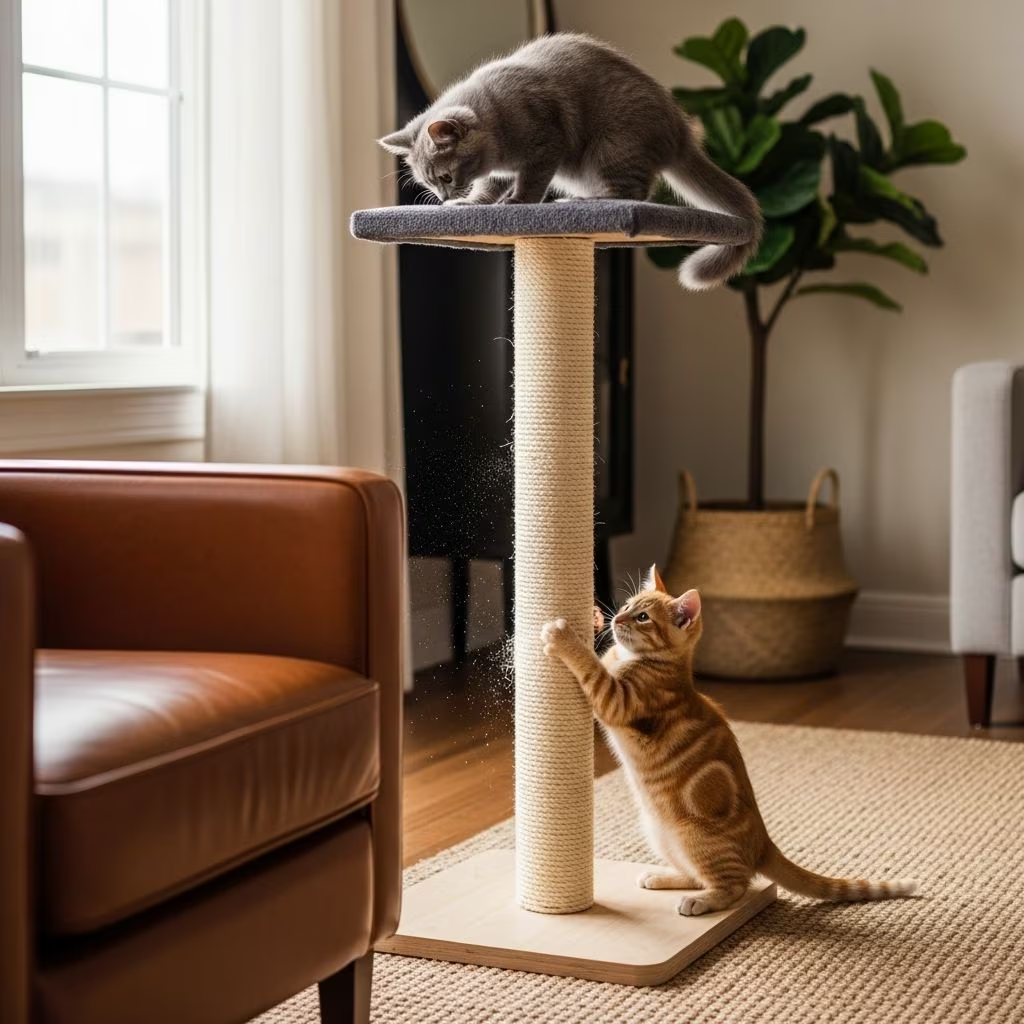
Why Cats Need to Scratch: Understanding Your Feline’s Natural Behavior
Scratching is more than just a frustrating habit that damages your furniture—it’s an essential part of your cat’s natural behavior and overall well-being. All cats need to scratch something; it’s hardwired into their DNA. According to feline behavior experts, scratching is a critical part of how cats interact with their environment and even how they communicate with other cats.
When your cat scratches, they’re doing much more than just sharpening their claws. Scratching keeps cats’ claws healthy and conditioned, enabling them to catch prey (or toys) and protect themselves when needed. Beyond claw maintenance, scratching serves multiple purposes in your cat’s daily routine. It’s used for stretching, scent marking, visual marking, and even as a displacement behavior when cats are stressed or anxious. Scratching also stretches their back muscles, which feels especially good to your fur-friend after a nap or long rest.
The bottom line is simple: your pet has to scratch something. By providing appropriate scratching posts and pads, you’re not only satisfying their natural instincts but also protecting your furniture from becoming their primary scratching target.
Understanding Your Cat’s Scratching Preferences
One of the biggest mistakes cat owners make is assuming all cats prefer the same type of scratcher. The truth is, felines are finicky, and not all cat scratching posts are created equal. Your cat is already telling you what they prefer—you just need to pay attention.
Reading Your Cat’s Scratching Behavior
Observing where and how your cat scratches is the key to finding the perfect scratcher for them. A lot of people don’t realize that your cat is already communicating their preferences through their scratching behavior. If your cat is scratching the arm of your couch from the floor, she’ll probably prefer a vertical scratcher. If she is scratching your carpet horizontally, she may prefer a horizontal scratcher. Pay attention to these clues before investing in a scratching post.
Strategic Placement of Scratchers
It’s not just about the type of scratcher—location matters tremendously. Experts recommend getting a few scratchers and placing them around your home strategically. Place one where your cat likes to sleep, since one of the first things cats do when they wake up is stretch and scratch. Additionally, place scratchers next to things your cat already likes to scratch. If you notice that your chair is getting hit hard, put a scratching post right next to your chair and encourage your cat to use the scratcher with treats or a sprinkle of catnip. This redirects their natural behavior toward appropriate objects.
Types of Cat Scratching Posts and Pads
Vertical Cat Scratching Posts
Vertical cat scratching posts are ideal if your cat digs reaching up and clawing the chair or sofa arm. They’re also perfect if you’ve got younger, more agile kitties who love to climb and reach. When selecting a vertical post, go for something tall with a wide base to ensure stability. Many vertical posts are wrapped in sisal, which many cats love for its rough, satisfying texture.
A quality vertical post should be tall enough to allow your cat to stretch out completely while scratching. Most cats prefer tall scratching posts that enable them to fully extend their bodies. The height is crucial because cats naturally want to stretch their entire length while scratching, making a tall, stable post an excellent choice. Make sure the base is heavy and wide enough to prevent wobbling or tipping, which can discourage your cat from using it.
Horizontal Cat Scratchers
Horizontal scratch boards and pads serve a different purpose than vertical posts. When cats use a horizontal scratcher, they stand on the pad, anchor their claws, and pull back. They’re not going to stretch out their entire length the way they would with a vertical scratching post. Sometimes cats even nap on these scratchers, making them multifunctional pieces of cat furniture.
Horizontal scratchers are particularly perfect for older cats, especially those with joint pain or arthritis who find it hard to stand for a long time while reaching up. For cats who like to be closer to the ground or hide away, horizontal scratchers are an excellent alternative. If you notice your cat scratching on welcome mats, rugs, and the tops of sofas, they’re likely a horizontal scratcher enthusiast.
Incline Cat Scratchers
Some cats enjoy incline cat scratchers, which serve as a compromise between vertical and horizontal scratchers. These angled scratchers provide a middle ground for cats who can’t decide between their preferences. Incline scratchers often come with catnip to further entice cats and encourage use.
Choosing the Right Materials for Your Cat Scratcher
Sisal Rope and Wrapping
When it comes to scratching post materials, sisal rope is one of the most popular choices, and for good reason. Recent data gathered via owner survey and published in the Journal of Feline Medicine and Surgery found that cats used rope (sisal) substrate scratching posts most frequently. This rough, fibrous material mimics the texture of tree bark, making it naturally appealing to cats. Many cats love the satisfying feel of sisal as they dig their claws in.
Sisal-wrapped posts are durable and designed to withstand extensive use from multiple cats. The texture provides the perfect resistance for cats to exercise their claws and mark their territory effectively.
Sea Grass
Sea grass is another material used on cat scratchers that deserves consideration. Like sisal, sea grass is known for its durability and resistance to stains. It provides a slightly different texture than sisal, which some cats may prefer. Sea grass scratchers offer an excellent alternative if your cat seems uninterested in sisal options.
Carpet and Other Textures
While sisal rope scratchers are most frequently used by cats, research has shown that carpet types were more likely to be offered by cat owners. This indicates there may be a disconnect between what we traditionally think cats want and what they actually prefer and will use. Some cats prefer the softer texture of carpet, so having options available is important.
Height and Stability: Critical Features for Cat Scratchers
When choosing cat scratching posts, height is another critical feature that shouldn’t be overlooked. Most cats like to stretch out or up while scratching. Therefore, tall or long stable scratching posts are strongly recommended.
According to behavior experts, would you want to try and scratch something that wobbles or, even worse, tips over while you are in the process? Of course not—and neither does your cat. Tall posts should have heavy, wide bases for stability. A wobbly or unstable scratcher will discourage your cat from using it, defeating the purpose of providing it in the first place.
Pay attention to whether your cat is a cave dweller, a floor dweller, or an up-high dweller. Cats who like to be up high will probably prefer a tall scratching post. Cats who like to be down low or hide away will prefer smaller scratching posts or horizontal cardboard scratchers closer to the ground. Understanding your cat’s vertical preferences helps you make a more informed purchase decision.
How Many Scratchers Does Your Cat Need?
One scratching post might not be enough. Indoor-only cats need at least five or more scratchers spread through different areas of the home. This variety helps satisfy their natural scratching urges throughout the day and provides options in various locations.
A well-rounded scratching post collection should include at least one horizontal cardboard cat scratcher, one incline cardboard scratcher, one sisal scratching post, and one carpeted post (tall or short, depending on the personality of your cat). If your cat has access to outdoors, where they can mark away on trees and the ground, they don’t need as many indoor scratching spots.
Offer your cat a variety of scratchers as soon as you bring your new cat home. If you wait until your cat has already started scratching the couch, it will be harder to get her to stop because she’s already started scent marking the couch and sees this piece of furniture as her personal marking spot.
Encouraging Your Cat to Use Their New Scratcher
If you find your picky kitty isn’t using the scratcher at first, don’t give up. There are several strategies you can use to encourage your cat to embrace their new scratching post.
Try holding something over the scratcher—a cat toy or a cat treat—that your cat has to reach for. This creates a positive association with the scratcher. Alternatively, try sprinkling a little catnip on the scratcher to pique your cat’s interest. You can also position yourself using the scratcher in front of your cat to demonstrate its purpose, which may spark their curiosity.
When you catch your cat scratching furniture, gently redirect them to the appropriate scratcher. Use positive reinforcement through treats and praise when they use it correctly. Consistency and patience are key to establishing good scratching habits.
Making the Couch Undesirable
While providing excellent scratching posts is important, you also need to make your furniture less appealing. Give your cats a lot of options right away, and make the couch and carpet undesirable by covering them with protective materials or using deterrent sprays. By combining appropriate scratchers with furniture protection, you’ll successfully redirect your cat’s natural behavior.
Understanding Cat Scratching Behavior
Scratching is far more complex than simply maintaining claws. Your cat uses scratching to communicate, relieve stress, and mark territory. When cats scratch, they leave both visual marks and scent markings from glands in their paws. This scent marking is a form of communication with other cats and a way for them to claim their territory.
Scratching also provides an excellent physical workout for your cat. It stretches their muscles, keeps them flexible, and helps them maintain their physical health and agility. For indoor cats especially, providing appropriate scratching outlets is essential for their mental and physical well-being.
Frequently Asked Questions About Cat Scratching Posts
Q: What is the best material for a cat scratching post?
A: Sisal rope is the most popular and frequently used material by cats according to research. However, sea grass and carpet are also good options. The best material depends on your individual cat’s preferences, so observe where they naturally scratch to determine their preference.
Q: How tall should a cat scratching post be?
A: Most cats prefer tall scratching posts that allow them to stretch out completely while scratching. A 21 to 23-inch height is generally ideal, but the post should be tall enough for your cat to extend their full body length while standing on their hind legs.
Q: Why won’t my cat use the scratching post I bought?
A: Your cat may not be using the post because of its location, material, or height. Try moving it to where your cat naturally scratches, experiment with different materials, or use catnip and treats to encourage use. You may also need to try a different style of scratcher that better matches your cat’s preferences.
Q: How many scratching posts should I have?
A: Indoor-only cats should have at least five or more scratchers spread throughout different areas of the home. This includes a mix of horizontal and vertical scratchers in various materials to cater to different scratching preferences.
Q: Is sisal rope or carpet better for cat scratchers?
A: While sisal rope is used most frequently by cats, research shows that carpet types were more commonly offered by owners. The best choice depends on your individual cat’s preferences. Consider offering both options to see which your cat prefers.
Q: Where should I place my cat’s scratching post?
A: Place scratching posts where your cat likes to sleep, next to furniture they already scratch, and in multiple locations throughout your home. Strategic placement encourages your cat to use the post instead of your furniture.
Q: How do I train my cat to use a scratching post?
A: Use positive reinforcement with treats and catnip, place the post near where they naturally scratch, and gently redirect them to the post when you catch them scratching furniture. Be consistent and patient with the training process.
Conclusion: Creating a Scratch-Friendly Home
Finding the best cat scratching post for your feline friend requires understanding their natural behavior, preferences, and needs. By observing where and how your cat scratches, choosing the right type and material of scratcher, and strategically placing multiple scratchers throughout your home, you can satisfy their natural instincts while protecting your furniture.
Remember that every cat is unique. What works for one cat may not work for another. Don’t be discouraged if your first scratching post isn’t an immediate hit. With patience, experimentation, and the strategies outlined above, you’ll find the perfect scratching solution that keeps your cat happy and your furniture intact. Your cat’s well-being and your home’s preservation don’t have to be mutually exclusive—the right scratching post makes all the difference.
References
- How to Choose the Best Cat Scratching Post for Your Favorite Feline — Chewy. 2025. https://www.chewy.com/education/cat/general/scratch-this-not-that-your-guide-to-the-best-cat-scratching-posts-and-scratchers
- Cat Scratching Posts to Match Your Kitty’s Scratching Style — Chewy Editors. 2025. https://www.chewy.com/education/cat/training-and-behavior/cat-scratching-posts-to-match-your-kittys-scratching-style
- Journal of Feline Medicine and Surgery — Research on cat scratching preferences. 2024. https://journals.sagepub.com/home/jfms
- American Association of Feline Practitioners — Professional feline veterinary organization. 2025. https://www.aafponline.org/
- Feline Behavior Solutions — Certified feline behavior and training consultation. 2025. https://www.felinebehaviorsolutions.com/
- Cat Behavior Associates — Professional cat behavior consulting services. 2025. https://www.catbehaviorassociates.com/



