

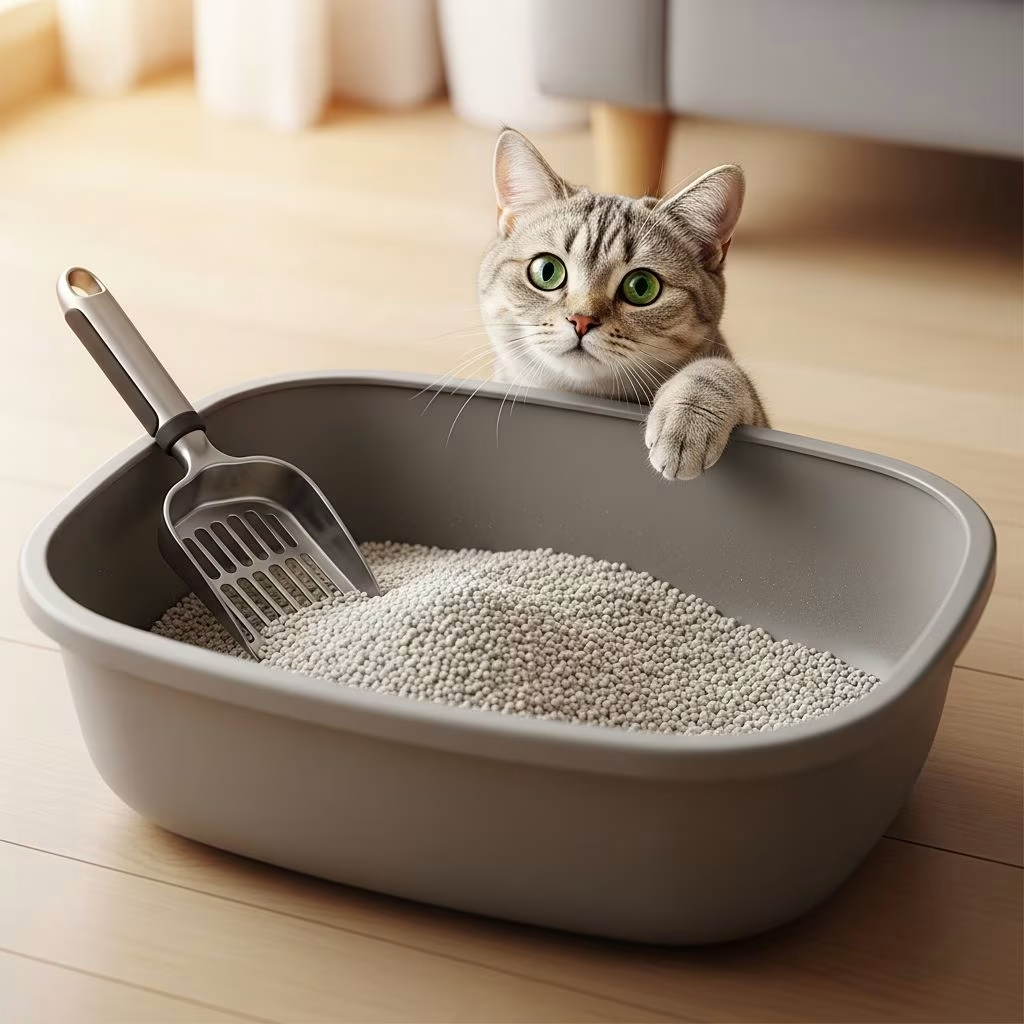
Finding the Perfect Cat Litter for Your Feline Friend
Choosing the right cat litter is one of the most important decisions cat parents make. A quality litter not only keeps your home fresh and clean but also ensures your cat has a comfortable and hygienic bathroom experience. With countless options available on the market today, from traditional clay to innovative natural alternatives, understanding the different types and their benefits can help you make an informed decision. Whether you’re looking for superior odor control, dust-free formulas, or eco-friendly options, this comprehensive guide will help you navigate the world of cat litter and find the perfect match for your feline companion.
Understanding Different Types of Cat Litter
Cat litter comes in various formulations, each with unique characteristics and benefits. Understanding these different types will help you determine which option works best for your household and your cat’s preferences.
Clumping Clay Litter
Clumping clay litter, also known as scoopable litter, is one of the most popular choices among cat parents. This type of litter uses natural clay minerals that absorb moisture and form tight clumps when wet, making it easy to scoop and dispose of waste. Clumping litters typically provide excellent odor control and are relatively affordable, making them a practical choice for most households.
Non-Clumping Clay Litter
Traditional non-clumping clay litter has been a staple in cat care for decades. While it doesn’t form clumps, it effectively absorbs liquid and neutralizes odors. This type requires more frequent complete box changes but may be preferred by some cats and owners.
Natural and Eco-Friendly Litters
Natural cat litters are made from sustainable, biodegradable materials including paper, corn, tofu, cedar, walnuts, and grass. These litters rely on their fiber-heavy compositions to absorb urine effectively. Because natural cat litter is made with renewable materials, it represents one of the most eco-friendly options available. Natural litters such as grass litter have qualities that are similar to typical clay litter but with less dust production.
Silica Crystal Litter
Crystal cat litter is made from highly absorbent silica gel crystals. These pellets can absorb moisture multiple times before requiring replacement, making them long-lasting and potentially cost-effective over time.
Paper-Based Litter
Paper litters come in the form of small, firm pellets and are an excellent choice for cats with respiratory issues. They absorb liquid quickly without falling apart immediately, providing a safe alternative for sensitive cats.
10 Best Cat Litters According to Cat Parents
Best Cat Litter Overall: World’s Best Multi-Cat Unscented Clumping Corn Cat Litter
Made from whole-kernel corn, World’s Best Multi-Cat Unscented Clumping Corn Cat Litter is an all-natural lightweight option that delivers exceptional performance. This litter clumps quickly, flushes safely through most septic systems, traps odors effectively, and is virtually dust-free. Happy pet parents consistently report that their boxes smell fresh, and many are impressed by how easy it is to scoop. The natural composition makes it safe for both pets and the environment while providing the functionality of traditional clay litters.
Best Clumping Cat Litter: Dr. Elsey’s Ultra Unscented Clumping Clay Cat Litter
This fan-favorite litter controls odors without artificial fragrances and creates extra-strong clumps that don’t break apart when scooping. The quick-clumping granules keep boxes exceptionally clean, and customers love how swiftly it traps and eliminates odors. Available in a 40-lb bag, this litter offers excellent value and performance for multi-cat households.
Best Dust-Free Cat Litter: Arm & Hammer Litter Slide Multi-Cat Scented Clumping Clay Cat Litter
This highly rated litter from the cleaning professionals at Arm & Hammer contains odor-absorbing baking soda and moisture-activated microgranules that clump quickly and tightly. It eliminates dust almost completely—99.9% dust-free—and prevents tracking. Reviewers repeatedly claim this is the best litter they’ve ever tried and are particularly impressed by its dust and odor control capabilities.
Best Flushable Cat Litter: sWheat Scoop Multi-Cat Natural Clumping Wheat Cat Litter
Ideal for those who prefer the convenience of flushing, this natural litter is made with wheat sourced from USA farms and contains no dyes, perfumes, or chemicals. Reviewers appreciate being able to immediately flush the mess away and report that it’s quick-clumping and virtually dust-free, making it an excellent choice for convenience-focused cat parents.
Best Budget Option: Dr. Elsey’s Ultra Multi-Cat Strength Litter
For budget-conscious cat parents, Dr. Elsey’s Ultra Multi-Cat Strength Litter offers exceptional value. This quick-clumping fragrance-free clay litter has good odor control and very little dust and tracking. While more affordable than premium options, it still delivers reliable performance with tight-clumping medium-grain clay that satisfies cats’ natural instincts to scratch, dig, and bury their waste.
Best Natural Option: Sustainably Yours Small Grains Cat Litter
Made from a blend of corn and cassava—a starchy plant—this litter outperformed other natural brands in clumping, becoming scoopable in about 8 seconds for urine. The fine texture appeals to cats, and many seem to enjoy using it, especially when fresh. The litter is sustainably sourced, biodegradable, free of dyes and synthetic chemicals, and virtually dust-free.
Best Paper Litter: Ökocat Non-Clumping Paper Pellet Litter
Of the five paper options tested, Ökocat’s Paper Pellet Litter performed exceptionally well in initial testing, quickly absorbing liquid without falling apart immediately. The pellets are soft and less than an inch long, making them gentle on sensitive paws. This litter is sustainably sourced, biodegradable, and produces very little dust, making it ideal for cats with respiratory sensitivities.
Best Overall Clay Option: Tidy Cats Naturally Strong Unscented Litter
This clay-based clumping litter is highly absorbent, controls odors well, and is relatively dust-free. Featuring activated charcoal for odor control and forming tight, easy-to-clean clumps, this lightweight litter produces minimal dust. The grainy, sandy texture that most cats prefer makes it an excellent all-around choice for households seeking reliable performance.
Best Walnut Shell Litter: Blue Buffalo Naturally Fresh Pellets
For an eco-conscious choice, Blue Buffalo Naturally Fresh Pellets offer walnut shell litter that is renewable and biodegradable. This formula provides easy pickup and contributes to an environmentally responsible approach to cat care.
Best Complete System: Tidy Cats Breeze Litter System
For those seeking a comprehensive solution, the Tidy Cats Breeze Litter System combines specialized litter pads with a unique system designed to minimize odor and tracking while making cleanup easier than ever.
Key Factors to Consider When Choosing Cat Litter
Your Litter Box Setup
If you have an automatic litter box, it’s crucial to use the type of litter suggested by the manufacturer. Many automatic litter boxes can use standard clumping litters, while others require specific litters designed to work with their mechanisms. Always check your litter box’s manual before making a selection.
Number of Pets
If multiple cats will be using the litter, consider a multi-cat formula, which has additional odor neutralizers designed to handle increased waste volume. These formulas are specifically engineered to maintain freshness in multi-cat households.
Cat’s Preferences
Cats have individual preferences regarding texture and composition. Some prefer fine-grain textures, while others favor coarser materials. Observing your cat’s behavior in the litter box can help guide your selection. If your cat avoids the box or shows reluctance, it might be time to try a different formula.
Respiratory Sensitivity
If your cat has respiratory issues or sensitivities, choosing a dust-free or low-dust litter is essential. Paper-based litters and certain natural options produce significantly less dust than traditional clay litters.
Environmental Impact
For environmentally conscious cat parents, natural and biodegradable litters offer sustainable alternatives. Look for options made from renewable materials that can be composted or safely disposed of.
Odor Control Performance
Different litters offer varying levels of odor control. Some use activated charcoal, others rely on baking soda, and natural litters depend on their fiber composition. Consider your household’s specific odor control needs when making your selection.
Comparing Cat Litter Types
| Litter Type | Clumping | Dust Level | Odor Control | Cost | Eco-Friendly |
|---|---|---|---|---|---|
| Clumping Clay | Yes | Moderate | Good | Low-Moderate | No |
| Natural Corn/Cassava | Yes | Very Low | Excellent | Moderate-High | Yes |
| Paper Pellets | No | Very Low | Good | Moderate | Yes |
| Silica Crystal | No | Low | Excellent | High | No |
| Walnut Shell | Yes | Low | Good | Moderate | Yes |
Natural Cat Litter: An Eco-Conscious Choice
Natural cat litters represent a growing trend among environmentally conscious pet parents. These products use renewable materials and provide excellent performance without the environmental impact of traditional clay mining. Natural litters absorb liquid effectively through their fiber-rich composition while offering biodegradability options like composting or safe flushing. Grass litter, in particular, has qualities similar to traditional clay litter but with significantly less dust production, making it an excellent compromise for those seeking both performance and sustainability.
Tips for Transitioning to a New Litter
When switching to a new cat litter, transition gradually to help your cat adjust. Mix increasing amounts of the new litter with the old litter over several days, slowly increasing the ratio until you’ve completely switched. This gradual approach reduces the likelihood of your cat rejecting the new litter or experiencing digestive upset.
Litter Box Maintenance Best Practices
Regardless of which litter you choose, proper maintenance is essential for keeping your cat healthy and your home fresh. Scoop daily to remove clumps and waste, add fresh litter as needed, and perform complete litter box changes weekly or as recommended for your specific litter type. Regular maintenance extends litter life and maintains optimal odor control.
Frequently Asked Questions About Cat Litter
Q: How often should I change my cat’s litter?
A: Daily scooping is recommended for all litter types, with complete litter box changes typically needed weekly. However, the specific frequency depends on the number of cats, litter type, and your litter box size. Some manufacturers provide specific guidance based on household size.
Q: Can I flush cat litter down the toilet?
A: Only certain litters are safe to flush, specifically those labeled as flushable. Traditional clay litter should never be flushed as it can cause plumbing problems. Even with flushable litters, experts recommend disposing of cat waste in the trash rather than flushing or composting, as it may contain pathogens that can contaminate the environment.
Q: What is the best litter for cats with respiratory issues?
A: Dust-free or low-dust litters are ideal for cats with respiratory sensitivities. Paper-based litters, silica crystals, and natural litters typically produce minimal dust compared to traditional clay options.
Q: Is natural litter better than clay litter?
A: Both types have advantages. Natural litters are eco-friendly and biodegradable, while clay litters often offer better odor control and are more affordable. The best choice depends on your priorities regarding cost, environmental impact, and performance.
Q: How do I know if my cat likes the litter?
A: Observe your cat’s behavior in the litter box. Cats that avoid the box, bury their waste reluctantly, or show signs of discomfort may not like the current litter. Experimenting with different textures and types can help you find what your cat prefers.
Q: What litter works best for automatic litter boxes?
A: Always follow the manufacturer’s recommendations for your specific automatic litter box, as different models require different litter types. Many use standard clumping litters, but some require specialized formulas.
Q: Is corn-based litter safe for cats?
A: Yes, corn-based litters are safe for cats. They are all-natural, non-toxic, and provide excellent clumping and odor control. Many cats actually prefer the softer texture of corn-based litters.
References
- The 4 Best Cat Litters of 2025, Tested and Reviewed — Business Insider. 2025. https://www.businessinsider.com/guides/pets/best-cat-litter
- World’s Best Cat Litter & Kitty Litter — Chewy. 2025. https://www.chewy.com/brands/worlds-best-7757
- Cat Litter: Best Kitty Litter & Reviews — Chewy. 2025. https://www.chewy.com/b/litter-411
- 10 Best Cat Litters, According to Cat Parents — Chewy. 2025. https://www.chewy.com/education/cat/training-and-behavior/best-cat-litter
- 5 Cat Litters for Your Cat — Chewy. 2025. https://www.youtube.com/watch?v=-_tQmdBusNA



