Best Cat Litter Guide
Discover the ideal cat litter for your feline friend with our comprehensive guide to types, benefits, and selection tips.
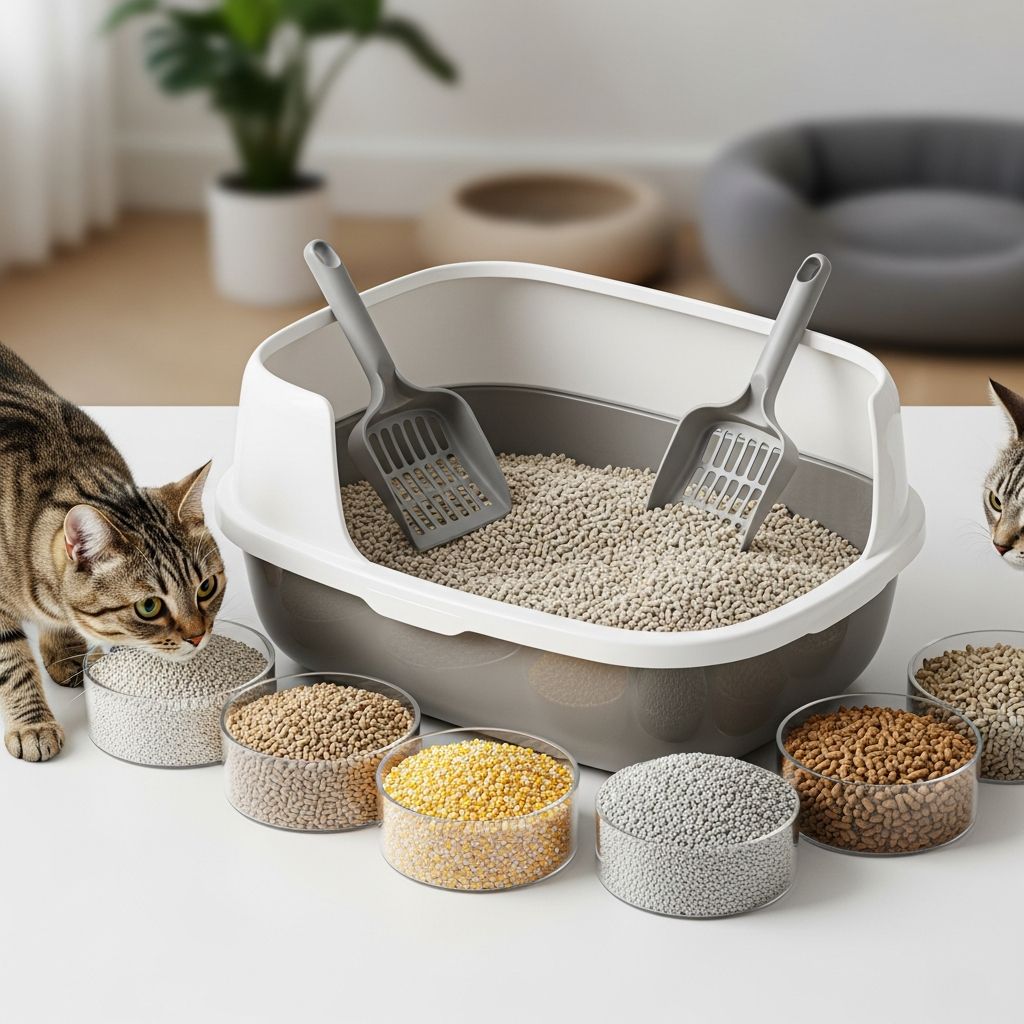
Selecting the right cat litter is essential for maintaining a clean home and ensuring your cat’s comfort and health. With numerous options available, each offering unique advantages, understanding the differences helps pet owners make informed choices tailored to their cats’ preferences and household needs.
Understanding Cat Litter Basics
Cat litter serves multiple purposes: absorbing moisture, controlling odors, and providing a comfortable substrate for elimination. Factors like clumping ability, dust levels, scent, and environmental impact influence the best pick. Most cats prefer fine-textured litters resembling natural soil or sand, but individual preferences vary based on age, health, and past experiences.
Traditional Clay Litters: Reliable and Popular
Clay litters, derived from bentonite clay, dominate the market due to their effectiveness and familiarity. They come in two main varieties: clumping and non-clumping.
Clumping Clay Litter
This type forms solid balls when wet, allowing easy scooping of waste. It excels in odor control and requires less frequent full changes, making it ideal for busy owners. According to veterinary sources, unscented clumping clay is preferred by most cats for its texture.
- Advantages: Superior clumping, excellent odor neutralization, widely available and affordable.
- Disadvantages: Dusty, tracks easily, not biodegradable.
Non-Clumping Clay Litter
Non-clumping versions absorb urine but do not form clumps, necessitating more frequent complete litter replacements to manage bacteria and smells. They are cheaper upfront but demand higher maintenance.
Crystal Silica Litters: High-Tech Absorption
Silica gel crystals, made from quartz sand processed with oxygen and water, offer exceptional absorbency. They trap urine internally, allowing evaporation without clumping, and only solid waste needs scooping.
| Feature | Pros | Cons |
|---|---|---|
| Dust | Minimal | N/A |
| Odor Control | Strong initially | Weakens over time |
| Cost | N/A | High |
| Suitability | Respiratory-sensitive cats | Not for multi-cat homes |
Some formulations change color to indicate urinary pH, aiding health monitoring.
Natural and Biodegradable Options: Eco-Friendly Choices
For environmentally conscious owners, plant-based litters provide sustainable alternatives without compromising performance.
Pine Litter
Made from pine shavings, this litter boasts natural antimicrobial properties from the wood’s oils. It offers low dust and tracking but requires frequent changes due to non-clumping nature.
- Low cost and eco-friendly.
- May irritate sensitive paws.
Corn-Based Litter
Compressed corn granules clump well and are flushable in small amounts. They control odors decently but can track. Brands like World’s Best Cat Litter use patented processes for tight clumping.
Wheat, Walnut, and Grass Litters
Wheat litters clump effectively with moderate odor control. Walnut shells provide natural deodorizing, while grass offers low tracking. These rank high in clumping tests among naturals.
Tofu and Soybean Litters
These innovative options from soybean fiber are dust-free, flushable, and highly clumping. They appeal for their non-toxic, biodegradable profile, making them top choices for health-focused homes.
Specialty Litters for Unique Needs
Paper Litter: Pelleted recycled paper suits kittens or post-surgery cats, being super soft and lightweight, though it lacks strong clumping.
Scented vs. Unscented: Unscented litters prevent respiratory issues and appeal more to cats’ sensitive noses.
Key Factors in Choosing Cat Litter
Consider these elements to match litter to your situation:
- Cat’s Preferences: Test textures; many cats favor clay’s feel.
- Household Allergies: Opt for low-dust crystals or naturals.
- Multi-Cat Homes: High-capacity clumping litters reduce conflicts.
- Environmental Impact: Biodegradables minimize landfill waste.
- Budget and Maintenance: Balance initial cost with long-term use.
How to Transition Your Cat to New Litter
Abrupt changes cause litter box avoidance. Mix 75% old litter with 25% new, gradually increasing over 1-2 weeks. Monitor for stress and provide multiple boxes during transition.
Litter Box Setup and Maintenance Tips
Place boxes in quiet, accessible spots. Scoop daily, refresh weekly, and deep-clean monthly. Use one box per cat plus one extra. Larger boxes suit bigger cats.
Addressing Common Litter Problems
| Problem | Possible Causes | Solutions |
|---|---|---|
| Not Using Box | Dirty box, wrong litter, medical issues | Clean frequently, vet check, trial litters |
| Tracking | Fine grains | Litter mats, coarser textures |
| Odor | Poor absorption | Baking soda additives, frequent scooping |
Health Considerations and Litter Choice
Litters with color indicators help spot UTIs early. Avoid dusty options for asthma-prone cats. Consult vets for seniors or those with paw sensitivities.
Cost Comparison Across Litter Types
Clay is cheapest per pound but non-biodegradable. Crystals cost more but last longer. Naturals vary; tofu offers value through flushability.
FAQs
What is the best litter for kittens?
Non-clumping, dust-free paper or clay to avoid ingestion risks.
Can all natural litters be flushed?
No, check local plumbing codes; corn and tofu often are, but verify manufacturer guidelines.
How often should I change cat litter?
Scoop daily; full change every 1-4 weeks based on type and cat count.
Is scented litter safe?
Generally avoid; natural scents suffice, preventing allergies.
What litter works best for odor control?
Clumping clay or crystals excel, supplemented by enzymatic cleaners.
References
- Choosing the Right Cat Litter | Cat Litter Comparison Chart — Rita Reimers. N/A. https://ritareimers.com/cat-behaviors/litter-box-avoidance/choosing-the-right-cat-litter/
- Types of Cat Litter: Which One Is Best for Your Cat? — OKC Vet Campus. N/A. https://okcvetcampus.com/types-of-cat-litter-which-one-is-best-for-your-cat/
- Cat Litter Types: The Ultimate Guide to Choosing a Litter — Dr. Elsey’s. N/A. https://drelseys.com/cat-litter-types-the-ultimate-guide-to-choosing-a-litter/
- Cat Litter Types: Which is Right for Your Cat (and You) — Zoetis Petcare. N/A. https://www.zoetispetcare.com/blog/article/cat-litter-types
- The Ultimate Guide To Different Types of Cat Litter — Tuft & Paw. N/A. https://www.tuftandpaw.com/blogs/cat-guides/the-ultimate-guide-to-different-types-of-cat-litter
- Our Difference | Why Our Natural Cat Litter is Different — World’s Best Cat Litter. N/A. https://www.worldsbestcatlitter.com/our-difference/
- Choosing Litter: Part Two – Comparison of Different Types of Cat Litter — Pet Professional Guild. N/A. https://www.petprofessionalguild.com/pet-owners/pets-and-their-people/pets-and-their-people-blog/choosing-litter-part-two-comparison-of-different-types-of-cat-litter/
- Different Types of Cat Litter: Overview & Comparison — VCA Animal Hospitals. N/A. https://vcahospitals.com/pediatric/kitten/prep-supplies/different-types-of-cat-litter
Similar Articles








Read full bio of medha deb