

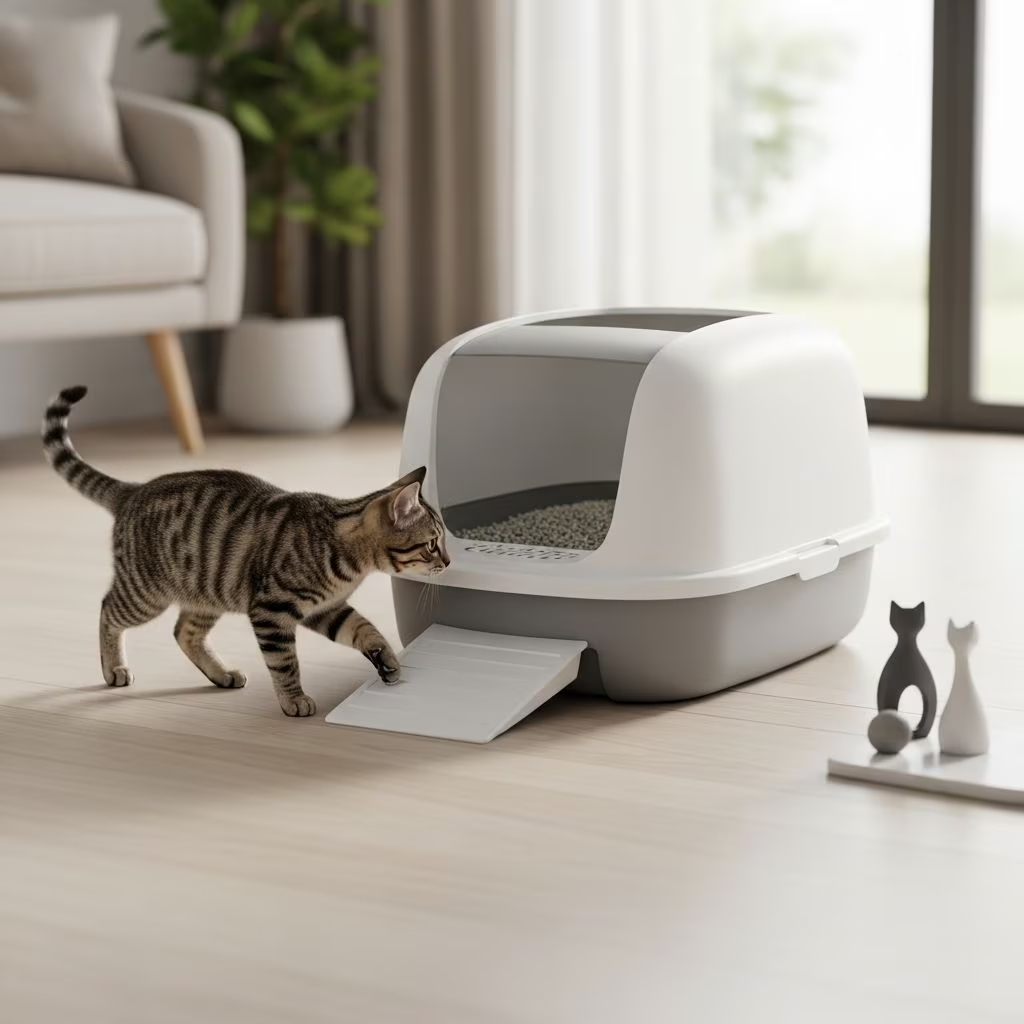
Your Guide to the Best Cat Litter Box for Your Feline Friend
When you bring a new cat into your home, the litter box is one of the first items on your shopping list. While many pet owners view it as just another piece of household equipment to tuck away in a corner, your cat sees it very differently. To your feline friend, the litter box is their personal bathroom, and cats have specific preferences about where and how they do their business. Choosing the right litter box isn’t merely about convenience for you—it’s about creating a comfortable, accessible space that encourages your cat to use it consistently. Understanding your cat’s needs and the various litter box options available will help you make an informed decision that keeps both you and your kitty happy.
Understanding the Right Size for Your Cat Litter Box
One of the most critical factors in selecting a litter box is getting the dimensions right. A litter box that’s too small can create stress for your cat and lead to accidents outside the box. The ideal size depends on your cat’s measurements.
To determine the perfect length, measure your cat from the tip of their head to the base of their tail, then multiply that number by 1.5. This calculation gives you the minimum length your litter box should be. Your cat needs enough space to comfortably turn around inside the box without feeling cramped. Width is equally important—your feline should be able to move around and position themselves as needed without their sides touching the walls.
For covered boxes, pay special attention to the height of the lid. Your cat must be able to stand up comfortably inside without their back touching the roof. A box that’s too low can make your cat feel confined and discouraged from using it. If you have kittens or senior cats with mobility challenges, prioritize boxes with low entry points that are easy to access without requiring your cat to jump or climb.
Depth and Litter Amount: Finding the Sweet Spot
The depth of your litter box matters significantly for both hygiene and your cat’s comfort. A cat litter box should be deep enough to comfortably hold 2-3 inches of litter while still maintaining enough clearance for your cat to dig and cover their waste without creating spillage. As a general rule, aim for a minimum depth of 6 inches for healthy adult cats.
However, this isn’t a one-size-fits-all recommendation. Senior cats and kittens may need shallower boxes to prevent discomfort or difficulty entering and exiting. Some cats are enthusiastic diggers and will kick up litter regardless of the box depth, while others are more conservative in their bathroom habits.
When filling your litter box, resist the urge to fill it to the brim. Leaving space at the top ensures your cat has room to dig and bury their waste without creating a mess on your floor. Most experts recommend filling the box to about 2-3 inches, allowing the top layer to clump while keeping the bottom layer relatively clean.
Material Selection: Durability and Hygiene
The material of your cat’s litter box affects its longevity, ease of cleaning, and overall hygiene. Hard plastic is the most common choice for cat litter boxes because it’s affordable, durable, and simple to clean. Plastic boxes resist staining and odor absorption better than some alternative materials.
Some premium litter boxes are made from stainless steel, which offers superior durability and is exceptionally easy to sanitize. While stainless steel boxes cost more upfront, they can last significantly longer than plastic alternatives.
Many modern litter boxes incorporate antimicrobial technology designed to prevent the growth of bacteria and fungus. This feature is particularly valuable for households with multiple cats or for owners who want to maintain the highest hygiene standards. When choosing a material, prioritize options that are BPA-free and made from durable, non-toxic plastics.
Open-Top Litter Pans
Open-top litter pans are the traditional choice and remain popular for good reasons. These simple, accessible boxes come in various styles, including high-sided options, corner designs, and rimmed varieties. The main advantage of open-top pans is easy access for your cat and straightforward cleaning for you.
Open-top boxes work particularly well for kittens and senior cats who may struggle with enclosed spaces or complicated entry mechanisms. However, they offer less odor containment than covered boxes and may result in more litter being scattered around your home, especially if you have an enthusiastic digger.
High-sided open-top pans provide better containment while maintaining the accessibility of an open design. These boxes are excellent choices for cats of all ages, particularly kittens and older cats with mobility issues.
Covered and Enclosed Litter Boxes
Covered litter boxes come with removable lids and are designed to provide privacy for your cat while containing odors and preventing litter from scattering throughout your home. These boxes come in various styles, including traditional hooded designs, furniture-style options that blend with your décor, and fully enclosed models.
When selecting a covered box, remember that bigger is better—and so is taller. A box that’s too small will trap dust and odors right around your cat as they use it, creating an unpleasant experience. The enclosed space can also make it uncomfortable for larger cats or those who feel claustrophobic.
Covered boxes require more thorough cleaning than open pans because odors can concentrate inside. However, the privacy they provide appeals to many cats, and the containment features can significantly reduce litter tracking around your home. Furniture-style covered boxes can serve double duty as both a functional bathroom and a decorative piece that matches your home’s aesthetic.
Automatic and Self-Cleaning Litter Boxes
If you’re looking to minimize your litter box maintenance, automatic self-cleaning litter boxes may be worth the investment. These high-tech boxes feature rake systems that detect when your cat has used the box and automatically scoop waste into a separate, sealed, and odor-controlled compartment.
Most automatic boxes wait 5-20 minutes after your cat leaves before activating the cleaning cycle, allowing your feline time to fully exit the box. The best self-cleaning models include safety features that stop the cleaning process if your cat returns to the box unexpectedly.
For multi-cat households, extra-large automatic boxes with bigger waste compartments and carbon filtration systems can manage multiple cats’ waste efficiently. These models can trap odors for approximately three days, reducing the frequency of maintenance tasks.
Self-cleaning litter boxes work best for healthy adult cats. Some models may not be suitable for young kittens under 6 months old or senior cats with mobility issues. The motorized cleaning cycle can also startle sensitive cats, so consider your cat’s temperament before investing in an automatic box.
Disposable Litter Boxes for Travel and Temporary Use
Disposable litter boxes are a practical solution for specific situations where portability and convenience matter most. These boxes are ideal when you’re traveling and leaving your cat with a pet sitter who may not enjoy scooping litter, or when you need to take your cat on a trip without hauling their regular litter box setup.
Disposable boxes typically come as complete kits with pre-filled litter trays sealed until use. You simply peel back the paper, set the tray down, and your cat has an immediate bathroom solution. While not cost-effective for daily use, disposable litter boxes solve the problem of traveling without your usual litter supplies.
Addressing Common Litter Box Problems
Understanding potential litter box issues helps you choose a box that prevents problems before they start. One common issue is litter ending up outside the box when cats are enthusiastic about burying their waste.
If your cat scatters litter excessively, consider upgrading to a larger box with higher sides that better contains their digging. Experiment with litter depth—some cats kick up more litter when the level is shallow, while others create more mess in deep litter. Placing pee pads, newspapers, or a specialized litter mat underneath and around the box catches scattered litter for easy cleanup.
Regular maintenance is essential for preventing behavioral issues. Scoop your cat’s litter box at least once daily, and ideally twice daily. Replace all the litter and thoroughly wash the box at least once weekly. A clean, well-maintained litter box encourages consistent use and reduces the likelihood of your cat having accidents elsewhere in your home.
Choosing the Right Location
The placement of your cat’s litter box significantly impacts whether your cat will use it consistently. Cats prefer privacy and easy access, so place the litter box in a low-traffic area of your home that’s still easily accessible to your cat. The location should be away from your cat’s food and water bowls—cats naturally prefer to eliminate far from where they eat.
Ensure the box is in a safe space where your cat won’t be startled or trapped while using it. Multi-floor homes should have litter boxes on each level to provide convenient access throughout the house.
Litter Box Selection by Cat Type
Different cats have different litter box needs based on their age, health, and lifestyle.
For Kittens: Kittens require shallow boxes with low entry points to prevent accidents due to difficulty climbing in or out. Start them with kitten-friendly litter formulated for their sensitive needs. A lightweight, easy-to-access open-top pan works best during the early months.
For Senior Cats: Older cats with arthritis or mobility issues need boxes with low-entry fronts but high sides and backs. This configuration accommodates cats who can’t squat normally due to back pain or joint issues. A roomy, low-entry box prevents strain on aging joints while maintaining adequate waste containment.
For Multi-Cat Households: The general rule for multi-cat homes is to have one litter box per cat, plus one extra. Use larger boxes or multiple boxes to prevent territorial disputes and ensure all your cats have adequate access. Self-cleaning boxes designed for multiple cats can handle increased waste volume more efficiently.
Maintaining Your Cat’s Litter Box Area
Creating an attractive, hygienic litter box area enhances your cat’s experience and keeps your home cleaner. Use litter mats with modern designs that complement your décor while trapping stray litter. These mats make it easy to collect scattered litter with a dustpan and return it to the box.
Wash your litter boxes regularly with hot water and mild, unscented dish soap. Avoid harsh chemicals that may linger and discourage your cat from using the box. Consider keeping the area around the litter box clear of clutter and ensuring good ventilation to minimize odors.
Making Your Litter Last Longer
To maximize your litter supply and reduce waste, use clumping litter that’s scoop-able. Clumping litter forms solid masses around waste, making it easy to remove while preserving the surrounding clean litter. Place a mat underneath the box to prevent litter from spreading, and fill the box to the appropriate level rather than to the very top.
Frequently Asked Questions
Q: What size should a cat litter box be?
A: A cat litter box should be 1.5 times as long as your cat from head to tail base and wide enough for your cat to comfortably turn around. Measure your cat and multiply the length by 1.5 to find the ideal box length.
Q: How often should I clean the litter box?
A: Scoop the litter box at least once daily, and ideally twice daily. Replace all litter and wash the box thoroughly at least once per week to maintain hygiene and encourage consistent use.
Q: Are self-cleaning litter boxes suitable for all cats?
A: Self-cleaning litter boxes work best for healthy adult cats. They may not be suitable for young kittens (under 6 months) or senior cats with mobility issues who may be stressed by the automatic cleaning cycle.
Q: How much litter should I put in the box?
A: Fill the box with 2-3 inches of litter, leaving space at the top for your cat to dig and cover waste. Most cats prefer litter about 2-4 inches deep, but individual preferences vary.
Q: Where should I place the litter box?
A: Place the litter box in a low-traffic, private area that’s easily accessible to your cat. Keep it away from food and water bowls, and ensure your cat won’t feel trapped while using it.
Q: What’s the best material for a litter box?
A: Hard plastic is the most common and durable choice for litter boxes. Stainless steel options are more expensive but last longer. Choose BPA-free materials, and consider boxes with antimicrobial technology for enhanced hygiene.
References
- Cat Litter Boxes, Pans & Trays — Chewy. 2024. https://www.chewy.com/b/litter-boxes-413
- Your Guide to the Best Cat Litter Box for Your Feline Friend — Chewy. 2024. https://www.chewy.com/education/cat/pet-parenting/your-guide-to-the-best-cat-litter-box-for-your-feline-friend
- The Benefits of a Self-Cleaning Litter Box — Chewy. 2024. https://www.chewy.com/education/cat/general/the-advantages-of-a-self-cleaning-litter-box
- Solutions to 8 Common Cat Litter Box Issues — Chewy. 2024. https://www.chewy.com/education/cat/training-and-behavior/8-common-cat-litter-box-problems-and-solutions
- 8 Ways To Make Your Cat Litter Last Longer — Chewy. 2024. https://www.chewy.com/education/cat/general/8-ways-to-make-your-cat-litter-last-longer
- 9 Ways to Spruce up Your Cat’s Litter Box Area — Chewy. 2024. https://www.chewy.com/education/cat/training-and-behavior/training-potty-training-9-ways-to-spruce-up-your-cats-litterbox-area
- Litter Boxes for Every Cat — Chewy. 2024. https://www.chewy.com/education/cat/general/litter-boxes-for-every-cat



