

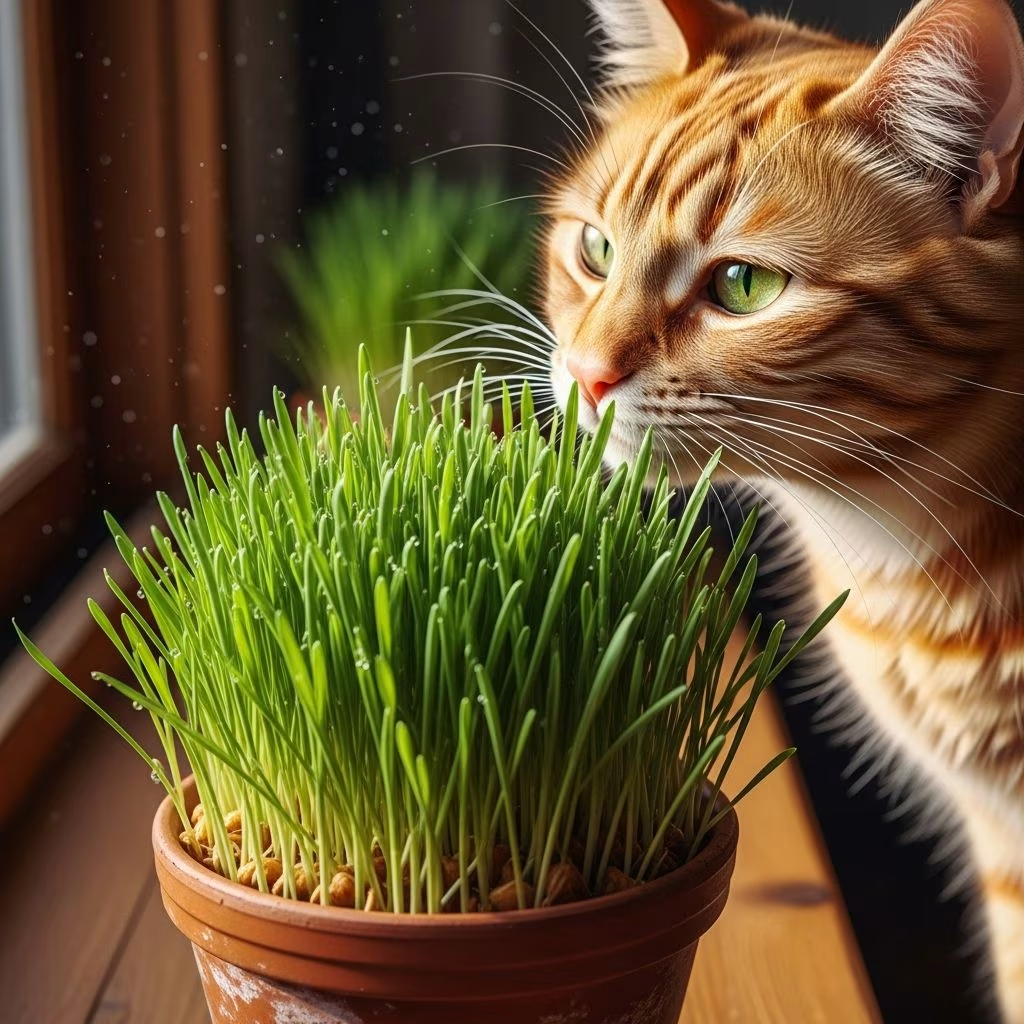
Cat grass offers a safe, nutritious way for indoor cats to satisfy their natural grazing instincts. These specially selected grasses provide fiber for digestion, essential vitamins, and entertainment, helping prevent cats from chewing on toxic houseplants.
Why Cats Crave Grass and Its Key Advantages
Felines have an innate urge to nibble on greenery, even though they are obligate carnivores. This behavior stems from wild ancestors who consumed grass to aid digestion and expel parasites. Today, cat grass delivers similar perks in a controlled environment.
- Digestion Support: The roughage in grass promotes regular bowel movements, reduces constipation, and eases hairball passage by lubricating the intestinal tract.
- Nutrient Boost: Rich in chlorophyll, vitamins A, C, E, K, B-complex, folic acid, and minerals like iron and magnesium, it supports metabolism, oxygen transport, and immune health.
- Detox and Fresh Breath: Antioxidants and chlorophyll help neutralize toxins and freshen breath naturally.
- Mental Stimulation: Chewing provides enrichment, reducing boredom and protecting household plants from feline raids.
Studies confirm grass eating enhances gastrointestinal regularity in cats, making it a wholesome addition to balanced diets.
Popular Varieties of Cat Grass: Features and Comparisons
Several grass types suit cats, each with unique textures, growth rates, and nutritional profiles. Here’s a breakdown of the most recommended options.
| Grass Type | Growth Speed | Texture & Taste | Key Nutrients | Best For |
|---|---|---|---|---|
| Wheatgrass | Fast (3-7 days) | Soft, broad blades | Chlorophyll, vitamins A/C/E/K, amino acids | Beginners, picky eaters |
| Oat Grass | Very fast (easiest) | Tall, thin, slightly sweet | B vitamins, protein, fiber | Sensitive stomachs |
| Barley Grass | Moderate (under 10 days) | Tender, less dense | Antioxidants, potassium, vitamin C | Seniors, dental issues |
| Rye Grass | Slower, durable | Thick, robust | Fiber, B vitamins | Active cats |
| Alfalfa | Easy, cress-like | Fine, less fibrous | Calcium, vitamin K, beta-carotene | Joints, kidney support |
This table highlights how each variety caters to different feline needs, from quick growth for impatient owners to nutrient density for health-focused care.
Wheatgrass: The All-Rounder Choice
Wheatgrass stands out for its lush, vibrant appeal that attracts most cats immediately. Its fibrous nature excels at improving gut motility and providing detoxification through high chlorophyll content. Ideal for first-time growers, it thrives indoors with minimal effort and offers a broad spectrum of vitamins and minerals.
Oat Grass: Gentle and Appealing for Picky Cats
With its slender blades and milder flavor profile, oat grass appeals to finicky felines or those with tender mouths. It germinates quickest among varieties, delivering soluble fiber and protein for optimal digestion. Though shorter-lived, its ease makes it a staple for beginners.
Barley Grass: Balanced Nutrition for Everyday Use
Barley provides a middle ground with tall growth and tender texture, perfect for older cats or those post-dental care. Packed with antioxidants and immune-boosting nutrients, it grows reliably and offers varied chewing satisfaction.
Rye Grass: Tough and Long-Lasting
For energetic cats who play rough with their greens, rye’s sturdy blades withstand repeated nibbling. Its fibrous build supports bowel health, mimicking outdoor vegetation for a more natural experience.
Alfalfa and Millet: Specialized Wellness Options
Alfalfa shines for senior cats, supplying calcium for bones and beta-carotene beneficial for kidney conditions. Millet adds magnesium for energy. Both feature finer textures, easing consumption for aging pets.
Growing Your Own Cat Grass: Step-by-Step Guide
Cultivating cat grass at home is simple, affordable, and ensures freshness. Use organic seeds to avoid pesticides.
- Select Seeds: Opt for single-variety packs like wheat or oat; avoid mixed lawn seeds.
- Prepare Container: Use shallow pots or trays with drainage holes, filled with organic potting soil or hydroponic mats.
- Sow Densely: Scatter seeds thickly (1-2 tsp per inch), press into soil, and cover lightly. Mist daily.
- Ideal Conditions: Place in indirect light at 65-75°F. Germination occurs in 2-7 days; harvest at 4-6 inches.
- Maintain: Water to keep moist but not soggy. Rotate crop every 10-14 days for continuous supply.
Success rates soar with consistent moisture and light, yielding edible grass in under a week.
Safety Essentials and Common Pitfalls to Avoid
Cat grass is non-toxic, but vigilance prevents issues. Trim to prevent overgrowth that attracts mold, and discard after 2-3 weeks when it yellows. Introduce gradually to avoid tummy upset. Consult vets for cats with conditions like CKD, though varieties like alfalfa may help.
- Choose pesticide-free, organic seeds for safety.
- Monitor for allergies: rare, but watch for vomiting.
- Keep away from fertilizers or outdoor contaminants.
Choosing the Right Grass for Your Cat’s Profile
Tailor selection to your cat’s age, health, and preferences. Kittens thrive on fast-growing wheatgrass; seniors benefit from soft barley or alfalfa. Test small patches to gauge interest—cats often self-select favorites.
Frequently Asked Questions About Cat Grass
Is cat grass safe for daily consumption?
Yes, in moderation. It supplements diet without replacing complete cat food, aiding digestion safely.
Why does my cat vomit after eating grass?
This purges hairballs or irritants naturally; it’s normal unless frequent.
Can I grow cat grass outdoors?
Absolutely, in shaded pots to shield from cats’ digging or weather.
How often should I replant?
Every 10-14 days, as grasses bolt and lose appeal post-maturity.
Does cat grass replace veterinary care?
No, it’s a supportive treat; seek professional advice for health issues.
Enhancing Your Cat’s Greenery Experience
Combine grasses in rotations for variety, or pair with catnip for ultimate appeal. Indoor gardens foster bonding and wellness, turning snack time into play. With these insights, equip your feline with tailored, thriving greens.
References
- Best Grass for Cats – Nutrition Guide — KittyLawn. 2023. https://kittylawn.com/blogs/news/selecting-the-ideal-grass-species-for-optimal-feline-nutrition
- Which Cat Grass is the best? — MyCatGrass.co.uk. 2023. https://mycatgrass.co.uk/which-cat-grass-is-the-best/
- How Do I Choose the Best Cat Grass? — Pettable. 2024. https://pettable.com/blog/how-do-i-choose-the-best-cat-grass
- The Many Wholesome Benefits of Cat Grass — Pete the Vet. 2023. https://www.petethevet.com/the-many-wholesome-benefits-of-cat-grass/
- Cat Grass For Beginners — The Cat Ladies. 2023. https://thecatladies.com/blogs/news/cat-grass-for-beginners
- All About Cat Grass: Benefits, Safety, and Growing Tips — Catit USA. 2024. https://catit.us/blogs/news/all-about-cat-grass-benefits-safety-and-growing-tips
- Where the Green Grass Grows: Grass Treats for Cats — VCA Animal Hospitals. 2023. https://vcahospitals.com/know-your-pet/where-the-green-grass-grows-grass-treats-for-cats



