

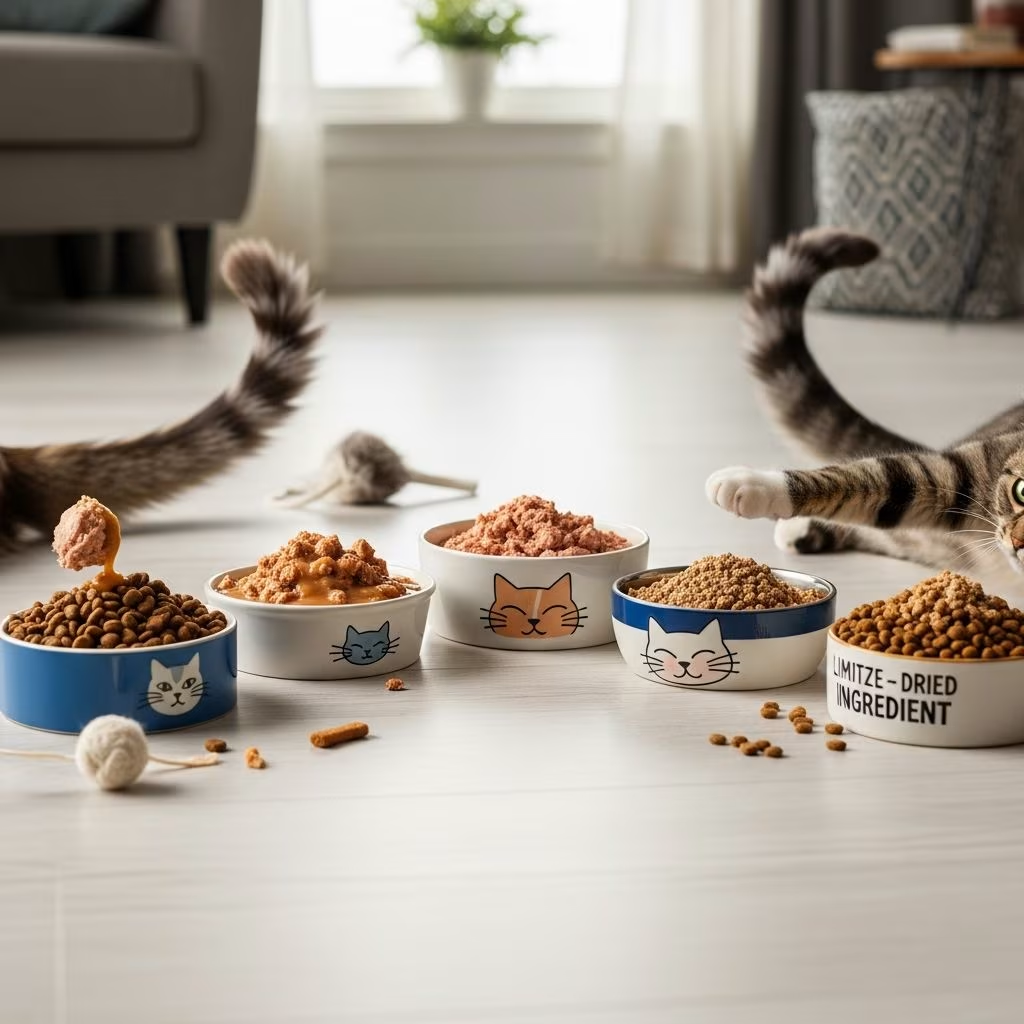
Managing nutrition for multiple cats can feel overwhelming, especially when you’re trying to find a food that satisfies all of them while meeting their dietary needs. The good news is that if you have more than one healthy adult cat, you can typically feed all the cats in your household the same food, provided it meets certain nutritional requirements and none of your cats have special dietary considerations. Understanding what constitutes proper feline nutrition and knowing which foods deliver the best value for multi-cat homes is essential for keeping your furry family members healthy and thriving.
Understanding Nutritional Requirements for Adult Cats
When selecting food for a multi-cat household, it’s crucial to understand the basic nutritional requirements that all healthy adult cats share. According to nutritional guidelines, a complete and balanced diet for adult cats should include at least 12.5 grams of crude protein and 5.5 grams of total fat per standard serving. These aren’t arbitrary numbers—they reflect what cats need biologically to maintain optimal health.
The Importance of Protein and Amino Acids
Dietary protein is fundamental to feline health because it contains ten specific amino acids that cats require but cannot synthesize on their own. Among these essential amino acids is taurine, which plays a critical role in heart function, vision, and reproductive health. Without adequate taurine and other essential amino acids, cats can develop serious health problems. This is why protein-rich foods should form the foundation of any cat’s diet, regardless of whether you have one cat or five.
The Role of Fats in Feline Nutrition
Fats in cat food serve multiple vital functions. They act as carriers for fat-soluble vitamins that are essential for various bodily functions. Additionally, fats play a critical role in cell structure and function throughout your cat’s body. They help maintain healthy skin and coat, which is particularly important if any of your cats have long or luxurious fur. Perhaps most importantly for picky eaters, fats make food taste better, which can be particularly helpful when you’re trying to get multiple cats with varying preferences to eat the same meal.
Dry Cat Food Options for Multi-Cat Households
Dry cat food, commonly referred to as kibble, remains one of the most practical options for households with multiple cats. It’s convenient to store, cost-effective, and can help with dental health when formulated with ingredients that naturally promote plaque removal.
Whole Earth Farms Grain-Free Real Chicken Recipe Dry Cat Food
This dry cat food option represents an excellent choice for multi-cat households because it delivers a complete and balanced nutrient profile that meets the needs of all healthy adult cats. The formula provides the necessary protein and fat content that active felines require to maintain muscle mass and energy levels throughout the day. The grain-free formulation means it avoids unnecessary fillers and focuses on nutrient-dense ingredients that cats can easily digest and utilize.
For families with multiple cats who have varying activity levels, this food provides sufficient nutrition for both the more active explorers and the lounging lap cats in your household. The real chicken as the primary ingredient ensures cats receive quality animal-based protein, which aligns with their natural carnivorous dietary preferences.
Wet Cat Food Options for Multi-Cat Households
Wet cat food represents an important category to consider for multi-cat households, particularly because it addresses a significant challenge many cat owners face: ensuring their pets get adequate hydration.
Whole Earth Farms Grain-Free Real Salmon Pate Recipe Canned Cat Food
While cats do not require dietary carbohydrates like grains, cereals, legumes, and other plant foods, these ingredients do provide an abundant source of energy that cats use to sustain their normal daily activities. Whole Earth’s grain-free canned salmon pate demonstrates how to incorporate beneficial plant-based ingredients thoughtfully. It contains organic alfalfa and flaxseed, two ingredients that provide healthy carbohydrates and fats for active felines without relying on empty fillers.
The pate texture makes this food particularly appealing to cats who prefer smoother consistencies, and the salmon provides omega-3 fatty acids that support skin and coat health. For multi-cat households where some cats may be more active than others, this option provides versatile nutrition that works well as either a complete meal or a supplementary food.
Fancy Feast Gravy Lovers Poultry & Beef Feast Variety Pack Canned Cat Food
Water is critical for just about every living creature’s health and well-being, including cats. Unfortunately, cats have evolved with a weak thirst drive and often don’t drink enough water even when you provide free access to fresh, clean water. This creates a significant health concern for many cat owners, as chronic dehydration can lead to urinary tract issues and other complications.
Wet cat foods like Fancy Feast’s chicken, turkey, and beef formulas can help address this challenge. These foods contain more than 80 percent moisture content, which provides additional hydration with every meal. For multi-cat households, the variety pack format is particularly practical because it prevents food boredom—each cat can enjoy different flavors while still receiving complete nutrition. You can rotate through the different varieties to keep even the pickiest eaters interested in mealtime.
Key Considerations for Feeding Multiple Cats
Feeding multiple cats successfully requires more than just choosing good food; it also involves thoughtful management and awareness of each cat’s individual needs and behaviors.
Managing Individual Dietary Needs
While healthy adult cats can generally eat the same food, you should monitor each cat to ensure they’re maintaining a healthy weight and showing signs of good health. Some cats may need different portion sizes based on activity level, age, or metabolism. Keep an eye on body condition, energy levels, and coat health as indicators that your chosen food is working well for your multi-cat household.
Preventing Food Competition Issues
In multi-cat households, feeding dynamics can become complicated. Some cats may eat faster than others, or dominant cats might prevent subordinate cats from accessing food. Consider feeding your cats in separate areas if you notice any tension during mealtimes, and always ensure each cat has access to food and fresh water.
Transitioning to New Foods
When introducing a new cat food to your household, transition gradually over seven to ten days by slowly mixing increasing amounts of the new food with the old food. This gradual transition helps prevent digestive upset and allows your cats to adjust to the new flavor and texture at a comfortable pace.
Comparing Food Types for Multi-Cat Households
| Food Type | Moisture Content | Storage | Cost-Effectiveness | Hydration Benefits |
|---|---|---|---|---|
| Dry Kibble | 10-12% | Easy, airtight containers | Most economical | Limited |
| Wet/Canned Food | 80%+ | Requires refrigeration after opening | More expensive per serving | Excellent hydration support |
| Grain-Free Formulas | Varies by type | Depends on format | Moderate to high | Depends on formula |
Selecting the Right Combination Strategy
Many multi-cat households find success using a combination approach. For example, you might feed dry kibble as the primary meal for convenience and cost-effectiveness, then supplement with wet food to ensure adequate hydration and provide variety. This strategy offers the best of both worlds: the practicality of kibble with the hydration and palatability benefits of wet food.
Another approach involves rotating between different protein sources throughout the week. This can prevent food boredom, reduce the likelihood of developing food sensitivities, and ensure your cats receive a broader spectrum of nutrients. Just ensure any foods you rotate are complete and balanced and made by reputable manufacturers.
Reading Labels and Understanding Ingredients
When evaluating cat foods for your multi-cat household, learn to read and interpret ingredient labels. Look for named meat sources (like chicken, beef, or salmon) as the primary ingredients rather than vague terms like “meat by-products” or “animal meal.” Check that the food is formulated to be complete and balanced for adult cats, and verify that it contains appropriate levels of protein and fat.
Be aware of marketing terms that may not reflect nutritional superiority. Terms like “natural” or “premium” aren’t standardized, whereas terms like “complete and balanced” have specific nutritional meanings based on established guidelines.
Budget-Friendly Options Without Sacrificing Quality
Feeding multiple cats doesn’t have to break the bank. Generic or store-brand foods that meet nutritional requirements can be just as appropriate as premium brands, provided they include quality protein sources and meet AAFCO (Association of American Feed Control Officials) standards for complete and balanced nutrition. Compare prices per serving rather than per container to identify the most economical options.
Buying in bulk can also provide savings, especially with dry food. However, ensure you can store it properly in airtight containers to maintain freshness and nutritional integrity. For wet food, watch for sales and promotional pricing, then stock up on varieties your cats enjoy.
When Individual Diets Become Necessary
Despite the convenience of feeding all cats the same food, some situations require individual diets. If one cat has special nutritional needs due to age, health condition, or food sensitivities, you may need to feed different foods. In these cases, manage feeding carefully by using separate feeding stations or feeding different cats in different rooms to prevent cross-contamination and ensure each cat receives the appropriate diet.
Frequently Asked Questions
Can all cats in a multi-cat household eat the same food?
Yes, if all cats are healthy adults and none have special dietary needs, they can share the same food provided it meets nutritional requirements for adult cats and none of the cats have food sensitivities or allergies.
How much should I feed multiple cats?
Feeding amounts depend on each cat’s age, activity level, and metabolism. Consult the feeding guidelines on your food’s label and adjust portions based on each cat’s body condition. Your veterinarian can provide specific recommendations for your individual cats.
Is wet food or dry food better for multi-cat households?
Both have advantages. Dry food is more economical and convenient for multiple cats, while wet food provides superior hydration. Many successful multi-cat households use a combination of both.
How do I prevent dominant cats from eating other cats’ food?
Feed cats in separate areas, use automatic feeders with microchip recognition, or establish a feeding schedule where you can monitor intake. These strategies prevent dominant cats from consuming more than their share.
What should I do if one cat has dietary restrictions?
If one cat requires a different diet, feed it separately from the other cats. Use a closed door, a separate room, or timed feeding stations to ensure each cat receives the appropriate food.
How often should I transition to a new cat food?
Transition gradually over seven to ten days by mixing increasing proportions of new food with old food. This prevents digestive upset and allows cats to adapt comfortably to new flavors and textures.
References
- Your Complete Guide to the Best High-Quality Cat Food — Chewy.com. 2025. https://www.chewy.com/education/cat/food-and-nutrition/your-complete-guide-to-the-best-high-quality-cat-food
- Cat Nutrition: What Is Complete and Balanced Cat Food? — Chewy.com. 2025. https://www.chewy.com/education/cat/food-and-nutrition/cat-nutrition
- The Best Cat Food of 2025, According to Cat Parents Like You — Chewy.com. 2025. https://www.chewy.com/education/cat/food-and-nutrition/best-cat-food



