

The Best Cat Foods for Urinary Health
Urinary health is one of the most important aspects of feline wellness, yet it’s often overlooked by cat owners. Cats can experience a range of urinary health issues, including bladder inflammation, urinary crystals, and bladder stones. Sometimes, a cat’s diet can actually contribute to these problems rather than prevent them. By choosing the right cat food formulated specifically for urinary health, you can help prevent, manage, and even treat these conditions.
According to veterinary experts, diet directly affects the pH, concentration, and mineral content of your cat’s urine. Foods high in certain minerals—like magnesium or phosphorus—or too low in moisture can promote crystal or stone formation. The good news is that selecting appropriate cat food for urinary support is a proactive step that many cat owners can take to safeguard their pet’s long-term health.
Understanding Feline Urinary Health Issues
Before exploring dietary solutions, it’s important to understand the common urinary conditions that affect cats. Male cats are particularly susceptible to urinary blockages, which can be life-threatening if left untreated. Urinary crystals form when minerals such as magnesium and phosphorus become too concentrated in a cat’s urine. This typically happens because cats naturally drink less water, resulting in dense, concentrated urine.
Cats can also develop conditions like feline idiopathic cystitis, which causes bladder inflammation. Additionally, urinary blockages can progress from untreated crystal formation, making prevention through proper nutrition essential. Stress is also a known trigger for feline idiopathic cystitis, so a comprehensive approach combining diet, hydration, and environmental management yields the best results.
Key Components of Urinary Health Cat Food
The best cat food for urinary health prioritizes three main components: moisture content, controlled mineral levels, and urine-acidifying agents. Understanding each element helps you make informed decisions when selecting food for your cat.
Controlled Mineral Levels
High levels of magnesium, phosphorus, and calcium are the building blocks of urinary crystals. Premium urinary health cat foods are formulated with carefully controlled levels of these minerals to help prevent stone formation. Rather than eliminating these minerals entirely—which would be unhealthy—specialized urinary diets balance them appropriately.
Quality urinary cat foods work by balancing mineral content and promoting the right urine pH while encouraging water intake. Premium formulations containing high-quality animal proteins naturally stimulate cats to drink more water, which helps dilute the urine and prevents crystal formation. The mineral-controlled approach addresses the root cause of urinary issues rather than treating symptoms after problems develop.
Moisture Content
Ensuring your cat gets enough water is critical to their urinary health. Wet cat food helps maintain a healthy urinary tract by promoting hydration and supporting bladder health. Wet foods or formulas designed to increase water intake help dilute urine and flush the bladder regularly.
Cats are naturally inclined to drink less water than they should, making moisture content in food especially important. Wet foods are an excellent choice for promoting urinary health due to their high water content. Increased hydration helps dilute the urine and flush out minerals that could potentially form crystals. Additionally, offering fresh, running water or low-sodium broth can entice even the most reluctant drinkers to hydrate more.
Urine-Acidifying Agents
Certain prescription or urinary-support formulas include ingredients that help maintain a slightly acidic urine pH. This discourages the formation of struvite crystals, which tend to develop in more alkaline environments. Balanced acidity supports a healthier bladder environment overall. These specialized ingredients work by adjusting the urine’s chemical composition to create conditions less favorable for crystal formation.
Comparing Prescription and Non-Prescription Options
| Feature | Prescription Urinary Diet | Non-Prescription Urinary Support |
|---|---|---|
| Clinical Testing | Undergone clinical testing to prove they can dissolve existing struvite stones | Formulated to support urinary health but without clinical dissolution studies |
| Mineral Control | Highly controlled mineral levels (low magnesium, phosphorus, calcium) | Moderate mineral reduction with focus on balance |
| Availability | Requires veterinary prescription | Available over-the-counter at pet stores |
| Cost | Generally higher cost | More affordable options available |
| Best For | Cats with existing urinary crystals or stones | Healthy cats needing preventative support |
The most effective options are veterinary prescription diets specifically formulated for urinary health. These diets have undergone clinical testing to prove they can dissolve existing struvite stones and prevent both struvite and calcium oxalate formation—another type of bladder stone in cats. However, non-prescription urinary support foods can be beneficial for cats without existing conditions as a preventative measure.
Wet Versus Dry Urinary Cat Food
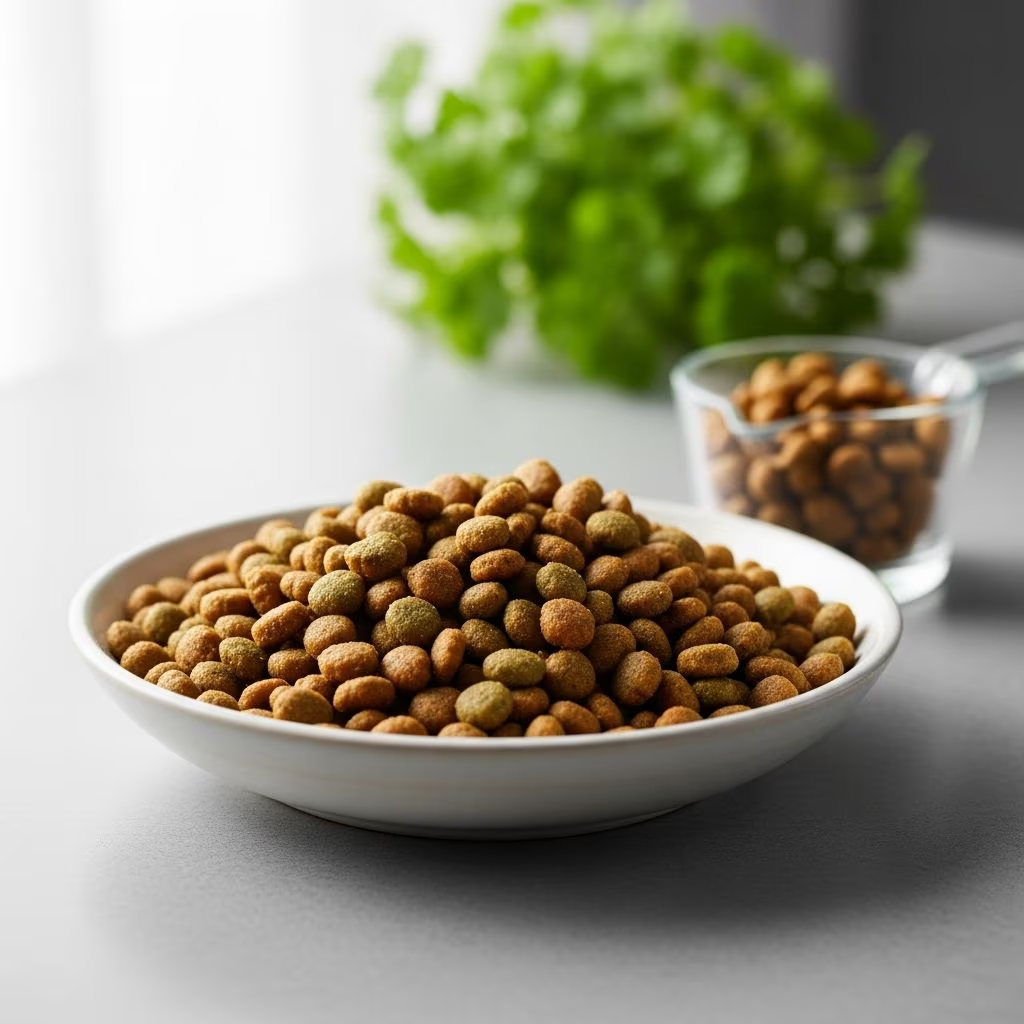
Both wet and dry formulas can support urinary health in cats, and the choice often depends on your cat’s preferences and your specific situation. Wet foods naturally contain higher moisture levels compared to dry kibble, making them particularly valuable for cats that don’t drink enough water. In multi-feline households, urinary health food can be fed to all cats, whether wet or dry format.
The extra moisture from wet cat food provides several benefits for urinary health, including diluted urine, reduced mineral concentration, and increased fluid intake overall. However, some cats may prefer dry food, and modern formulations of dry urinary diets can still provide benefits through controlled mineral content and pH adjustment. The best choice is often the formula your cat will actually eat consistently.
How to Choose the Right Urinary Cat Food
When selecting urinary health cat food, look for the following key features:
- First ingredient should be high-quality animal protein (chicken, salmon, or fish)
- Clearly labeled mineral content with controlled magnesium levels
- Moisture content above 75% for wet foods
- Formulation designed to support appropriate urinary pH
- Veterinarian recommendation or approval stamp
- Omega-3 and omega-6 fatty acids for overall health support
Supporting Urinary Health Beyond Diet
While diet is crucial, comprehensive urinary health support requires multiple approaches working together. Creating a stress-free environment is essential, as stress is a known trigger for feline idiopathic cystitis. Cats often prefer fresh, moving water, so consider installing a cat water fountain. Multiple clean water bowls positioned around the home can also encourage drinking.
Regular veterinary check-ups are vital for monitoring your cat’s urinary health. Especially for older cats, routine urinalysis and blood work can detect issues early, when they are most treatable. If your cat has already experienced problems like cystitis or urinary crystals, your vet may suggest a urinary cat food as part of a comprehensive treatment plan.
Maintaining consistent routines and offering enrichment through toys and playtime can reduce stress-related urinary flare-ups. Combined with a targeted diet and proper hydration support, this comprehensive approach greatly lowers the risk of urinary complications.
Can Healthy Cats Eat Urinary Food?
Many cat owners wonder if urinary health food is only for cats with existing problems. While urinary cat foods are specifically formulated for cats with diagnosed issues, they can also benefit healthy cats in several ways. These foods encourage increased water intake through high moisture content or ingredients that stimulate thirst—beneficial for any cat, as proper hydration is essential for overall health.
However, there are considerations for long-term feeding of urinary diet to healthy cats. Since these foods are designed to create a slightly acidic urine environment, artificially altering a healthy cat’s urine pH long-term might potentially affect natural urinary system balance. While unlikely to cause harm in the short term, consulting with your veterinarian about whether urinary food is appropriate for your healthy cat is recommended.
Frequently Asked Questions
Q: What minerals cause urinary crystals in cats?
A: The primary minerals involved are magnesium, phosphorus, and calcium. When these become too concentrated in urine due to low water intake, they can combine to form struvite or calcium oxalate crystals.
Q: How long does it take for urinary cat food to show results?
A: Prescription urinary diets formulated to dissolve existing struvite stones can show improvement within weeks, though complete dissolution may take several weeks to months. Preventative non-prescription formulas work over time to reduce crystal formation risk.
Q: Are male cats more prone to urinary issues than females?
A: Yes, male cats are significantly more prone to urinary blockages due to their narrower urethra. Urinary health diets are especially important for male cats to prevent life-threatening complications.
Q: Can I switch my cat to urinary food immediately?
A: Any dietary change should be gradual over 7-10 days to prevent digestive upset. Mix increasing amounts of the new urinary food with the current food until the transition is complete.
Q: Do I need a veterinary prescription for urinary cat food?
A: Not all urinary cat foods require prescriptions. Over-the-counter non-prescription options are available for preventative support, but prescription diets are necessary for treating existing urinary crystals or stones.
Q: How much water should my cat drink daily?
A: Cats should consume approximately 3.5 to 4.5 milliliters of water per kilogram of body weight daily. Wet food formulations help achieve this target more easily than dry kibble alone.
References
- How Wet Food Helps Cats with Health Conditions — Wellness Pet Food. https://www.wellnesspetfood.com/blog/the-benefits-of-wet-food-for-cats-with-specific-health-conditions/
- Urinary Cat Food: Helping Your Feline Friend — Virbac. https://in.virbac.com/home/every-advice/pagecontent/how-special-urinary-cat-food-can-help-your-cats-problems.html
- The Best Cat Foods for Urinary Health — Chewy. https://www.chewy.com/education/cat/food-and-nutrition/cat-food-for-urinary-health
- Can Normal Cats Eat Urinary Food? — Under the Weather Pet. https://www.undertheweatherpet.com/blogs/under-the-weather/can-normal-cats-eat-urinary-food



