

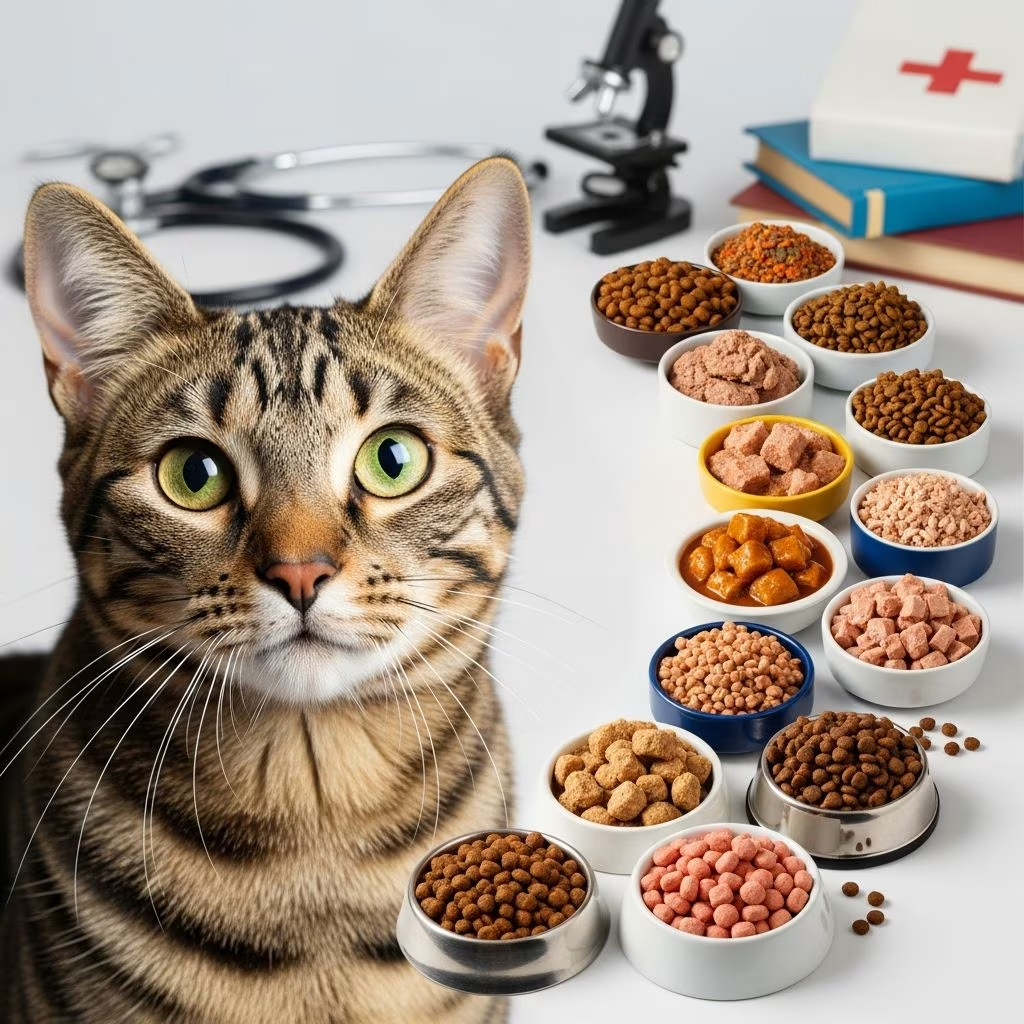
10 Best Cat Foods in 2025, Recommended By Vets
Feeding your cat a nutritious diet is one of the most important decisions you can make as a pet owner. A well-balanced diet supports your cat’s overall health, maintains a healthy weight, promotes a shiny coat, and helps prevent chronic diseases. However, with countless options available on store shelves and online, selecting the best cat food for your feline companion can feel overwhelming. Understanding what makes quality cat food and knowing your cat’s individual nutritional requirements are essential steps in making an informed choice.
What Makes the Best Cat Food?
There is no universal “best” cat food that works for every cat. The optimal choice depends on your cat’s unique needs, age, activity level, and any existing health conditions. However, certain characteristics distinguish high-quality cat food from mediocre options:
- Complete and Balanced Nutrition – The food should meet AAFCO standards and provide all essential nutrients your cat needs to thrive
- High-Quality Ingredients – Look for named protein sources like chicken, turkey, or fish rather than vague “meat by-products”
- Research-Backed Formulation – Reputable brands conduct clinical trials and studies to substantiate their nutritional claims
- Life Stage Appropriateness – Kittens, adult cats, and senior cats have different nutritional requirements
- Tailored to Health Needs – Specialized formulas exist for weight management, digestive health, and specific medical conditions
Essential Nutrients for Feline Health
Cats are obligate carnivores, meaning they require nutrients that are primarily found in animal tissue. Understanding these nutritional requirements helps you evaluate whether a cat food meets your pet’s needs:
Protein
Protein is the most critical nutrient in a cat’s diet. Cats require high-quality animal-based proteins containing essential amino acids, particularly taurine, arginine, and methionine. These amino acids are vital for maintaining healthy eyes, heart function, skin, coat quality, and overall growth and development. Look for cat foods that list specific named animal proteins like chicken, turkey, fish, or lamb as the primary ingredients.
Fat and Fatty Acids
Fat serves multiple important functions in a cat’s diet, providing essential energy, supporting skin and coat health, and enhancing food palatability. Omega-3 and omega-6 fatty acids, derived from sources like fish oil or hempseed oil, offer anti-inflammatory benefits and support cognitive function. Quality cat foods should contain at least 9% crude fat on a dry matter basis, sourced from named animal fats rather than generic sources.
Prebiotics and Probiotics
These beneficial compounds support gut health and strengthen your cat’s immune system. Prebiotics feed beneficial bacteria in the digestive tract, while probiotics introduce live beneficial microorganisms. A healthy gut microbiome improves nutrient absorption and reduces digestive issues.
Glucosamine and Chondroitin
These compounds work together with omega-3 fatty acids to reduce inflammation and support joint health. They are particularly important for aging cats and breeds prone to joint issues.
Fiber
Soluble and insoluble fiber support intestinal health, aid in digestion, and help prevent hairballs—a common concern for grooming cats. Fiber also promotes healthy weight management by increasing satiety.
Antioxidants
Vitamins E and C, along with other antioxidants, support immune system function and help combat age-related cellular damage.
Dry vs. Wet Cat Food: Making the Right Choice
Both dry and wet cat foods can provide complete and balanced nutrition. The best choice depends on your cat’s individual needs, preferences, and your budget considerations.
Wet Cat Food Benefits
Wet cat food, available in cans or pouches, contains approximately 65% moisture content. This high water content makes wet food an excellent choice for cats who don’t drink sufficient water independently. Proper hydration is crucial for cats prone to urinary tract disease, diabetes, or kidney disease. Wet food is also ideal for cats with dental problems or those who have difficulty chewing, as the soft texture requires minimal effort to consume. Additionally, wet food typically contains higher protein content and fewer carbohydrates compared to dry kibble, making it beneficial for weight management in some cases.
Dry Cat Food Benefits
Dry cat food offers distinct advantages for many cat owners. The convenience factor cannot be overstated—dry food is easy to measure, can be left out for grazing, and works perfectly with automatic feeders. Moisture content in dry kibble is typically less than 20%, providing a longer shelf life and making it more cost-effective than wet food. Dry food also requires less storage space and generates minimal waste. For budget-conscious pet owners seeking nutritionally complete options, quality dry foods can provide excellent value.
How We Choose the Best Cat Foods
The selection of top cat foods has been meticulously curated by a panel of veterinarians using comprehensive evaluation criteria:
- Brand Reputation – Established manufacturers with proven track records of safety and quality
- Clinical Trials and Science-Backed Research – Products supported by veterinary research and nutritional studies
- Ingredient Quality – Nutritional value, ingredient transparency, and absence of fillers or questionable additives
- Palatability – Whether cats actually enjoy eating the food, as nutrition means nothing if the cat refuses to eat
- Price – Value for money and affordability for different budget levels
Top Vet-Recommended Cat Food Brands
Several brands have earned widespread veterinary recognition for their commitment to quality nutrition and research-backed formulations. Purina Pro Plan stands out for its extensive veterinary research and specialized formulas addressing various health conditions. Hill’s Science Diet has a long-standing reputation in veterinary medicine, with many products specifically formulated for cats with medical conditions like prescription diet options. Royal Canin is renowned for its breed-specific and condition-specific formulations developed through rigorous scientific research.
Is Expensive Cat Food Really Better?
Many cat owners assume that higher price automatically indicates better quality. However, this assumption is not always accurate. Price is not necessarily an indication of quality cat food. The true indicators of quality include formulas supported by scientific research, expert-backed nutrition, and beneficial ingredients. While research-backed diets tend to cost more, some premium-priced foods lack the scientific foundation to justify their expense. Conversely, some reasonably-priced options deliver excellent nutrition backed by veterinary research. Focus on reading ingredient lists, understanding nutritional profiles, and choosing foods recommended by veterinarians rather than relying solely on price as a quality indicator.
Special Considerations for Different Life Stages
Kitten Nutrition
Growing kittens require specialized nutrition to support their rapid development. Quality kitten formulas contain more than 30 grams of protein, at least 9% fat, and elevated levels of calcium and phosphorus for bone development. These formulas are also enriched with vitamin B and other essential nutrients. Pregnant or lactating mother cats require kitten-formula foods to meet their increased caloric and nutritional demands.
Adult Cat Nutrition
Adult cats in good health require balanced nutrition that maintains their current weight and supports overall wellness. Adult maintenance formulas provide appropriate calorie levels and nutrient ratios for cats in their prime years.
Senior Cat Nutrition
Senior cats often benefit from formulas that support joint health, cognitive function, and kidney health. As cats age, they may experience dental issues, requiring consideration of food texture and moistness.
Making Homemade Cat Food
Some cat owners prefer preparing homemade meals for their feline companions. While homemade cat foods can be nutritious options, they require substantial effort, time, and financial investment. Creating a truly balanced homemade diet requires consultation with a veterinary nutritionist to ensure all essential nutrients are included in appropriate proportions. The safest and simplest way to meet your cat’s nutritional needs remains feeding high-quality, AAFCO-approved commercial cat food that has been formulated and tested for nutritional completeness.
Understanding Cat Food Labels
Reading cat food labels correctly is essential for making informed decisions. The product name indicates the primary ingredients, the nutritional adequacy statement confirms AAFCO approval for specific life stages, the ingredient list reveals components in order by weight, and the guaranteed analysis shows minimum protein and fat percentages along with maximum fiber and moisture content. Pay particular attention to the first few ingredients listed, as they comprise the bulk of the formula. Named animal proteins should feature prominently rather than vague terms like “meat meal” or “by-products.”
Key Takeaways for Selecting Quality Cat Food
When evaluating cat food options, prioritize formulas that feature named animal protein sources as primary ingredients, contain appropriate fat levels from quality sources, include beneficial additives like prebiotics and glucosamine, meet AAFCO nutritional standards, are backed by scientific research or clinical trials, and suit your cat’s specific life stage and health requirements. Remember that the best cat food for your pet combines nutritional excellence with your cat’s personal preferences and your household circumstances.
Frequently Asked Questions
Q: How often should I feed my cat?
A: Adult cats typically thrive on one or two meals daily, while kittens under six months should be fed three to four times daily. Establish a consistent feeding schedule to maintain digestive regularity and support metabolic health.
Q: Can I switch cat foods abruptly?
A: No, abrupt food changes can cause digestive upset. Transition gradually over 7-10 days by mixing increasing amounts of new food with the old food until the transition is complete.
Q: Is grain-free cat food necessary?
A: Grain-free food is not necessary for most cats. Cats can digest grains, and grain-free formulas often contain higher carbohydrate levels from other sources. Choose grain-free options only if your cat has specific allergies or sensitivities.
Q: What should I do if my cat is overweight?
A: Consult your veterinarian before making dietary changes. They may recommend weight management formulas with lower caloric density, increased fiber for satiety, and a structured feeding schedule combined with exercise.
Q: How can I tell if my cat’s food is causing digestive issues?
A: Signs of food sensitivities include vomiting, diarrhea, constipation, excessive gas, or skin problems. If you notice these symptoms, discuss potential dietary adjustments with your veterinarian.
Q: Should I give my cat supplements in addition to complete cat food?
A: Complete and balanced cat foods provide all necessary nutrients. Supplements are only recommended when specifically advised by your veterinarian for specific health conditions.
Q: How do I store cat food properly?
A: Store dry food in an airtight container in a cool, dry location. Wet food should be refrigerated after opening and consumed within 24-48 hours. Always provide fresh water daily regardless of food type.
References
- 10 Best Cat Foods in 2025, Recommended By Vets — PetMD. 2025. https://www.petmd.com/cat/vet-verified/best-cat-food
- Feline Nutrition – Best Diet for Domestic Cats — Papaya Veterinary Care. 2024. https://www.papayapet.com/resources/feline-nutrition/
- Cat Nutrition: What Makes a Nutritional Cat Food? — PetMD. 2024. https://www.petmd.com/cat/nutrition/cat-nutrition-what-makes-nutritional-cat-food
- Do Cats Need High-Protein Cat Food? — PetMD. 2024. https://www.petmd.com/cat/nutrition/do-cats-need-high-protein-cat-food
- Wet vs. Dry Cat Food: Vet-Approved Facts & Key Differences — Catster. 2024. https://www.catster.com/nutrition/dry-vs-wet-cat-food/
- 6 Best Vet Recommended Cat Foods (WASAVA Approved) — Cats.com. 2024. https://cats.com/vet-recommended-cat-food



