

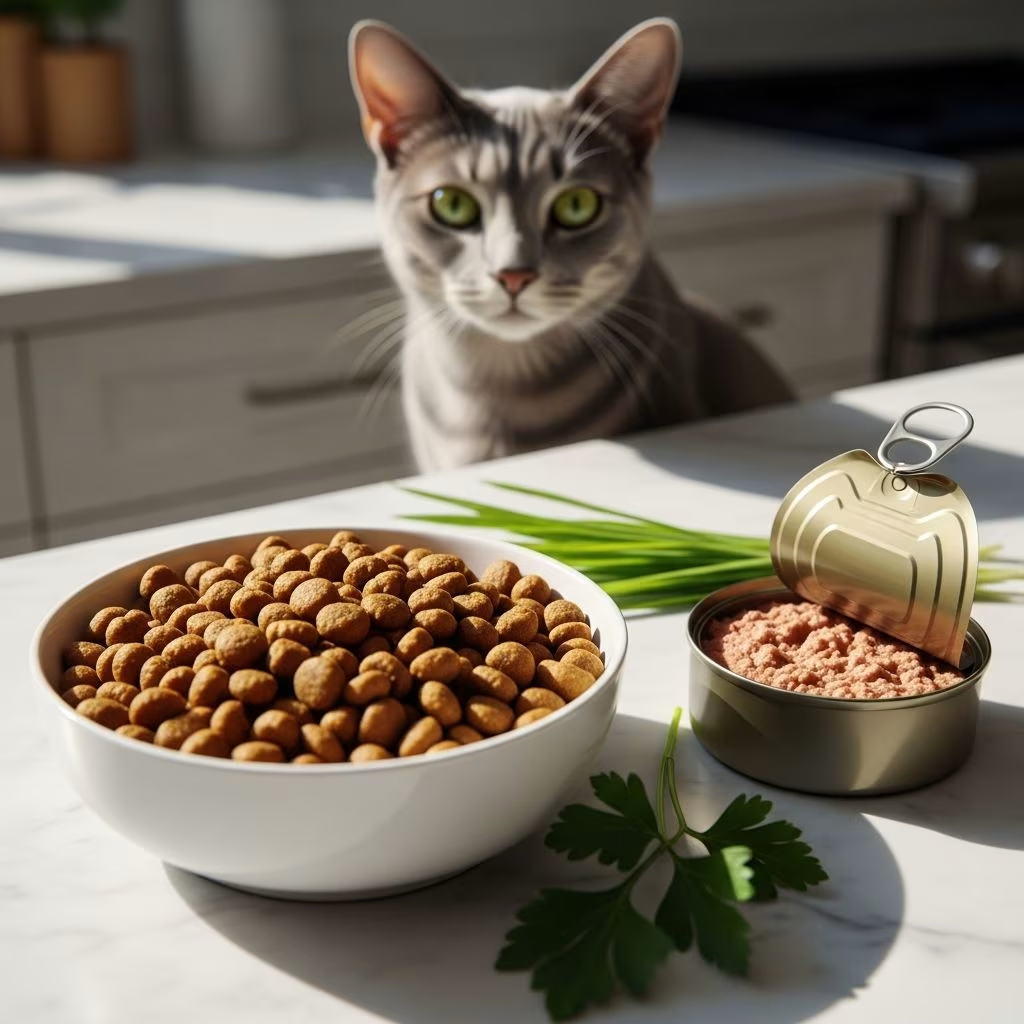
Best Cat Food: A Complete Nutritional Guide for Your Feline
Choosing the right food for your cat is one of the most important decisions you can make as a pet owner. Proper nutrition directly impacts your cat’s health, longevity, and quality of life. However, with countless cat food options available on the market, it can be challenging to determine which products truly meet your feline’s nutritional needs. This comprehensive guide will help you understand the essential nutrients cats require, the different types of cat food available, and how to select the best options for your specific pet.
Understanding Feline Nutritional Requirements
Cats are obligate carnivores, which means their bodies are uniquely adapted to obtain nutrients primarily from animal-based proteins. Unlike dogs and humans who are omnivores, cats have specific dietary requirements that differ significantly from other pets. Understanding these nutritional needs is fundamental to selecting appropriate food for your cat.
Protein Requirements for Cats
Protein is the most critical nutrient in a cat’s diet. Cats require substantially more protein than dogs because their metabolic processes depend on amino acids derived from animal proteins. For adult cat maintenance, the Association of American Feed Control Officials (AAFCO) mandates that cat food contain a minimum of 26% crude protein on a dry matter basis. For growing kittens and cats during reproduction, the minimum protein requirement increases to 30% on a dry matter basis.
When evaluating cat food labels, it’s important to convert the “as fed” protein percentages listed on packaging into dry matter basis for accurate comparison. This conversion accounts for the moisture content in the food, giving you a clearer picture of actual protein concentration.
Essential Amino Acids
Cats require 11 essential amino acids that must be obtained from their diet because their bodies cannot synthesize them in sufficient quantities. These essential amino acids include arginine, histidine, isoleucine, leucine, lysine, methionine, phenylalanine, threonine, tryptophan, valine, and taurine.
Taurine deserves special attention as it is the most critical amino acid for cats. This essential nutrient is found exclusively in animal-based protein sources such as meat, fish, and eggs. Taurine deficiency can lead to serious health complications, including dilated cardiomyopathy (a heart condition) and central retinal degeneration (which can cause blindness). Additionally, taurine is essential for reproduction, fetal growth, and survival in kittens. Because taurine is only found in animal-based proteins, cats must consume meat-based diets to meet their nutritional requirements.
Fats and Fatty Acids
While proteins provide essential amino acids, fats are the most energy-rich nutrient in your cat’s diet. Fats serve multiple critical functions beyond energy provision, including acting as transport molecules and helping conduct nerve impulses. Essential omega-3 and omega-6 fatty acids are particularly important for maintaining healthy skin and coat, promoting wound healing, and managing inflammation.
Cats have specific requirements for two omega-6 fatty acids: linoleic acid and arachidonic acid. Linoleic acid is found in appreciable amounts in vegetable oils such as corn and soy oil, but arachidonic acid is absent in vegetable oils and fats and is only found in fat from meat, poultry, and eggs. Unlike dogs, cats cannot readily convert linoleic acid to arachidonic acid, making direct dietary sources of arachidonic acid essential.
Vitamins and Minerals
In addition to protein and fat, cats require an appropriate balance of vitamins and minerals for optimal health. Cats need the following essential vitamins:
Fat-Soluble Vitamins: Vitamin A supports vision, bone and tooth growth, reproduction, and skin health. Vitamin D increases blood calcium and phosphorous levels for bone growth and maintenance. Vitamin E acts as an important antioxidant, and Vitamin K is necessary for normal blood clotting.
B-Complex Vitamins: Thiamin plays a role in carbohydrate metabolism, riboflavin releases energy from carbohydrates, fats, and proteins, and pantothenic acid is needed for metabolism of carbohydrates, fats, and certain amino acids. Niacin is necessary for processing fats, carbohydrates, and protein, while pyridoxine helps metabolize amino acids, glucose, and fatty acids. Folic acid is needed for DNA synthesis and methionine production, biotin helps make fatty acids and amino acids, vitamin B12 is required for fat and carbohydrate metabolism and nerve conduction, and choline functions as a neurotransmitter and part of cell membranes.
Essential minerals for cats include calcium and phosphorus for bone and tooth development and maintenance, potassium as an electrolyte for nerve function and heart rhythm, sodium and chloride for hydration and nerve impulse transmission, magnesium for enzyme function and metabolism, iron for oxygen transport, copper for iron absorption and skin pigmentation, manganese for metabolism and immune function, zinc for carbohydrate and protein metabolism, iodine for thyroid hormone production, and selenium as an important antioxidant.
While vitamins and minerals are found naturally in many cat food ingredients including animal tissues, vegetables, fruits, vegetable oils, seeds, and grains, it is almost impossible to provide all vitamins a cat needs at precisely the right levels without including a vitamin supplement in the manufacturing process.
Water Content Considerations
An often-overlooked aspect of feline nutrition is water intake. A cat’s normal prey contains approximately 70-75% water, which is significantly higher than most commercial cat foods. Dry kibble contains only 5-10% water, while canned foods contain approximately 78% water. This difference in water content is important when selecting among different food types.
Types of Cat Food
Understanding the different categories of commercial cat food can help you make informed decisions about what to feed your pet.
Dry Food (Kibble)
Dry cat food, commonly known as kibble, is one of the most popular and convenient options for cat owners. Dry food typically contains lower water content and is often more economical than other food types. However, it’s important to ensure that dry food is specifically formulated for cats and contains appropriate protein levels and essential nutrients. When feeding dry food, it can be offered free-choice, meaning food is available at all times, as much as the cat wants, whenever desired. This feeding method is most appropriate for dry food since it will not spoil if left out.
Canned Food
Canned cat food contains significantly more moisture than dry food, making it closer to the water content found in a cat’s natural prey. The higher water content can help support feline hydration, particularly for cats that don’t drink adequate amounts of water throughout the day. Canned food is typically more nutrient-dense and can be an excellent choice for kittens and adult cats. However, once opened, canned food should be refrigerated and used within a few days to prevent spoilage.
Raw and Homemade Diets
Some cat owners choose to feed raw or homemade diets. While these approaches can provide fresh, whole ingredients, they require careful planning to ensure nutritional adequacy. Homemade cat diets must be carefully formulated with veterinary guidance to ensure they meet all of your cat’s nutritional requirements and include appropriate levels of essential nutrients, particularly taurine.
Selecting Nutritionally Complete and Balanced Cat Food
When shopping for cat food, look for products labeled as “nutritionally complete and balanced” according to AAFCO standards. This designation ensures the food meets minimum requirements for essential nutrients. Reading food labels carefully is important, as nutritional information helps you compare products and ensure they meet your cat’s specific needs.
Key elements to examine on cat food labels include:
– Protein percentage on a dry matter basis (minimum 26% for adult cats, 30% for kittens and reproduction)
– Quality of protein sources (animal-based proteins listed as primary ingredients)
– Presence of essential amino acids, particularly taurine
– Appropriate fat levels and fatty acid content
– Complete vitamin and mineral supplementation
– AAFCO certification statement
Feeding Guidelines by Life Stage
Your cat’s nutritional needs vary depending on their life stage. Kittens require different nutrient ratios than adult cats, and senior cats may have special considerations.
Kitten Nutrition
Growing kittens are more sensitive to the quality of dietary protein and amino acid balance than adult cats. Kittens require higher protein levels and more calories per pound of body weight than adult cats to support growth and development. Kitten food should contain a minimum of 30% protein on a dry matter basis. During the weaning process, kittens gradually transition to solid food. By the time kittens are eight weeks old, 80-90% of their total nutrient intake should come from kitten food. Kittens can be fed free-choice when consuming dry kitten food or nutrient-dense kitten-formula canned food.
Adult Cat Nutrition
Adult cats should eat enough high-quality, nutritious food to meet their energy needs and to maintain and repair body tissues. The amount of food needed depends on your individual cat’s age, activity level, metabolism, and overall health status. In general, extreme hot or cold weather can increase a cat’s energy needs, so you may need to adjust portions seasonally.
Senior Cat Nutrition
Senior cats may have different nutritional requirements than younger adults. Some older cats may benefit from diets formulated specifically for their life stage, which might include adjusted nutrient ratios, different calorie levels, or enhanced joint support.
Common Cat Food Myths and Misconceptions
Several misconceptions exist about cat nutrition that can lead to poor feeding choices.
Dogs and Cats Have the Same Dietary Needs
This is false. Cats have significantly different dietary requirements than dogs. Cats require dietary sources of vitamin A, arachidonic acid, and taurine that dogs do not require. Cats also have higher requirement levels for some amino acids, such as arginine, and for the vitamins niacin and pyridoxine. Feeding a cat a diet formulated for dogs can result in serious nutritional deficiencies.
Plant-Based Proteins Are Adequate for Cats
This is also incorrect. While plant-based protein sources may be appropriate for omnivorous pets, cats require animal-based protein. Plant-based protein sources are devoid of taurine and do not provide the complete amino acid profile cats need. Cats must have some animal-based protein sources in their diet, or the diet must be supplemented with synthetic taurine.
Water and Hydration
Proper hydration is essential for feline health. Water bowls should be cleaned every day. Some cats prefer fresh, flowing water, and providing a cat water fountain may encourage increased water intake. Mixing wet food with your cat’s diet also contributes to overall water consumption, which is particularly beneficial for cats that don’t drink adequate amounts of plain water.
Reading and Understanding Cat Food Labels
Cat food labels contain important information to help you select appropriate products. The label must include an AAFCO statement certifying nutritional adequacy for your cat’s life stage. The guaranteed analysis section lists minimum percentages of crude protein and crude fat, and maximum percentages of crude fiber and moisture. Converting “as fed” values to dry matter basis allows for accurate comparison between different food types.
Transitioning to New Cat Food
When changing your cat’s food, transition gradually over 7-10 days to prevent digestive upset. Begin by mixing a small amount of new food with the current food, gradually increasing the proportion of new food while decreasing the old food. This slow transition helps your cat’s digestive system adapt to the new diet.
Frequently Asked Questions
Q: How much protein does my adult cat need?
A: According to AAFCO guidelines, adult cats require a minimum of 26% crude protein on a dry matter basis. Converting the “as fed” percentage on labels helps ensure you’re meeting this requirement.
Q: Why is taurine so important for cats?
A: Taurine is essential for normal heart function, vision, and reproduction. Deficiency can cause dilated cardiomyopathy and blindness. Taurine is only found in animal-based proteins, making meat-based diets essential for cats.
Q: Can cats be vegetarians?
A: No. Cats are obligate carnivores and require nutrients found only in animal products, particularly taurine. Vegetarian diets can cause serious nutritional deficiencies in cats.
Q: Is wet or dry food better for cats?
A: Both can be nutritionally adequate if properly formulated. Wet food contains more moisture, which supports hydration, while dry food is more convenient and economical. Many veterinarians recommend a combination of both.
Q: How often should I feed my cat?
A: Kittens should be fed multiple times daily (3-4 times), while adult cats typically do well with once or twice daily feeding. Free-choice feeding with dry food is also appropriate for many adult cats.
Q: What should I do if my cat has food allergies?
A: Consult your veterinarian to identify the specific allergen. Limited ingredient diets or prescription diets formulated to avoid common allergens may help. Your vet can recommend appropriate alternatives.
References
- Nutritional Requirements of Small Animals — Merck Veterinary Manual. 2024. https://www.merckvetmanual.com/management-and-nutrition/nutrition-small-animals/nutritional-requirements-of-small-animals
- Cat Nutrition: What Makes a Nutritional Cat Food? — PetMD. 2024. https://www.petmd.com/cat/nutrition/cat-nutrition-what-makes-nutritional-cat-food
- Cat Nutrition Tips — ASPCA. 2024. https://www.aspca.org/pet-care/cat-care/cat-nutrition-tips
- Feeding Your Cat — Cornell University College of Veterinary Medicine. 2024. https://www.vet.cornell.edu/departments-centers-and-institutes/cornell-feline-health-center/health-information/feline-health-topics/feeding-your-cat
- Nutrition – General Feeding Guidelines for Cats — VCA Animal Hospitals. 2024. https://vcahospitals.com/know-your-pet/nutrition-feeding-guidelines-for-cats
- Nutrition and Weight Management — American Animal Hospital Association. 2021. https://www.aaha.org/resources/2021-aaha-aafp-feline-life-stage-guidelines/nutrition-and-weight-management-2/
- Feeding Your Cat: Know the Basics of Feline Nutrition — Cat Info. 2024. https://catinfo.org



