

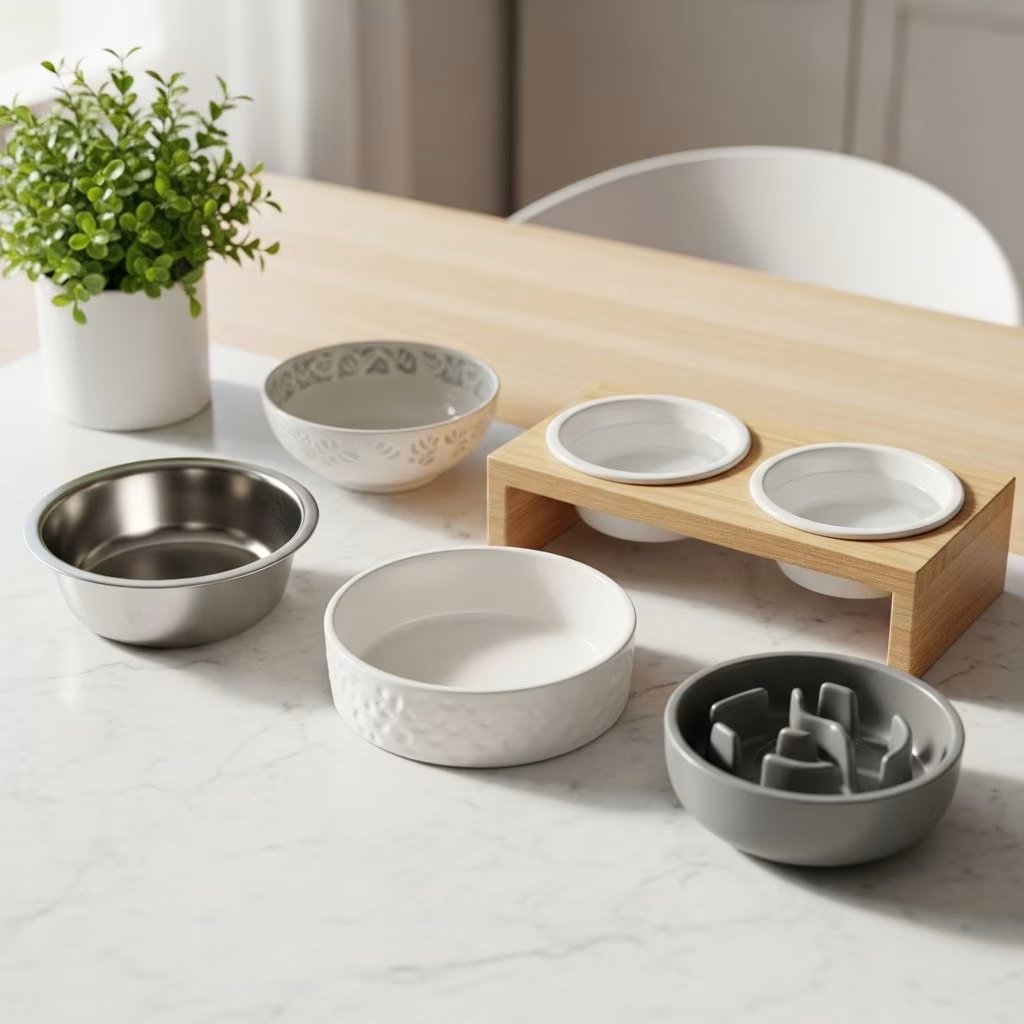
The Best Cat Bowls: Tried and Tested for Your Feline Friend
Choosing the right cat bowl might seem like a simple task, but it plays a crucial role in your pet’s overall health, comfort, and eating experience. The best cat bowl isn’t just about holding food and water—it’s about supporting your cat’s physical well-being, reducing stress during mealtime, and making cleanup easier for you. With countless options available in today’s pet care market, understanding what makes a quality cat bowl can help you make an informed decision that benefits both your feline companion and your household routine.
When selecting a cat bowl, you’ll want to consider multiple factors including the material composition, bowl design, height, capacity, and special features that address common feline health concerns. A well-chosen cat bowl can prevent whisker fatigue, reduce neck strain, minimize spills, and contribute to better digestion. Let’s explore everything you need to know about finding the perfect cat bowl for your pet’s unique needs.
Understanding Material Options for Cat Bowls
The material of your cat’s bowl is one of the most important decisions you’ll make, as it directly impacts durability, hygiene, and your pet’s safety. Different materials offer distinct advantages and disadvantages, so understanding each option will help you choose the best option for your situation.
Stainless Steel Bowls
Stainless steel is widely considered one of the best materials for cat bowls due to its numerous benefits. These bowls are nonporous, meaning they don’t trap bacteria or harbor pathogens that could make your cat sick. Stainless steel is also extremely durable, resistant to scratches, and typically dishwasher-safe for convenient cleaning. The smooth surface prevents biofilm accumulation, which is particularly important for cats prone to chin acne. Additionally, stainless steel bowls are lightweight yet sturdy, making them an excellent long-term investment for your pet’s feeding routine.
Ceramic Bowls
Ceramic bowls offer an attractive aesthetic appeal while providing hygienic dining for your cat. Like stainless steel, ceramic is nonporous and doesn’t harbor bacteria. These bowls are generally dishwasher-safe and available in numerous decorative designs and colors. The main consideration with ceramic bowls is that they can break if dropped, so they may not be ideal for households with very active or clumsy cats. Despite this potential fragility, many cat owners appreciate ceramic bowls for their elegant appearance and smooth surface that prevents bacterial growth.
Glass Bowls
Glass represents another hygienic option for conscientious pet owners. Glass bowls are nonporous, transparent (allowing you to monitor food and water levels), and typically dishwasher-safe. They don’t retain odors or stains and are completely safe for your cat. However, like ceramic, glass bowls can break if dropped, so careful handling is necessary. Glass bowls work particularly well in modern home settings where their appearance complements contemporary décor.
Materials to Avoid
While plastic bowls might seem convenient and affordable, they should generally be avoided as a primary feeding option. Plastic scratches easily, creating microscopic crevices where bacteria can accumulate and grow. Over time, biofilm develops on these scratched surfaces, potentially contributing to feline chin acne and other health issues. Additionally, some plastic bowls may contain BPA or other harmful chemicals. If you do choose plastic, ensure it’s labeled as BPA-free and replace it regularly to minimize bacterial buildup.
Design Features That Promote Feline Comfort
Beyond material selection, the actual design and shape of your cat’s bowl significantly influence their eating experience and long-term health.
Wide and Shallow Bowl Design
One of the most important design considerations is bowl width and depth. Many cat owners traditionally select narrow, deep bowls thinking they’re practical, but these designs force cats to insert their faces deep into the bowl to access food. This positioning creates discomfort and contributes to a condition called whisker fatigue. Your cat’s whiskers are sensitive sensory organs that detect environmental changes and spatial boundaries. When whiskers are constantly bent inward during eating, it causes stress and discomfort. Wide, shallow bowls allow cats to eat comfortably while keeping their whiskers relaxed, making mealtime a more pleasant experience for your feline friend.
Elevated and Tilted Designs
Elevated cat bowls position food and water at an ergonomic height, reducing strain on your cat’s neck and joints. This design is particularly beneficial for senior cats, kittens, or cats with mobility issues, arthritis, or other joint problems. Elevated bowls can also aid digestion by allowing food to travel more efficiently from the mouth to the stomach, potentially reducing vomiting episodes. Some elevated bowls feature a tilted design, angling the bowl at approximately 15 degrees, which further enhances comfort and reduces the need for cats to bend their necks unnaturally.
Non-Slip Bases and Anti-Spill Technology
A quality cat bowl should feature a non-slip base with rubber feet or a textured bottom surface. This prevents the bowl from sliding across floors during meals, which can be frustrating for your cat and messy for your home. Non-slip features keep the bowl stationary, allowing your cat to focus on eating without chasing their bowl around the room. Some premium bowls incorporate anti-spill technology that minimizes water splashing or food particles escaping during meals, making cleanup significantly easier.
Capacity and Portion Control Considerations
Selecting the appropriate bowl size depends on your cat’s age, appetite, and feeding habits. Kittens typically need smaller bowls, while adult cats benefit from bowls with adequate capacity for their daily portions. When choosing a bowl size, consider:
– Your cat’s typical serving size and eating schedule- Whether you’re using the bowl for dry food, wet food, or both- How frequently you refill the bowl during the day- Your cat’s tendency to eat quickly or graze throughout the day
For cats requiring portion control due to weight management, selecting a bowl with clear size markings can help you maintain consistent serving sizes and monitor your cat’s caloric intake more effectively.
Special Considerations for Different Cat Needs
Cats with Whisker Sensitivity
If your cat exhibits signs of whisker fatigue—such as reluctance to eat, behavioral changes around mealtime, or slow eating—investing in a whisker-friendly bowl is essential. These specially designed bowls feature extra-wide, shallow designs that prevent whiskers from touching bowl edges during eating. Many whisker relief bowls combine this design with hygienic materials like stainless steel or ceramic for optimal results.
Senior Cats and Mobility Challenges
Older cats often experience arthritis and joint stiffness, making it difficult to bend down to floor-level bowls. Elevated feeders are particularly valuable for senior cats as they reduce physical strain during meals and promote better posture. The ergonomic positioning can improve overall comfort and encourage consistent eating habits in aging felines.
Active Eaters and Messy Cats
Some cats are enthusiastic eaters who scatter food or push their bowls around. For these pets, consider bowls with deeper sides, spill-catching trays underneath, or placement mats that contain messes. These features protect your flooring and make cleanup less time-consuming.
Cleaning and Maintenance
Proper bowl maintenance is crucial for your cat’s health. Dishwasher-safe bowls make regular cleaning convenient and thorough. Daily handwashing is also acceptable, using hot water and pet-safe soap. Regularly inspect bowls for cracks, chips, or scratches, particularly with ceramic or glass options. For stainless steel bowls, occasional polishing maintains their appearance and ensures they remain hygienic. Replace bowls showing signs of significant wear or damage to prevent bacterial accumulation and potential injuries.
Comparison of Popular Cat Bowl Types
| Bowl Type | Material | Best For | Pros | Cons |
|---|---|---|---|---|
| Standard Stainless Steel | Stainless Steel | General feeding | Durable, hygienic, dishwasher-safe, lightweight | Can be noisy, may show water spots |
| Ceramic | Ceramic | Aesthetically conscious owners | Attractive designs, hygienic, nonporous | Fragile, can break or chip easily |
| Elevated Feeders | Various materials | Senior cats, joint issues | Reduces strain, aids digestion, ergonomic | Takes up more space, potentially more expensive |
| Whisker Relief | Various materials | Sensitive whisker cats | Wide and shallow, reduces whisker stress | May require specific placement |
| Automatic Feeders | Stainless steel/plastic | Busy owners, portion control | Timed meals, portion control, convenient | Requires electricity, may be complex |
Top Features to Look for When Selecting Cat Bowls
When shopping for new cat bowls, prioritize these key features:
– Hygienic Material: Choose stainless steel, ceramic, or glass over plastic- Non-Porous Surface: Prevents bacterial growth and biofilm accumulation- Wide, Shallow Design: Reduces whisker fatigue and eating discomfort- Non-Slip Base: Keeps bowl stable during meals- Appropriate Size: Matches your cat’s serving needs and eating habits- Dishwasher-Safe: Makes regular cleaning convenient- Durable Construction: Withstands daily use and frequent washing- Ergonomic Height: Consider elevated options for senior or mobility-challenged cats
Creating an Optimal Feeding Station
Beyond selecting the perfect bowl, consider your cat’s overall feeding environment. Place the bowl in a quiet, accessible location away from high-traffic areas. Water bowls should be positioned separately from food bowls, as cats naturally prefer drinking water away from their food source. Many cats appreciate their feeding station being in a consistent location, which reduces stress and establishes a comfortable routine. For multiple-cat households, ensure each cat has access to their own bowls to prevent territorial disputes and health issues related to eating competition.
Budget Considerations and Value
Quality cat bowls don’t always require premium pricing. While stainless steel and ceramic options may initially cost more than plastic alternatives, their durability and longevity provide better value over time. A well-made bowl that lasts for years represents a more economical choice than frequently replacing damaged or bacteria-harboring plastic bowls. Consider your investment in quality bowls as contributing to your cat’s overall health and wellness, which may reduce future veterinary expenses related to digestive issues or chin acne.
Frequently Asked Questions About Cat Bowls
Q: What size bowl is best for my cat?
A: Bowl size depends on your cat’s age and appetite. Kittens and small cats typically need smaller bowls (4-8 ounces), while adult cats generally do well with 8-12 ounce bowls. Consider your cat’s eating habits and serving sizes when selecting capacity.
Q: Can elevated bowls help with vomiting?
A: Yes, elevated bowls can potentially reduce vomiting by promoting better digestion through improved posture and allowing food to travel more efficiently from mouth to stomach. However, if your cat experiences frequent vomiting, consult your veterinarian to rule out underlying health issues.
Q: How often should I replace my cat’s bowl?
A: Inspect bowls regularly for damage and replace them if you notice cracks, chips, scratches, or persistent stains that don’t wash away. Typically, quality stainless steel bowls can last several years with proper care.
Q: Are water fountains better than regular water bowls?
A: Water fountains can encourage cats to drink more water, which promotes hydration and urinary health. However, regular bowls work well for many cats. Choose based on your cat’s preferences and drinking habits.
Q: Why does my cat knock over her bowl?
A: Cats may knock over bowls due to sliding or instability. Selecting a bowl with a non-slip base and rubber feet prevents this behavior. Some cats also move bowls intentionally as play behavior.
Q: Is plastic ever acceptable for cat bowls?
A: While BPA-free plastic bowls are safer than older plastic options, stainless steel, ceramic, or glass are generally better choices due to their resistance to bacteria accumulation and scratching.
Q: Do cats prefer one type of bowl over another?
A: Cats have individual preferences. Many prefer wide, shallow bowls that don’t force their whiskers inward. Senior cats often appreciate elevated feeders for comfort. Observe your cat’s behavior to determine their preference.
Q: Should I use the same bowl for food and water?
A: It’s ideal to use separate bowls for food and water, as cats naturally prefer drinking away from their feeding area. This also allows you to monitor water consumption separately.
References
- Cat Bowls & Dishes: Cat Water & Food Bowls — Chewy. 2024. https://www.chewy.com/b/bowls-dishes-1425
- The 8 Best Cat Bowls In 2025 (Purchased and Tested) — Cats.com. 2024. https://cats.com/best-cat-bowls
- Cat Bowls, Dishes, Fountains & Feeders (Free Shipping) — Chewy. 2024. https://www.chewy.com/b/cat-feeding-and-water-supplies-394
- Cat Elevated Bowls – Low Prices (Free Shipping) — Chewy. 2024. https://www.chewy.com/b/elevated-cat-bowls-1426



