

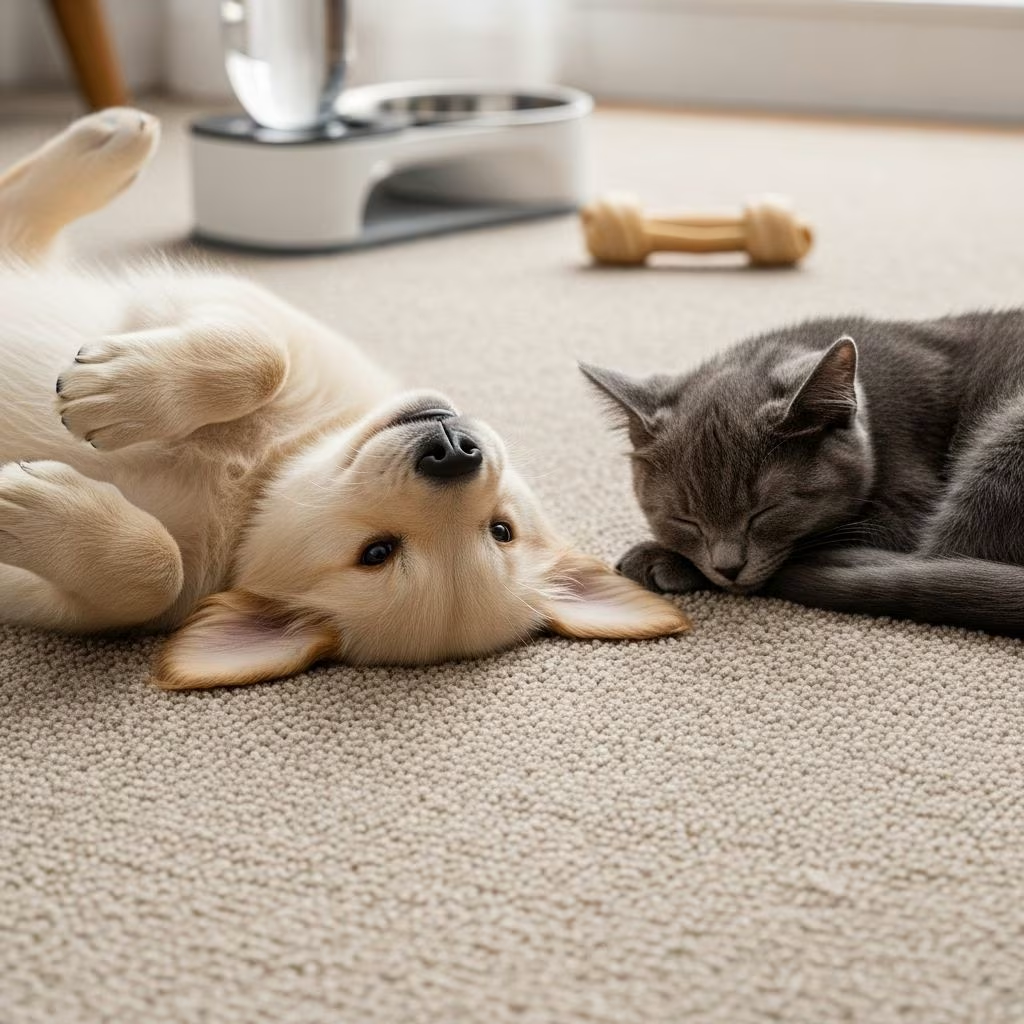
Choosing the best carpet for pets in your home can significantly reduce the stress of managing spills, stains, and odors while keeping your furry companions comfortable and safe. Pet owners often worry that carpet is incompatible with their four-legged friends, but modern advancements in carpet technology have made it possible to enjoy beautiful, durable flooring that stands up to the demands of pet ownership. When you select the right carpet, you create an environment that is easier to maintain, less prone to staining, and more comfortable for your pets to walk on—resulting in both a cleaner home and happier animals.
Why Carpet Choice Matters for Pet Owners
Carpet choice really does matter when you have pets, because our furry friends can cause stains, spills, smells, and above-normal wear and tear. According to veterinary experts, pets spend considerable time on flooring, and the right carpet selection can make a significant difference in both maintenance and comfort. Pets can leave behind hair, dander, accidents, and dirt that regular hardwood or tile floors cannot absorb or hide as easily. Additionally, certain carpet types can cause physical discomfort to your pets—some carpets snag on their delicate paw pads or can trap debris that leads to skin irritation.
While there’s no such thing as completely pet-proof carpet, you can opt for one that is easier to clean, less likely to stain or snag, and more durable under the demands of pet ownership. Understanding the key characteristics that make a carpet pet-friendly is the first step toward making the right choice for your household.
Essential Characteristics of Pet-Friendly Carpet
Low-Pile Carpet: The Expert Recommendation
Low-pile options are considered the best carpet for pets by veterinary and cleaning professionals. The pile refers to the height and density of the carpet fibers. Low-pile carpets have short, compact fibers that sit close to the backing, making them significantly easier to clean and maintain than their high-pile counterparts. These carpets are less likely to trap pet hair, dander, and debris, and they’re considerably easier to vacuum effectively. The shorter fibers mean that when your vacuum runs over the surface, it can reach and remove more material in a single pass, keeping your home fresher longer.
In contrast, high-pile carpets sit tall and feature large, loose loops that create depth and plushness but become problematic in pet homes. These tall fibers trap pet hair and odors more easily, making thorough cleaning more difficult. Additionally, the large loops can snag on your pet’s nails, causing discomfort to your animal and damage to the carpet itself.
Synthetic Fiber Materials
When it comes to carpet fiber selection, synthetic materials are far superior to natural fibers for pet-friendly homes. Cleaning professionals consistently recommend synthetic fibers that offer durability while remaining affordable. The recommended synthetic pet-friendly carpet options include:
- Nylon: Known for exceptional durability and stain resistance
- Polyester: Offers good softness with decent durability
- Triexta: A combination of nylon and polyester that balances durability and comfort
- Polypropylene/Olefin: Budget-friendly with solid resistance to moisture and stains
Natural fibers like wool should be avoided in pet households. Wool is not ideal for homes with animals because clients with natural-fiber carpets and pets struggle significantly to pick up pet hair, dander, and other pet-related stains. Wool is much more difficult to clean, and common cleaning products should be avoided on it, which severely limits your maintenance options. The investment in wool carpet is rarely worthwhile for pet owners due to these challenges.
Stain Resistance and Durability
Modern pet-friendly carpets feature advanced manufacturing technologies that provide excellent stain resistance and durability. Many premium pet-friendly carpet brands include built-in stain protection that makes cleanup easier, even after accidents. Some carpets come with specialized backings like Lifeguard™ that prevent stains and spills from penetrating through to the carpet padding and subfloor—offering comprehensive protection for your home.
Durability is equally important, as pet playtime can take a significant toll on carpets, particularly in high-traffic areas like living rooms and hallways. Carpets made from strong fibers like Anso nylon or those featuring advanced technologies like Shaw’s RX Stain & Soil technology stand up to the wear and tear of everyday pet life. When pets run, play, and spend time on carpets daily, you need materials that can withstand this activity without showing excessive wear.
Odor Control Features
Beyond stain resistance, odor control is a critical feature for pet-friendly carpets. Some premium carpet options feature charcoal-infused padding that neutralizes animal smells, preventing your furry friend from repeatedly returning to the same spot for accidents. This technology is particularly valuable for homes with multiple pets or for managing lingering odors that develop over time.
Specific Carpet Types and Pile Styles
Loop Pile Carpet
Loop pile carpet features tightly woven loops that offer superior stain resistance in high-traffic areas like entryways and living rooms. However, pet owners must be mindful when choosing loop pile options. Your pet’s claws can get stuck in the loops, creating an uncomfortable situation for your animal. Additionally, active dogs or cats can rip up the loops in the carpet, causing permanent damage. If you choose loop pile, use a suction-only vacuum to avoid exacerbating these issues. Many pet owners find that the drawbacks of loop pile outweigh the benefits for homes with active pets.
Cut Pile Carpet
Cut pile carpet might be your best bet if you’re looking for a softer, more plush feel without the snagging issues associated with loop pile. It’s cozy and inviting, making it a great choice for spaces like bedrooms and living rooms where pets like to nap and lounge. For extra resilience and durability, choose cut pile carpets with a tighter twist—they’ll be more durable in the long run and better able to withstand pet activity. Cut pile options avoid the claw-snagging problems entirely, making them a safer choice for your pets’ comfort.
Soft Carpet for Senior Pets
While low-pile carpets are often denser and less soft in general, some are softer than others and may be best for pets in their golden years. If your pet is older and/or has mobility issues, having a soft carpet is key to prevent slips and falls. Any carpet is better than hardwood and tile for senior patients, as these hard surfaces can be uncomfortable and unsafe for aging animals with joint issues or balance problems. Extra padding underneath the carpet can also help create additional softness and cushioning for elderly pets.
Strategic Color and Pattern Selection
Colors and patterns might seem like a minor consideration, but the right choice can significantly impact how well your carpet hides soil and pet hair. Try to match the color of your carpet with the hair color of your pet(s)—a brown-coated dog pairs well with tan or beige carpeting, while gray or black pets look less visible on darker carpet tones. Patterned carpets can also be highly effective at concealing both pet hair and stains. Patterns and textures naturally hide imperfections better than solid colors, meaning your home will appear cleaner and better maintained between professional cleanings.
Alternative Flooring Solutions
Washable Rugs
If you already have carpet installed or want to keep hard floors in your home, consider adding a washable rug on top to increase protection and softness on your floors. Several brands offer machine-washable rugs that you can simply pop into the washing machine when dirty to make them as good as new. This option provides an additional layer of protection for your existing carpet or hard floors while also allowing for easy, frequent cleaning. Washable rugs are particularly useful for high-traffic pet areas or spaces prone to accidents.
Carpet Tiles
Another option to consider, especially for mess-prone pets, is carpet tiles. These are installed in smaller pieces, similar to regular ceramic tiles. This approach gives you the ability to remove and replace a single tile if your pet makes a mess that doesn’t come clean. Carpet tiles offer incredible flexibility—if one section becomes stained or damaged, you’re only replacing that small section rather than the entire carpet. This makes them an economical choice for homes with young puppies, senior pets prone to accidents, or multiple pets.
Carpets To Avoid if You Have Pets
High-Pile Carpet
Avoid carpets that are high-pile, which are harder to deep-clean and maintain. These carpets also have large loops that can snag on your pet’s nails, causing discomfort to them and damage to the carpet itself. The depth of high-pile carpet means dirt and pet hair become embedded deep within the fibers, making them difficult to remove even with powerful vacuuming. The snagging issue is particularly problematic for active pets that spend significant time on the carpet.
Natural Fiber Carpets
Steer clear of carpets made from natural fibers like wool, as these are much more difficult to clean. Common cleaning products should be avoided on natural fiber carpets, which severely limits your cleaning options when accidents occur. The investment in natural fiber carpet is rarely justified for pet owners given these significant limitations.
Maintenance and Care Best Practices
Regardless of which pet-friendly carpet you choose, regular maintenance is essential for longevity and hygiene. Vacuum regularly with a Carpet and Rug Institute-approved model to keep carpet looking newer longer. Staying on top of accidents and routine cleaning makes all the difference in maintaining both the appearance and health benefits of your carpet. Professional deep cleaning should be performed periodically to remove embedded pet hair, dander, and odors that regular vacuuming cannot address.
Frequently Asked Questions About Pet-Friendly Carpet
Q: Is there carpet that repels dog urine?
A: Yes, synthetic-fiber carpets with a hydrophobic finish or waterproof backing can repel moisture and resist stains, including from dog urine. While they’re not completely urine-proof, this type of carpet may be preferred in homes where a lot of dog accidents occur because it makes cleanup much easier. These specialized backings prevent liquids from penetrating to the padding and subfloor, protecting your home’s structural integrity.
Q: Is there such a thing as pet-proof carpet?
A: There is no such thing as a completely “pet-proof” carpet, but choosing one that is pet-friendly can help with its maintenance and longevity. Pet-friendly options include carpets that are stain-resistant, durable (such as nylon or polyester), and low-pile with tightly woven threads. Medium- and dark-colored carpets will also conceal more wear and tear over time, maintaining a better appearance even as years pass.
Q: What pile height is best for pets?
A: Low-pile carpet is consistently recommended by experts as the best option for pet homes. Low-pile carpets have short fibers that are easier to clean, less likely to trap pet hair, and simpler to vacuum effectively. They also reduce the risk of pet claws snagging on the fibers, which can cause discomfort to your pets and damage to the carpet.
Q: Can older or senior pets live comfortably on carpet?
A: Yes, carpet is often better for senior pets than hard flooring. Softer carpets with extra padding provide cushioning that helps prevent slips and falls for pets with mobility issues. The added comfort and traction that carpet provides makes it an excellent choice for aging animals that may struggle with the slickness of hardwood or tile.
Q: What are the best synthetic fibers for pet carpet?
A: The best synthetic fibers for pet homes include nylon for exceptional durability, polyester for a softer feel, triexta for a balanced combination of both, and polypropylene/olefin for budget-conscious pet owners. Each offers advantages in stain resistance, durability, and ease of cleaning. Consult with carpet specialists to determine which fiber best matches your specific needs and budget.
Conclusion
Choosing the best carpet for your pet-filled home doesn’t mean sacrificing comfort, style, or durability. By selecting low-pile, synthetic-fiber carpets with stain-resistant technology and appropriate color choices, you create an environment that works for both you and your furry companions. Whether you opt for traditional carpet installation, washable rugs, or carpet tiles, today’s pet-friendly flooring options make it possible to enjoy beautiful, easy-to-maintain floors. Combined with regular vacuuming and prompt attention to accidents, the right carpet choice can transform your home into a clean, comfortable space where both pets and humans thrive. Pets are the greatest, and with proper carpet selection and maintenance, stains and odors no longer need to be a concern.
References
- What’s the Best Carpet for Pets? Experts Weigh In — Chewy. 2024. https://www.chewy.com/education/cat/general/best-carpet-for-pets
- Pet-Friendly Carpet Guide — Floor Coverings International. 2024. https://floorcoveringsinternational.com/tips/pet-friendly-carpet-guide/
- Carpet and Rug Institute Vacuum Standards — The Carpet and Rug Institute. 2024. https://www.carpet-rug.org
- Paws on Carpet: What is the Best Carpet for Pets? — Carpet and Rug Institute. 2023. https://carpet-rug.org/paws-on-carpet-what-is-the-best-carpet-for-pets/



