

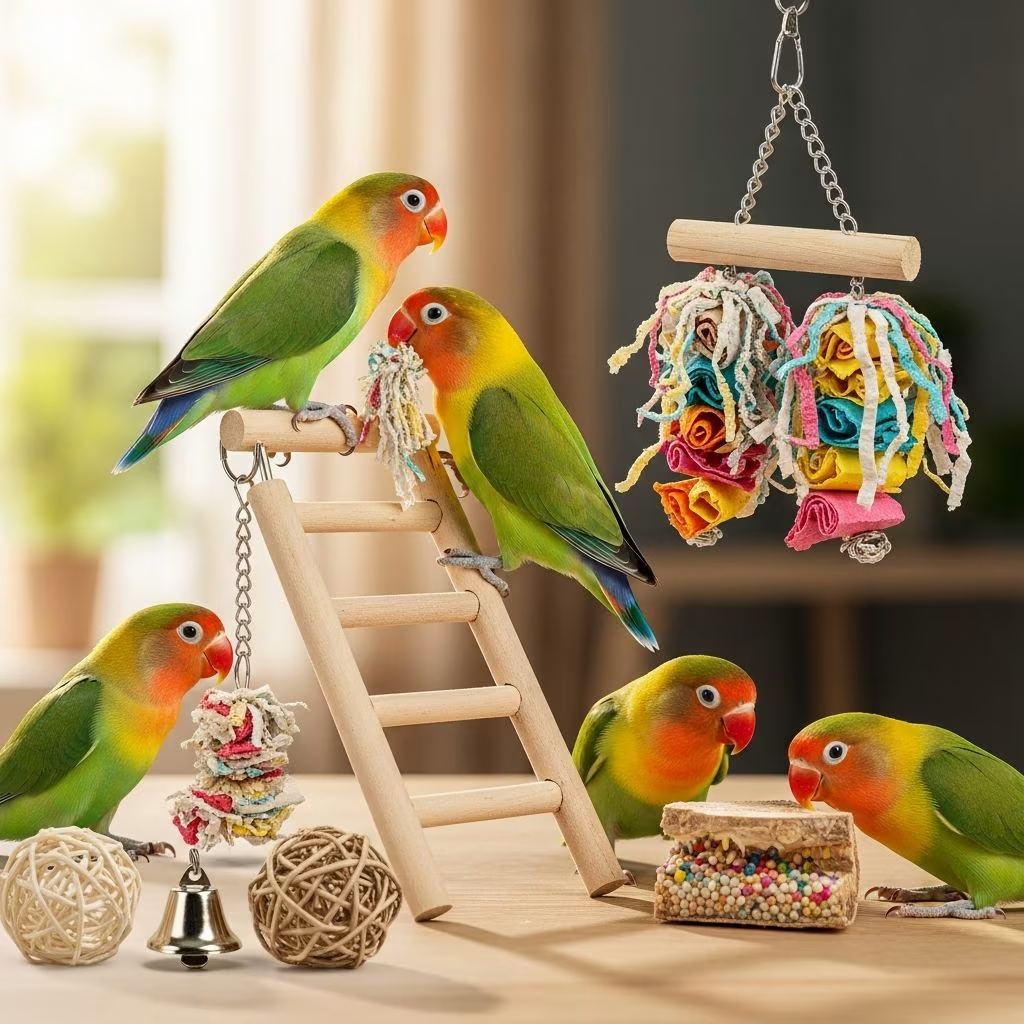
Understanding Your Lovebird’s Toy Needs
Lovebirds are intelligent, active birds that require mental and physical stimulation to thrive in captivity. These small parrots possess natural instincts to forage, climb, chew, and interact with their environment, and providing appropriate toys is essential to their overall wellbeing. Without adequate enrichment, lovebirds can develop destructive behaviors including feather plucking, excessive vocalization, and aggression. Toys play a crucial role in preventing boredom and maintaining your lovebird’s physical health and emotional happiness.
The right toys encourage your lovebird to engage in natural behaviors that keep them physically fit and mentally engaged. Whether you’re a new lovebird owner or looking to expand your bird’s toy collection, understanding the different types of toys available can help you make informed decisions about what will best benefit your feathered companion.
Start with Foot Toys
Foot toys represent an excellent starting point for any lovebird’s toy collection, regardless of the bird’s age or experience level. According to bird enrichment experts, foot toys should often be one of the first toys introduced to a lovebird, even before your bird has fully learned to perch. These small, manageable toys introduce safe play using both the feet and beak, contributing significantly to the development of coordination and motor skills.
Foot toys are typically compact and lightweight, allowing your lovebird to grasp them with their feet or manipulate them with their beak. Simple designs like a piece of plastic rope with a knotted bead or a tiny wooden dumbbell can provide hours of entertainment. The JW Pet Activitoy Birdie Guitar Toy serves as an excellent example of a quality foot toy that combines engaging design with durability.
To maximize enrichment, offer your lovebird a daily rotating basket of different foot toys. This variety prevents habituation and keeps your bird engaged with fresh options. The tactile experience of handling foot toys helps develop your lovebird’s dexterity and coordination, skills that translate to better landings during flight and improved overall agility.
Ring in the Fun with Sound-Related Toys
Sound-related toys tap into your lovebird’s natural instinct to communicate and interact with their environment. These toys create an auditory dimension to play that many lovebirds find particularly engaging and entertaining. Bells represent the most common and easily accessible sound-related toy option, and modern bird-safe bell designs have improved significantly to prioritize safety.
Modern bird-safe liberty bells now feature one-piece clappers that safely drop to the floor when your lovebird manipulates them, reducing the risk of injury. Beyond traditional bells, plastic pipe bells, rattles, and clackers with hard plastic beads offer sound production while creating less noise than metal alternatives, making them suitable for household environments where noise reduction is desirable.
Lovebirds naturally use toys with cavities or hollow spaces for resonating and creating sounds through chirping and vocalization. The JW Pet Activitoy Birdie Disco Ball Toy exemplifies this category, providing both visual appeal and acoustic properties that encourage your bird to interact and vocalize in natural ways.
Throw in Some Action with Interactive Toys
Interactive toys appeal to your lovebird’s intellectual and emotional needs by providing cognitive challenges and engaging activities. These toys are typically constructed from indestructible or difficult-to-destroy materials that can withstand vigorous manipulation while maintaining their structural integrity. The design philosophy behind interactive toys incorporates elements that capture and maintain your bird’s attention through various mechanisms.
Foraging toys represent a cornerstone of interactive enrichment for lovebirds. Whether foraging functions as the toy’s primary purpose or plays a secondary role in the overall design, these toys offer extended play opportunities and mental engagement. Many lovebird owners encourage foraging instincts simply by clipping a spray of millet in an unexpected location within the cage, creating spontaneous opportunities for their birds to search and discover. Kaytee Natural Spray Millet Bird Treats provide a convenient option for this type of enrichment.
Mirrors represent another important category of interactive toys. Lovebirds are visually stimulated creatures, and shiny acrylic or stainless-steel mirrors create engaging visual experiences. Modern bird-safe mirrors feature inaccurate or distorted reflections where the bird can perceive movement without recognizing another bird, making them behaviorally superior to traditional clear mirrors. The JW Pet Activitoy Birdie Bowling Toy combines an interactive game element with a shiny mirror feature, encouraging your bird to engage with the toy’s bowling pin elements while enjoying the visual stimulation of the reflective surface.
Fun and Fitness Through Exercise Toys
Exercise toys hold particular importance for lovebirds with trimmed wing feathers, as they provide alternative means for maintaining physical fitness and mental wellbeing. A healthy lovebird requires regular physical activity to maintain muscle tone, cardiovascular health, and emotional stability. Exercise toys help compensate for reduced flight capacity while providing engaging activities that simulate natural movement patterns.
Swings represent one of the most popular exercise toys for lovebirds, and many birds display remarkable enthusiasm for swinging. Lovebirds exhibit varied swinging styles: some swing front to back in a traditional pendulum motion, while others prefer side-to-side or circular swinging patterns. The JW Pet Activitoy Birdie Olympia Rings Toy accommodates these different movement preferences through its flexible design.
Large spirals and bridges constructed from stiff cotton rope provide extended climbing, swinging, and bouncing opportunities. The Super Bird Creations Rainbow Bridge Toy exemplifies this category, offering a structural element that encourages multiple types of movement and exploration. Bridges and boings placed strategically over other toys create interesting presentation opportunities while simultaneously increasing overall exercise potential.
Exploring Destructible and Shredding Toys
Shredding toys cater to your lovebird’s natural urge to chew and dismantle objects, serving as excellent stress relievers and sources of enrichment. Birds derive significant satisfaction from the process of destruction itself, and shredding toys allow them to engage this instinct safely within the cage environment. Many lovebirds display remarkable shredding speed, often destroying toys faster than owners can replace them, which actually indicates healthy engagement with enrichment activities.
Chewable foraging toys like the Beaker Sneaker and Shred & Spin Box require your lovebird to work through various textures and materials to access hidden rewards. This combination of chewing, problem-solving, and reward-seeking creates a multifaceted enrichment experience that addresses multiple natural behaviors simultaneously.
Wood and rope toys specifically target your lovebird’s natural chewing and preening urges while promoting beak health. The Beaded Triangle features soft cotton rope for preening activities alongside wooden elements for chewing, providing comprehensive enrichment. Willow and palm toys offer another excellent option, featuring materials that lovebirds can pick at, pull apart, and gradually unravel while chewing to pieces, creating an engaging destructive activity.
Coconut and cactus toys, made from agave or cactus wood, provide fibrous materials that lovebirds enthusiastically pick at and shred. The Bird Kabobs range offers appropriately-sized options with extensive fiber content perfect for small parrots. Cardboard and paper toys specifically designed for shredding include options like the Birdie Bangles range, which features soft cardboard pipes and rings that your lovebird can shred into progressively smaller chunks.
Additional Toy Types for Complete Enrichment
Beyond the primary toy categories, several additional types contribute to comprehensive enrichment. Acrylic and metal toys offer enhanced durability and longevity for lovebirds that are particularly aggressive chewers, providing toys that resist destruction while maintaining engagement over extended periods.
Climbing toys like the Coloured Bendy Ladder can be repositioned into multiple configurations, allowing your lovebird to walk across and explore different shapes and arrangements. The Parrot Orbit, constructed from cotton rope, provides a gentle climbing surface while simultaneously offering preening opportunities as your lovebird manipulates the rope fibers.
Activity and trick toys stimulate your lovebird both physically and mentally while providing opportunities for interactive play between you and your bird. These toys facilitate quality bonding time while encouraging your lovebird to develop new skills and overcome challenges.
Important Considerations for Toy Selection
When selecting toys for your lovebird, avoid placing snuggle toys that might over-stimulate your bird hormonally. Female lovebirds in particular may have increased reproductive responses to overly cuddly toys, potentially leading to inappropriate egg production or behavioral issues. Instead, focus on engaging toys that provide mental and physical stimulation without inappropriate hormonal triggers.
Safety should always remain your primary consideration when choosing toys. Select toys specifically designed for birds, made from bird-safe materials, and free from toxins or hazardous components. Regularly inspect toys for signs of wear or damage, and remove any damaged toys immediately to prevent injury.
Rotation is key to maintaining your lovebird’s interest. Rather than providing all toys simultaneously, rotate your bird’s toy collection regularly. This prevents habituation and keeps your lovebird engaged and curious about their environment. A bird toy today becomes routine tomorrow, but if stored away and reintroduced after a period, it regains its novelty and appeal.
The Role of Toys in Behavioral Health
Providing adequate toys directly impacts your lovebird’s behavioral and emotional wellbeing. Enriched birds display fewer behavioral problems and demonstrate better overall health outcomes compared to birds with inadequate stimulation. Toys encourage natural behaviors like foraging, chewing, climbing, and problem-solving, which simultaneously provide physical exercise and mental engagement.
The combination of exercise and mental stimulation prevents obesity, a serious health concern in captive birds, while simultaneously reducing the risk of destructive behaviors associated with boredom and understimulation.
Frequently Asked Questions
Q: How many toys should my lovebird have?
A: Your lovebird should have access to multiple toys across different categories including foot toys, sound toys, foraging toys, exercise toys, and shredding toys. Rotate your bird’s toy collection regularly to maintain interest and prevent habituation.
Q: Can lovebirds play with toys safely?
A: Yes, when you select bird-safe toys designed specifically for small parrots, lovebirds can enjoy toys safely. Always verify toys are made from non-toxic materials and free from hazardous components like zinc or lead.
Q: What materials should I avoid in lovebird toys?
A: Avoid toys containing toxic metals like zinc or lead, small parts that could become lodging hazards, and materials that splinter easily. Rope-based preening toys should be used carefully as fibers can potentially impact the crop if swallowed.
Q: How often should I replace my lovebird’s toys?
A: Replace toys when they show significant wear, splintering, or damage. Many destructible toys will be completely consumed or destroyed by your lovebird, and that’s actually a sign of healthy engagement. Regularly inspect toys and replace damaged ones immediately.
Q: Do lovebirds really need exercise toys?
A: Yes, exercise toys are essential for maintaining your lovebird’s physical fitness and mental health. They’re particularly important for birds with clipped wings that cannot fly freely.
References
- Lovebirds Care Sheet — PetMD. Accessed November 2025. https://www.petmd.com/bird/lovebirds-care-sheet
- What Type of Bird Toys Are Best for Lovebirds — Chewy Education. Accessed November 2025. https://www.chewy.com/education/bird/lovebird/bird-toys-lovebirds
- Bird Toys: Ultimate Guide to Toys — PDS Parrot Shop. Accessed November 2025. https://pdsparrotshop.com/blogs/pds-parrot-blog/bird-toys
- Lovebird Toys – 6 Toys Your Bird Will Love — Parrot Essentials. Accessed November 2025. https://parrotessentials.co.uk/blog/lovebird-toys
- Lovebird Toy Guide — Northern Parrots. Accessed November 2025. https://www.northernparrots.com/blog/lovebird-toy-guide/
- What Type of Bird Toys Does a Lovebird Need — Lovebirbs. Accessed November 2025. https://www.lovebirbs.com/what-type-of-bird-toys-does-a-lovebird-need/



