

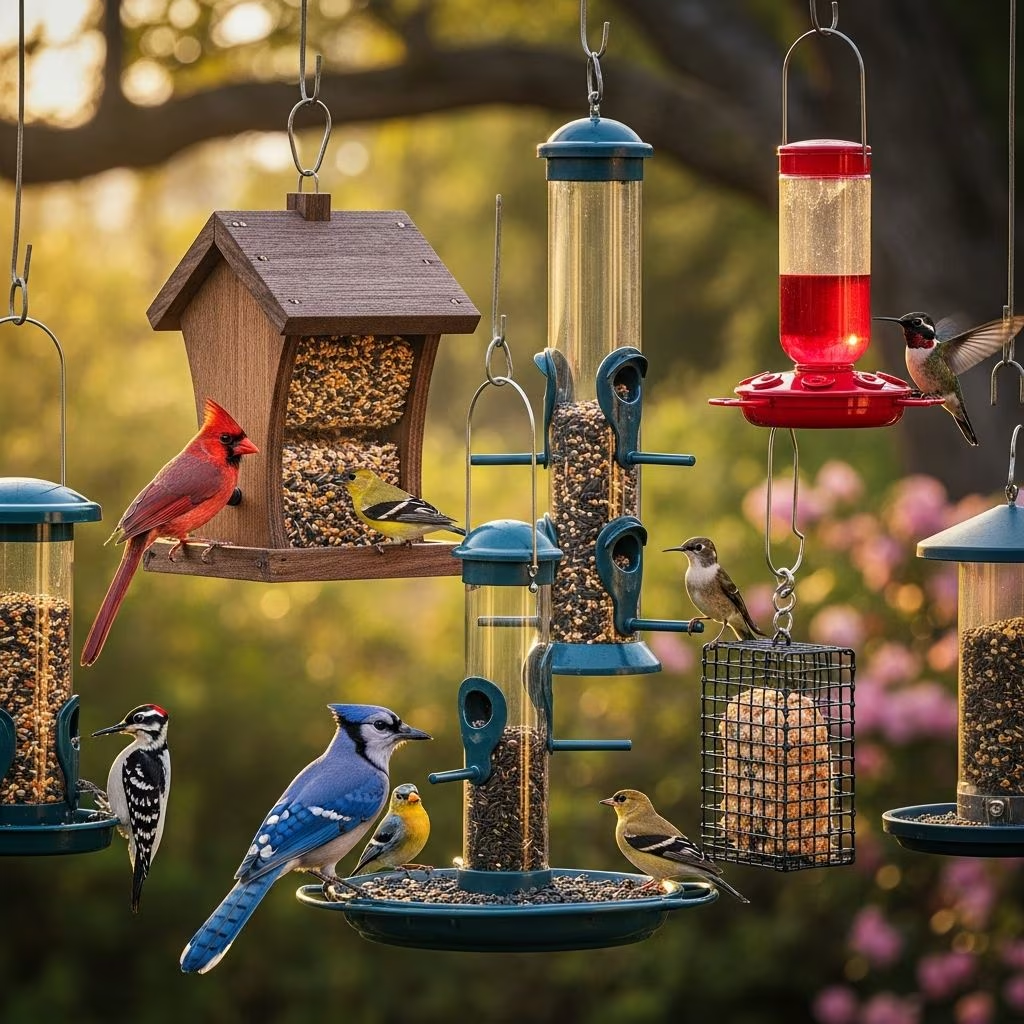
Best Bird Feeders: A Complete Guide to Attracting Wild Birds
Creating a welcoming environment for wild birds in your backyard starts with understanding the different types of bird feeders available and how to match them with the species you want to attract. Whether you’re a seasoned birder or just beginning to enjoy feathered visitors, selecting the right feeders can significantly enhance your bird watching experience and support local bird populations.
Understanding Bird Feeder Types
Most seed feeders fall into several basic design categories, each serving different purposes and attracting specific bird species. Understanding these fundamental types will help you build a comprehensive feeding station that appeals to a diverse range of birds.
Hopper Feeders
Hopper feeders, often called “house” feeders, are among the most popular and attractive options for backyard bird enthusiasts. These feeders feature a distinctive enclosed design with a roof that keeps seeds dry and fresh. The spacious interior can hold substantial quantities of birdseed, reducing the frequency of refills and making them ideal for busy individuals.
Key advantages of hopper feeders include:
– Aesthetic appeal that complements most yard landscapes- Large seed capacity lasting several days- Protective roof to maintain seed quality- Reduced contamination from bird droppings- Attraction to diverse bird species
Hopper feeders are particularly attractive to finches, jays, cardinals, buntings, grosbeaks, sparrows, chickadees, and titmice. However, potential drawbacks include difficulty in cleaning due to their enclosed design and relative ease of access for squirrels seeking easy meals. To address squirrel challenges, many people mount their hoppers on poles with baffles or use specialized squirrel-resistant designs.
Tube Feeders
Named for their cylindrical shape, tube feeders represent a practical choice for those targeting small to medium-sized birds. These feeders come in various sizes and typically feature multiple feeding ports and perches positioned around their exterior, allowing several birds to feed simultaneously. Constructed from durable materials such as plastic, metal, or glass, tube feeders are engineered to maintain seed freshness and dryness.
Tube feeders work exceptionally well with small seeds and are perfect for attracting finches, chickadees, and titmice. They require less frequent refilling compared to smaller feeders and can accommodate seed blends with varying sizes. The cylindrical design makes filling relatively straightforward, though cleaning can be challenging due to narrow ports and crevices where moisture and debris accumulate.
Platform or Tray Feeders
Platform feeders offer remarkable versatility and appeal to an exceptionally wide range of bird species. These simple, open-topped designs allow birds of varying sizes to access food easily. Platform feeders can be either ground-level trays or elevated platforms mounted on poles, and some feature protective roofs or weather domes to shield seeds from rain.
The beauty of platform feeders lies in their compatibility with numerous food types, from seeds and nuts to dried mealworms and suet chunks. They attract Baltimore Orioles, Blue Grosbeaks, Northern Mockingbirds, and many other species. Roofed platform feeders provide additional protection against predators and weather while making it difficult for crows to access the food despite their intelligence and persistence.
Nyjer (Thistle) Feeders
Specialized for small songbirds with particular dietary preferences, Nyjer feeders are filled with tiny nyjer seeds and feature extremely small feeding ports designed for birds with appropriately sized beaks. These feeders typically come in two designs: tube feeders with miniature openings or fine mesh bags commonly called thistle socks.
Nyjer feeders attract species such as American Goldfinches, Pine Siskins, Redpolls, Indigo Buntings, and other finch species. The specialized design prevents waste and gives smaller birds their own feeding space away from larger species that might dominate sunflower-seed feeders. Interestingly, ground-feeding birds like Mourning Doves and various sparrows often gather beneath Nyjer feeders to consume dropped seeds.
Suet Feeders
Suet feeders cater to insect-eating bird species and feature compressed seed or fat cakes designed to provide high-calorie nutrition, particularly valuable during cold months. Common designs include cage-style feeders and upside-down configurations that make access difficult for dominant species like European Starlings and Common Grackles while remaining accessible to smaller woodpeckers and other target birds.
Upside-down suet feeders attract Blue Jays, Carolina Chickadees, Carolina Wrens, Tufted Titmice, White-Breasted Nuthatches, Pine Warblers, and Red-Bellied Woodpeckers. Caged suet feeders appeal to similar species, including occasional visitors like Dark-Eyed Juncos. These feeders provide essential nutrition for woodpeckers, nuthatches, and bushtits year-round and are especially important during harsh weather.
Hummingbird Feeders
Designed specifically for hummingbirds and orioles, these specialized feeders hold sugar-water solution accessed through small ports that suit the long beaks and feeding behavior of these unique birds. Hummingbird feeders come in various attractive designs, from simple tube feeders to decorative bottle-shaped designs, and can be filled with an inexpensive homemade mixture of sugar and water.
Window Feeders
Window feeders mount directly to glass panes, providing an exceptionally close bird watching experience. These versatile feeders can hold seeds, suet, or nectar, allowing you to observe bird behavior from inside your home with minimal disturbance.
Ground and Mesh Feeders
Ground feeders mimic natural foraging behavior and attract ground-feeding species like towhees, wrens, sparrows, and doves. Mesh feeders are specifically designed for clinging bird species such as nuthatches and small woodpeckers and work well with larger seeds, peanuts, and nuggets. Wreath-style feeders offer decorative appeal while accommodating suet balls, whole peanuts, or fruits, attracting diverse bird populations.
Feeder Type and Food Compatibility
Successful bird feeding requires matching feeder types with appropriate foods to maximize attraction and minimize waste:
| Feeder Type | Best Foods | Primary Bird Species |
|---|---|---|
| Tube Feeders | Small seeds, sunflower chips | Finches, chickadees, titmice |
| Hopper Feeders | Seed blends, sunflower seeds | Cardinals, sparrows, finches, jays |
| Platform Feeders | Multiple seed types, nuts, mealworms | Wide variety of species |
| Nyjer Feeders | Nyjer (thistle) seeds only | Goldfinches, pine siskins, redpolls |
| Suet Feeders | Suet cakes, fat blocks | Woodpeckers, nuthatches, wrens |
| Nectar Feeders | Sugar-water solution | Hummingbirds, orioles |
| Mesh Feeders | Larger seeds, peanuts, nuggets | Nuthatches, small woodpeckers |
Choosing the Right Feeder for Your Yard
Selecting appropriate feeders depends on several factors beyond feeder type. Consider your available space, budget, maintenance capacity, and specific bird species you wish to attract. Your geographic location significantly influences which birds visit your area, so research local species and their preferences.
Important considerations include:
– Feeder capacity based on your refilling frequency- Durability and weather resistance for your climate- Ease of cleaning and maintenance- Squirrel and pest resistance features- Aesthetic compatibility with your outdoor space- Proximity to natural shelter and escape routes
If you’re unavailable for daily refills, opt for larger capacity feeders that can sustain birds for several days. Quality construction materials like metal or durable plastic ensure longevity and withstand harsh weather conditions.
Maintaining Your Bird Feeders
Proper feeder maintenance is essential for bird health and safety. Regular cleaning prevents mold growth and disease transmission among bird populations. Most feeders should be cleaned every two weeks, or more frequently in wet conditions. Use hot water and mild soap, and allow feeders to dry completely before refilling.
Monitor seed freshness and replace old, moldy, or wet seed promptly. Position feeders in locations that provide nearby shelter from predators while offering clear sightlines for birds to detect approaching danger. Maintain distance from dense vegetation that could harbor cats or other predators.
Creating a Comprehensive Feeding Station
Rather than installing a single feeder, consider creating a diverse feeding station with multiple feeder types positioned at varying heights. This approach attracts different species simultaneously and reduces aggressive competition. Platform feeders at ground level attract ground-feeding species, while elevated hoppers and tube feeders target small perching birds. Suet feeders positioned vertically attract acrobatic species like nuthatches.
Spacing feeders several feet apart reduces crowding and allows nervous birds to access food without feeling threatened. Include natural water sources through birdbaths or fountains, as birds require water for drinking and bathing regardless of food availability.
Frequently Asked Questions About Bird Feeders
Q: What is the best bird feeder for beginners?
A: Hopper feeders are ideal for beginners because they attract diverse bird species, hold significant seed quantities, and require minimal maintenance compared to other types.
Q: How often should I clean my bird feeders?
A: Clean feeders every two weeks under normal conditions, or more frequently during wet weather or when seed shows signs of moisture or mold. Regular cleaning prevents disease transmission.
Q: Can I use regular birdseed in all feeder types?
A: No, different feeders require different seed types. Nyjer feeders require nyjer seed specifically, while suet feeders need compressed fat cakes. Hopper and platform feeders accommodate various seed types.
Q: How do I keep squirrels out of my bird feeders?
A: Use specialized squirrel-resistant feeders, install baffles on pole-mounted feeders, or choose feeders with weight-activated mechanisms that close feeding ports when squirrels access them.
Q: What should I do if birds aren’t visiting my feeders?
A: Ensure feeders are positioned near natural shelter, provide fresh seed regularly, vary feeder types to attract different species, and allow time for local birds to discover your feeding station.
Q: Is homemade hummingbird nectar safe?
A: Yes, a simple mixture of one part white sugar to four parts water is safe and economical. Never use honey, artificial sweeteners, or red dye.
Q: Where should I place feeders in my yard?
A: Position feeders where birds have clear sight lines to detect predators, near natural shelter for escape routes, and away from dense vegetation that could harbor cats. Elevation varies by species preference.
Conclusion
Selecting the best bird feeders transforms your yard into a vibrant wildlife habitat while providing essential support for local bird populations. By understanding different feeder types and their specific attractions, you can create a diverse feeding station that welcomes numerous species. Whether you prefer the versatility of platform feeders, the efficiency of tube feeders, or the specialized appeal of Nyjer feeders, each type contributes to a comprehensive bird feeding program. Invest in quality feeders, maintain them properly, and enjoy the remarkable rewards of supporting wild birds in their natural environment.
References
- Which Feeders Attract Which Birds? — Birdseed & Binoculars. Available at: https://birdseedandbinoculars.com/wordpress/which-feeders-attract-which-birds/
- How to Choose the Right Kind of Bird Feeder — All About Birds. Available at: https://www.allaboutbirds.org/news/how-to-choose-the-right-kind-of-bird-feeder/
- Attracting Backyard Birds: Bird Feeder Selection — University of Florida IFAS Extension. Available at: https://edis.ifas.ufl.edu/publication/UW192



