

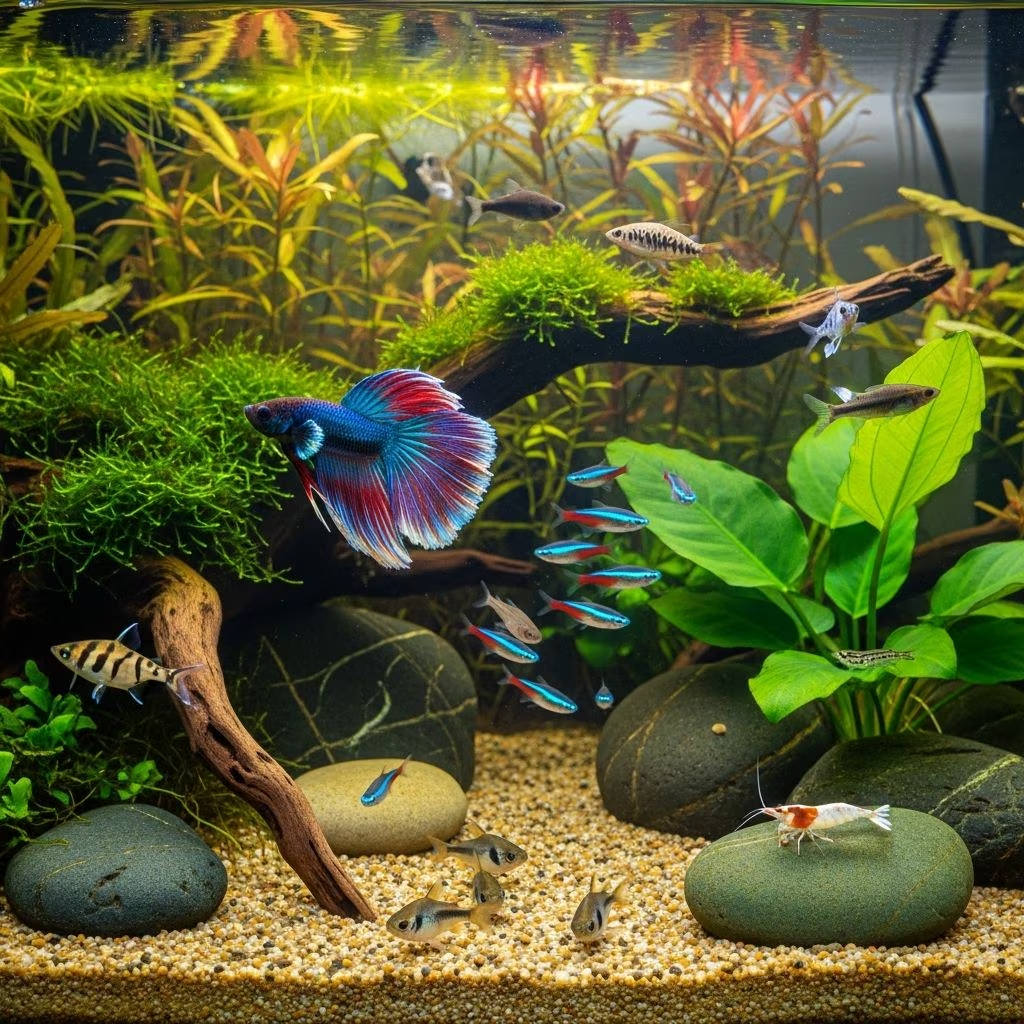
Best Betta Fish Tank Mates: A Complete Compatibility Guide
Betta fish are renowned for their vibrant colors and spirited personalities, but many aquarium enthusiasts assume they must live in isolation. While male bettas are indeed territorial and aggressive toward other males, they can successfully coexist with carefully selected tank mates in appropriately sized tanks. Creating a harmonious community aquarium with your betta requires understanding which species are compatible, how to introduce them properly, and what environmental conditions support peaceful coexistence.
The key to successful betta tank mate selection lies in choosing species that are either too small to threaten the betta, too fast to be caught, or possess protective features like hard shells or tough skin. Additionally, selecting fish that occupy different areas of the tank—such as bottom feeders or surface dwellers—reduces competition and territorial conflicts. This comprehensive guide explores the best betta tank mate options, their specific care requirements, and practical tips for creating a thriving community aquarium.
Understanding Betta Fish Temperament
Before introducing tank mates to your betta, it’s essential to understand their natural behavior and territorial instincts. Male betta fish, scientifically known as Siamese fighting fish, have evolved with aggressive tendencies that helped them survive in the wild. However, individual bettas display varying levels of aggression, and some may be more tolerant of companions than others.
The success of a community tank depends significantly on your specific betta’s temperament. Some bettas are naturally docile and curious, while others remain aggressive regardless of tank mates. Monitoring your betta’s initial reactions to new inhabitants is crucial. Watch for aggressive displays such as flaring, chasing, or biting. If your betta shows excessive aggression, it may be best to keep it in a solitary tank to ensure all animals’ safety and well-being.
Top Betta Fish Tank Mate Options
Mystery Snails and Other Gastropods
Mystery snails rank among the most popular and reliable betta tank mates. Their hard, protective shells make them resistant to betta aggression, and they provide the added benefit of consuming algae and leftover food debris. These snails are hardy, easy to care for, and require minimal maintenance. They thrive in tanks of 10 gallons or larger and prefer warmer water temperatures between 72-82°F.
Mystery snails come in various colors including gold, black, and blue, adding visual interest to your aquarium. They are slow-moving creatures that typically ignore betta fish entirely, making them ideal for less aggressive bettas. Additionally, nerite snails offer similar benefits with slightly different coloration patterns and are equally compatible with bettas.
Ghost Shrimp and Glass Shrimp
Ghost shrimp, scientifically known as Thalassinidea, are nearly transparent invertebrates that make excellent betta companions. Their see-through appearance and small size make them less likely to trigger aggressive responses in bettas. These beginner-friendly creatures are best introduced in groups of 2-4, though groups of 6 or more may lead to breeding in your tank.
Ghost shrimp occupy the bottom of the tank, scavenging for food and helping maintain water quality. They require a minimum tank size of 10 gallons and prefer temperatures between 72-82°F. Their low cost and cleaning capabilities make them an economical choice for betta community tanks. However, very aggressive bettas may occasionally chase them, so monitoring their interaction is important during the initial acclimation period.
Feeder Guppies
Feeder guppies, scientifically named Poecilia Reticulata, are specifically bred as food for larger fish and lack the elaborate fins and bright coloring of fancy guppies. This characteristic makes them ideal betta companions, as they’re less likely to trigger the betta’s predatory instincts. Female feeder guppies are typically grey, while males display spots and brighter colors, though less vibrant than ornamental varieties.
These peaceful fish are content living independently, making them easier to incorporate into community tanks than schooling species. A minimum tank size of 8 gallons accommodates guppies and bettas comfortably. When selecting guppies, ensure you obtain feeder varieties rather than fancy guppies with flowing fins that might provoke aggressive responses from your betta.
Cory Catfish
Corydoras catfish, commonly known as Cory catfish, are widely regarded as the gold standard for betta tank mate compatibility. These bottom-dwelling fish spend their time foraging on the substrate, rarely venturing into the betta’s territory. Cory catfish are hardy, easy to care for, and excellent algae and debris consumers. They prefer to be kept in groups of 6 or more, creating a peaceful community dynamic that most bettas tolerate well.
These catfish require a minimum tank size of 10 gallons and prefer sandy or smooth substrate to protect their sensitive barbels. They thrive in water temperatures between 72-82°F and are suitable for beginner aquarists. Their docile nature and bottom-dwelling habits make them virtually invisible to bettas, creating minimal territorial conflict.
African Dwarf Frogs
African dwarf frogs, scientifically identified as Hymenochirus Boettgeri, are excellent betta tank mates due to their peaceful personalities and relatively easy care requirements. These small amphibians grow to approximately 2.5 inches in length and have an average lifespan of 5 years in captivity. Males are typically slightly smaller than females, and the species thrives best with at least 2 individuals per tank.
African dwarf frogs require special attention to ensure they can reach the water’s surface to breathe air. Provide floating plants or landing pads that allow them easy access to the surface. They prefer tank sizes of 10 gallons or larger and water temperatures between 72-82°F. Their non-threatening behavior and unique appearance add diversity to your betta community aquarium.
Neon Tetras
Despite their bright coloring, which typically triggers betta aggression, neon tetras can coexist successfully with bettas due to their exceptional speed and schooling behavior. Neon tetras are characterized by silver-blue bodies with distinctive red neon stripes running along their sides. When kept in groups of 6-10, their coordinated schooling movements confuse bettas, making them difficult targets.
Neon tetras require a minimum tank size of 10 gallons and prefer long, horizontal tanks that provide ample swimming space. These beginner to advanced level fish thrive in water temperatures between 68-79°F. The combination of their small size, quick movements, and group behavior makes them surprisingly compatible with many bettas, though individual temperament variation remains important.
Harlequin Rasboras
Harlequin rasboras are peaceful, schooling fish that exhibit vibrant coloring and interesting behavior patterns. These fish are best kept in groups and occupy mid-water swimming zones, minimizing competition with bettas. Their calm demeanor and quick movements make them suitable tank mates for many bettas, particularly those with less aggressive temperaments.
These rasboras require minimum tank sizes of 10 gallons and prefer water temperatures between 73-80°F. They are relatively hardy and suitable for beginner to intermediate aquarists. Their peaceful interaction with other community fish makes them a reliable choice for establishing stable betta community tanks.
Clown Plecos
The clown pleco represents an excellent alternative to the common pleco, which grows to unmanageable sizes of up to two feet. Clown plecos, the dwarf variety of the species, reach maximum lengths of approximately 4-5 inches, making them appropriate for smaller community tanks. These hardy, easy-to-care-for fish have average lifespans of around 10 years in captivity.
Clown plecos possess tough skin that resists betta aggression and maintain nocturnal feeding habits that reduce direct interaction with bettas. These bottom feeders explore the tank substrate thoroughly, consuming algae and uneaten food. A minimum tank size of 15-20 gallons accommodates a clown pleco and betta appropriately. Avoid gold nugget plecos, as their vibrant coloring may trigger betta aggression.
Tank Mate Compatibility Comparison Table
| Tank Mate | Minimum Tank Size | Difficulty Level | Ideal Group Size | Lifespan |
|---|---|---|---|---|
| Mystery Snails | 10 gallons | Beginner | 1-3 | 3-5 years |
| Ghost Shrimp | 10 gallons | Beginner | 2-4 | 1-2 years |
| Feeder Guppies | 8 gallons | Beginner | 1-2 | 2-3 years |
| Cory Catfish | 10 gallons | Beginner | 6 or more | 5-7 years |
| African Dwarf Frogs | 10 gallons | Beginner | 2 or more | 5 years |
| Neon Tetras | 10 gallons | Beginner-Advanced | 6-10 | 8 years |
| Clown Pleco | 15-20 gallons | Beginner | 1-2 | 10 years |
Tank Mates to Avoid with Bettas
Not all aquatic species are suitable betta companions. Certain fish exhibit aggressive behaviors, possess characteristics that trigger betta aggression, or compete directly for resources. Understanding which species to avoid is equally important as knowing which ones thrive with bettas.
Avoid brightly colored fish with elaborate fins, such as fancy guppies or goldfish, as their appearance triggers predatory responses in bettas. Large aggressive fish like oscars or cichlids will harass or injure your betta despite size differences. Other male bettas absolutely cannot coexist in the same tank, regardless of tank size, due to their extreme territorial nature. Common plecos grow excessively large and require tanks inappropriate for bettas. Finally, avoid fin-nipping species like tiger barbs that will harass your betta’s delicate fins.
Female Betta Sororities
Female bettas present unique opportunities for community tank setups through sorority arrangements. A betta sorority is a community tank containing 5 or more female betta fish living together harmoniously. However, female bettas remain aggressive and territorial, requiring careful management and substantial tank space.
The minimum recommended tank size for a female betta sorority is 10 gallons, though long horizontal tanks are preferable to tall vertical designs. Younger females tend to establish hierarchies more peacefully than older, solitary females accustomed to individual tanks. Provide abundant hiding spots, plants, and visual barriers to reduce territorial conflicts. Constant monitoring is essential, as even established sororities may experience sudden aggression requiring immediate intervention and fish separation.
Tank Setup and Environmental Considerations
Creating an appropriate environment for betta tank mates extends beyond simply selecting compatible species. Tank size, water temperature, filtration, and decorative elements all significantly impact community tank success.
Tank Size: Most betta community tanks require minimum sizes of 10-20 gallons, depending on the number and types of inhabitants. Larger tanks reduce territorial conflicts and allow species to establish separate territories. Water Temperature: Maintain temperatures between 72-82°F for optimal betta health and most compatible species. Filtration: A gentle filter suitable for your tank size prevents currents that stress bettas. Decorations: Include plants, caves, and hiding spots that reduce line-of-sight conflicts and provide refuge for tank mates. Silk plants are preferable to plastic varieties that may tear delicate fins.
Introduction and Acclimation Strategies
Successfully introducing tank mates to your betta requires patience and careful technique. Introduce your betta to an already-established community rather than adding new fish to an established betta tank. This approach allows your betta to explore neutral territory rather than defending established territory.
Begin with a quarantine period for new fish to ensure they’re disease-free and adjusted to your tank conditions. Use a divider to separate your betta and new tank mates for 2-7 days, allowing them to see and smell each other without direct contact. Gradually increase their proximity until they interact peacefully. Monitor interactions closely during the first 2-3 weeks, watching for aggression, fin nipping, or territorial displays.
Frequently Asked Questions
Q: Can male bettas live with other fish?
A: Yes, male bettas can coexist with carefully selected tank mates in appropriately sized tanks. Choose peaceful, non-aggressive species that don’t trigger territorial responses or compete for resources. However, individual betta temperament varies, and some bettas may remain solitary by nature.
Q: What is the best tank mate for a betta?
A: Mystery snails and Cory catfish are among the most reliable betta tank mates. Their peaceful temperaments, non-threatening appearance, and beneficial behaviors make them ideal companions. Ghost shrimp and African dwarf frogs also provide excellent compatibility for most bettas.
Q: Can bettas live with tetras?
A: Yes, neon tetras and ember tetras can live with bettas when kept in groups of 6-10. Their schooling behavior and quick movements make them difficult targets, and they occupy mid-water swimming spaces that minimize territorial conflicts.
Q: How big should a betta community tank be?
A: Most betta community tanks require minimum sizes of 10-20 gallons, depending on the number and types of tank mates. Larger tanks reduce territorial conflicts and provide adequate swimming space for all inhabitants.
Q: Can female bettas live together?
A: Yes, female bettas can form sororities with 5 or more individuals in tanks of 10 gallons or larger. However, careful monitoring is essential, as females remain territorial and aggressive. Provide abundant hiding spots and be prepared to separate fish if conflicts arise.
Q: What fish should I avoid with bettas?
A: Avoid brightly colored fish with elaborate fins, large aggressive species, other male bettas, common plecos, and fin-nipping fish. These species either trigger predatory responses or will harass or injure your betta.
References
- 10 Safe Betta Fish Tank Mates & Companions — Bettafish.org. 2024. https://bettafish.org/betta-fish-tank-mates/
- Top Betta Fish Tank Mates — Sevenports Nano Aquariums. 2022. https://sevenports.com/2022/06/27/top-betta-fish-tank-mates/
- What Fish Can Live With Bettas? — Aqueon. 2024. https://www.aqueon.com/articles/what-fish-can-live-with-bettas



