

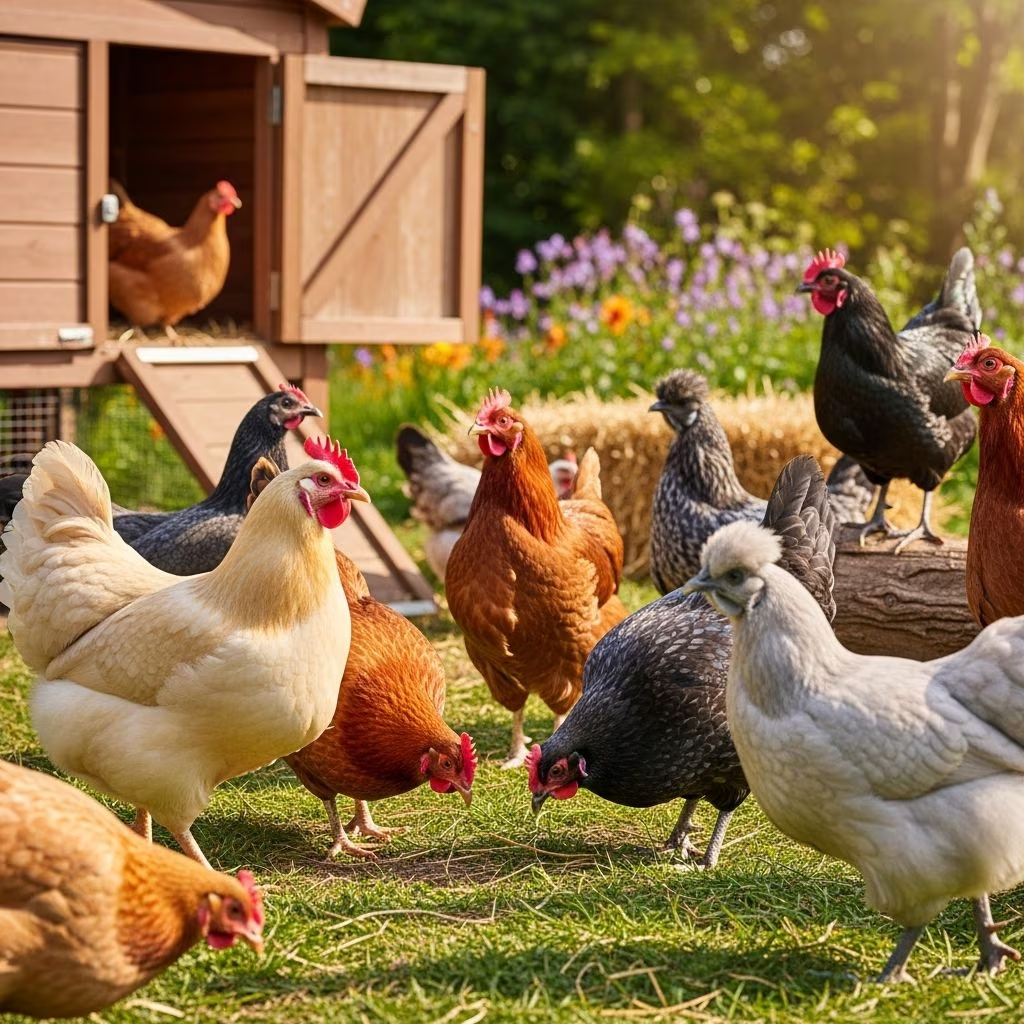
Best Backyard Chicken Breeds for Your Flock
Choosing the right chicken breeds for your backyard can make all the difference in your homesteading journey. Whether you’re looking for prolific egg layers, meat production, or friendly companions, understanding the characteristics of different chicken breeds is essential. This guide explores some of the most popular and reliable backyard chicken breeds, helping you select the perfect addition to your flock.
Factors to Consider When Choosing Chicken Breeds
Before selecting your chicken breeds, it’s important to evaluate several key factors that will influence your success and satisfaction. The right breed depends on your specific goals, climate, available space, and lifestyle preferences.
Production Purpose: Determine whether you prioritize egg production, meat, or a dual-purpose breed that excels at both. Some breeds are specifically developed for high egg output, while others are better suited for meat production.
Temperament: Friendly, docile breeds are ideal if you want chickens that interact well with your family and are easy to handle. Some breeds are more active foragers, while others prefer confinement.
Hardiness: Consider your climate and weather patterns. Certain breeds thrive in cold environments, while others are heat-tolerant. Cold-hardy breeds typically have smaller combs to prevent frostbite.
Available Space: Some breeds adapt well to confined spaces, while others need room to roam freely. Larger breeds generally handle confinement better than smaller, more active varieties.
Size: Standard and bantam varieties are available for most breeds. Bantams are smaller and require less feed, making them ideal for limited space.
Top Backyard Chicken Breeds
Rhode Island Red
Rhode Island Reds are among the most popular backyard chicken breeds for good reason. These production birds are valued for their exceptional egg-laying abilities and dual-purpose qualities. They consistently produce large, extra-large brown eggs, with hens laying approximately 5 eggs per week or 250-300 eggs annually.
Temperament: Rhode Island Reds are generally docile and friendly, making them suitable for families. They are good foragers and adapt well to both free-ranging and confined environments.
Hardiness: This breed is especially cold-hardy and performs well in most climates. However, roosters have large combs that are prone to frostbite in extremely cold conditions.
Size: Available in both standard and bantam sizes, making them adaptable to various space constraints.
Barred Plymouth Rock
Barred Plymouth Rocks, commonly called Barred Rocks, are distinctive birds with striking black and white striped feathers. These steady layers produce approximately 200 brown eggs per year and are known for their sweet, soft coo and chatter.
Temperament: These chickens are sweet, curious, intelligent, and quirky birds that are great with kids. They are good foragers and generally docile, making them excellent family companions.
Hardiness: Barred Rocks are both heat and cold tolerant, though roosters have large combs prone to frostbite. They adapt well to confinement but are happiest when allowed to range freely.
Egg Production: Expect an average of four to five eggs per week during active laying periods.
Buff Orpington
The Buff Orpington is the quintessential backyard chicken, renowned for its docile, patient, and friendly nature. With their beautiful buff-colored feathers, these birds are as attractive as they are personable.
Temperament: Buff Orpingtons are extremely docile and friendly, good foragers, and notably, hens will brood, making them excellent mothers. They are perfect for families seeking chickens that enjoy interaction.
Egg Production: These birds lay large brown eggs, producing 110-160 eggs annually. While not the highest producers, they make up for it with their excellent dispositions.
Hardiness: Cold-hardy by nature, Buff Orpingtons are heavier birds that are less flighty once mature, making them ideal for smaller backyard spaces.
Ameraucana and Easter Eggers
Ameraucanas (purebred) and Easter Eggers (hybrid) are popular choices for families seeking something unique. These breeds are prized for their distinctive blue and greenish-colored eggs, adding visual interest to your egg collection.
Distinctive Features: Many birds in these breeds feature unique, tufted facial feathers called ‘muffs’ and a ‘beard,’ giving them a distinctive appearance.
Temperament: Generally docile and good foragers, these breeds are friendly and come in numerous color varieties. However, Ameraucanas may be more skittish and alert to predators compared to other breeds, and they don’t always enjoy as much handling.
Egg Colors: These breeds produce blue, green, and occasionally pink eggs, making them conversation starters.
Hardiness: Both heat-tolerant and cold-hardy, these breeds adapt well to various climates.
Wyandotte
Wyandottes come in various striking color patterns and are known for their cold-hardiness and reliable egg-laying abilities. These birds combine beauty with practicality.
Temperament: With a calm temperament, Wyandottes are generally docile and good foragers, making them manageable additions to any flock.
Egg Production: These birds produce approximately 200 brown eggs per year, providing consistent egg supply.
Hardiness: Exceptionally cold-hardy, Wyandottes are excellent for homesteaders in frigid climates.
Size: Available in both large standard and bantam varieties to suit different space requirements.
Sussex
Sussex chickens, particularly the Speckled Sussex variety, are known for their good egg production and uniquely friendly, curious dispositions. These birds are as entertaining as they are productive.
Temperament: Curious and docile by nature, Sussex chickens are excellent foragers and adapt well to different environments and climates. Their inquisitive personality makes them engaging backyard companions.
Egg Production: Speckled Sussex hens are prolific layers, producing approximately 280 brown eggs per year, making them among the top producers.
Hardiness: These hardy, adaptable birds are cold-hardy, though roosters have large combs prone to frostbite. Their versatility makes them suitable for various climates.
Black Australorp
Black Australorps are calm, friendly birds that represent an Australian adaptation of the Orpington breed. These elegant birds feature stunning iridescent green, blue, and purple plumage in the right lighting.
Temperament: Known for their calm and friendly nature, Australorps make wonderful pets while remaining productive layers. They are good foragers and generally docile.
Egg Production: These birds are renowned for their exceptional egg-laying abilities. Australorp hens have set world records for most eggs produced in a year, averaging 5 large light brown eggs per week or 200-250 eggs annually.
Hardiness: Cold-hardy by nature, Australorps perform well in cooler climates while maintaining their exceptional productivity.
Welsummer
Welsummers are all-around excellent backyard companions that combine beauty, calm temperament, and reliable egg production. These birds are calm, sweet, and beautifully colored.
Egg Characteristics: Welsummers produce distinctive reddish-brown eggs with awesome dark brown speckles, making them visually unique. Expect approximately four large eggs per week.
Temperament: With their calm, sweet nature, Welsummers are steady, reliable layers that make ideal backyard companions.
Silkie
Silkies are perfect for beginners and families seeking the sweetest, most docile chicken breed available. These delightful birds are renowned for their unique fluffy plumage and exceptional temperament.
Temperament: Silkies get along wonderfully with kids and other breeds, making them ideal for mixed flocks. Their sweet nature makes them perfect pets.
Space Requirements: As bantams, Silkies require minimal space and can even be kept indoors by some homesteaders.
Brahma
Brahmas are another friendly breed and popular addition to backyard chicken coops. These large, gentle giants are known for their manageable temperament despite their size.
Temperament: Brahmas can be picked up and held without fuss, will sit on your lap, and follow you around like pets. They are not particularly active foragers and handle confinement well, making them suitable for smaller spaces.
Additional Notable Breeds
Black Star: A reliable production breed with large brown eggs and docile, sweet temperament. These birds are excellent layers and rarely cause problems in a flock.
White Rock: White Rocks rival Speckled Sussex and Brahmas for sweet temperament. These birds are calm, docile, and polite, making them excellent family chickens.
Cream Legbar: Good foragers that are keen at spotting and avoiding predators. Being smaller, they move quickly and tolerate heat, cold, and confinement well.
Dominique: All-around great additions to backyard flocks that are docile, sweet, and gentle, often following favorite humans everywhere. They are good layers and auto-sexing, making sex determination easy as chicks.
Barnevelder: Featuring double-laced plumage and chocolate-colored eggs, Barnavelders are gorgeous birds that lay about three large medium to dark brown eggs per week. They are active, good foragers, friendly, and easy-going while tolerating confinement well.
Choosing the Best Breed for Your Situation
For Maximum Egg Production
If your primary goal is consistent egg production, focus on breeds like Rhode Island Reds, Australorps, and Sussex chickens. These production-oriented breeds lay large quantities of eggs year-round and are reliable choices for families seeking abundant fresh eggs.
For Small Spaces
Heavier breeds like Orpingtons handle confinement well and are less flighty once mature. Silkies, being bantams, require minimal space and are perfect for small backyards. Brahmas are also not particularly active foragers and adapt well to confinement.
For Cold Climates
Cold-hardy breeds include Wyandottes, Buff Orpingtons, Sussex, Black Australorps, and Rhode Island Reds. These breeds maintain productivity in frigid conditions, though ensure roosters’ large combs are monitored for frostbite.
For Family Interaction
Breeds known for exceptional temperament and friendliness include Buff Orpingtons, Silkies, Brahmas, Barred Plymouth Rocks, and Dominiques. These birds are ideal if you want chickens that interact well with family members and enjoy handling.
Breed Comparison Table
| Breed | Egg Production (per year) | Egg Color | Temperament | Cold Hardy |
|---|---|---|---|---|
| Rhode Island Red | 250-300 | Brown | Docile, Friendly | Yes |
| Barred Plymouth Rock | 200 | Brown | Sweet, Curious | Yes |
| Buff Orpington | 110-160 | Brown | Docile, Friendly | Yes |
| Black Australorp | 200-250 | Brown | Calm, Friendly | Yes |
| Sussex | 280 | Brown | Curious, Docile | Yes |
| Wyandotte | 200 | Brown | Calm, Docile | Yes |
| Ameraucana/Easter Egger | Varies | Blue/Green | Docile, Alert | Yes |
Frequently Asked Questions
Q: What is the best chicken breed for beginners?
A: Buff Orpingtons and Silkies are excellent choices for beginners. Both breeds are extremely docile, friendly, and easy to handle. They are forgiving of beginner mistakes and make wonderful backyard companions while providing consistent egg production.
Q: Which breed lays the most eggs?
A: Rhode Island Reds and Sussex chickens are top producers, laying 250-300 and 280 eggs per year respectively. Australorps are also exceptional layers and have set world records for annual egg production.
Q: Are chicken breeds suitable for cold climates available?
A: Yes, many breeds are cold-hardy, including Wyandottes, Buff Orpingtons, Rhode Island Reds, Black Australorps, and Sussex. Look for breeds with smaller combs to minimize frostbite risk in extreme cold.
Q: Can I keep chickens in a small backyard?
A: Yes, certain breeds adapt well to smaller spaces. Silkies are bantams requiring minimal space, while heavier breeds like Orpingtons, Brahmas, and Australorps are less flighty and handle confinement well.
Q: What color eggs do different breeds lay?
A: Most common breeds lay brown eggs, including Rhode Island Reds, Plymouth Rocks, and Australorps. Ameraucanas and Easter Eggers lay blue and green eggs. Some breeds like Welsummers lay speckled brown eggs, while specialty breeds may lay different shades.
Q: How many chickens should I start with?
A: For a beginner, starting with 3-6 chickens is ideal. This allows you to manage the flock comfortably while getting a good egg supply. Chickens are social birds and do better in small groups than alone.
Q: Do I need a rooster?
A: No, roosters are not necessary for egg production. Hens lay eggs without roosters. You only need roosters if you want to hatch chicks or have them for breeding purposes.
Q: What should I feed my chickens?
A: A quality layer feed formulated for laying hens is ideal. Supplement with kitchen scraps, garden vegetables, and occasional treats. Fresh water should always be available. Consult breed-specific guidelines for optimal nutrition.
Q: How long do backyard chickens live?
A: Most backyard chicken breeds live 5-10 years, with some living longer under ideal conditions. Peak egg production typically occurs during the first 2-3 years of life.
References
- Choosing the Right Chicken Breed for Your Backyard — Grubbly Farms. https://grubblyfarms.com/blogs/the-flyer/choosing-the-right-chicken-breed-for-your-backyard
- The Top 18 Chicken Breeds for Your Backyard Flock — Homestead and Chill. https://homesteadandchill.com/backyard-chickens-top-18-breeds/
- Choose the Best Chicken Breeds for Your Backyard — Azure Farm Life. https://www.azurefarmlife.com/farm-blog/how-to-choose-the-best-backyard-chicken-breeds
- Best Backyard Chickens — Timber Creek Farm. https://www.timbercreekfarmer.com/best-backyard-chickens/
- Chicken Breed Chart to Help Choose Your Chicken — Michigan State University College of Agriculture and Natural Resources. https://www.canr.msu.edu/uploads/234/69325/Chicken_Breed_Chart_to_Help_Choose_Your_Chicken.pdf



