

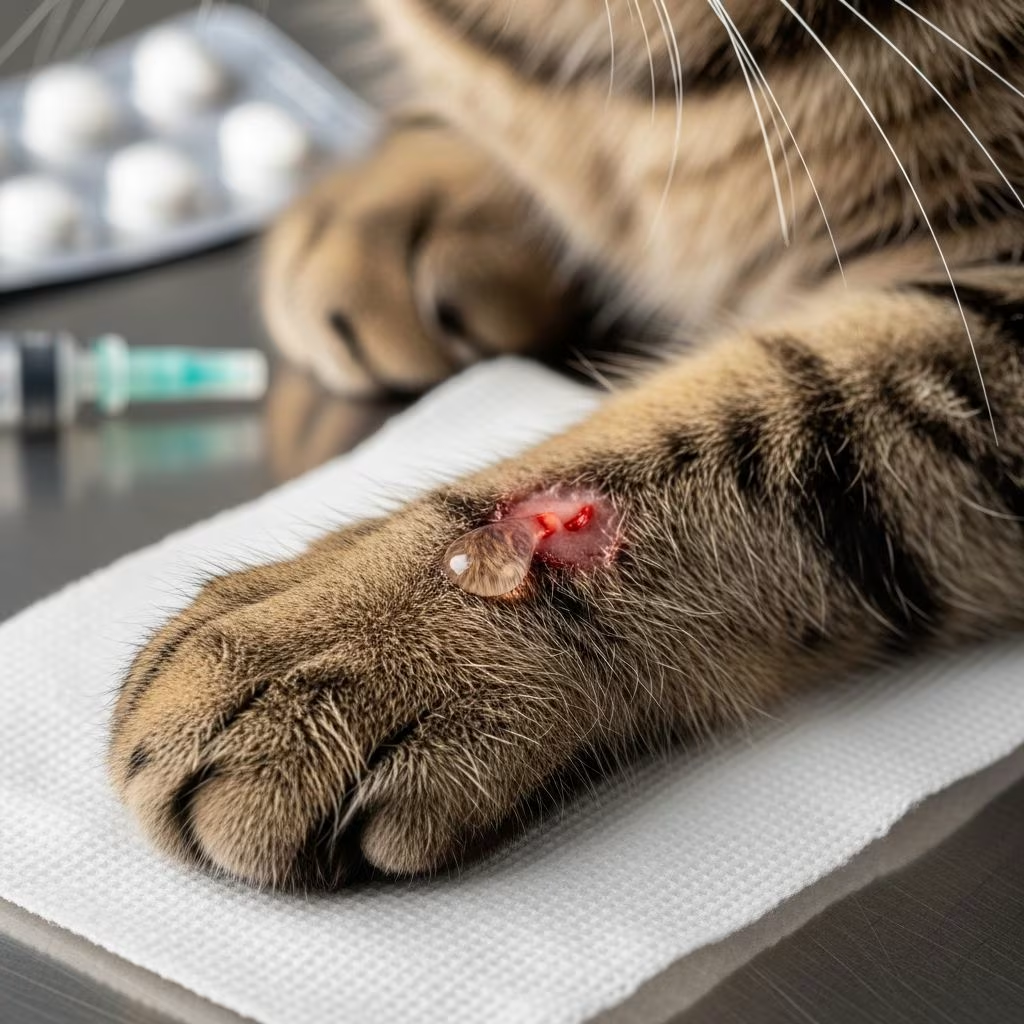
Best Antibiotic for Cat Bites: A Complete Treatment Guide
Cat bites can be deceptive injuries. While they may appear minor on the surface, cat teeth create deep puncture wounds that can trap bacteria inside, leading to serious infections if left untreated. Understanding the best antibiotic options and proper wound care is essential for anyone who has been bitten by a cat. This guide covers everything you need to know about treating cat bite infections and preventing complications.
Why Cat Bites Are High Risk for Infection
Cat bites present a unique infection risk compared to other animal bites. The narrow, sharp teeth of cats penetrate deeply into tissue, creating puncture wounds that seal quickly on the surface while bacteria remain trapped inside. This anatomical factor makes cat bites particularly susceptible to infection, with infection rates as high as 50% if left untreated.
The primary culprit behind cat bite infections is Pasteurella multocida, a bacterium found naturally in a cat’s mouth. This pathogen can cause rapid infection within 24-48 hours of a bite. Beyond Pasteurella multocida, cat bites can also introduce other dangerous bacteria including streptococci, staphylococci, and anaerobic organisms that thrive in the oxygen-poor environment of deep puncture wounds.
Certain individuals face elevated risk from cat bite infections. Immunocompromised patients, those with diabetes, people with liver disease or asplenia, and individuals over 50 years old require more aggressive treatment. Similarly, bites on the hands, feet, or genitalia carry higher infection risk and warrant immediate medical attention.
Amoxicillin-Clavulanate: The First-Line Treatment
Amoxicillin-clavulanate (Augmentin) is the gold standard first-line antibiotic for cat bite infections. This combination antibiotic is recommended by leading medical organizations and emergency medicine specialists because it provides comprehensive coverage against the bacteria most likely to cause infection following cat bites.
The standard dosing for adults is 875/125 mg twice daily for 5-7 days when treating an active infection. For prophylactic use (prevention) in high-risk situations, a 3-day course is typically sufficient. The amoxicillin component targets gram-positive and gram-negative bacteria, while the clavulanate (also called clavulanic acid) inhibits bacterial enzymes that would otherwise resist the antibiotic, making this combination particularly effective.
Why is amoxicillin-clavulanate so effective? This antibiotic provides excellent coverage against Pasteurella multocida, the primary pathogen in cat bites, as well as skin flora like Streptococci and methicillin-susceptible Staphylococcus aureus. It also covers oral flora organisms such as Haemophilus species and other bacteria commonly found in cat saliva.
When Antibiotic Treatment Is Indicated
Not every cat bite requires antibiotic treatment, though the recommendation differs significantly from dog bites. Medical guidelines indicate that all cat bites should be treated with antibiotics due to the high infection risk. This universal recommendation reflects the anatomical nature of cat bites and the aggressive nature of Pasteurella multocida infection.
Beyond cat bites specifically, prophylactic antibiotics are also indicated for:
- Moderate to severe injuries, including crush injuries and puncture wounds that penetrate bone, tendon sheaths, or joint capsules
- Deep or sutured facial wounds
- Wounds affecting the hands, feet, or genitalia
- Immunocompromised patients, including those with asplenia or liver disease
- Patients over 50 years old or with comorbid conditions affecting immune function
Alternative Antibiotics for Penicillin-Allergic Patients
For patients with true penicillin allergies, alternative antibiotic regimens are necessary. The recommended approach involves using two antibiotics simultaneously to provide adequate coverage.
The primary alternative combinations include:
- Clindamycin plus doxycycline: This combination provides coverage against anaerobic bacteria and Pasteurella species. Doxycycline should not be used in children under 8 years old or in pregnant women.
- Clindamycin plus trimethoprim-sulfamethoxazole (TMP-SMX): Another effective dual-therapy option for penicillin-allergic patients, using weight-appropriate doses for children
- Fluoroquinolone plus clindamycin: Ciprofloxacin or other fluoroquinolones combined with clindamycin offer an alternative for adults
- Doxycycline with or without metronidazole: This regimen can be effective, with metronidazole added for enhanced anaerobic coverage
- Second- or third-generation cephalosporins: Cefuroxime or cefpodoxime may be used in penicillin-allergic patients, though cross-reactivity with penicillin must be considered
It’s important to note that certain commonly used antibiotics should be avoided. Cephalexin and clindamycin alone do not provide adequate coverage against Pasteurella multocida, making them unsuitable as monotherapy for cat bite infections.
Other Antibiotic Options
Beyond amoxicillin-clavulanate and the penicillin-allergic alternatives, several other antibiotics have demonstrated effectiveness against Pasteurella multocida and other cat bite pathogens. Cefazolin and azithromycin both show high susceptibility percentages against Pasteurella multocida. However, these are typically considered second-line options when first-line treatments are contraindicated.
For inpatient treatment of severe infections, ampicillin/sulbactam offers an effective alternative to amoxicillin-clavulanate. When cellulitis or lymphangitis has developed, intravenous treatment is indicated to achieve therapeutic levels in the wound more rapidly than oral medications.
Proper Wound Care Beyond Antibiotics
While antibiotics are crucial for treating cat bite infections, they represent only part of comprehensive wound management. Proper wound care significantly reduces infection risk and should be initiated immediately after a bite occurs.
Essential wound care steps include:
- Thorough cleaning: Wash the wound thoroughly with soap and water as soon as possible after the bite. This removes surface bacteria and reduces the bacterial load.
- Antiseptic application: Apply an appropriate antiseptic agent to further reduce bacterial contamination
- Assessment of wound depth: Determine whether the bite penetrated past the epidermis, as this affects antibiotic necessity
- Avoiding primary closure: Studies show that leaving puncture wounds open (rather than suturing them closed immediately) does not significantly increase infection rates and may allow better drainage
- Tetanus and rabies consideration: Ensure tetanus immunization is current, and discuss rabies post-exposure prophylaxis with a healthcare provider if the cat’s vaccination status is unknown
Treatment Duration and Monitoring
The length of antibiotic treatment depends on whether you’re using antibiotics for prevention or treating an active infection. For prophylactic use in high-risk situations, a 3-day course of amoxicillin-clavulanate is typically sufficient. For treating an established infection, the standard course is 5-7 days.
Monitoring for signs of infection is essential during and after treatment. Watch for increasing redness, warmth, swelling, pus drainage, or systemic symptoms like fever or enlarged lymph nodes. If these symptoms develop or worsen despite antibiotic treatment, seek immediate medical attention as you may require intravenous antibiotics or surgical drainage.
Special Considerations for Cat-Scratch Disease
While distinct from cat bite infections caused by Pasteurella multocida, cat scratches can transmit cat-scratch disease through Bartonella bacteria. This infection typically follows a different clinical course and may not require treatment in immunocompetent individuals. However, when treatment is necessary, antibiotics such as azithromycin, clarithromycin, rifampin, trimethoprim-sulfamethoxazole, or ciprofloxacin may be used. Immunocompromised individuals, particularly those with HIV/AIDS, require more aggressive treatment.
When to Seek Medical Attention
Certain cat bite situations require immediate professional medical evaluation:
- Any bite to the hands, joints, or face
- Deep puncture wounds
- Bites in immunocompromised individuals or those with diabetes
- Signs of infection developing (redness, swelling, warmth, pus)
- Inability to clean the wound thoroughly yourself
- Unknown vaccination status of the cat (for rabies consideration)
Frequently Asked Questions
Q: How quickly can a cat bite become infected?
A: Pasteurella multocida can cause rapid infection within 24-48 hours of a cat bite, making prompt treatment essential.
Q: What is the infection rate for untreated cat bites?
A: Without prophylactic antibiotics, cat bite infection rates can be as high as 50% due to the deep puncture wounds and presence of Pasteurella multocida.
Q: Can I treat a cat bite at home without antibiotics?
A: While initial wound cleaning at home is important, medical professionals recommend antibiotic treatment for all cat bites due to high infection risk. This should be discussed with a healthcare provider.
Q: Is amoxicillin-clavulanate safe for children?
A: Yes, amoxicillin-clavulanate is used in pediatric patients with appropriate dose adjustments based on weight. Consult with a healthcare provider for proper dosing.
Q: What should I do if I develop an allergic reaction to amoxicillin-clavulanate?
A: If you experience an allergic reaction, contact your healthcare provider immediately. Alternative antibiotic combinations such as clindamycin with doxycycline or trimethoprim-sulfamethoxazole can be prescribed.
Q: Do I need rabies prophylaxis after a cat bite?
A: Rabies prophylaxis depends on the cat’s vaccination status and whether it can be observed. If the cat’s status is unknown, discuss post-exposure prophylaxis with your healthcare provider.
Q: How long should I take antibiotics for a cat bite infection?
A: For treatment of an active infection, antibiotics are typically prescribed for 5-7 days. For prevention in high-risk cases, 3 days may be sufficient.
References
- What is the best antibiotic for a cat bite? — Dr. Oracle. 2026. https://www.droracle.ai/articles/191824/what-is-the-best-antibiotic-for-a-cat-bite
- Wise Use of Antibiotics: Management Strategies for Common Animal Bites — Children’s Mercy Kansas City. April 2025. https://www.childrensmercy.org/health-care-providers/refer-or-manage-a-patient/connect-with-childrens-mercy/newsletter-the-link/the-link-2025/the-link—april-2025/wise-use-of-antibiotics-management-strategies-for-common-animal-bites/
- Cat Bite Cellulitis — PubMed Central, National Institutes of Health. 2012. https://pmc.ncbi.nlm.nih.gov/articles/PMC4131574/
- Cat-scratch disease: MedlinePlus Medical Encyclopedia — U.S. National Library of Medicine. 2024. https://medlineplus.gov/ency/article/001614.htm
- Antimicrobials for Bite Wounds — Merck Manual Professional Edition. 2025. https://www.merckmanuals.com/professional/multimedia/table/antimicrobials-for-bite-wounds
- Cat and Dog Bites: Clinical Summary — Emergency Care BC. 2025. https://emergencycarebc.ca/clinical_resource/clinical-summary/cat-and-dog-bites/



